

Fur baby care: your complete pet wellness guide
TL;DR:
- Fur baby care involves a comprehensive, science-based routine that prioritizes a pet’s physical and emotional well-being. Responsible pet parents focus on consistent nutrition, grooming, veterinary care, and emotional bonding while avoiding humanizing behaviors that ignore actual animal needs. True care emphasizes evidence-based practices, individual routines, and genuine love rather than luxury or trendy products.
Loving your pet deeply is easy. Caring for them the right way takes more effort. Many pet parents use the term “fur baby” to describe how they feel about their cats and dogs, but treating pets like cherished children means far more than cuddles and Instagram moments. True fur baby care covers nutrition, grooming, veterinary schedules, mental enrichment, and safety. This guide breaks down what responsible fur baby care actually looks like, where well-meaning pet parents go wrong, and how to build a routine your pet genuinely benefits from.
Table of Contents
- What does ‘fur baby care’ really mean?
- Essential components of fur baby care
- Navigating the risks and misconceptions of fur baby culture
- Striking the balance: evidence-based, loving care
- Fur baby care: what truly sets responsible pet parents apart
- Safe, expert-backed products support your fur baby care journey
- Frequently asked questions
Key Takeaways
| Point | Details |
|---|---|
| Fur baby care defined | Fur baby care means meeting emotional and physical needs as if pets were family members. |
| Balanced, evidence-based routines | Best pet health outcomes rely on species-appropriate nutrition, grooming, and vet care backed by science. |
| Avoid common pitfalls | Over-treating, using human products, or ignoring real animal needs can harm your fur baby’s well-being. |
| Collaboration with your vet | Work with your veterinarian to provide individualized, safe, and effective care for your pet. |
| Choose pet-safe products | Only use cleaning and grooming products specifically designed for pets to ensure their safety. |
What does ‘fur baby care’ really mean?
The phrase “fur baby” has gone from cute slang to a full cultural movement. Millions of households now treat their pets with the same emotional investment they would give a child. That emotional closeness has real biological roots. Oxytocin surges in pet-parent interactions are well documented, occurring when you gaze at your dog or cuddle your cat. This is the same bonding hormone released between parents and babies.
But here’s where it gets interesting. Feeling that bond is not the same as meeting every physical and behavioral need your pet has. The full pet family care definition includes nutrition that matches your pet’s species and life stage, grooming that protects skin and coat, scheduled vet care, daily exercise, and consistent emotional connection.
“Fur baby care is not a single action. It is an ongoing commitment to your pet’s complete physical and emotional well-being, guided by science and shaped by love.”
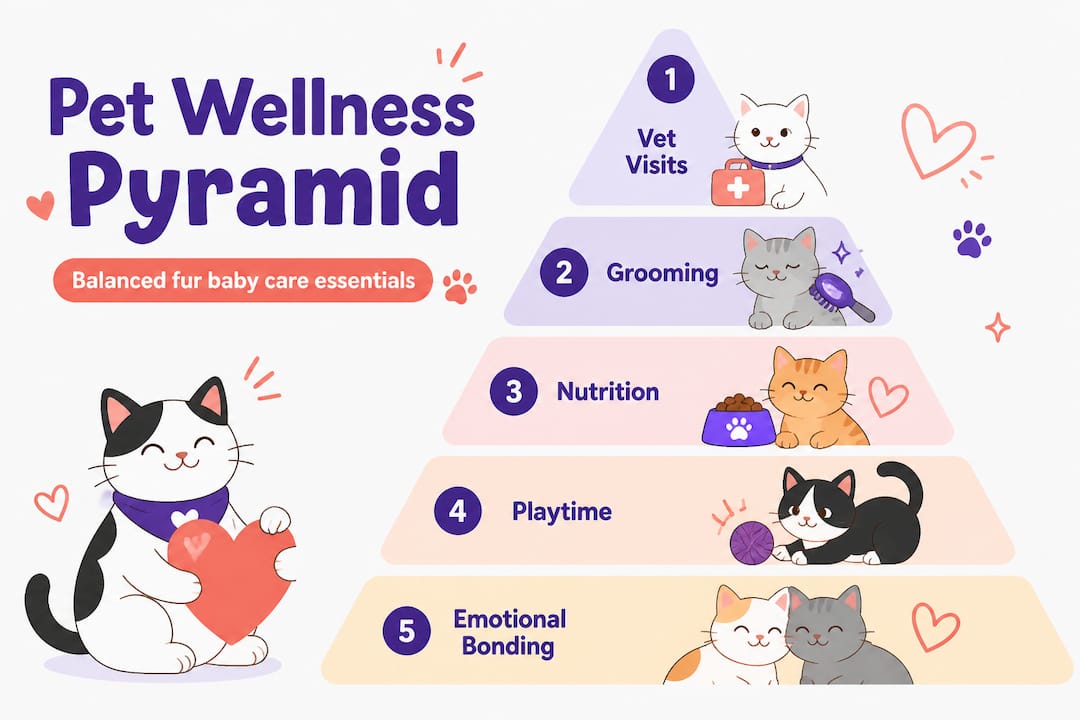
Here is what the core of fur baby care actually includes:
- Balanced nutrition: Species-specific food in the right portions for your pet’s age, size, and health status
- Regular grooming: Brushing, bathing, nail trimming, and ear cleaning on a consistent schedule
- Veterinary check-ins: Preventive wellness visits, vaccinations, and dental care
- Daily exercise: Physical activity that matches your pet’s breed, age, and energy level
- Mental enrichment: Puzzle feeders, toys, training, and exploration to keep minds sharp
- Emotional bonding: Quality time, positive reinforcement, and attention that builds trust
The risk comes when emotional attachment tips into what experts call anthropomorphism, which means projecting human feelings and preferences onto animals in ways that ignore their actual needs. Love your fur baby hard. Just make sure you understand what they actually need versus what looks cute to you.
Essential components of fur baby care
Understanding what fur baby care means is step one. Putting it into practice every single day is where the magic happens. Here is a practical breakdown of the routines that matter most.
The daily and weekly must-dos:
- Feed on a consistent schedule. Cats and dogs thrive on routine. Most adult dogs do well with two meals a day. Adult cats can be fed twice daily or allowed to graze if they self-regulate. Always measure portions. Obesity is one of the leading preventable health issues in pets.
- Provide fresh water daily. Hydration affects everything from kidney health to coat shine. Clean the bowl, not just the water.
- Exercise every day. Dogs need at least 30 minutes of active movement. Many breeds need much more. Cats need at least two play sessions of 10 to 15 minutes each. Movement prevents weight gain, boredom, and behavioral problems.
- Check for anything unusual. Quick daily checks of your pet’s eyes, ears, coat, and gums can catch issues early. Pets cannot tell you something hurts.
- Brush teeth or use dental chews regularly. Balanced nutrition, grooming, and dental routines are foundational to long-term fur baby care, but dental hygiene is one of the most skipped steps by pet parents.
- Groom on schedule. An efficient pet grooming workflow reduces odor, prevents mats, and keeps your pet comfortable. Short-haired pets can go longer between baths, but brushing should be regular for all breeds.
Age-based care at a glance:
| Life stage | Dogs | Cats |
|---|---|---|
| Puppy/Kitten (0 to 4 months) | Vet every 3 to 4 weeks, starter vaccines, socialization | Vet every 3 to 4 weeks, core vaccines, litter training |
| Junior (4 to 12 months) | Spay/neuter discussion, monthly parasite prevention | Spay/neuter discussion, indoor enrichment |
| Adult (1 to 7 years) | Annual vet visit, yearly heartworm test | Annual vet visit, dental check |
| Senior (7+ years) | Vet every 6 months, joint and organ panels | Vet every 6 months, thyroid and kidney panels |
Puppies and kittens need vet visits every 3 to 4 weeks until they reach four months of age. Adult pets benefit from annual wellness exams. Seniors need semi-annual check-ins because health changes fast at that stage. Core vaccines are typically boosted every three years after initial puppy or kitten series.
The humans at Percy Loves know that best practices for pet parenting always include being proactive, not reactive.
Pro Tip: Always use grooming and cleaning products labeled specifically for pets. Human shampoos, soaps, and sprays can disrupt your pet’s skin pH or contain ingredients that are toxic when licked. Even “natural” labels on human products do not make them safe for cats or dogs.
Navigating the risks and misconceptions of fur baby culture
Good intentions do not always equal good outcomes. This is one of the most important things responsible pet parents need to hear. The cultural obsession with fur babies has created a market filled with luxury beds, gourmet meals, and spa treatments. Some of that is genuinely delightful. Some of it gets in the way of real care.
Veterinarians caution that overtreatment and overdiagnosis are rising problems tied directly to fur baby culture. When we treat pets exactly like children, we risk applying human medical thinking to animals. That leads to unnecessary procedures, costly interventions for conditions best managed conservatively, and stress for the pet during those interventions.
Here are the most common mistakes in fur baby culture:
- Using human skin care, shampoo, or cleaning sprays directly on pets
- Buying supplements without veterinary guidance
- Rushing to the emergency vet for minor, self-resolving issues while skipping annual wellness visits
- Feeding “luxury” human food that throws off nutritional balance
- Over-medicating or over-vaccinating outside of recommended schedules
- Ignoring behavioral signals that say your pet is stressed or overwhelmed by too much human contact
“Gold standard” vs. welfare-focused care:
| Approach | What it looks like | Is it always better? |
|---|---|---|
| Maximum intervention | Every symptom triggers a specialist visit | Not always; can cause stress and financial strain |
| Trend-based care | Latest pet food, supplements, therapies | Depends on evidence behind each trend |
| Evidence-based, individualized | Vet-guided routines tailored to your pet | Yes, consistently better outcomes |
| Species-appropriate care | Honoring animal instincts and behavioral needs | Essential foundation for all other care |
Good fur baby care includes knowing when not to intervene, too. Reading up on essential pet care tips for healthier cats helps you build that judgment over time. So does building a strong relationship with a vet you trust.
Pro Tip: Ask your vet specifically what your individual pet needs. Not what is trending online. Not what a celebrity pet account recommends. Your vet knows your pet’s history, breed risks, and actual health status. That is your best starting point every single time. Checking out a safe pet grooming guide is another smart move before you try any new products at home.
Striking the balance: evidence-based, loving care
Now for the part that ties everything together. You can be devoted AND evidence-based. These two things are not in conflict. The best fur baby parents combine deep emotional investment with smart, species-appropriate routines.
Here is a practical framework for every care decision you face:
- Research first. Before adding any supplement, food, or grooming product, look for actual veterinary evidence or credible sources. Not just testimonials.
- Consult your vet. This step is non-negotiable. Your vet is your partner in fur baby care, not just someone you visit when things go wrong.
- Consider your pet’s species and breed. A Persian cat has completely different grooming needs than a Labrador Retriever. Age, health history, and activity level all shape what good care looks like.
- Choose products designed for pets. From odor sprays to shampoos, preventive, evidence-based care always starts with the right tools for the job.
- Track progress. Keep a simple log of vet visits, vaccines, and any changes in behavior or health. It helps you spot patterns before they become problems.
How do you know your care routine is actually working? Look for these signs:
- Bright, clear eyes and clean ears with no odor or discharge
- A coat that looks shiny and feels smooth, with no excessive shedding or bald patches
- Consistent energy levels appropriate to your pet’s age
- Healthy weight that you can confirm by feeling ribs without pressing hard
- Fresh breath and pink, firm gums
- Calm, curious behavior without signs of anxiety or aggression
- No unusual body odor coming from skin, ears, or coat
“When pets receive species-specific, evidence-based care, they do not just survive. They genuinely thrive, showing it in their body, behavior, and bond with the people who love them.”
Great cat grooming tips and odor-free grooming practices give you concrete steps for building these healthy signs into daily life. When your pet smells good, moves well, and seems happy, you know you are doing something right.
Fur baby care: what truly sets responsible pet parents apart
Here is the perspective we at Percy Loves want to offer. Something that most pet content skips.
Real fur baby care is not about how much you spend or how many products line your shelf. It is about being your pet’s best advocate, even when that means saying no to the trendy thing. It means thinking critically about what your pet actually needs versus what the pet industry wants to sell you.

The most responsible pet parents we know do something uncomfortable. They separate their emotional needs from their pet’s physical needs. They love their fur baby fully and still ask, “But is this actually good for my cat or my dog?” That is the question that separates thoughtful care from emotional impulse.
There is real pressure in fur baby culture. Social media, advertising, and even other pet parents can make you feel like you are failing if you are not buying the premium freeze-dried raw diet or booking monthly grooming appointments. That guilt is manufactured. Your pet does not care about the brand. They care about consistency, safety, routine, and you.
The most lasting improvements in pet health come from steady, individualized, evidence-based habits. Not from what is trending this season. Reviewing solid pet health routines built on veterinary guidance gives you the foundation to make those habits stick.
Treat your pet like family. Just remember that being a good parent to any creature means meeting their real needs first, and your emotional preferences second. That shift in thinking is what sets truly responsible pet parents apart.
Safe, expert-backed products support your fur baby care journey
Every great fur baby care routine needs the right products behind it. And the bar for “right” should be high. Pet-safe, fragrance-free, and actually effective.
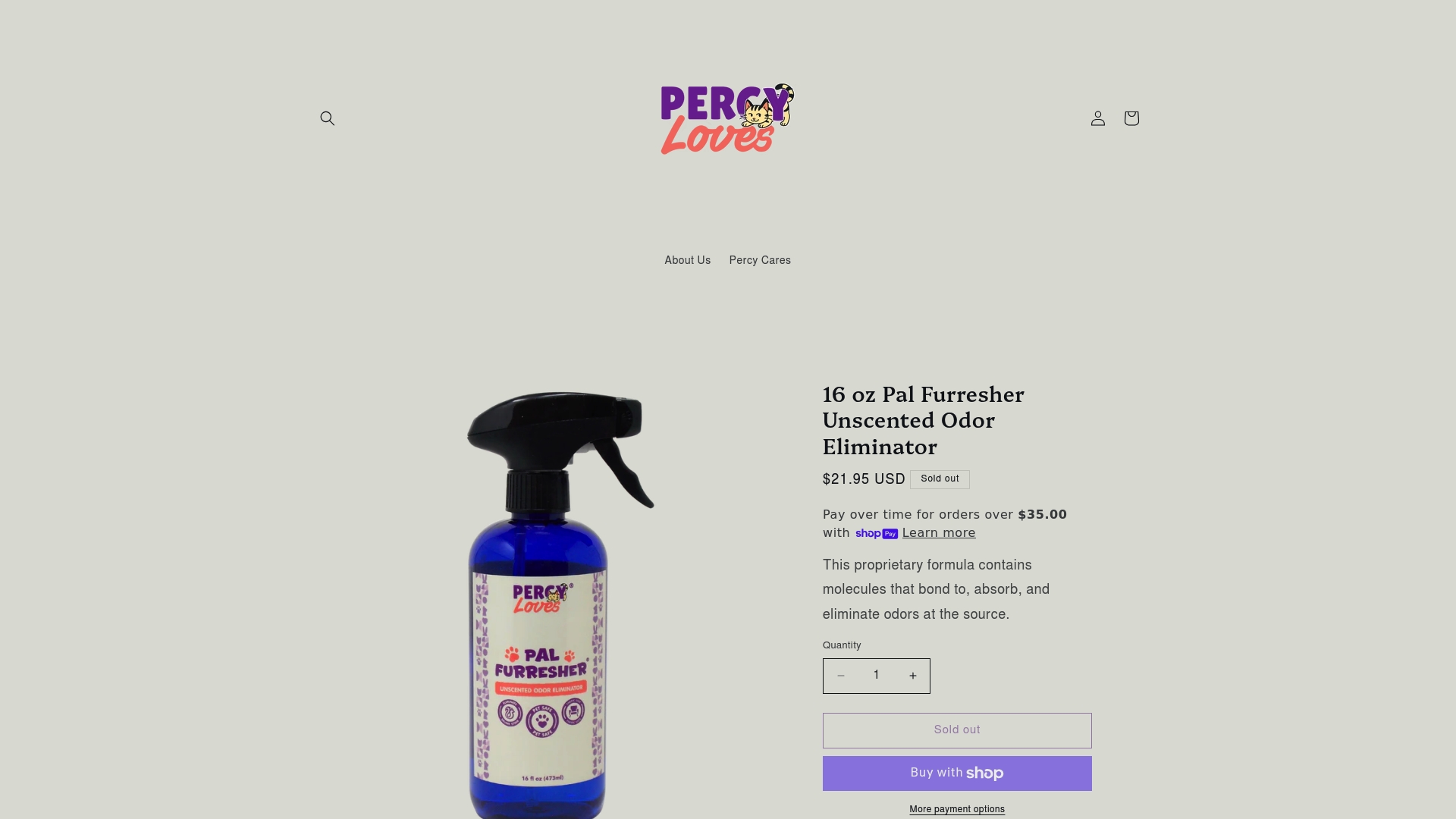
That is exactly why we created Pal Furresher. Percy, our real-life cat with a real funk problem, inspired this lick-safe, fragrance-free odor elimination spray. It does not just mask smells. It works at the source to completely eliminate them. No fragrance that could irritate sensitive noses. No ingredients that make you nervous when your pet does what pets do and licks everything. It is built for the conscientious pet parent who refuses to compromise on safety. Pick up the 4 oz Pal Furresher for everyday use or grab the 16 oz size for maximum coverage around your home. Because a fresh, safe home is part of fur baby care too.
Frequently asked questions
What is the difference between fur baby care and basic pet ownership?
Fur baby care means treating pets with family-level attention by covering emotional bonding and comprehensive routines including nutrition, grooming, enrichment, and wellness. Basic ownership covers food and shelter, but fur baby care goes well beyond survival needs.
How often should I take my fur baby to the vet?
Puppies and kittens need check-ins every 3 to 4 weeks until four months old, then annually for adults and every 6 months for seniors, based on established veterinary benchmarks.
Can I use human cleaning or grooming products on my pet?
No. Always choose items specifically labeled for pets, because veterinarians recommend pet-labeled products to avoid skin irritation or toxicity from ingredients that are unsafe when licked or absorbed.
Does treating pets as ‘fur babies’ risk harming their welfare?
It can. Veterinarians warn about overtreatment tied to fur baby culture, where anthropomorphism leads to unnecessary interventions. Balancing love with species-appropriate care keeps your pet truly healthy and happy.


