

Essential pet care tips for happier, healthier cats 2026
Caring for your cat should feel simple, not stressful. But with so many products on shelves and conflicting advice online, it is easy to feel lost. What actually keeps your cat clean, comfortable, and odor-free? The humans at Percy Loves have put together this practical guide to help you cut through the noise. From brushing routines to litter box habits and safe product choices, every tip here is grounded in evidence and built for real cat owners. You will walk away with clear, actionable steps and the confidence to build a hygiene routine your cat will actually tolerate.
Table of Contents
- Brush your cat regularly: Prevent matting and hairballs
- Baths: When and how to wash your cat safely
- Nail trimming and scratching posts: Essential for safety and comfort
- Litter box hygiene: Master daily, weekly, and monthly routines
- Safe product use: Flea, tick, and grooming products every cat owner needs
- Our take: Why minimal intervention can maximize cat health
- Safe solutions for odor-free cat care
- Frequently asked questions
Key Takeaways
| Point | Details |
|---|---|
| Routine grooming | Brushing and nail trimming help prevent matting, hairballs, and injuries. |
| Safe product use | Always use cat-specific products and vet guidance to avoid toxic exposures. |
| Litter box hygiene | Regular cleaning keeps your home fresh and your cat healthy. |
| Minimal intervention | Cats thrive with gentle, evidence-based care rather than frequent, unnecessary routines. |
| Situational adjustments | Senior, obese, or long-haired cats need more support and tailored hygiene routines. |
Brush your cat regularly: Prevent matting and hairballs
Brushing is one of the most important things you can do for your cat’s health. It removes loose fur, prevents painful mats, and reduces the hairballs your cat hacks up on your favorite rug. Regular brushing is essential for cat hygiene: weekly for short-haired cats and daily for long-haired breeds.
Not all brushes are created equal. Always use tools designed specifically for cats. Avoid brushes with harsh metal bristles or grooming gloves with loose seams that can snag skin. A slicker brush or a wide-tooth comb works well for most coat types. For long-haired cats, a dematting comb can be a lifesaver.
Here is what to look for during every grooming session:
- Skin redness or flaking that could signal allergies or irritation
- Hidden wounds or scabs tucked under the fur
- Flea dirt (tiny black specks near the base of the tail)
- Unusual lumps or bumps that were not there before
- Discharge around the eyes, ears, or nose
Brushing is not just about fur. It is a full wellness check. You can learn more about cat grooming techniques that make the process easier and more effective for both of you. Consistent sessions also help you catch odor issues early, so you can eliminate cat odors before they take over your home.
Pro Tip: Treat every brushing session as a mini health exam. Note any new smells, changes in coat texture, or spots your cat suddenly does not want you to touch. Early detection makes a big difference.
According to cat grooming routines guidance from the RSPCA, regular grooming also strengthens the bond between you and your cat. That is a bonus worth 5 beans in our book.
Baths: When and how to wash your cat safely
Here is the truth: most healthy cats do not need baths. They are remarkably efficient self-groomers. However, there are situations where a bath becomes necessary.
You should consider bathing your cat when:
- They have gotten into something sticky, greasy, or toxic
- They are a long-haired breed prone to matting or soiling
- They are a senior cat who has slowed down on self-grooming
- They are overweight and physically cannot reach all areas
Baths are rarely needed for healthy cats, except for sticky messes or grooming-challenged cats. When you do bathe, always use a cat-specific, mild shampoo. Never reach for human shampoo, baby wash, or dog products. The pH levels are completely different, and what is gentle for you can be harsh or toxic for your cat.
Overbathing strips cats’ natural oils, causing dry skin, irritation, and a dull coat over time.
For everyday spot cleaning, fragrance-free pet wipes are a much safer option than frequent full baths. They are gentle, quick, and do not disrupt your cat’s skin barrier. You can find more guidance on pet cleaning safety to make sure every product you use meets the right standard. Also check out these safe pet product tips before you stock your grooming kit.
For flea-related bathing, always review flea and tick product safety guidelines before using any medicated shampoo.
Pro Tip: If your cat hates baths (most do), try a damp washcloth for spot cleaning. It is less stressful for your cat and still gets the job done.
Nail trimming and scratching posts: Essential for safety and comfort
Good grooming habits go beyond fur and baths. Nail care is a critical part of keeping your cat comfortable and your furniture intact. Nail trimming every 2 to 3 weeks keeps claws blunt and reduces damage to skin, furniture, and other pets.
Here is how to trim your cat’s nails safely:
- Choose the right tool. Use cat-specific nail clippers or a small scissor-style trimmer. Avoid human nail clippers, which can split the claw.
- Find a calm moment. Trim when your cat is relaxed or sleepy, not right after playtime.
- Expose the claw gently. Press the toe pad lightly to extend the nail.
- Cut only the tip. Avoid the pink area called the quick. Cutting into it causes pain and bleeding.
- Reward immediately. A treat right after each paw builds positive association fast.
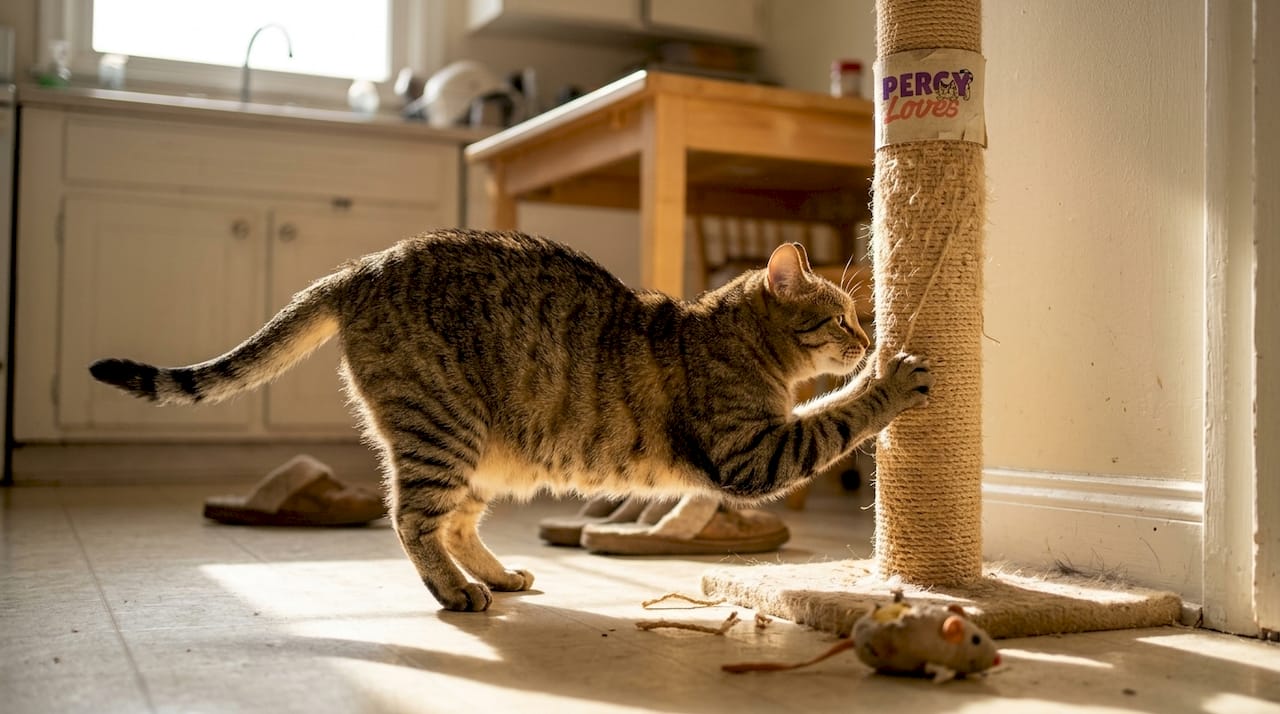
Scratching posts are just as important. Cats scratch to stretch, mark territory, and shed old nail layers. Providing a sturdy post protects your couch and supports your cat’s natural behavior. Introduce new posts gradually. Sprinkle a little catnip on the post or dangle a toy nearby to encourage use.
You can explore more cat grooming tips and review pet safety standards to make sure your tools and routines meet the mark. For a broader overview, the cat care basics page from the ASPCA is a solid reference.
Pro Tip: If trimming your cat’s nails feels overwhelming, ask your vet or a professional groomer to show you the technique in person. One hands-on lesson is worth more than ten how-to videos.
Litter box hygiene: Master daily, weekly, and monthly routines
A clean litter box is non-negotiable. It keeps your home smelling fresh, your cat healthy, and litter box avoidance problems at bay. Scoop daily, deep clean weekly, and do a full litter change monthly for best results. Use unscented clumping litter to avoid fragrance irritation, and follow the N+1 rule: one box per cat, plus one extra.
| Routine | Frequency | Best practice |
|---|---|---|
| Scooping | Daily (twice for multi-cat homes) | Remove clumps and solid waste |
| Box washing | Weekly | Mild, unscented soap and warm water |
| Full litter change | Monthly | Replace all litter, scrub the box |
| Box replacement | Every 1 to 2 years | Plastic absorbs odors over time |
Placement matters too. Keep boxes in quiet, low-traffic spots. Cats will avoid a box near loud appliances or heavy foot traffic.
Watch for these signs of litter box aversion:
- Eliminating outside the box on floors or soft surfaces
- Hovering or crying while using the box
- Frequent trips with little output (possible urinary issue)
- Avoiding the box entirely after a new litter or location change
If you notice any of these, start by ruling out a medical cause with your vet. Then review your litter box cleaning routines and consider switching to odor-free hygiene practices. For a full breakdown of pet-safe home tips, we have got you covered.
Safe product use: Flea, tick, and grooming products every cat owner needs
Product safety is where a lot of well-meaning cat owners make costly mistakes. The wrong product can cause serious harm, even if it looks harmless on the label.
Monthly flea and tick preventives are essential, even for indoor cats. Fleas can hitch a ride on your clothes or shoes. Always use vet-prescribed formulas. Over-the-counter options vary widely in safety and effectiveness.
Never use dog or human products on cats. This includes flea treatments, shampoos, and even toothpaste. Many contain ingredients like permethrin or xylitol that are toxic to cats.
| Product type | Safe for cats | Notes |
|---|---|---|
| Cat-specific flea preventive | Yes | Vet-prescribed only |
| Dog flea treatment | No | Can cause neurological damage |
| Cat-formulated shampoo | Yes | Mild, pH-balanced |
| Human or baby shampoo | No | Wrong pH, potential irritants |
| Fragrance-free odor spray (lick safe) | Yes | Safe for daily use around cats |
Watch for these signs of product toxicity in your cat:
- Drooling or foaming at the mouth
- Tremors or muscle twitching
- Vomiting or diarrhea shortly after product use
- Lethargy or disorientation
- Skin redness or hair loss at the application site
If you see any of these, contact your vet immediately. For a deeper look at non-toxic product tips and pet cleaning safety, we have resources ready for you. And always cross-check with flea and tick safety tips before starting any new preventive.
Our take: Why minimal intervention can maximize cat health
Here is something we genuinely believe at Percy Loves: more is not always better when it comes to cat care. We see a lot of owners who bathe their cats every week, layer on multiple grooming products, and still wonder why their cat seems stressed or has irritated skin. The answer is often too much intervention, not too little.
Cats self-groom remarkably well, and experts differ on how much additional grooming is actually needed. Your job is to support what your cat already does naturally, not replace it.
Annual vet exams and watching for subtle changes support long-term health far more than daily product use.
The best routine is a consistent one. Gentle brushing, safe products, a clean litter box, and regular vet checkups cover 95% of what your cat needs. Stick to the basics, watch for changes, and trust your cat’s biology. You can revisit our full cat hygiene guide anytime you want a quick refresher.
Safe solutions for odor-free cat care
Ready to simplify your routine? At Percy Loves, we built our products around one idea: safe, effective care for cats who are basically family. Our unscented odor eliminator Pal Furresher is fragrance-free, lick safe, and works at the source of the odor instead of masking it with perfume. Percy himself inspired it, because funk is real and it deserved a real solution.

Whether you need a travel-friendly 4 oz bottle or a larger supply, our odor eliminator options have you covered. Pal Furresher fits right into the hygiene routines you just built. Spray it on bedding, litter box areas, or anywhere your cat leaves a little too much of themselves behind. Visit Percy Loves to explore everything we offer for clean, happy, odor-free homes.
Frequently asked questions
How often should I brush my cat to prevent matting?
Brush short-haired cats weekly and long-haired cats daily to prevent matting and reduce the amount of hair your cat swallows during self-grooming.
What type of litter box setup is best for multiple cats?
Follow the N+1 rule: one box per cat plus one extra. Place boxes in quiet locations and scoop at least twice daily in multi-cat homes.
Are flea and tick products safe for cats?
Only when they are cat-specific and vet-prescribed. Dog and human flea products contain ingredients that can be seriously toxic to cats.
Do senior or obese cats need special hygiene routines?
Yes. Older or overweight cats may struggle to reach all areas during self-grooming, so they need more hands-on help. Watch for changes in mobility and body condition as they age.
How do I know if a pet care product is safe for my cat?
Check that the label says cat-specific, avoid anything formulated for dogs or humans, and always consult your vet before introducing a new product into your cat’s routine.


