

Safe pet products guide: expert non-toxic care tips 2026
Safe pet products guide: expert non-toxic care tips 2026
You scan the label and see ‘non-toxic’ printed boldly on your dog’s new toy. Relief washes over you, but should it? The term ‘non-toxic’ on pet products carries no federal regulation or standardized testing requirement. Many items marketed as safe contain harmful chemicals like phthalates, lead, or volatile organic compounds that slowly compromise your pet’s health. This guide arms you with knowledge to identify genuinely safe products through certifications, material awareness, and smart shopping practices that protect your furry family member from hidden dangers.
Table of Contents
- Understanding The Pet Product Safety Gap
- Choosing Safe Materials In Pet Toys And Products
- Heavy Metals In Pet Foods And Toxic Cleaning Products To Avoid
- Special Considerations: Vulnerable Pets And Safe Usage Guidelines
- Protect Your Pet With Trusted Odor Eliminators From Percy Loves
- Frequently Asked Questions About Safe Pet Products
Key takeaways
| Point | Details |
|---|---|
| Unregulated claims | ‘Non-toxic’ labels lack federal oversight, allowing misleading marketing on pet products. |
| Certification matters | Look for OEKO-TEX, ASTM F963, and GOTS standards to verify genuine safety testing. |
| Material awareness | Avoid PVC, phthalates, BPA, and lead in toys; choose natural rubber and organic cotton. |
| Food safety | Dry pet foods contain heavy metals up to 21 times higher than human food standards. |
| Cleaning hazards | Bleach, phenols, and certain essential oils in household cleaners pose serious pet risks. |
Understanding the pet product safety gap
The pet product industry operates with minimal federal oversight regarding chemical safety. Unlike children’s toys, which must meet Consumer Product Safety Commission standards, pet products face no mandatory toxin testing before reaching store shelves. This regulatory vacuum allows manufacturers to slap ‘non-toxic’ claims on packaging without scientific validation or third-party verification.
Research reveals the extent of this problem. Studies show that 78% of dog toys contain potentially harmful chemicals including heavy metals, phthalates, and flame retardants. Your dog chews these toys daily, ingesting microscopic particles that accumulate in their system over time. The consequences range from hormonal disruption to organ damage, yet most pet owners remain unaware of these risks.
Common misleading claims you’ll encounter:
- ‘Natural’ ingredients without disclosure of synthetic additives
- ‘Eco-friendly’ materials that still contain plasticizers
- ‘Veterinarian approved’ without specifying which vet or testing protocol
- ‘Safe for pets’ based solely on manufacturer assessment
Industry self-regulation has proven insufficient. Without mandatory pre-market testing, dangerous products circulate freely until enough pets suffer adverse reactions to trigger recalls. By then, countless animals have already been exposed. You need strategies beyond trusting label claims.
The absence of federal standards means pet owners must become their own safety inspectors, relying on independent certifications and material knowledge to protect their animals.
Understanding pet cleaning safety in 2026 extends beyond toys to every product touching your pet’s environment. Creating a comprehensive pet safety checklist helps you systematically evaluate each item in your home. The burden shouldn’t fall on consumers, but until regulations tighten, vigilance remains your best defense.
Choosing safe materials in pet toys and products
Material selection determines whether a toy enhances or endangers your pet’s life. Safe options include natural rubber, which resists bacterial growth and withstands aggressive chewing without splintering. Food-grade silicone offers similar durability with added flexibility. Organic cotton and hemp provide soft textures for plush toys without pesticide residues that conventional cotton carries.
Dangerous materials lurk in budget-friendly options. PVC (polyvinyl chloride) releases toxic chlorine gas when chewed and often contains phthalates as softening agents. These chemicals disrupt endocrine function, affecting reproduction and development. BPA in hard plastics mimics estrogen, causing hormonal imbalances. Lead, still found in some imported toys, damages nervous systems even at low exposure levels.
| Safe Materials | Materials to Avoid | Why It Matters |
|---|---|---|
| Natural rubber | PVC plastic | Releases toxic chlorine and phthalates when chewed |
| Food-grade silicone | Products with BPA | Disrupts hormones and reproductive health |
| Organic cotton | Lead-based paints | Causes neurological damage at any exposure level |
| Hemp fiber | Formaldehyde treatments | Respiratory irritant and carcinogen |
| Untreated wood | Synthetic fragrances | Triggers allergies and respiratory distress |
The ASTM F963 standard, designed for children’s toys, provides useful safety benchmarks for pet products. This certification tests for heavy metals, sharp edges, and small parts that pose choking hazards. While not pet-specific, toys meeting this standard undergo rigorous evaluation. OEKO-TEX certification verifies textiles are free from harmful substances, testing for over 100 regulated and non-regulated chemicals.
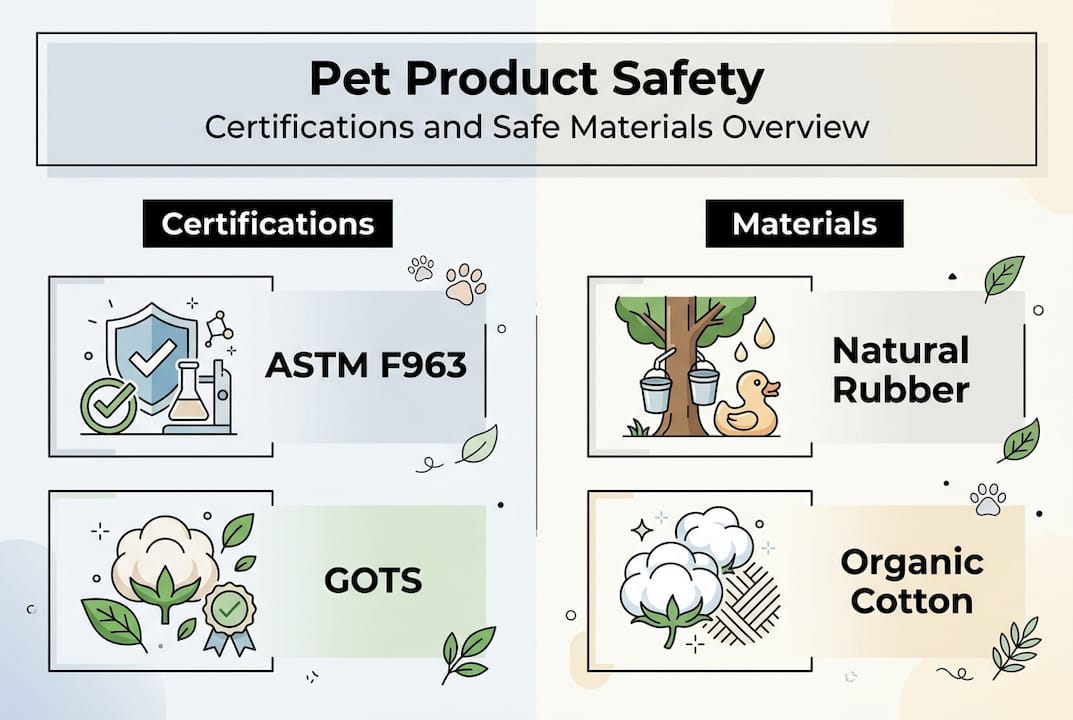
GOTS (Global Organic Textile Standard) certification guarantees organic fiber content and prohibits toxic dyes and finishes. When you see these certifications, you’re buying products that passed independent laboratory testing, not just manufacturer promises. Verification gives you confidence that making your home pet-safe involves products meeting legitimate safety criteria.
Pro Tip: Check toy seams and stitching quality before purchase. Poor construction allows stuffing or squeakers to escape, creating choking hazards regardless of material safety. Inspect regularly for wear and discard damaged items immediately.
Prioritizing pet care safety and well-being means investing in quality over quantity. One certified safe toy that lasts months beats a dozen cheap alternatives that expose your pet to toxins. Read labels carefully, research unfamiliar certifications, and contact manufacturers with specific questions about testing protocols.
Heavy metals in pet foods and toxic cleaning products to avoid
Your pet’s food bowl might contain more danger than you realize. Independent testing reveals that dry dog food contains heavy metals including lead, mercury, cadmium, and arsenic at levels up to 21 times higher than California’s maximum allowable dose level for human consumption. These metals accumulate in organs over time, causing kidney damage, neurological problems, and increased cancer risk.
Fresh and frozen pet foods show significantly lower contamination levels. Processing methods for kibble, including high-heat extrusion and ingredient sourcing from contaminated soils, concentrate heavy metals. Rotating between fresh-cooked options and carefully selected dry foods reduces cumulative exposure. Choose brands that publish third-party testing results and source ingredients from regions with strict agricultural standards.
| Heavy Metal | Health Impact | Dry Food Levels | Fresh Food Levels |
|---|---|---|---|
| Lead | Neurological damage, anemia | 3-6 ppb average | 0.5-1 ppb average |
| Arsenic | Cancer, skin lesions | 2-4 ppb average | 0.3-0.8 ppb average |
| Mercury | Kidney damage, tremors | 1-3 ppb average | 0.2-0.5 ppb average |
| Cadmium | Bone disease, kidney failure | 2-5 ppb average | 0.4-0.9 ppb average |
Household cleaning products present immediate toxicity risks. Bleach, phenols, quaternary ammonium compounds, sodium lauryl sulfate, and certain essential oils cause serious poisoning in pets. Cats are particularly vulnerable because they lack certain liver enzymes needed to metabolize these chemicals. Dogs may tolerate slightly higher exposures, but both species suffer respiratory distress, chemical burns, and organ damage from common cleaners.
Toxic cleaning ingredients to eliminate from your home:
- Bleach and chlorine compounds causing respiratory burns and skin irritation
- Phenols found in disinfectants leading to liver toxicity in cats
- Quaternary ammonium compounds triggering asthma and skin allergies
- Ammonia creating respiratory distress and eye damage
- Pine oil and tea tree oil causing tremors and liver failure
- Artificial fragrances linked to hormone disruption
Symptoms of cleaning product poisoning include excessive drooling, vomiting, difficulty breathing, lethargy, and seizures. Cats groom themselves constantly, ingesting residues from floors and surfaces they walk across. Even products marketed as ‘pet-friendly’ may contain problematic ingredients. Read every label and research unfamiliar chemical names before using any cleaner in your home.
Pro Tip: Create a rotation schedule for your pet’s protein sources to minimize exposure to contaminants concentrated in specific ingredients. Switch between chicken, beef, fish, and lamb every few months. For cleaning, choose products specifically formulated for homes with pets, or make simple solutions using white vinegar and baking soda.
Implementing a dog safe home cleaning guide protects your pet from daily chemical exposure. Combine this with safe pet wellness and odor control strategies that eliminate odors without toxic fragrances. Your cleaning routine should enhance health, not compromise it.
Special considerations: vulnerable pets and safe usage guidelines
Puppies and senior pets require extra safety measures beyond standard product selection. Young animals explore their world through mouthing, increasing ingestion risk. Their developing organs process toxins less efficiently than adult systems. Senior pets with compromised kidney or liver function struggle to eliminate chemicals that younger, healthy animals might tolerate. Toy size and texture must match your pet’s life stage to prevent choking and dental damage.
Flavored medications pose a unique danger. Pills designed to taste like treats tempt pets to consume entire bottles if accessible. Oclacitinib, a common allergy medication, causes severe overdose symptoms including vomiting, lethargy, and acute kidney injury at toxic doses. Store all medications in secure cabinets, never in easily opened containers on countertops. Administer the prescribed dose directly rather than leaving pills where curious pets might find them.
Consult your veterinarian before introducing new products to vulnerable pets. Animals with existing health conditions, pregnant or nursing mothers, and those taking medications may react unpredictably to substances healthy pets tolerate. Your vet can review ingredient lists and advise on potential interactions or contraindications specific to your pet’s medical history.
Safe product selection and monitoring steps:
- Research certifications and read independent reviews before purchasing any pet product.
- Introduce one new item at a time to identify the source if adverse reactions occur.
- Supervise initial interactions with toys, beds, or treats to assess safety and interest.
- Inspect products weekly for damage, wear, or deterioration that creates new hazards.
- Remove and replace items showing signs of breakdown before pieces become ingestible.
- Document any unusual behaviors or symptoms appearing after product introduction.
- Contact your veterinarian immediately if you observe vomiting, lethargy, or breathing changes.
Pro Tip: Watch for subtle behavioral changes indicating product sensitivity. Excessive scratching might signal skin irritation from a new bed’s fabric treatment. Reduced appetite could mean nausea from toy chemicals transferred to paws and then ingested during grooming. Early intervention prevents minor issues from becoming serious health crises.
Integrating these practices into your pet family lifestyle and safety routine creates multiple protective layers. No single strategy eliminates all risks, but combining careful selection, ongoing monitoring, and professional guidance minimizes your pet’s toxic exposure throughout their life.
Protect your pet with trusted odor eliminators from Percy Loves
Maintaining a fresh home shouldn’t mean exposing your pet to harmful fragrances or harsh chemicals. Percy Loves understands that truly safe odor elimination requires effective formulas without toxic ingredients. Our unscented odor eliminator products work at the molecular level to neutralize pet odors rather than masking them with synthetic fragrances that irritate respiratory systems.
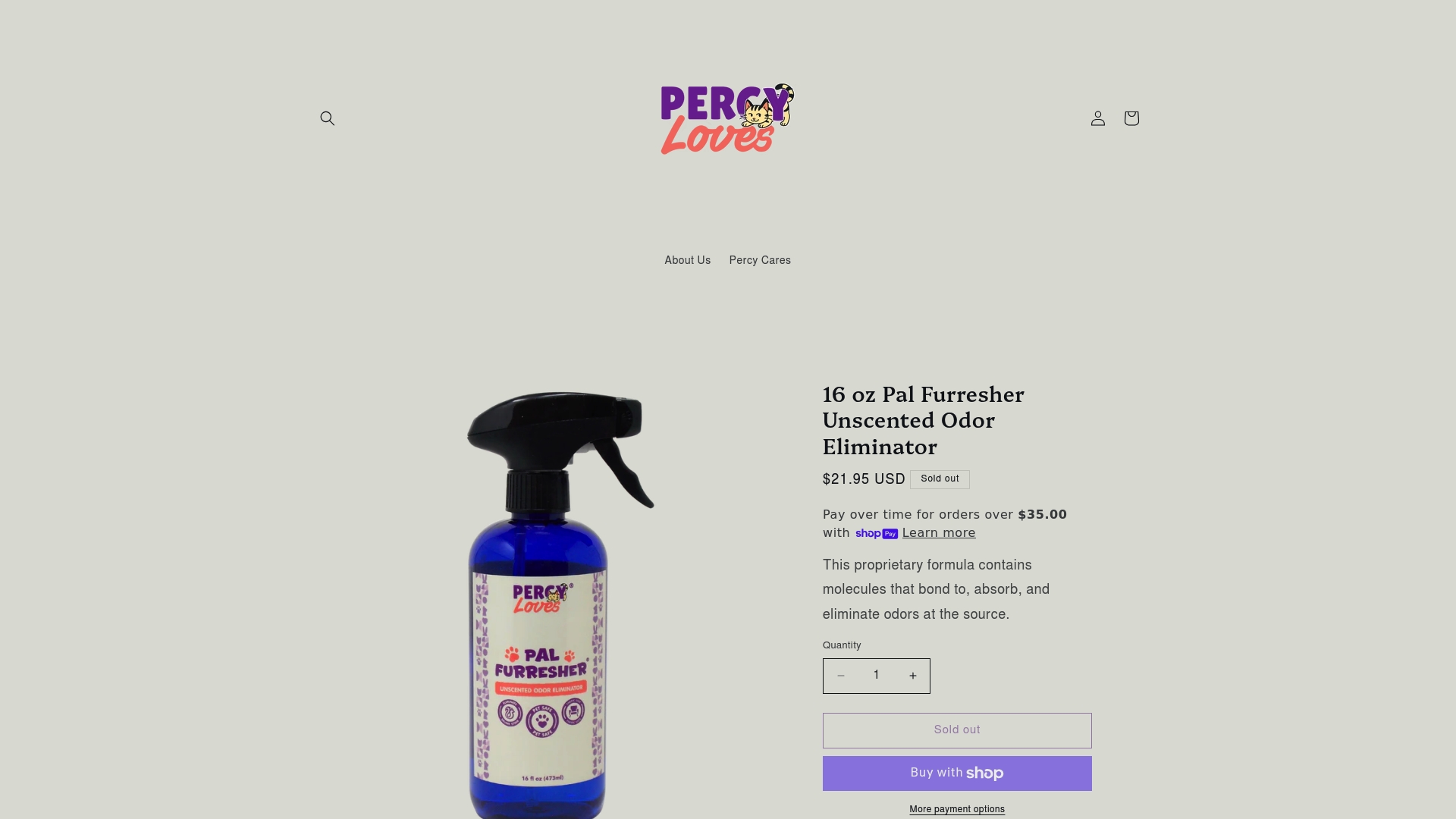
The Pal Furresher formula is lick safe, giving you peace of mind when your cat or dog grooms areas you’ve treated. Available in convenient sizes including our 4 oz odor eliminator for targeted applications, these products align with the safety principles outlined throughout this guide. Visit Percy Loves to explore solutions that prioritize your pet’s health while keeping your home smelling clean and fresh.
Frequently asked questions about safe pet products
What does ‘non-toxic’ actually mean on pet product labels?
‘Non-toxic’ carries no legal definition or federal testing requirement for pet products. Manufacturers self-apply this term based on their own criteria, which may exclude dangerous chemicals not on their evaluation list. Always look for third-party certifications like OEKO-TEX or ASTM F963 that verify independent laboratory testing rather than trusting unregulated marketing claims.
Which certifications guarantee pet product safety?
OEKO-TEX Standard 100 tests textiles for over 100 harmful substances. ASTM F963 evaluates toys for heavy metals, sharp edges, and choking hazards. GOTS certification ensures organic textiles without toxic dyes or finishes. Products bearing these marks underwent rigorous independent testing, providing significantly more assurance than items with only manufacturer safety claims.
How can I reduce my pet’s chemical exposure at home?
Replace conventional cleaners with pet-safe alternatives or simple vinegar and baking soda solutions. Choose toys made from natural rubber, organic cotton, or food-grade silicone rather than PVC or treated plastics. Rotate between fresh and carefully selected dry pet foods to minimize heavy metal accumulation. Store medications securely and inspect products regularly for damage that creates new hazards.
Should I switch from dry to fresh pet food entirely?
Fresh and frozen foods typically contain lower heavy metal levels than dry kibble, but complete dietary changes require veterinary guidance. Some pets have specific nutritional needs best met through prescription dry foods. Consider rotating between high-quality fresh options and dry foods from brands publishing third-party testing results. This approach balances contamination reduction with nutritional requirements and budget considerations.
When should I consult my vet about product toxicity concerns?
Contact your veterinarian immediately if your pet shows vomiting, excessive drooling, difficulty breathing, lethargy, or seizures after exposure to any product. Schedule a consultation before introducing new items to pets with existing health conditions, pregnant or nursing animals, or those taking medications. Your vet can review ingredient lists and advise on potential interactions specific to your pet’s medical history. For ongoing guidance, explore our comprehensive safe pet product guide for additional safety strategies.


