

Pet Safety Checklist: 33% Lack Emergency Plans Risking Pets
Nearly 1 in 3 pet owners do not have an emergency plan, exposing their cats and small animals to unnecessary risk during disasters or household accidents. Experienced pet parents understand hygiene matters, yet many overlook comprehensive safety protocols covering identification, home hazards, and effective odor control without toxic chemicals. This checklist delivers actionable steps to protect your pets through emergency preparedness, pet-proofing, safe product selection, and situational strategies tailored to cats and small mammals.
Table of Contents
- Selection Criteria For Pet Safety Products And Preparedness
- Emergency Preparedness And Planning
- Identification And Tracking Solutions
- Home Safety And Pet-Proofing
- Safe Product Use For Odor Control And Hygiene
- Summary Comparison Of Pet Safety Solutions
- Situational Recommendations For Different Pet Owner Needs
- Enhance Your Pet Safety With Percy Loves Solutions
- Frequently Asked Questions
Key Takeaways
| Point | Details |
|---|---|
| Emergency kits | Include at least 3 days of food, water, medications, and comfort items to reduce stress during evacuations. |
| Identification methods | Combine microchips, collar tags, and QR-coded options to maximize recovery chances if pets become lost. |
| Home pet-proofing | Eliminate toxic plants, secure cords, and use safety gates to prevent common household injuries. |
| Safe odor control | Choose only fragrance-free products that neutralize odors at the source without chemical harm. |
| Tailored strategies | Adapt safety measures based on pet species, household setup, and local disaster risks for optimal protection. |
Selection Criteria for Pet Safety Products and Preparedness
Choosing the right safety and hygiene products for cats and small animals requires evaluating several critical factors. Safety and non-toxicity top the list because cats and rabbits groom themselves constantly, ingesting anything on their fur or paws. A product marketed as “safe” means nothing if it contains fragrances or harsh chemicals your pet will lick minutes after application.
Effectiveness determines whether a product genuinely eliminates odors and maintains hygiene or simply masks problems temporarily. You need solutions that target odor sources directly rather than layering scents over funk. Ease of use and accessibility ensure you maintain consistent routines, because complicated products get abandoned quickly.
Emergency preparedness capability matters when selecting items for your disaster kit. Products must store well, remain effective during power outages, and integrate seamlessly with evacuation protocols. Compatibility with your specific pet’s needs, including species sensitivities and behavioral quirks, ensures optimal results without stress or harm.
- Pro Tip: Test new pet safety products in small areas first to observe your pet’s reaction before full application, and always check safe pet care product certifications.
With selection criteria established, we’ll now explore how to prepare for emergencies effectively through a well-planned kit and evacuation strategy.
Emergency Preparedness and Planning
Assembling a comprehensive emergency kit protects your pets during natural disasters, evacuations, or sudden household emergencies. Essential items include at least 3 days of food and water in airtight containers, all current medications, veterinary records, a sturdy leash or carrier, and sanitation supplies like litter or puppy pads. Store food and water in waterproof containers to prevent spoilage during floods or humidity.
Include a portable litter box and familiar comfort items such as favorite toys or blankets to reduce stress. Nearly 30% of pets exhibit stress-related behaviors during evacuations, making familiar objects essential for emotional stability. Pack a recent photo of you with your pet for identification purposes if you become separated.
Create evacuation plans identifying multiple pet-friendly shelters or trusted contacts who can house your animals temporarily. Having diverse options reduces the risk of leaving pets behind when primary plans fail. Practice evacuation drills with your pets so they associate carriers with safety rather than fear.
Carry updated medical records and ownership documentation in waterproof sleeves within your kit. Regularly updating this documentation improves response efficacy in veterinary emergencies and temporary boarding situations. Include proof of vaccinations, especially rabies certificates, as many shelters require current immunization records.
“Emergency preparedness reduces panic and saves lives. Your pet depends on your planning because they cannot prepare themselves.”
- Pro Tip: Rotate food and water supplies every six months, updating medications before expiration dates, and store your emergency kit in an accessible location known to all household members.
Having covered preparation essentials, the next step is ensuring your pet can be properly identified and tracked if separated or lost.
Identification and Tracking Solutions
Proper identification dramatically increases recovery chances when pets become lost during emergencies or escape from home. Microchipping offers permanent identification that cannot fall off or fade, significantly improving reunification rates after disasters. However, microchips require current registration with accurate contact information to function effectively.
Traditional collar tags provide immediate visibility to anyone who finds your pet, displaying your phone number and address at a glance. The downside is limited information space and the risk of collars breaking or slipping off during stress. Tags work best as a first line of identification but should never be your only method.
QR-coded ID tags bridge the gap between traditional tags and microchips by offering scannable access to detailed contact information, medical needs, and multiple emergency contacts through smartphones. Anyone with a camera phone can instantly access your pet’s profile, though this method depends on the finder having technology and willingness to scan.
Combining all three methods maximizes recovery chances because different situations favor different identification types. A collar tag helps neighbors recognize your pet immediately, a microchip proves ownership at shelters, and QR codes provide emergency contacts with medical information. Regularly verify and update all identification details, especially after moves or phone number changes.
| Identification Method | Permanence | Information Capacity | Recovery Speed | Cost |
|---|---|---|---|---|
| Microchip | Permanent (requires updates) | Moderate (linked database) | Moderate (shelter scanning) | One-time ($50-$75) |
| Collar Tag | Temporary (can be lost) | Limited (name, number) | Fast (immediate visibility) | Low ($10-$20) |
| QR-Coded Tag | Semi-permanent (tag-dependent) | High (linked profile) | Fast (smartphone scanning) | Moderate ($20-$40) |
- Pro Tip: Photograph your pet every few months to document current appearance, markings, and any distinguishing features, then store these images with your emergency preparedness materials.
With reliable identification in place, create a safer home environment by eliminating hazards and pet-proofing effectively.
Home Safety and Pet-Proofing
Creating a pet-safe home environment prevents daily injuries and reduces emergency risks for cats and small animals. Common hazards include ingestion of toxic plants like lilies or philodendrons, access to cleaning chemicals and medications, and unsecured electrical cords that invite chewing. Secure all cords along baseboards or within protective covers to prevent electrocution injuries.

Remove or relocate toxic plants to areas completely inaccessible to curious pets, or replace them with pet-safe alternatives like spider plants or Boston ferns. Store household chemicals, medications, and small objects that pose choking hazards in locked cabinets rather than under sinks where determined pets can access them. Small animals like rabbits and ferrets are particularly adept at squeezing into tight spaces to reach forbidden items.
Use safety gates to restrict access to dangerous areas like garages, workshops, or rooms with exposed wiring. Secure trash cans with locking lids because food waste, packaging, and discarded items cause intestinal blockages requiring emergency surgery. Check that all windows have secure screens and that balcony railings have no gaps wide enough for small pets to slip through.
Consider installing pet monitoring cameras with two-way audio to supervise pets remotely, reducing separation anxiety while allowing you to intervene if dangerous behaviors occur. Many modern cameras include treat dispensers that reward calm behavior and provide enrichment during long absences. Frequently inspect your environment for new hazards as seasons change, furniture moves, or household projects introduce temporary risks.
- Pro Tip: Conduct monthly safety walkthroughs from your pet’s eye level, looking for dangling cords, accessible toxins, or escape routes you might miss from standing height, and review pet-proofing fundamentals regularly.
Beyond physical safety, maintaining hygiene without exposing pets to harmful substances is critical, so next we examine safe odor control and cleaning products.
Safe Product Use for Odor Control and Hygiene
Maintaining hygiene in homes with cats and small animals requires products specifically designed to be fragrance-free. Pets groom themselves constantly, ingesting whatever residues remain on their fur, paws, or bedding after cleaning. Fragrance-free sprays like Pal Furresher safely neutralize pet odors without toxic risk by targeting odor sources at the molecular level rather than masking smells with perfumes.
Target odor sources directly by identifying where funk originates, whether from litter boxes, bedding, or favorite lounging spots, then applying safe products specifically to those areas. Masking odors with scented products creates layered smells that often worsen the problem while exposing pets to respiratory irritants and potential toxins through grooming. Safe products maintain hygiene without endangering pets via licking or grooming because they contain no harsh chemicals, artificial fragrances, or residues.
Read ingredient labels carefully to avoid products containing phenols, essential oils, or synthetic fragrances, all of which pose serious health risks to cats whose livers cannot process certain compounds. Even “natural” products can be dangerous if they contain concentrated plant oils marketed as safer alternatives.
Regular cleaning routines coupled with safe products prevent buildup of odors and bacteria that contribute to respiratory issues and infections. Establish weekly schedules for washing bedding, cleaning litter areas, and spot-treating high-use zones with proven odor control solutions. Consistency matters more than intensity because frequent light cleaning prevents problems better than occasional deep cleaning with harsh chemicals.
- Pro Tip: Keep emergency cleaning supplies in your disaster kit, choosing only products you’ve already tested at home to maintain hygiene during evacuations without introducing new stressors.
Now that you know how to choose and apply safe products, we summarize and compare all key safety solutions for quick reference.
Summary Comparison of Pet Safety Solutions
Comparing safety solutions across categories helps you evaluate options quickly and build comprehensive protection for your pets. Emergency kits vary in completeness, with basic versions covering only food and water while comprehensive kits include medications, comfort items, and documentation. The most effective kits anticipate stress by including familiar toys and blankets alongside practical supplies.
| Safety Category | Key Features | Pros | Cons | Effectiveness Rating |
|---|---|---|---|---|
| Emergency Kit (Basic) | 3 days food/water, carrier | Low cost, easy to assemble | Missing comfort items, limited duration | Moderate |
| Emergency Kit (Comprehensive) | 3+ days supplies, meds, records, comfort items | Complete protection, stress reduction | Higher cost, requires updates | High |
| Microchip ID | Permanent subcutaneous chip | Cannot be lost, permanent | Requires registration updates, not visible | High |
| Collar Tag ID | Visible name and phone number | Immediate identification, low cost | Can fall off, limited information | Moderate |
| QR-Coded Tag | Scannable detailed profile | Rich information, updateable | Requires smartphone, technology dependent | High |
| Home Pet-Proofing | Secured hazards, safety gates, monitoring | Prevents daily injuries, peace of mind | Initial time investment, ongoing vigilance | High |
| Scented Odor Products | Fragrance masks odors temporarily | Pleasant smell for humans, widely available | Toxic to pets, ineffective long-term | Low (unsafe) |
| Odor Eliminators | Fragrance-free molecular neutralization | Safe for pets, effective source elimination | May cost more than conventional products | High |
Identification methods excel when layered together, with microchips providing permanent backup to visible collar tags and technology-enabled QR codes. Home safety measures deliver the highest return on investment by preventing injuries that lead to expensive emergency veterinary visits. Odor control products split sharply between unsafe scented options and effective alternatives that protect pet health while maintaining hygiene.
With the comparison complete, finally we guide you to tailor your pet safety checklist based on your pet type and living situation for maximum effectiveness.
Situational Recommendations for Different Pet Owner Needs
Tailoring safety measures to your specific situation ensures maximum effectiveness and reduces wasted effort on irrelevant precautions. Different pet species, household configurations, and geographic risks require adjusted approaches.
-
Indoor cats prone to stress: Prioritize odor eliminators for maintaining clean environments without respiratory irritants, and invest in monitoring cameras with treat dispensers to reduce separation anxiety during absences.
-
Small mammals (rabbits, guinea pigs, ferrets): Focus intensely on thorough home pet-proofing because these animals chew everything and squeeze into impossibly small spaces, and build species-specific emergency kits including appropriate carriers and comfort items.
-
Disaster-prone areas (floods, wildfires, hurricanes): Emphasize comprehensive emergency preparedness with multiple evacuation routes, updated identification methods including microchips and collar tags, and waterproof document storage.
-
Multi-pet households: Adapt hygiene routines to handle increased odor challenges using safe, effective products applied consistently, and ensure emergency kits include separate supplies for each animal to prevent resource conflicts during stress.
-
Apartments or rentals: Select portable safety solutions that move easily, maintain strict odor control to protect security deposits, and verify pet-friendly evacuation locations in advance since options may be limited.
-
Senior or special needs pets: Include detailed medical information in identification systems, pack extra medications in emergency kits, and arrange backup care with individuals trained in your pet’s specific health requirements.
Regularly review and update your safety checklist to reflect changes in your pet’s health, household composition, or local risk factors. What worked for a young, healthy cat may need adjustment as your pet ages or develops medical conditions requiring specialized care.
Having equipped you with checklist criteria and tailored options, next is a brief promo connecting these insights to helpful Percy Loves products for pet safety and hygiene.
Enhance Your Pet Safety with Percy Loves Solutions
Building on these checklist insights, Percy Loves provides practical solutions to keep your pets safe, healthy, and comfortable at home. Our comprehensive pet care workflows guide you through implementing effective emergency and hygiene plans using products designed specifically for cats and small animals.
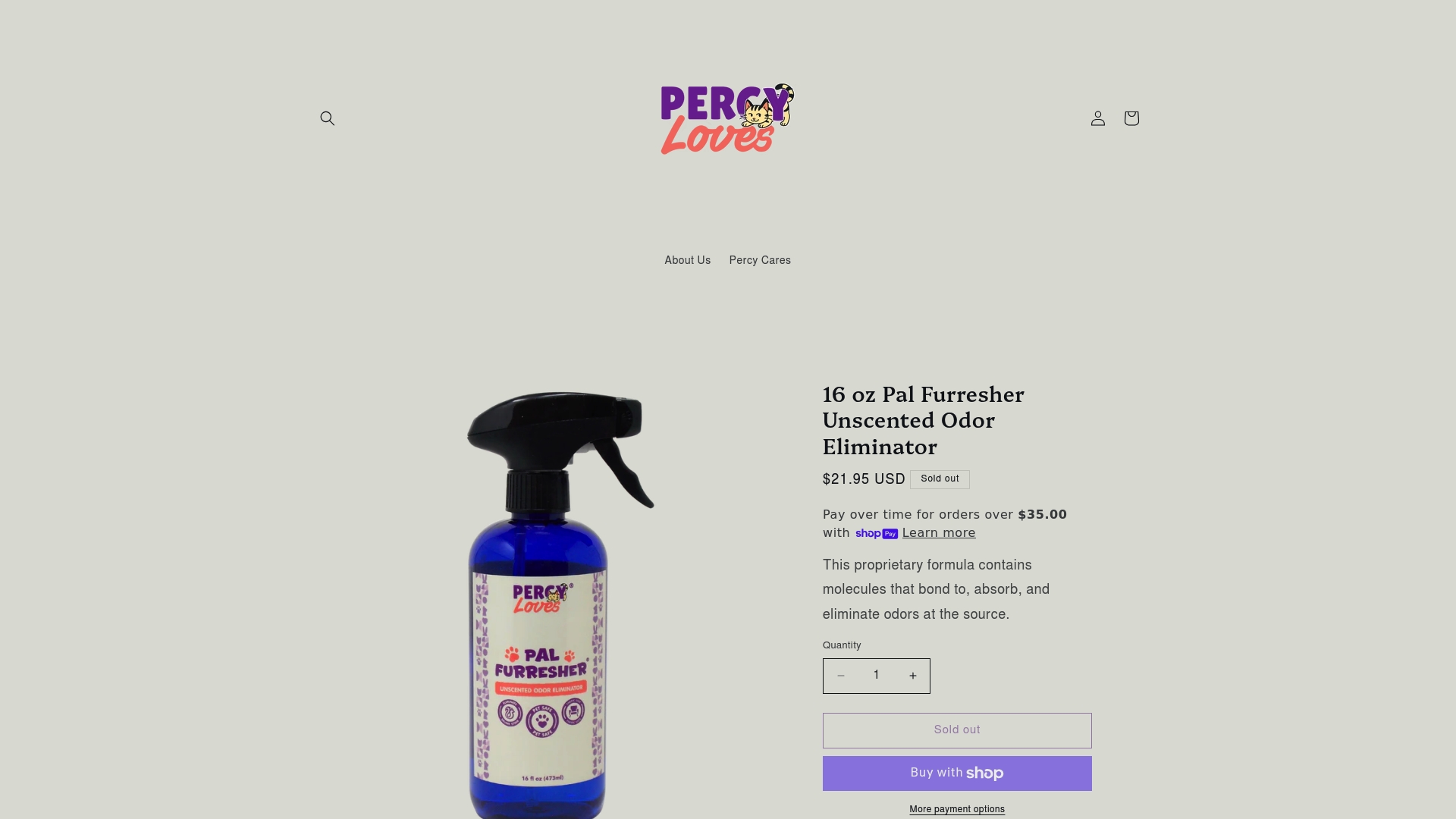
Explore our holistic pet family care approach that integrates safety, hygiene, and wellbeing into daily routines. Pal Furresher’s fragrance-free formula eliminates odors at the source without toxic risks, giving you confidence that your home stays fresh while your pets stay safe.
Frequently Asked Questions
What essential items should be included in a pet emergency kit?
Your emergency kit must contain at least 3 days of food and water in airtight containers, current medications with dosing instructions, veterinary records including vaccination proof, a sturdy carrier or leash, sanitation supplies, and comfort items like favorite toys or blankets. Include a recent photo of you with your pet and copies of ownership documentation in waterproof sleeves.
How often should I update my pet’s identification information?
Update identification information immediately after any change in phone number, address, or emergency contact, and verify all details every six months even without changes. Check that microchip registration remains current and that collar tags remain legible, replacing worn tags before information becomes unreadable.
Are scented odor sprays safe around cats and small animals?
No, scented sprays pose serious health risks because cats and small animals groom themselves constantly, ingesting whatever residues remain on fur or surfaces. Many fragrances contain compounds toxic to pets, particularly cats whose livers cannot process certain chemicals. Use only fragrance-free products specifically designed for pet environments.
What home hazards pose the greatest risk to indoor cats and small mammals?
Toxic plants like lilies, access to cleaning chemicals and medications, unsecured electrical cords inviting chewing, and small objects causing choking or intestinal blockages top the risk list. Unsecured windows and balconies, open toilet bowls, and accessible trash cans also create serious dangers requiring immediate pet-proofing.
How can I reduce my pet’s stress during emergency evacuations?
Include familiar comfort items like favorite toys and blankets in your emergency kit, practice evacuation drills regularly so carriers become associated with positive experiences, and maintain calm energy during actual emergencies since pets mirror human anxiety. Consider calming aids recommended by your veterinarian for particularly anxious animals.
Recommended
- Pet Family Care Definition: Impact on Modern Pet Homes – Percy Loves
- Master Pet Care Workflow 2026 for Odor-Free Homes – Percy Loves
- Percy Cares – Percy Loves
- Percy Loves
- Pet Safety Checklist for Happy, Healthy Pets at Home – Pawfect Picks


