

Dog safe home cleaning guide: protect your pet in 2026
You spray down counters, mop floors, and wipe surfaces to keep your home fresh. But while your cleaning routine removes dirt and grime, it might be silently harming your dog. Common household cleaners contain chemicals that pose serious risks to pets, yet most owners remain unaware of which products are safe. This guide cuts through the confusion, showing you exactly how to clean effectively while protecting your furry family member from toxic exposure.
Table of Contents
- Understanding Why Dogs Are Vulnerable To Cleaning Chemicals
- Common Hazardous Cleaning Ingredients To Avoid Around Dogs
- Certification And Labeling: How To Choose Pet-Safe Cleaning Products
- DIY Dog-Safe Cleaning Solutions You Can Make At Home
- Common Misconceptions About Natural And Pet-Safe Cleaners
- Best Practices For Safe Cleaning Product Use And Storage In Homes With Dogs
- Recognizing And Responding To Cleaning Product Poisoning In Dogs
- Safe Odor Control For Homes With Dogs
Key takeaways
| Point | Details | |-------|---------|| | Dogs face higher exposure risk | Their floor-level breathing, sensitive noses, and paw licking behaviors increase chemical ingestion and inhalation. | | Common cleaners contain toxins | Bleach, ammonia, and artificial fragrances cause respiratory distress, skin burns, and systemic poisoning in dogs. | | Certifications verify safety | Third-party pet-safe labels reduce toxic exposure risk by up to 95% when properly verified. | | DIY solutions work effectively | Vinegar, baking soda, and hydrogen peroxide clean without harmful residues or harsh fumes. | | Quick response saves lives | Recognizing poisoning symptoms early and contacting vets immediately improves survival outcomes dramatically. |
Understanding why dogs are vulnerable to cleaning chemicals
Your dog experiences your home differently than you do. Dogs are uniquely vulnerable to cleaning product toxicity because they inhale closer to the floor, have a highly sensitive nose, and frequently lick paws and fur, increasing ingestion risk.
Think about your dog’s typical day. They spend hours lying on freshly mopped floors, sniffing baseboards you just sprayed, and licking paws that walked through chemical residues. Chemical fumes settle and concentrate at floor level, exactly where your dog breathes. Their noses process scents 10,000 to 100,000 times more powerfully than yours, meaning even faint chemical odors overwhelm their respiratory systems.
Consider these vulnerability factors:
- Low breathing zone: Dogs inhale air directly above surfaces where cleaning chemicals pool and evaporate slowly.
- Hypersensitive olfactory system: Their powerful sense of smell means tiny amounts of airborne chemicals trigger intense reactions.
- Grooming habits: Constant paw and fur licking transfers surface residues directly into their digestive systems.
- Prolonged floor contact: Unlike humans who walk upright, dogs spend most of their time in direct contact with treated surfaces.
Their biology amplifies every exposure. When you spray a counter and wipe it down, you walk away. Your dog stays there, breathing concentrated fumes for hours. What seems like a quick cleaning task to you becomes an extended toxic exposure event for your pet.
“A dog’s world is built at ground level, where chemical vapors concentrate and linger long after cleaning. Their curious nature and grooming instincts turn routine cleaning into potential poisoning events.”
This combination of behaviors and anatomy creates a perfect storm for toxicity. Understanding these factors helps you see why switching to safer products isn’t optional, it’s essential for protecting your dog’s health.
Common hazardous cleaning ingredients to avoid around dogs
Now that you understand your dog’s vulnerability, you need to know which specific chemicals cause harm. Harsh chemicals like bleach, ammonia, and artificial fragrances cause respiratory irritation, skin burns, and systemic toxicity in dogs.
Bleach ranks as one of the worst offenders. This powerful disinfectant creates chlorine gas when it evaporates, triggering coughing fits, watery eyes, and breathing difficulties in dogs. Even diluted bleach leaves residues that burn sensitive paw pads and irritate skin. Many owners use bleach thinking it’s the only way to truly sanitize, but safer alternatives exist that kill germs without endangering pets.
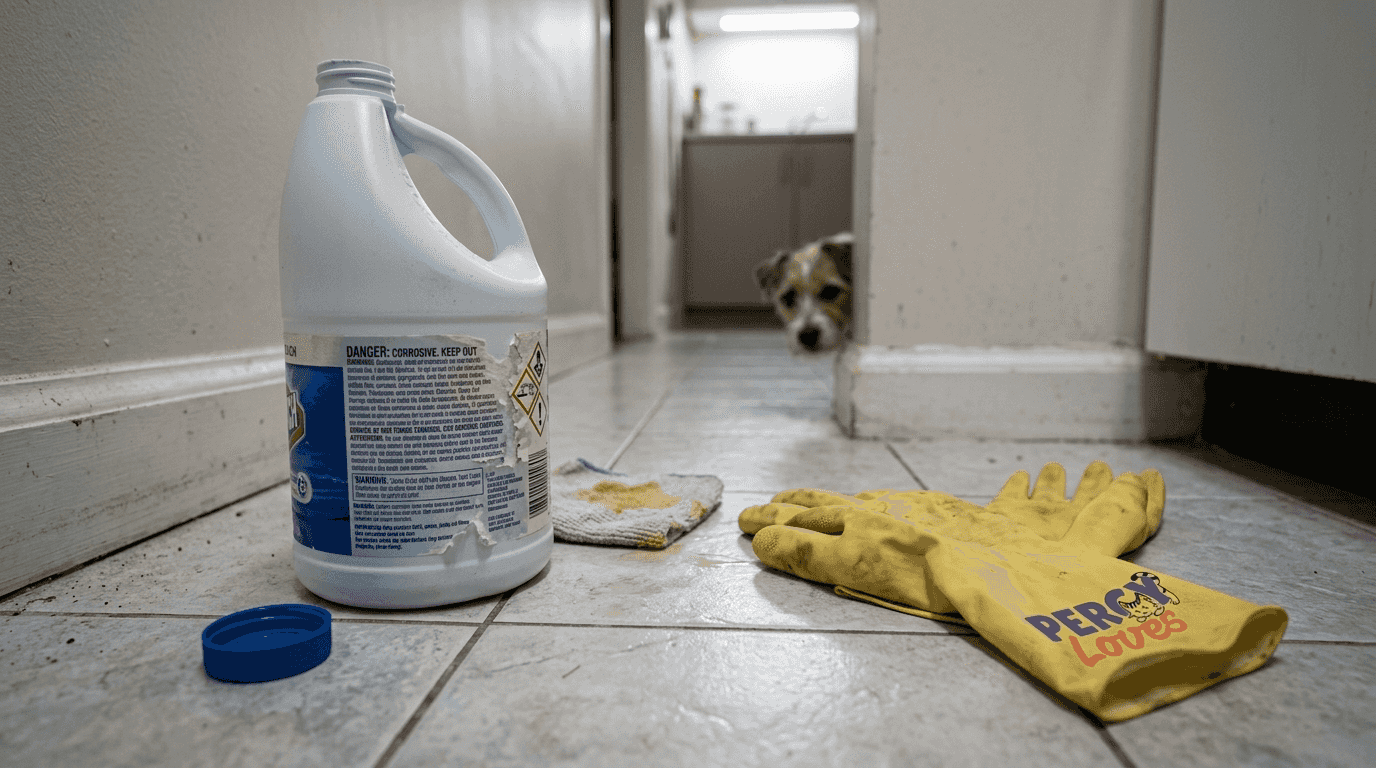
Ammonia presents equally serious dangers. Found in window cleaners, floor polishes, and all-purpose sprays, ammonia fumes cause immediate respiratory distress. Dogs exposed to ammonia often drool excessively, cough repeatedly, and develop inflamed airways. The sharp smell that seems “clean” to you signals danger to your dog’s hypersensitive nose.
Artificial fragrances deserve special attention because they hide in products marketed as “fresh” or “spring scented.” These synthetic compounds trigger allergy-like symptoms including sneezing, skin rashes, and breathing problems. Fragrance chemicals linger in air and on surfaces for hours, creating ongoing exposure even after cleaning ends.
Key toxic ingredients to eliminate:
- Chlorine bleach: Causes chemical burns, respiratory distress, and eye irritation even in small amounts.
- Ammonia compounds: Trigger excessive drooling, coughing, and lung inflammation from fume exposure.
- Phenols: Found in disinfectants, these cause liver damage and neurological symptoms in dogs.
- Formaldehyde: A preservative in some cleaners that irritates mucous membranes and airways.
- Synthetic fragrances: Complex chemical mixtures that cause allergic reactions and breathing difficulties.
- Glycol ethers: Solvents that damage red blood cells and kidneys with repeated exposure.
These chemicals don’t disappear immediately after use. Residues remain active on surfaces for 6 to 24 hours, continuing to pose risks each time your dog walks, lies down, or licks treated areas. Switching away from these ingredients dramatically reduces your dog’s toxic burden and protects their long-term health.
Certification and labeling: how to choose pet-safe cleaning products
After learning which ingredients to avoid, you need a reliable system for identifying safe alternatives. Pet-safe cleaning products certified with pet-friendly labels have undergone safety testing designed to ensure no harmful residues or vapors remain after cleaning.
Certifications provide third-party verification that companies can’t fake. Look for specific labels like “Certified Pet Safe,” “Pet Friendly,” or seals from recognized animal health organizations. These certifications mean independent laboratories tested the products around live animals and found no adverse reactions. Products bearing these marks reduce toxic exposure risk by up to 95% compared to conventional cleaners.
Don’t rely solely on front-of-package marketing claims. Phrases like “natural” or “eco-friendly” sound reassuring but lack standardized definitions. Companies use these terms freely without proving safety. Instead, flip bottles over and read ingredient lists carefully. Safe products list recognizable components like plant-based surfactants, mineral salts, and food-grade acids.
Effective shopping strategies:
- Verify certifications: Search certification names online to confirm they’re legitimate third-party organizations, not company-created badges.
- Read complete ingredient lists: Avoid products with long chemical names you can’t pronounce or identify.
- Check for disclosure: Trustworthy brands fully disclose all ingredients, including fragrances and preservatives.
- Research manufacturer reputation: Companies specializing in pet cleaning safety typically maintain higher standards.
- Compare active ingredients: Multiple brands may use the same safe cleaning agents at different price points.
Pro Tip: Before buying any new cleaner, test it on a small, inconspicuous area while keeping your dog away. Wait 24 hours and check for residue, strong lingering odors, or surface changes. If the test area passes inspection and your dog shows no reaction when reintroduced, the product is likely safe for broader use.
Combining certification verification with ingredient knowledge creates the strongest safety assurance. This dual approach helps you navigate marketing hype and identify genuinely safe products. Remember that pet wellness odor control extends beyond just cleaning to maintaining a fresh environment without chemical risks.
DIY dog-safe cleaning solutions you can make at home
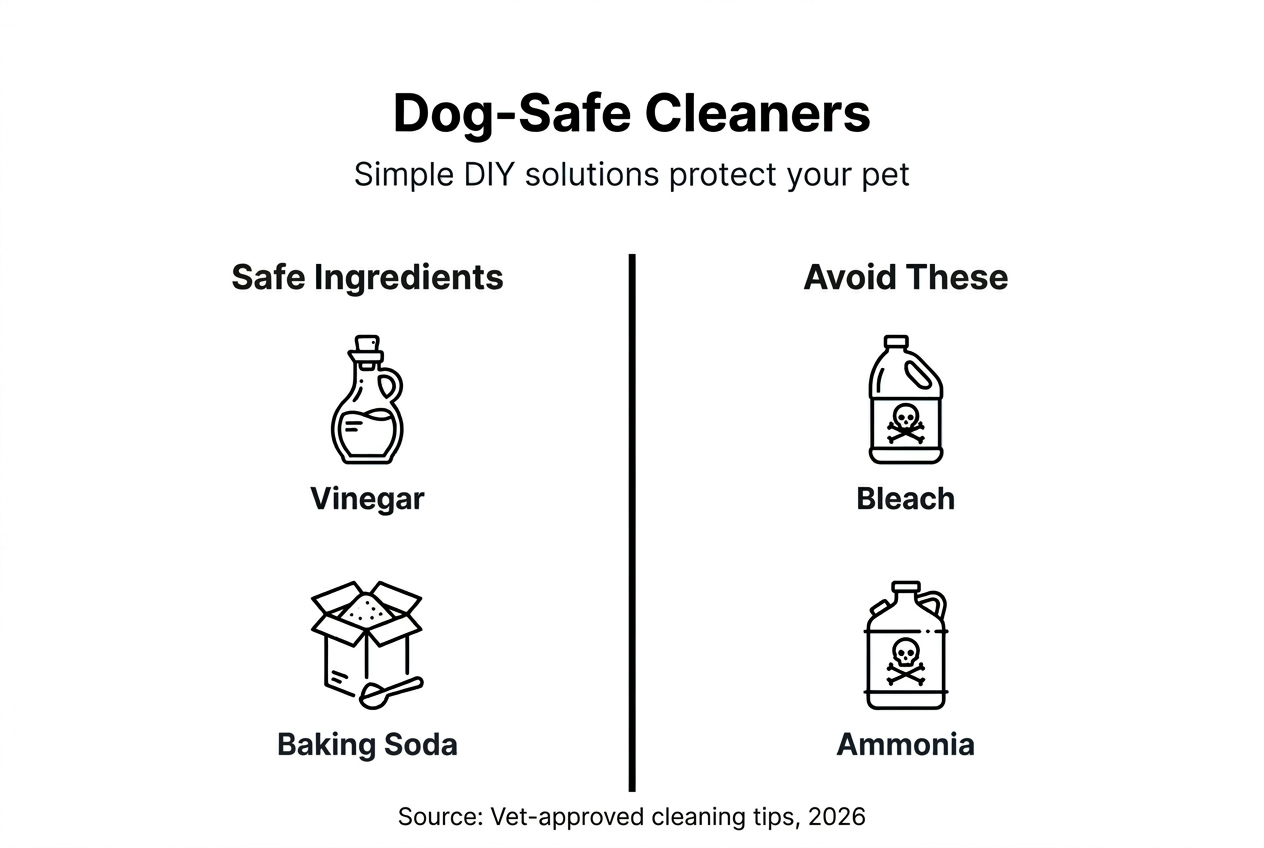
Commercial products aren’t your only option. DIY dog-safe cleaners using vinegar, baking soda, hydrogen peroxide, and lemon juice effectively clean and deodorize without toxic residues or harsh fumes.
These simple ingredients deliver powerful cleaning action through chemical reactions you can trust. Vinegar’s acetic acid cuts through grease and neutralizes odors naturally. Baking soda provides gentle abrasive scrubbing while absorbing smells. Hydrogen peroxide kills bacteria and removes tough stains through oxidation. Lemon juice adds antibacterial properties and leaves a fresh, natural scent dogs tolerate well.
Making your own cleaners saves money while giving you complete control over ingredients. You know exactly what touches your surfaces and what your dog breathes. Most recipes require just two or three components mixed in specific ratios for different cleaning tasks.
| Cleaning Task | Recipe | Instructions |
|---|---|---|
| All-purpose spray | 1 cup water + 1 cup white vinegar + 10 drops lemon juice | Mix in spray bottle, shake well, use on counters and appliances |
| Floor cleaner | 1 gallon warm water + 1/2 cup white vinegar | Mop as usual, no rinsing needed for sealed floors |
| Carpet deodorizer | 1 cup baking soda + 10 drops lemon juice | Sprinkle on carpet, wait 15 minutes, vacuum thoroughly |
| Stain remover | 2 cups hydrogen peroxide + 2 tablespoons baking soda | Apply to stain, let sit 5 minutes, blot and rinse |
| Glass cleaner | 1 cup water + 1 cup white vinegar + 1 tablespoon lemon juice | Spray and wipe with microfiber cloth for streak-free shine |
Step-by-step mixing process:
- Gather clean containers: Use glass spray bottles or jars to avoid chemical reactions with plastics.
- Measure ingredients precisely: Correct ratios ensure effective cleaning without waste.
- Combine liquids first: Add water or vinegar base before powders to prevent clumping.
- Mix thoroughly: Shake or stir for 30 seconds to fully integrate all components.
- Label clearly: Mark containers with contents and mixing date for safety.
- Store properly: Keep solutions in cool, dark places away from direct sunlight.
Pro Tip: Make small batches of DIY cleaners weekly rather than large quantities monthly. Fresh solutions maintain maximum cleaning power and reduce storage concerns. Mix only what you’ll use within seven days for best results.
These homemade options work as effectively as commercial products for routine cleaning while supporting pet family lifestyle safer odor control throughout your home. You eliminate toxicity risks without sacrificing cleanliness or freshness.
Common misconceptions about natural and pet-safe cleaners
You’ve learned about DIY solutions and certified products, but confusion still exists around what “natural” really means. Many dog owners wrongly assume all natural cleaners are safe; however, citrus essential oils cause respiratory irritation in 20 to 25% of sensitive dogs.
The “natural” label creates false confidence. Poison ivy is natural. So are rattlesnake venom and arsenic. Natural origin doesn’t guarantee safety, especially for animals with different metabolisms than humans. Marketing teams exploit this assumption, slapping “natural” on products containing ingredients that harm pets.
Essential oils represent the biggest misconception. Tea tree, eucalyptus, pine, and citrus oils appear in many natural cleaners marketed as eco-friendly alternatives. These concentrated plant extracts cause serious reactions in dogs including excessive drooling, vomiting, tremors, and breathing difficulties. Dogs lack enzymes needed to metabolize these compounds safely, so even small exposures accumulate in their systems.
Citrus-based cleaners deserve special scrutiny. Limonene and linalool, extracted from citrus peels, provide powerful degreasing action but trigger respiratory distress in sensitive dogs. The fresh orange or lemon scent appeals to humans while overwhelming canine noses. Many dogs develop chronic paw licking after walking on citrus-cleaned floors, signaling skin irritation from residues.
Debunking common myths:
- Myth: If it’s plant-based, it’s pet-safe.
- Reality: Many plants produce toxic compounds as natural defenses against predators.
- Myth: Unscented products contain no harmful chemicals.
- Reality: Masking agents can hide chemical odors without removing toxicity.
- Myth: Green or eco-friendly automatically means pet-safe.
- Reality: Environmental safety and pet safety address different concerns with different standards.
- Myth: Diluting essential oils makes them safe for dogs.
- Reality: Even diluted oils cause reactions in sensitive animals through accumulation over time.
Always verify ingredients and certifications regardless of natural claims. Research specific plant extracts and oils listed on labels. When in doubt, choose fragrance-free options formulated specifically for homes with pets. True pet safety requires testing and verification, not just natural sourcing.
Best practices for safe cleaning product use and storage in homes with dogs
Knowing safe products matters, but using them correctly matters just as much. Proper storage and use of cleaning products reduces accidental dog poisoning by 40%; ventilating during cleaning and rinsing surfaces are key safety steps.
Secure storage prevents the most common poisoning scenarios. Dogs are curious and surprisingly clever at accessing cabinets, closets, and garage shelves. A determined dog can knock over bottles, chew through plastic containers, and ingest concentrated chemicals within minutes. Elevated storage or locked cabinets eliminate this risk entirely.
Ventilation protects dogs from airborne chemical exposure during active cleaning. Open windows and doors create cross-breezes that push fumes outside instead of letting them settle at floor level. Running fans accelerates air exchange, reducing the time your dog breathes contaminated air. Even with pet-safe products, good ventilation remains important because concentrated vapors can irritate sensitive respiratory systems.
Thorough rinsing removes residues that pose ingestion risks. Many cleaners leave invisible films on surfaces after application. Your dog’s paws pick up these residues with every step, transferring chemicals to their mouth during grooming. A second pass with clean water eliminates this transfer pathway completely.
Essential safety practices:
- Lock away all cleaners: Store products in cabinets with childproof locks or on shelves at least six feet high.
- Ventilate actively: Open multiple windows and run fans during cleaning and for 30 minutes after.
- Confine dogs during cleaning: Keep pets in a separate room until surfaces dry and air clears completely.
- Rinse thoroughly: Wipe all cleaned surfaces with plain water after chemical application dries.
- Dispose of properly: Pour leftover solutions down drains immediately rather than storing in open containers.
- Check expiration dates: Old cleaners break down into more toxic compounds over time.
Pro Tip: Establish a cleaning schedule during times when your dog naturally stays in specific areas. If your dog naps in the bedroom every afternoon, clean main living spaces then. If they prefer the backyard in mornings, tackle indoor cleaning before they come inside. This timing reduces confinement stress while maintaining safety.
These habits become second nature quickly and provide layered protection. Even if you accidentally use a product with questionable ingredients, proper ventilation and rinsing minimize harm. Combining safe products with safe practices, including principles from dog grooming safety basics, creates the safest possible home environment for your pet.
Recognizing and responding to cleaning product poisoning in dogs
Despite your best efforts, accidents happen. Common poisoning symptoms include coughing, drooling, vomiting; 60% present respiratory symptoms; urgent veterinary care is necessary.
Early recognition saves lives. Poisoning symptoms appear quickly, often within 15 to 60 minutes of exposure. Your dog’s behavior changes noticeably, they seem uncomfortable, restless, or unusually lethargic. Trust your instincts when something feels wrong. Waiting to see if symptoms resolve on their own wastes critical treatment time.
Respiratory symptoms dominate most cleaning product poisonings because dogs inhale fumes before ingesting residues. Watch for rapid, shallow breathing, repeated coughing, or wheezing sounds. Your dog might paw at their nose or rub their face on furniture trying to relieve irritation. These signs indicate airway inflammation requiring immediate medical attention.
Gastrointestinal symptoms follow when dogs lick contaminated paws or surfaces. Excessive drooling signals nausea or mouth irritation. Vomiting and diarrhea show the body attempting to expel toxins. Severe cases progress to tremors, seizures, or collapse as chemicals enter the bloodstream and affect the nervous system.
Warning signs requiring immediate vet contact:
- Respiratory distress: Difficulty breathing, rapid panting, blue-tinged gums, or persistent coughing.
- Excessive drooling: Saliva dripping continuously or foaming at the mouth.
- Vomiting or diarrhea: Especially if repeated or containing blood.
- Skin reactions: Red, inflamed paw pads, rashes, or burns on skin contacted surfaces.
- Neurological symptoms: Tremors, seizures, loss of coordination, or unusual lethargy.
- Eye irritation: Red, watery eyes, squinting, or pawing at face.
Your response determines outcomes. Call your veterinarian or pet poison control hotline immediately when you suspect poisoning. Have the product label ready to read ingredients to the professional. Don’t induce vomiting unless specifically instructed, some chemicals cause more damage coming back up. Follow professional guidance exactly.
Keep emergency numbers posted on your refrigerator or saved in your phone. Pet Poison Helpline and ASPCA Animal Poison Control provide 24/7 expert consultation. Your vet’s emergency contact should be equally accessible. Minutes matter in poisoning cases, so eliminate time spent searching for contact information.
Prevention remains the best medicine, but knowing symptoms and response protocols protects your dog when prevention fails. Quick recognition and immediate professional help make the difference between full recovery and tragic outcomes.
Safe odor control for homes with dogs
You’ve learned how to clean safely, but what about keeping your home fresh between deep cleans? Maintaining a pleasant environment without harsh chemicals completes your pet-safe approach.
Percy Loves understands the challenge dog owners face balancing freshness with safety. Their unscented odor eliminator products work at the source of odors without masking them with fragrances that irritate respiratory systems. Unlike conventional air fresheners that simply cover smells with perfumes, these formulas break down odor-causing molecules completely.
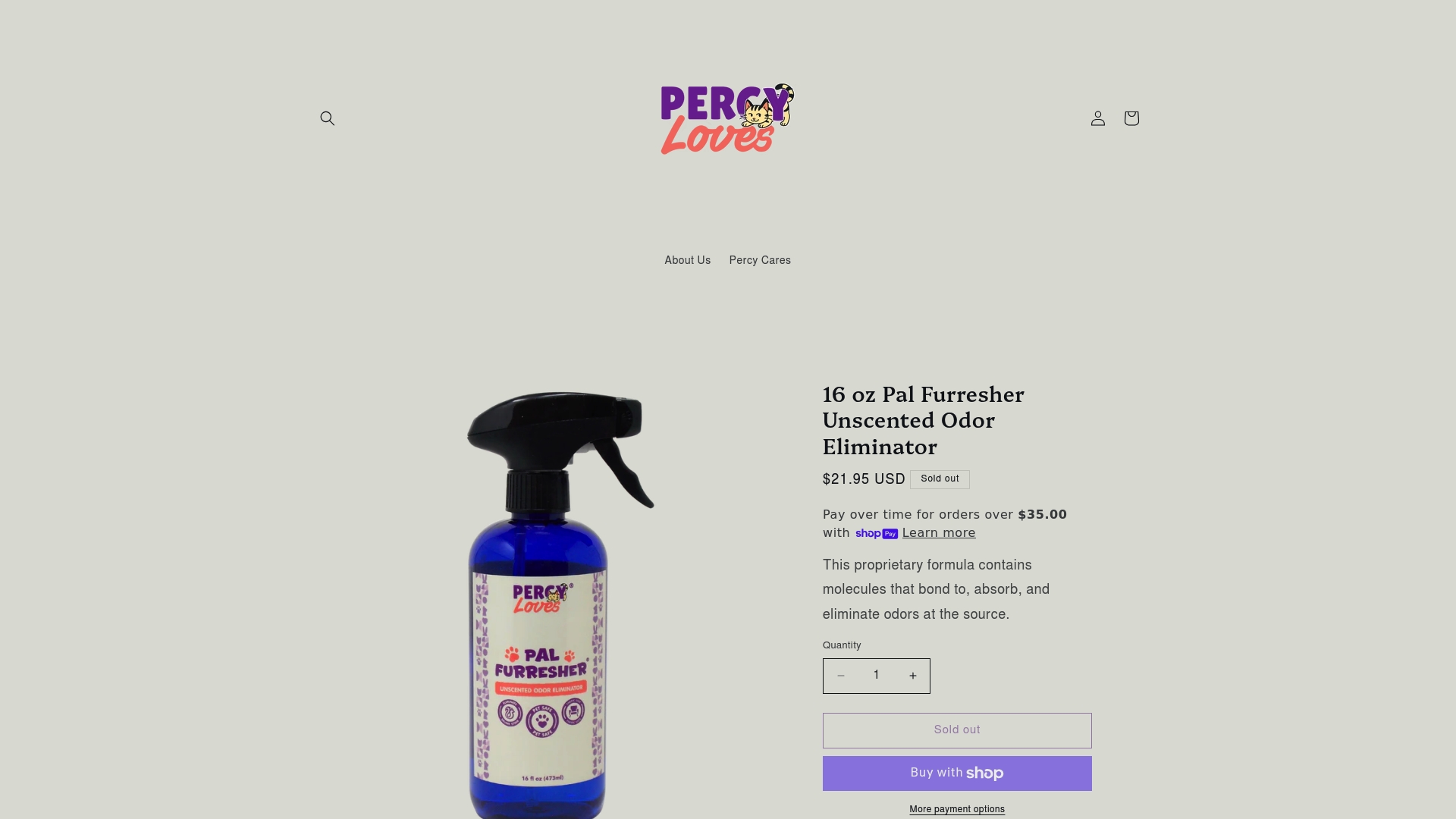
The fragrance-free formula protects dogs with sensitive noses and respiratory systems. Available in convenient 4 oz and 16 oz sizes, these odor eliminators fit naturally into the safe cleaning practices you’ve learned throughout this guide. They align perfectly with the pet-safe certification standards discussed earlier while providing the effectiveness busy dog owners need. Keep your home fresh and your dog safe with solutions designed specifically for families who prioritize both cleanliness and pet health.
FAQ
What ingredients in common cleaners are most harmful to dogs?
Bleach, ammonia, and artificial fragrances top the hazard list. These substances cause respiratory irritation, skin burns, and systemic toxicity even in small concentrations. Phenols, formaldehyde, and glycol ethers also pose serious risks through inhalation and skin contact.
Are all natural or organic cleaners safe for dogs?
No, natural doesn’t guarantee pet safety. Citrus essential oils, tea tree oil, and pine-based cleaners contain compounds toxic to dogs despite plant origins. Always verify ingredients and certifications rather than trusting natural marketing claims alone.
How can I safely store cleaning products in a home with dogs?
Keep all cleaners in locked cabinets or on shelves at least six feet high. Ensure containers remain tightly sealed and clearly labeled. Store products in their original containers to maintain safety information accessibility during emergencies.
What are early signs of cleaning product poisoning in dogs?
Watch for coughing, excessive drooling, vomiting, and difficulty breathing. Sixty percent of cases show respiratory symptoms first, followed by gastrointestinal distress. Immediate veterinary attention dramatically improves recovery outcomes when poisoning occurs.


