

Dog grooming safety basics: protect your pet in 2026
Many dog owners grab their own shampoo for bath time, unaware it can harm their pet’s skin. Safe grooming isn’t just about cleanliness; it’s about preventing injuries, reducing stress, and building trust with your dog. This guide covers breed-specific needs, safe handling techniques, proper tool use, injury prevention, and health monitoring to keep your dog comfortable and safe.
Table of Contents
- Understanding Your Dog’s Grooming Needs
- Safe Handling And Restraint Techniques
- Choosing And Using Grooming Tools Safely
- Recognizing And Preventing Common Grooming Injuries
- Integrating Health Checks Into Grooming
- Common Misconceptions About Grooming Safety
- Practical Step-By-Step Safe Grooming Routine
- Explore Safe Grooming Products From Percy Loves
- FAQ
Key takeaways
| Point | Details |
|---|---|
| Match tools to coat type | Use breed-appropriate brushes and clippers to prevent skin irritation and cuts. |
| Secure dogs gently | Adjustable grooming loops or harnesses prevent sudden movements that cause injuries. |
| Monitor stress signals | Watch for panting, whining, or trembling and pause grooming when needed. |
| Check health during grooming | Use grooming time to spot lumps, redness, ticks, or unusual skin changes early. |
| Avoid common mistakes | Never use human shampoo or cut mats with scissors near skin. |
Understanding your dog’s grooming needs
Your dog’s coat type dictates which tools and techniques will keep grooming safe and effective. Using the right grooming tools significantly reduces skin irritation and discomfort. Long-haired breeds need slicker brushes to work through tangles without pulling, while short-haired dogs benefit from bristle brushes that distribute natural oils. Double-coated breeds require undercoat rakes to remove loose fur without damaging the topcoat.
Grooming frequency depends on multiple factors beyond just coat length. Active dogs that spend time outdoors need more frequent baths and brushing to remove dirt and prevent matting. Dogs with sensitive skin or anxiety may require shorter, more frequent sessions rather than lengthy grooming marathons. Some breeds shed seasonally and need intensive brushing during those periods, while others maintain consistent coat growth year round.
Customize your approach based on your dog’s unique traits:
- Assess coat texture (wiry, silky, curly, or straight) to select appropriate brushes
- Consider skin sensitivity when choosing shampoos and brushing pressure
- Factor in your dog’s temperament and past grooming experiences
- Adjust session length based on attention span and comfort level
- Account for age-related changes in coat quality and skin condition
For comprehensive guidance on maintaining your dog’s overall wellness, explore dog care tips 2026 reduce obesity boost health to complement your grooming routine.
Safe handling and restraint techniques
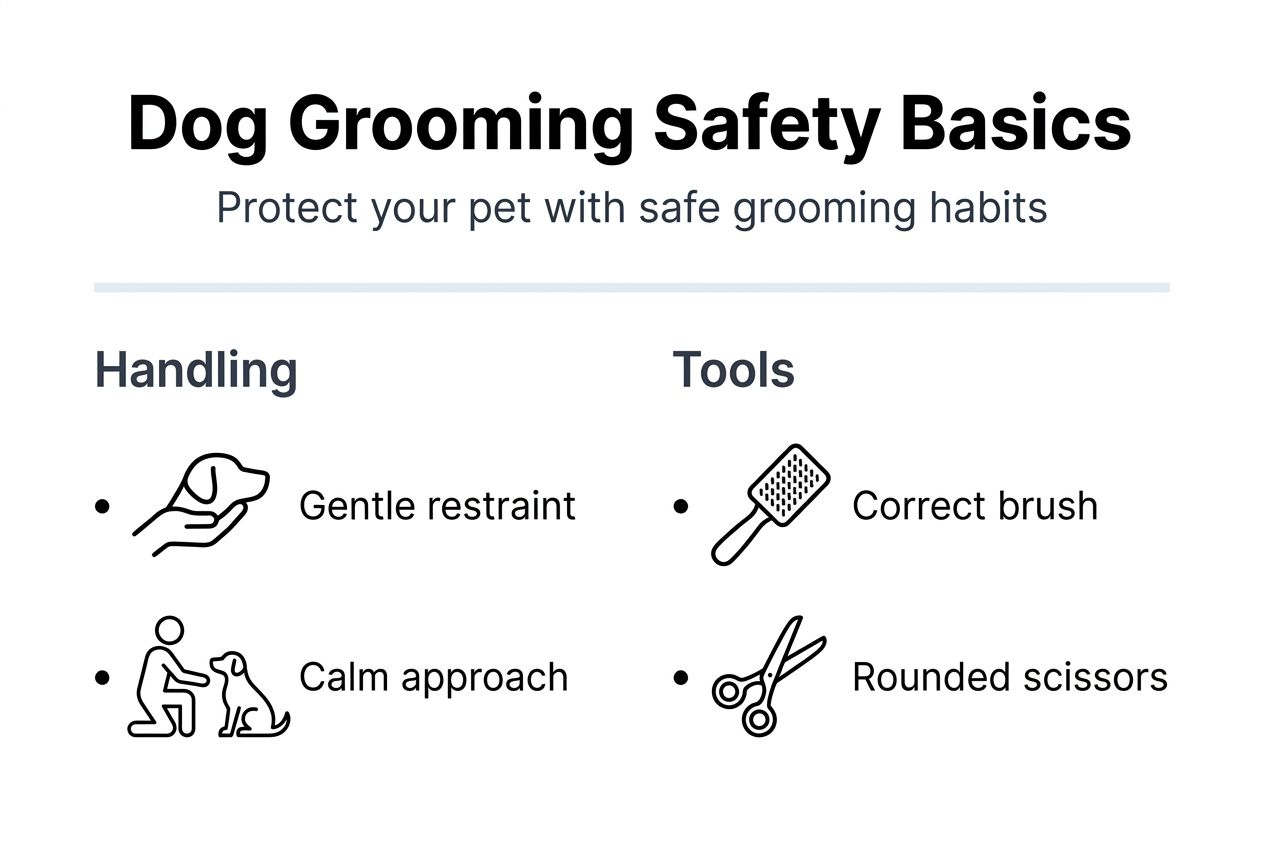
Proper restraint using grooming loops prevents dog movement that leads to injury during grooming. These adjustable tools secure your dog without causing discomfort or restricting breathing. Position the loop around your dog’s neck and attach it to a stable grooming table or arm, leaving enough slack for natural head movement but preventing sudden jumps or turns.
Create an environment that minimizes anxiety before you begin. Choose a quiet room away from household traffic and loud noises. Place non-slip mats on grooming surfaces so your dog feels secure and confident. Keep all tools within reach to avoid leaving your dog unattended while secured.
Recognize distress signals immediately:
- Excessive panting or drooling indicates rising stress levels
- Whining, growling, or attempts to bite signal fear or pain
- Rigid body posture or trembling shows extreme discomfort
- Avoidance behaviors like turning away or pulling back
- Dilated pupils or whale eye (showing whites of eyes)
Pro Tip: Practice restraint techniques during calm moments before actual grooming sessions. Let your dog get comfortable with the grooming loop while offering treats and praise, building positive associations that make future sessions smoother.
For additional strategies on maintaining a stress-free grooming experience, visit safe pet grooming explained keep pets clean odor free for complementary techniques.
Choosing and using grooming tools safely
Using breed-appropriate grooming tools prevents injuries and makes grooming more effective. Slicker brushes work best for long or curly coats, removing tangles without excessive pulling. Bristle brushes suit short-haired breeds, distributing oils and removing loose hair gently. Pin brushes help medium to long coats maintain their natural texture while preventing mats.
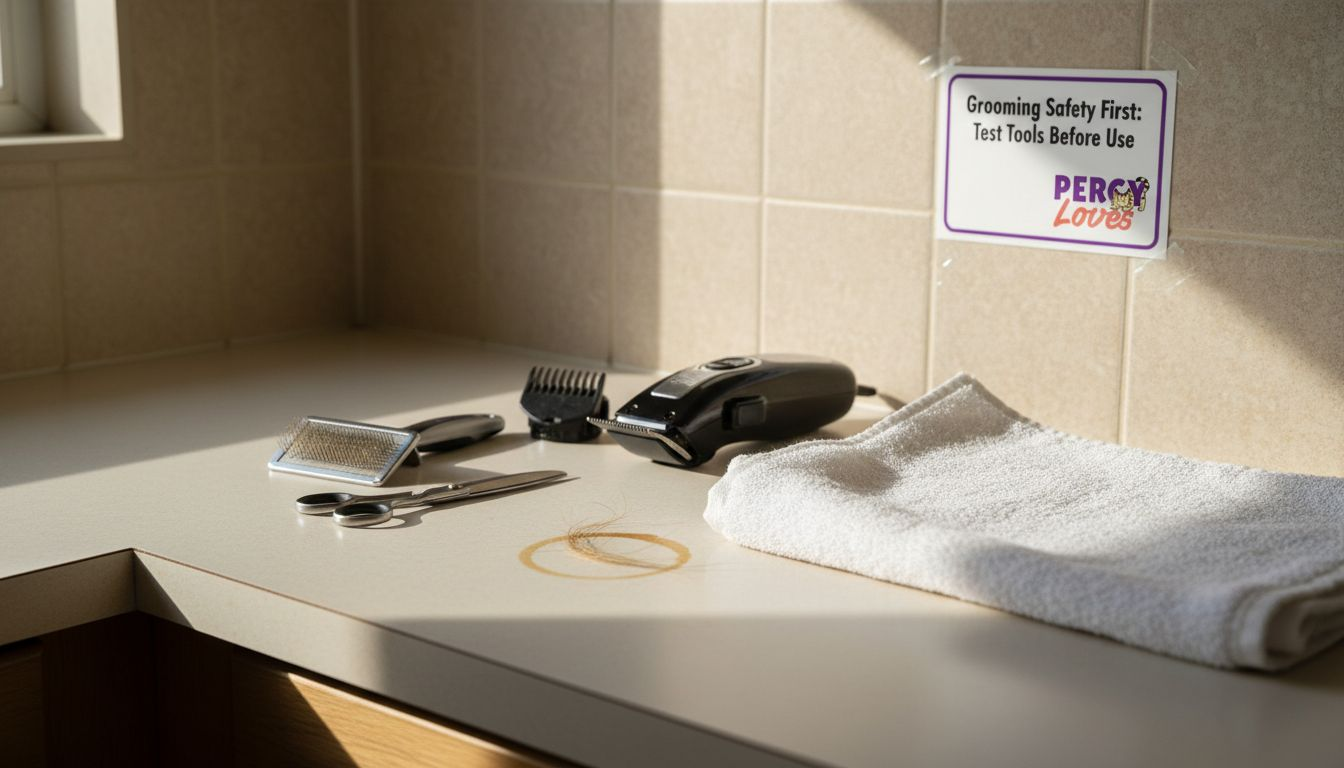
Scissor safety matters more than most owners realize. Rounded-tip scissors reduce clipping injuries by over 50% compared to pointed scissors. Use these specialized scissors around sensitive areas like paws, ears, and face where dogs move unpredictably. Keep blades sharp because dull scissors pull and snag rather than cut cleanly, causing discomfort that makes dogs flinch.
| Tool Type | Best For | Safety Feature |
|---|---|---|
| Slicker brush | Long, curly coats | Angled pins prevent skin scratching |
| Bristle brush | Short, smooth coats | Soft bristles distribute oils safely |
| Rounded-tip scissors | Face, paws, ears | Blunt tips prevent puncture wounds |
| Quiet clippers | All coat types | Low noise reduces anxiety-driven reactions |
Maintain your tools properly to ensure consistent safety. Clean brushes after each use to remove accumulated hair and skin oils that harbor bacteria. Sharpen clipper blades regularly or replace them when they start pulling instead of cutting. Disinfect all tools between grooming sessions, especially if you groom multiple dogs.
Pro Tip: Test clippers on your own arm before using them on your dog. If they pull your hair or feel uncomfortably hot, they’ll cause the same problems for your pet. This simple check prevents painful mistakes.
Learn more about maintaining grooming safety at safe pet grooming explained keep pets clean odor free for additional best practices.
Recognizing and preventing common grooming injuries
Avoiding excessive brushing over bony areas prevents brush burn, a painful skin irritation that appears as red, raw patches. Hip bones, shoulder blades, and the spine are particularly vulnerable because skin sits close to bone with minimal fat cushioning. Use lighter pressure over these areas and shorter brushing strokes to remove tangles without abrading the skin.
Clipper anxiety causes many grooming accidents when dogs react to loud buzzing sounds. Calibration of grooming clippers to operate quietly reduces anxiety and stress in dogs significantly. Modern clippers offer adjustable speed settings; start with slower, quieter settings while your dog acclimates. Keep blades cool by working in short intervals, as hot metal against skin triggers sudden jerking movements.
Respond to minor injuries immediately to prevent complications:
- Apply styptic powder to small nicks that bleed during nail trimming
- Clean clipper burns with cool water and apply veterinary-approved antimicrobial cream
- Monitor brush burn areas for signs of infection like swelling or discharge
- Document injury locations to avoid repeating the same mistakes
Watch your dog continuously throughout grooming. A comfortable dog maintains relaxed body language and may even fall asleep during brushing. Tension, lip licking, or yawning (stress signals, not tiredness) indicate mounting discomfort before it escalates to injury-causing reactions. Take breaks every 10 to 15 minutes during longer sessions.
Explore pet care workflow 2026 odor free homes for comprehensive routines that integrate injury prevention into your regular pet care schedule.
Integrating health checks into grooming
Recognizing early signs like redness allows for earlier veterinary intervention, preventing more serious health issues. Your hands moving through your dog’s coat during grooming provide the perfect opportunity to detect changes before they become visible problems. Small lumps, unusual warmth, or areas of hair loss often appear weeks before owners notice them during casual petting.
Systematic health monitoring during grooming:
- Start at the head, checking ears for redness, odor, or excessive wax buildup
- Move down the neck, feeling for lumps or swollen lymph nodes
- Examine the chest and abdomen, noting any masses or sensitive areas
- Inspect each leg and paw, looking between toes for cuts or foreign objects
- Check the tail and rear area for irritation or anal gland issues
- Finish by examining the skin under the coat for ticks, fleas, or rashes
Document your findings to track changes over time. Take photos of any concerning spots so you can monitor whether they grow, change color, or multiply. Note the location and size of lumps in a grooming journal, making it easier to communicate with your veterinarian during checkups.
Seek veterinary care promptly when you discover:
- Lumps that feel hard, irregular, or attached to underlying tissue
- Persistent redness or hot spots that don’t improve within 24 hours
- Areas your dog guards or reacts to when touched
- Unusual odors from ears, mouth, or skin folds
- Discharge from eyes, ears, or any skin lesions
Establish grooming as part of your broader health monitoring strategy. Regular sessions create a baseline of normal for your dog, making deviations obvious. This proactive approach catches problems early when treatment is simpler and more effective. For comprehensive safety planning, review pet safety checklist emergency plans to prepare for unexpected health issues.
Common misconceptions about grooming safety
Human shampoo pH levels differ from dog skin, causing irritation when used repeatedly. Human skin has a pH of around 5.5, while dog skin ranges from 6.2 to 7.4. This pH difference means human products strip protective oils from dog coats, leading to dry, flaky skin and increased vulnerability to infections. Even gentle baby shampoos lack the proper formulation for canine skin chemistry.
Mat removal requires proper technique to avoid painful accidents. Many owners attempt to cut out mats with regular scissors, positioning sharp points dangerously close to skin. Dogs have loose, mobile skin that easily gets caught between mat and blade, resulting in deep cuts. Professional de-matting tools feature guards that prevent blade contact with skin, or you can carefully work mats out with a slicker brush and detangling spray.
Key grooming safety myths:
- Shaving double-coated breeds keeps them cool (actually removes insulation and sun protection)
- More frequent bathing means cleaner dogs (over-bathing strips essential oils)
- Professional groomers use the same techniques for all breeds (customization is essential)
- Puppies don’t need grooming until they’re older (early exposure builds comfort)
| Myth | Reality |
|---|---|
| Human shampoo is fine occasionally | pH mismatch causes cumulative skin damage |
| Cutting mats is fastest | Cutting risks severe skin lacerations |
| Weekly baths suit all dogs | Frequency depends on coat type and lifestyle |
| Puppies are too young to groom | Early grooming builds lifelong comfort |
Grooming schedules must match individual needs rather than following generic advice. A Poodle with a continuously growing coat needs professional grooming every six weeks, while a Beagle’s short coat may only require occasional baths and weekly brushing. Active dogs that swim or roll in dirt need more frequent cleaning than indoor companions. For tailored guidance on your dog’s specific needs, explore dog care tips 2026 reduce obesity boost health.
Practical step-by-step safe grooming routine
Prepare your grooming area before bringing your dog in. Gather all tools (brushes, clippers, scissors, shampoo, towels), test clipper temperature and sound level, and set up your non-slip mat on the grooming surface. Fill a basin with lukewarm water for bathing, keeping it comfortably warm but not hot. Play soft music to mask sudden household noises that might startle your dog.
Proper restraint using grooming loops prevents injuries during grooming. Secure your dog gently with the loop, offering treats and calm praise to create positive associations. Speak in a soothing voice and maintain physical contact to reassure anxious dogs. If your dog struggles excessively, stop and try again later rather than forcing the session.
Follow this systematic routine:
- Brush thoroughly from head to tail, working in sections to ensure complete coverage
- Check and trim nails carefully, avoiding the quick (pink area containing blood vessels)
- Clean ears with veterinary-approved solution and cotton balls (never cotton swabs)
- Bathe using dog-specific shampoo, avoiding eyes and ears
- Rinse completely, as residual shampoo causes skin irritation
- Towel dry and use a low-heat dryer if your dog tolerates it
- Trim fur carefully around paws, sanitary areas, and face using rounded-tip scissors
- Perform a final health check while coat is clean and visible
Monitor stress levels throughout the process. Take five-minute breaks if your dog becomes restless or shows anxiety signals. Some dogs tolerate only 15 to 20 minutes before needing to stop, which is perfectly normal. Split grooming into multiple short sessions rather than one exhausting marathon.
Pro Tip: End every grooming session with something your dog loves, whether it’s a special treat, favorite toy, or brief play session. This positive closure builds enthusiasm for future grooming and reduces resistance over time.
For a comprehensive approach to pet care that includes grooming, visit pet care workflow 2026 odor free homes to integrate these practices into your routine.
Explore safe grooming products from Percy Loves
Safe grooming extends beyond technique to include the products you use on your dog’s coat and skin. Percy Loves understands that dogs with sensitive skin need gentle, effective solutions without harsh fragrances that cause irritation or allergic reactions.

Our Pal Furresher odor eliminator offers unscented odor elimination that’s completely lick safe, perfect for post-grooming freshness without compromising your dog’s comfort. The proprietary formula works at the source to eliminate odors rather than masking them with perfumes. Available in both 4 oz and 16 oz sizes, it complements your safe grooming routine by keeping your dog fresh between baths without the risks of over-bathing.
Pet parents who prioritize safety and effectiveness trust Percy Loves for products that treat their fur babies like family. Quality and safety are paramount in everything we create.
FAQ
What equipment is essential for safe dog grooming?
Essential equipment includes breed-appropriate brushes (slicker, bristle, or pin), rounded-tip scissors, quiet clippers, adjustable grooming loops, and dog-specific shampoo. Choose tools based on your dog’s coat type and size to prevent injuries and ensure effective grooming.
How can I tell if my dog is stressed during grooming?
Watch for panting, whining, trembling, avoidance behaviors, or attempts to escape. Other signs include rigid body posture, dilated pupils, and showing the whites of eyes. Pause the session immediately and comfort your dog if these signs appear to prevent injury from stress-driven reactions.
Is it okay to use human shampoo for dog baths?
No, human shampoo has a different pH level (around 5.5) than dog skin (6.2 to 7.4) and contains ingredients that irritate canine skin. Always use shampoos formulated specifically for dogs to maintain proper skin chemistry and protective oils.
How often should I groom my dog safely?
Grooming frequency varies by breed, coat type, activity level, and individual needs. Long-haired dogs typically need grooming every four to six weeks, while short-haired breeds require less frequent sessions. Adjust based on your dog’s lifestyle and coat condition.


