

Safe pet grooming: keep cats and dogs odor-free in 2026
Think bathing your dog or cat more often means better cleanliness? Think again. Overbathing strips essential oils from your pet’s skin, reducing moisture by up to 30% and triggering odor resurgence within days. Safe pet grooming balances hygiene with skin health, using species-appropriate techniques and fragrance-free products. This guide explains how to maintain your pet’s cleanliness and control odors without causing harm.
Table of Contents
- Introduction To Safe Pet Grooming
- Understanding Pet Odors And Their Causes
- Chemical Safety In Grooming Products
- Common Grooming Mistakes And Misconceptions
- Safe Grooming Techniques And Frequency Guidelines
- Safe Odor Elimination Solutions For Pet Parents
- Summary And Practical Takeaways
- Discover Percy Loves: Safe Solutions For Fresher, Healthier Pets
- Frequently Asked Questions
Key takeaways
| Point | Details | |-------|---------|| | Safe grooming balances hygiene with skin health | Species-specific needs prevent irritation while controlling odors effectively. | | Avoid harmful chemicals in products | Choose fragrance-free, pH-balanced, lick-safe formulas designed for pets. | | Common mistakes increase skin problems | Overbathing and human shampoos disrupt natural protection and worsen odors. | | Proper frequency maintains healthy coats | Regular brushing and appropriate bathing intervals reduce odors naturally. | | Safe odor eliminators control smells | Fragrance-free sprays eliminate odors at the source without toxicity. |
Introduction to safe pet grooming
Safe pet grooming maintains hygiene and controls odors without harming your pet’s skin or coat. Cats and dogs have different physiological needs based on fur type and skin pH. Dogs typically have skin pH between 6.2 and 7.4, while cats maintain a slightly more acidic pH around 6.0. These differences influence which products and techniques work best for each species.
Grooming supports overall pet health by preventing infections, removing debris, and reducing irritation. When done correctly, it strengthens the bond between you and your pet while keeping them comfortable. Neglecting proper grooming or using inappropriate methods can lead to bacterial overgrowth, matting, and chronic skin conditions.
Key components of safe grooming include:
- Appropriate tools matched to coat type and length
- Techniques that respect skin sensitivity and natural oil production
- Products formulated specifically for pet physiology
- Frequency schedules aligned with species and lifestyle needs
Understanding these fundamentals helps you create a pet family care definition that prioritizes safety. Whether you handle grooming at home or use professional dogs grooming services, knowing what safe practices look like protects your pet. The pet family lifestyle guide 2026 safer odor control offers additional strategies for maintaining a fresh home environment.
Understanding pet odors and their causes
Pet odors primarily arise from bacteria interacting with skin secretions, natural oils, and environmental debris trapped in fur. When grooming frequency decreases, bacterial populations multiply rapidly, intensifying smells. Targeting the odor source through proper hygiene proves more effective than masking scents with artificial fragrances.
Grooming intervals directly influence bacterial growth rates and odor intensity. The table below compares odor formation under different grooming schedules:
| Grooming Interval | Bacterial Growth Rate | Odor Intensity Level |
|---|---|---|
| Weekly bathing | Low | Minimal |
| Monthly bathing | Moderate | Noticeable |
| No regular bathing | High | Strong |
| Overbathing (3+ times/week) | Elevated (rebound effect) | Moderate to strong |
Effective odor reduction through grooming involves these steps:
- Inspect skin and coat for debris, mats, or irritation before bathing
- Brush thoroughly to remove loose fur and distribute natural oils
- Bathe with species-appropriate, pH-balanced products at recommended intervals
- Rinse completely to prevent product residue buildup
- Dry carefully to avoid moisture-related bacterial growth
Pro Tip: Regular brushing removes dander and limits the bacterial habitat where odors form. This simple practice can reduce odor intensity by 40% between baths.
Maintaining a pet care workflow 2026 odor free homes strategy requires understanding these biological factors. When you address the root causes rather than symptoms, you create lasting freshness. The pet family care definition includes this proactive approach to hygiene management.
Chemical safety in grooming products
Many grooming products contain ingredients that irritate pet skin or cause allergic reactions. Common harmful chemicals include parabens, sulfates, and artificial fragrances that disrupt the skin barrier. Using products mismatched to your pet’s skin pH can trigger inflammation and worsen existing conditions.
Dogs and cats require different formulations because their skin chemistry varies significantly. Fragrance-free and paraben-free options have 40% fewer allergic reactions compared to scented products. Additionally, using products mismatched to species skin pH increases irritation risk by 25%, making proper selection critical.
Before purchasing grooming products, verify these features:
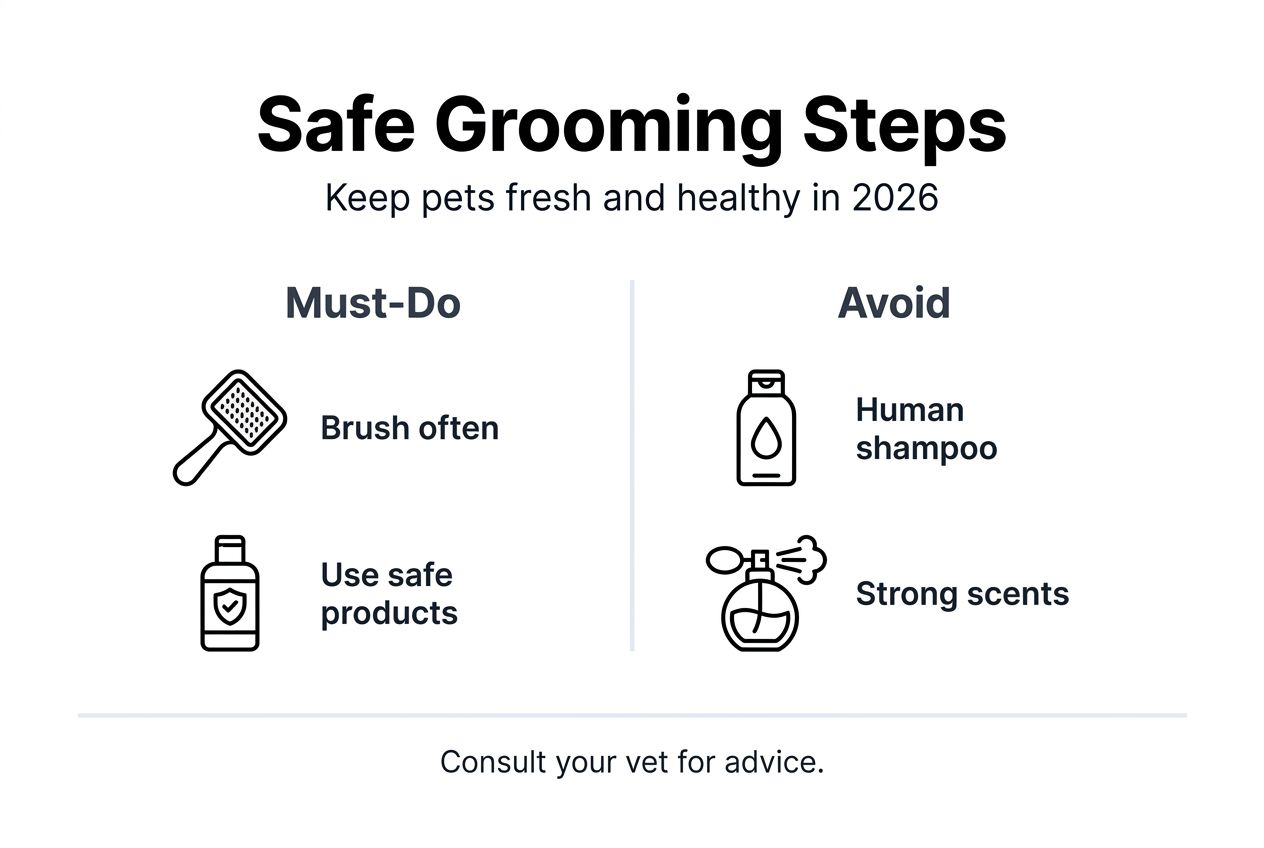
- Fragrance-free formulation to prevent respiratory and skin reactions
- pH-balanced specifically for dogs or cats
- Lick-safe ingredients in case your pet grooms themselves after application
- Free from parabens, sulfates, and synthetic dyes
- Clear species indication on the label
Using scented products or human shampoos can cause immediate discomfort and long-term skin damage. Human shampoos have pH levels around 5.5, which strips protective oils from pet skin. Artificial fragrances may smell pleasant to you but can trigger allergic dermatitis in sensitive pets.
Following pet safety checklist emergency plans includes knowing which ingredients to avoid. The dog care tips 2026 reduce obesity boost health guide emphasizes that skin health connects to overall wellness. Safe product selection forms the foundation of effective grooming.
Common grooming mistakes and misconceptions
Many pet parents unknowingly harm their pets through well-intentioned but incorrect grooming practices. Misinformation spreads easily, leading to routines that compromise skin health and increase odor problems. Understanding the truth behind common myths helps you avoid these pitfalls.
Improper grooming practices cause a 20% annual increase in dermatological issues among pets, according to veterinary data.
Here are the most damaging misconceptions corrected:
- Myth: More frequent bathing always improves cleanliness. Reality: Overbathing strips natural oils, causing dryness, irritation, and paradoxically stronger odors as skin overcompensates with increased oil production.
- Myth: Human shampoos work fine for pets. Reality: The pH mismatch and harsh detergents in human products damage the pet skin barrier, leading to infections and chronic itching.
- Myth: Scented grooming products are always safe. Reality: Artificial fragrances trigger allergies, respiratory issues, and skin reactions in many pets, especially cats who are highly sensitive to chemicals.
- Myth: Shaving fur extensively improves hygiene. Reality: Removing too much coat eliminates natural temperature regulation and UV protection while potentially causing ingrown hairs and bacterial colonization.
- Myth: Cats don’t need grooming help because they self-clean. Reality: Long-haired cats require regular brushing to prevent mats, and all cats benefit from occasional bathing when oils accumulate excessively.
These common grooming errors create avoidable health problems. Correcting your approach based on veterinary guidance rather than assumptions protects your pet from unnecessary suffering. Safe grooming requires education and attention to species-specific needs.
Safe grooming techniques and frequency guidelines
Establishing the right grooming routine depends on your pet’s species, coat type, and lifestyle. Dogs with oily coats may need bathing every four weeks, while cats typically require baths only every six to eight weeks. Short-haired pets need less intensive grooming than long-haired breeds prone to matting.
Follow these steps for safe grooming sessions:
- Inspect your pet’s skin and coat thoroughly for cuts, parasites, or unusual lumps before starting
- Brush completely to remove loose fur, debris, and tangles using appropriate tools for coat type
- Bathe using lukewarm water and species-specific, pH-balanced shampoo, avoiding eyes and ears
- Rinse thoroughly until water runs clear to prevent residue buildup that attracts dirt
- Dry carefully with towels or low-heat blow dryers, ensuring no damp areas remain where bacteria thrive
- Reward with treats and praise to create positive associations with grooming
| Coat Type | Dogs Bathing Frequency | Cats Bathing Frequency | Brushing Frequency |
|---|---|---|---|
| Short, smooth | Every 6-8 weeks | Every 8-12 weeks | Weekly |
| Medium | Every 4-6 weeks | Every 6-8 weeks | 2-3 times per week |
| Long or dense | Every 4 weeks | Every 4-6 weeks | Daily |
| Hairless | Every 1-2 weeks | Every 1-2 weeks | Not applicable |
Recognize signs of grooming-related skin problems such as redness, excessive scratching, flaking, or odor that persists after bathing. These symptoms indicate you may need to adjust product choice, frequency, or technique. Consult your veterinarian if problems continue despite modifications.
Pro Tip: Use treat rewards during and after grooming to make the experience relaxing and build positive associations. This reduces stress for both you and your pet.
Professional services like cats grooming or basic grooming for cats can help when home grooming becomes challenging. Consistency matters more than perfection in maintaining healthy skin and controlling odors.
Safe odor elimination solutions for pet parents
Effective odor control goes beyond bathing to include targeted products that eliminate smells at their source. Fragrance-free, non-toxic odor eliminators work better than scented sprays that merely mask odors temporarily. These solutions break down odor-causing compounds rather than covering them with artificial scents.
Pal Furresher exemplifies safe odor elimination technology. This fragrance-free spray is lick-safe and works directly on odor molecules to neutralize them completely. Unlike traditional air fresheners that add perfume layers, it addresses the bacterial waste products creating the smell.
Benefits of safe odor control sprays include:
- Eliminates odors at the molecular source rather than masking them
- Fragrance-free formula prevents allergic reactions and respiratory irritation
- Lick-safe ingredients protect pets who groom themselves after application
- Non-toxic composition safe for use around children and sensitive individuals
- Compatible with regular grooming schedules without interfering with skin health
Incorporate odor eliminators into your routine by applying them between baths to problem areas like bedding, favorite lounging spots, and the pet’s coat. Spray lightly after brushing sessions to maintain freshness without overwhelming your pet’s sensitive nose. This approach extends the time between baths while keeping your home smelling clean.
The safer odor control guide provides comprehensive strategies for managing pet odors holistically. Combining proper grooming frequency with safe odor elimination products creates the most effective and pet-friendly approach to hygiene management.
Summary and practical takeaways
Safe pet grooming requires understanding species physiology, selecting appropriate products, and maintaining consistent routines. The principles covered in this guide help you balance cleanliness with skin health while effectively controlling odors. Implementing these practices protects your pet from common grooming-related problems.
Use this checklist to maintain safe grooming standards:
- Check all product ingredients for fragrances, parabens, and pH compatibility before purchase
- Schedule grooming sessions based on coat type and species recommendations, not arbitrary timelines
- Observe your pet’s skin regularly for signs of irritation, dryness, or infection
- Brush thoroughly and frequently to prevent mats and distribute natural oils
- Choose fragrance-free, lick-safe odor eliminators over scented masking products
- Adjust techniques and frequency based on your pet’s individual responses and needs
Safe grooming delivers multiple benefits beyond odor control. It strengthens your bond with your pet, allows early detection of health issues, and maintains coat quality. Regular attention prevents expensive veterinary treatments for preventable skin conditions.
Continue monitoring how your pet responds to your grooming routine. Individual needs vary based on age, health status, diet, and environment. What works for one pet may need modification for another, even within the same breed. Stay flexible and prioritize your pet’s comfort and health above aesthetic preferences.
Discover Percy Loves: safe solutions for fresher, healthier pets
Maintaining your pet’s hygiene shouldn’t mean compromising their safety or comfort. Percy Loves understands the challenges pet parents face when trying to keep cats and dogs clean and odor-free. Our founder, Percy the cat, had his own funk problem that inspired a better solution.
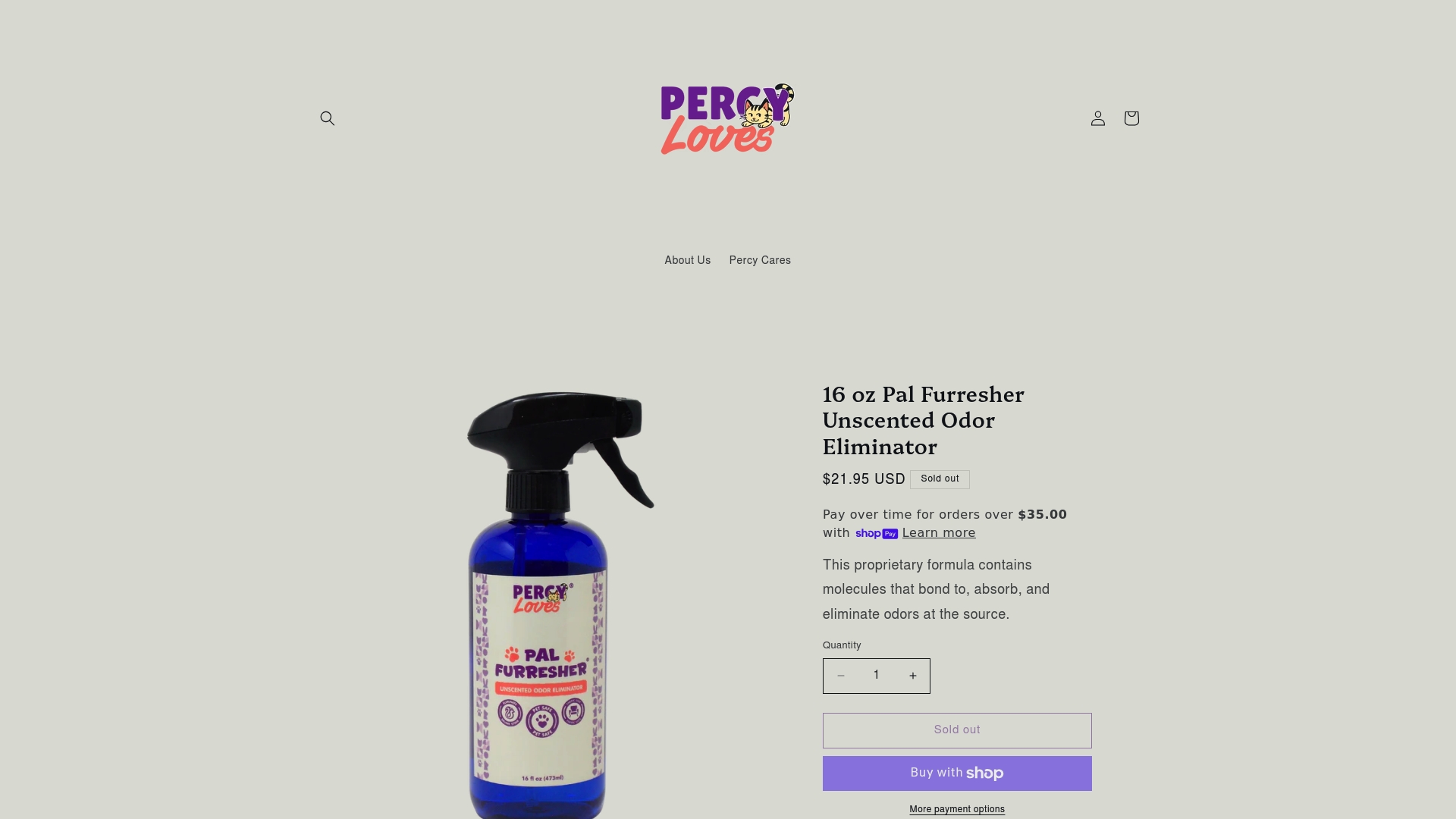
Pal Furresher represents our commitment to safe, effective odor elimination. This fragrance-free spray works at the molecular level to completely eliminate odors rather than masking them with artificial scents. Its lick-safe formula means you can spray it directly on your pet’s coat without worry. The proprietary technology targets odor-causing compounds, giving you lasting freshness between grooming sessions. Whether you’re managing post-bath smell, addressing litter box odors, or freshening up bedding, Pal Furresher integrates seamlessly into your pet family lifestyle guide 2026 safer odor control routine. Pet parents who treat their fur babies like family deserve products that prioritize quality and safety above everything else.
Frequently asked questions
How often should I bathe my dog or cat to maintain safe grooming?
Most pets benefit from bathing every four to six weeks, though frequency depends on coat type and activity level. Short-haired dogs and cats can go longer between baths, while long-haired or oily-coated pets may need more frequent cleaning. Avoid overbathing, as it strips natural oils and causes skin dryness that paradoxically increases odor production.
What ingredients should I avoid in pet grooming products?
Avoid parabens, artificial fragrances, sulfates, and any human shampoo formulations due to pH mismatch and irritation risks. These ingredients disrupt the skin barrier and trigger allergic reactions in sensitive pets. Opt for fragrance-free, pH-balanced, and lick-safe formulas specifically designed for cats or dogs based on their physiological needs.
Can I use human shampoo or scented sprays on my pets?
Human shampoos have unsuitable pH levels around 5.5 that strip protective oils from pet skin, causing irritation and infection risk. Scented sprays contain artificial fragrances that trigger allergies, respiratory issues, and mask odors instead of eliminating them. Always use pet-specific, fragrance-free products formulated for your animal’s skin chemistry and sensitivity.
What are safe ways to eliminate pet odors without harming my pet?
Use fragrance-free, non-toxic odor eliminators like Pal Furresher that break down odor molecules at their source. Incorporate these sprays into regular grooming routines by applying them to coats, bedding, and favorite lounging areas between baths. The safer odor control guide offers comprehensive strategies for maintaining freshness without chemical exposure.
Recommended
- Pet family lifestyle guide 2026: 85% safer odor control – Percy Loves
- Master Pet Care Workflow 2026 for Odor-Free Homes – Percy Loves
- Dog Care Tips 2026: Cut Obesity Risk 25% & Boost Health – Percy Loves
- Pet Safety Checklist: 33% Lack Emergency Plans Risking Pets – Percy Loves
- Sophisticated Basic Grooming Cats


