

Pet family lifestyle guide 2026: Safer odor control
Many pet parents believe scented sprays are the best solution for masking pet odors, but this common misconception puts your cat or dog at serious risk. 50% of pet skin allergies are aggravated by scented product exposure, causing respiratory distress and chronic discomfort. This guide shares evidence-based lifestyle tips and safe product strategies to meet your pets’ emotional and physical needs while maintaining a fresh, healthy home in 2026.
Table of Contents
- Understanding Your Pet’s Physical And Emotional Needs
- Safe And Effective Odor Control: Mechanisms And Best Practices
- Common Misconceptions In Pet Hygiene And Product Safety
- Framework For Evaluating Pet Lifestyle Products And Household Adjustments
- Integrating Pets As Beloved Family Members: Multi-Pet Household Strategies
- Practical Lifestyle Tips For A Healthier, Happier Pet Family Home
- Support Your Pet Family Lifestyle With Percy Loves
Key takeaways
| Point | Details |
|---|---|
| Unique pet needs | Cats and dogs have distinct emotional and physiological requirements demanding tailored family interactions and care routines. |
| Avoid scented products | Scented and unverified ‘natural’ products cause allergies, respiratory issues, and toxicity risks in household pets. |
| Evaluation framework | Assess products using ingredient transparency, clinical testing data, and species-specific safety certifications before purchase. |
| Lifestyle implementation | Combine safe odor control, toxin avoidance, stress reduction, and routine care to enhance pet and family well-being. |
Understanding your pet’s physical and emotional needs
Dogs and cats thrive when their distinct needs are met within family environments. Dogs need daily social interaction and exercise to reduce stress and cortisol, improving behavior; cats require secure territory and stress reduction to lower anxiety-related health issues. These physiological differences shape how each species experiences family life and responds to environmental stressors.
Recognizing species-specific requirements prevents behavioral problems and strengthens family harmony. Dogs lower cortisol levels through consistent play and social bonding, while cats need quiet hiding spots and predictable routines to feel secure. When you address these needs proactively, you create a balanced home where pets feel safe and loved.
Pro Tip: Schedule 20 minutes of dedicated playtime daily for dogs and provide at least two secure hiding spots for cats to reduce stress naturally.
Tailoring your pet family care definition approach based on emotional and physical differences improves outcomes measurably. Quantified cortisol reductions correlate directly with fewer anxiety behaviors and better overall health. Following evidence-based dog care tips helps you implement routines that support long-term wellness for every member of your pet family.
Safe and effective odor control: Mechanisms and best practices
Conventional scented sprays mask odors temporarily but fail to eliminate the molecules causing unpleasant smells. These products layer artificial fragrances over pet funk, creating a mix that often smells worse and triggers allergic reactions in sensitive animals. True odor control requires breaking down odor-causing compounds at the molecular level.
Fragrance-free, lick-safe reduce odor by over 85% within 30 minutes by breaking down odor molecules, avoiding risks from masking and toxic ingredients. This process is scientifically proven and safe for pets who groom themselves or lick treated surfaces.
| Feature | Masking Sprays | Neutralizers |
|---|---|---|
| Mechanism | Layer fragrance over odor | Break down odor molecules |
| Effectiveness | Temporary, often worsens smell | Eliminates odor at source |
| Safety | Contains irritants, allergens | Fragrance-free, lick-safe |
| Duration | Minutes to hours | Long-lasting results |
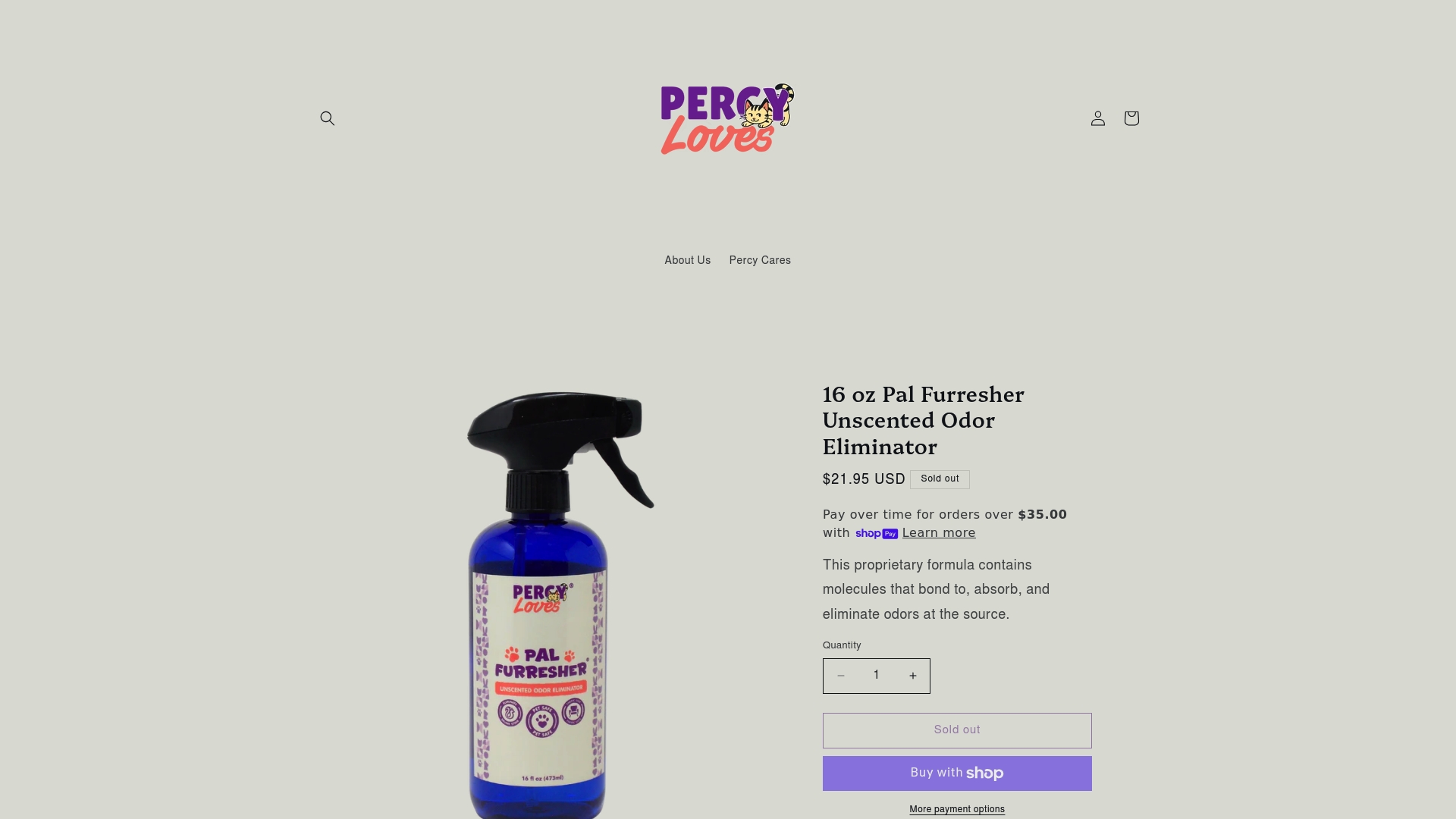
Choosing fragrance-free formulas protects your pet from respiratory irritation and skin reactions. Products like Pal Furresher spray are designed specifically for lick safety, giving you peace of mind when treating areas your pet contacts daily.
Pro Tip: Apply spray to high-traffic pet zones like bedding, litter areas, and favorite lounging spots for maximum odor elimination without health risks.
Implementing a proven pet care workflow for odor control ensures consistent results. Combine physical cleaning with odor treatment to maintain a fresh home that supports respiratory health for both pets and family members.
Common misconceptions in pet hygiene and product safety
Many pet parents assume heavily scented products indicate superior cleaning power, but 50% of pet skin allergies are worsened by scented products; many assume all ‘natural’ products are safe despite lack of ingredient transparency. Fragrances often contain volatile organic compounds that irritate pet airways and skin, causing chronic discomfort your pet cannot communicate directly.
The belief that stronger smells equal better hygiene is backwards. Heavy fragrances mask problems without solving them, and repeated exposure increases allergy risk over time. Pets have far more sensitive noses than humans, making artificial scents overwhelming and stressful rather than pleasant.
Another dangerous myth is that products labeled ‘natural’ are automatically safe for cats and dogs. Natural substances like essential oils can be toxic when ingested or absorbed through skin. Without ingredient transparency and safety testing data, you cannot verify whether a natural product protects or harms your pet.
Reading safety certifications and complete ingredient lists helps you avoid harmful exposures. Look for clinical testing documentation and third-party verification rather than marketing claims. Following a pet safety checklist protects your family from hidden dangers in everyday products.
Debunking these myths empowers you to select truly safe hygiene products. Question marketing language, demand transparency, and prioritize evidence over assumptions when choosing items that contact your pet’s body or living space.
Framework for evaluating pet lifestyle products and household adjustments
A structured approach helps you select safe, effective products and make home environment changes that genuinely benefit your pets. Follow this stepwise framework for consistent results:
- Assess your pet’s specific needs based on species, age, health status, and behavior patterns
- Evaluate products using ingredient transparency, clinical data, and species safety certifications
- Implement cleaning and odor control strategies combining physical removal with odor neutralizers
- Foster behavior harmony through enrichment, routine, and stress reduction techniques
- Monitor outcomes by tracking pet comfort, home freshness, and any adverse reactions
Evaluating ingredient transparency, clinical testing, and species-specific safety reduces adverse reactions and supports effective odor control combined with allergen reduction. Combining proper cleaning with effective products reduces allergens by up to 40%, creating healthier air quality for everyone in your household.
| Evaluation Criteria | What to Look For | Why It Matters |
|---|---|---|
| Ingredient Transparency | Complete disclosure of all components | Allows you to identify potential allergens and toxins |
| Clinical Testing Data | Published studies or third-party verification | Confirms efficacy and safety claims with evidence |
| Species Safety | Lick-safe, non-toxic certifications for cats and dogs | Prevents ingestion risks and contact reactions |
| Fragrance Status | Fragrance-free or naturally derived only | Protects sensitive respiratory systems |
Avoid household toxins including certain plants like lilies and azaleas, human foods such as chocolate and grapes, and cleaning chemicals with harsh fumes. Cross-reference the pet family care framework when making purchasing decisions to ensure alignment with safety standards.
Pro Tip: Create a digital or printed checklist of approved products and environmental changes, updating it as you discover new safe options or identify risks.
This systematic evaluation reduces trial and error while protecting your pet from preventable harm. Consistent application builds a safer home environment where your pet family thrives.
Integrating pets as beloved family members: multi-pet household strategies
Homes with multiple pets face unique coexistence challenges requiring personalized management approaches. Individualized feeding, enrichment, and separation protocols lower stress indices significantly, reducing conflict and enhancing pet emotional health in multi-pet homes. Competition over resources drives most multi-pet conflicts, making strategic planning essential.
Personalized feeding schedules prevent resource guarding and food-related aggression. Feed pets in separate areas or at staggered times to eliminate competition anxiety. Provide multiple water stations and litter boxes to ensure every pet has access without confrontation.
Separation schedules and safe spaces cut down conflict dramatically. Give each pet dedicated alone time and retreat areas where they can decompress without interaction. Cats especially benefit from vertical spaces like cat trees that create physical and psychological distance from other animals.
Maintaining tailored play and rest routines supports balanced emotional health across species and personalities. Proper multi-pet management reduces stress markers by over 30%, improving family harmony and reducing behavioral problems. Some pets need vigorous exercise while others prefer gentle interaction, so customize activities to individual preferences.
Stress reduction correlates with measurable cortisol decreases that improve long-term health outcomes. When pets feel secure and respected within the family hierarchy, they display fewer anxiety behaviors and form stronger bonds with human family members. Implementing multi-pet household strategies creates peaceful coexistence that benefits everyone.
Practical lifestyle tips for a healthier, happier pet family home
Transforming knowledge into action requires consistent implementation of evidence-based care practices. Start with your cleaning routine by using lick-safe odor neutralizers daily or weekly depending on household needs. Regular cleaning combined with safe, fragrance-free odor neutralizers reduces allergens by up to 40% and prevents irritation and ingestion risks.
Avoid common household toxins systematically. Remove dangerous plants from pet-accessible areas, store human medications securely, and keep chocolate, grapes, onions, and other toxic foods out of reach. Use pet-safe cleaning products exclusively in areas where your cat or dog spends time.
Maintain regular feeding, exercise, and emotional care schedules to support predictable routines that lower stress. Consistency helps pets feel secure and improves digestion, sleep quality, and behavior. Most pets thrive on structure, so establish daily patterns they can anticipate.
Choose fragrance-free, clinically tested products for all pet-related applications. Verify safety certifications before introducing new items into your home. This preventive approach stops problems before they start rather than reacting to allergies or toxicity issues.
Pro Tip: Set a monthly reminder to assess pet behavior, home odor levels, and product effectiveness so you can adjust your care routine based on real results.
Following a comprehensive pet care workflow for odor control ensures nothing falls through the cracks. Combine these practices with resources from house cleaning for pets to maintain a home environment that promotes health and happiness for your entire pet family.
Support your pet family lifestyle with Percy Loves
Applying these evidence-based strategies becomes easier when you have access to trusted, safe products designed specifically for pet families. Percy Loves offers lick-safe odor eliminators like Pal Furresher unscented odor eliminator that break down odors at the source without fragrances or toxins.
Explore expert-backed pet care workflow 2026 resources for healthier, odor-free family homes. Our educational content defines modern pet family care definition strategies that help you make informed decisions about products and lifestyle adjustments. Shop confidence-building products designed with your pet’s safety and effectiveness in mind, backed by clinical evidence and real-world results from pet parents who treat their fur babies like family.
Frequently asked questions
What makes odor neutralizers safer than scented sprays?
Odor neutralizers break down odor molecules biologically without adding fragrances that irritate pet airways or skin. They eliminate smells at the source rather than masking them, and lick-safe formulas prevent toxicity if pets groom treated areas.
Are all ‘natural’ pet products safe for my pets?
No, ‘natural’ labeling is not regulated and many natural substances like essential oils are toxic to cats and dogs. Always verify ingredients against toxicity databases and look for species-specific safety testing before using any natural product on or near your pets.
How often should I clean and use odor control products in a multi-pet home?
Regular application works best, ideally daily spot treatment for high-traffic areas and weekly deep cleaning for bedding and floors. Odor control tips help you establish routines that maintain fresh air quality and reduce allergen buildup effectively.
Can odor control products improve my pet’s emotional well-being?
Yes, reducing persistent odors lowers environmental stress and creates a more comfortable living space for sensitive pet noses. Fresh, clean environments support better sleep, reduced anxiety, and improved overall comfort for cats and dogs in family homes.
Recommended
- Master Pet Care Workflow 2026 for Odor-Free Homes – Percy Loves
- Pet Safety Checklist: 33% Lack Emergency Plans Risking Pets – Percy Loves
- Pet Family Care Definition: Impact on Modern Pet Homes – Percy Loves
- Dog Care Tips 2026: Cut Obesity Risk 25% & Boost Health – Percy Loves
- Probiotics for Dogs: 40% Reduction in Diarrhea Episodes – WolfRoots


