

What is pet cleaning safety? Protect your pets in 2026
Many pet owners assume natural or essential oil cleaners are the safest choice for their furry family members. The reality is shocking: many essential oils are highly toxic to cats and dogs, causing respiratory distress, skin irritation, and even organ failure. Pet cleaning safety means choosing products that eliminate odors and stains without exposing your pets to harmful chemicals, fragrances, or ingredients they might ingest. As pet parents who treat our fur babies like family, understanding what truly protects our companions while maintaining a fresh home is essential.
Table of Contents
- Introduction To Pet Cleaning Safety
- Chemical Safety For Cats And Dogs
- How Pet Odors Originate And How To Safely Remove Them
- Effectiveness Of Fragrance-Free And Lick-Safe Cleaning Products
- Common Misconceptions About Cleaning Products And Pet Safety
- Comparison Of Pet Cleaning Products: Safety And Efficacy
- Practical Step-By-Step Cleaning Routines For Pet Homes
- Explore Effective Pet-Safe Odor Eliminators By Percy Loves
- Frequently Asked Questions
Key takeaways
| Point | Details |
|---|---|
| Pet cleaning safety protects against toxic exposure | Using fragrance-free and lick-safe products reduces respiratory harm and ingestion risks substantially. |
| Pet odors originate from bacteria and organic matter | Effective elimination requires cleaners that break down sources rather than mask them. |
| Natural does not always mean safe | Many essential oils like tea tree and eucalyptus are toxic to cats and dogs despite being marketed as natural. |
| Fragrance-free products reduce health risks | Studies show up to 45% reduction in pet asthma-like symptoms with fragrance-free cleaners. |
| Regular cleaning routines prevent buildup | Immediate waste removal and odor treatments reduce bacterial contamination by up to 99.9%. |
Introduction to pet cleaning safety
Pet cleaning safety involves using products and methods that protect pets from toxic chemicals, respiratory irritants, and ingestion hazards while maintaining effective home hygiene. When you clean your floors, furniture, or pet areas, residues remain on surfaces where your cats and dogs walk, lie, and groom themselves. These residues transfer to paws and fur, eventually entering their systems through licking.
Common exposure risks include toxic chemicals like phenols and ammonia that damage organs, respiratory irritants such as synthetic fragrances that trigger breathing difficulties, and surface residues pets ingest during grooming. Cats are particularly vulnerable because they lack specific liver enzymes to metabolize many chemicals, making even small exposures potentially fatal.
The impact on pets manifests in multiple ways. Respiratory systems suffer from airway inflammation and asthma-like symptoms when exposed to volatile organic compounds. Skin contact causes irritation, rashes, and allergic reactions. Behavioral changes like excessive scratching, lethargy, or avoidance of cleaned areas signal distress.
Balancing cleaning effectiveness with pet health protection requires understanding dog grooming safety basics and extending those principles to home cleaning. The goal is eliminating bacteria and odors without compromising the wellbeing of family members who explore the world through their noses and tongues.
- Choose products specifically formulated as pet-safe rather than assuming human-grade cleaners are appropriate
- Verify ingredients against veterinary toxicity databases before purchasing
- Ensure adequate ventilation during and after cleaning to reduce airborne irritant exposure
- Allow surfaces to dry completely before permitting pet access to minimize contact with wet residues
Chemical safety for cats and dogs
Understanding which chemicals harm pets is critical for making informed cleaning choices. Phenols, found in many disinfectants and wood cleaners, cause liver damage and neurological problems in cats who cannot metabolize them. Bleach produces toxic fumes that irritate airways and can burn skin on contact. Ammonia, common in glass and floor cleaners, triggers respiratory distress and combines with pet urine to create even more harmful gases.
Many essential oils such as tea tree and eucalyptus are particularly dangerous despite their natural origins. Tea tree oil causes weakness, tremors, and liver failure in dogs and cats. Eucalyptus oil leads to drooling, vomiting, and central nervous system depression. Pine oil triggers kidney damage and respiratory failure.
These chemicals cause harm through multiple pathways. Ingestion during grooming leads to gastrointestinal upset, organ damage, and poisoning. Inhalation irritates airways, causing coughing, wheezing, and breathing difficulties. Skin contact results in chemical burns, dermatitis, and absorption into the bloodstream.
Safe alternatives exist that clean effectively without these risks. Fragrance-free formulas eliminate respiratory irritants while maintaining cleaning power. Non-toxic preparations based on plant-derived surfactants and minerals provide disinfection without poisoning risks.
Pro Tip: Always read ingredient lists completely rather than trusting marketing claims like “natural” or “eco-friendly.” Many products marketed as natural contain essential oils toxic to pets, while genuinely safe products clearly state “pet-safe” or “lick-safe” with transparent ingredient disclosure.
- Vinegar and water solutions work for light cleaning but lack disinfecting power for serious contamination
- Baking soda absorbs odors without chemical exposure but does not eliminate bacteria
- Safe pet wellness products specifically formulated for lick-safety provide both efficacy and protection
Choosing safe alternatives protects your pets while supporting sustainable pet care practices that benefit both animals and the environment.
How pet odors originate and how to safely remove them
Pet odors primarily originate from bacteria colonizing surfaces where organic matter accumulates. When pets urinate, defecate, vomit, or shed skin cells, bacteria consume this material and produce volatile sulfur compounds and ammonia that create characteristic smells. Moisture accelerates bacterial growth, making humid environments particularly prone to persistent odors.
Masking odors with perfumed products fails because it adds fragrance molecules to the air without addressing bacterial sources. The underlying smell remains and often combines unpleasantly with artificial scents. Worse, synthetic fragrances irritate pet respiratory systems and can trigger allergic reactions or breathing difficulties.
The difference in approach is fundamental. Surface cleaning removes visible waste but often leaves microscopic residues where bacteria thrive. Deep treatment penetrates porous surfaces like carpet, upholstery, and wood to eliminate embedded organic matter completely.
Pro Tip: Treat accidents immediately rather than waiting. Fresh stains respond more effectively to treatment because organic matter has not fully bonded with surface fibers. Blot up excess liquid first, then saturate the area with cleaner and allow it to air dry naturally for maximum bacterial breakdown.
Pet wellness odor control requires consistent application of these principles across all pet areas. Regular preventive treatments stop odors before they become entrenched. Addressing cat-specific odor challenges often requires stronger formulations because feline urine contains higher concentrations of uric acid crystals that resist breakdown.
Effectiveness of fragrance-free and lick-safe cleaning products
Fragrance-free products reduce respiratory irritation by eliminating volatile organic compounds that trigger allergic reactions in pets. Studies demonstrate up to 45% reduction in asthma-like symptoms when households switch from scented to fragrance-free cleaners. This protection is especially critical for brachycephalic breeds like Persians and Pugs whose compressed airways make them particularly vulnerable to respiratory irritants.
Fragrances in cleaning products typically contain dozens of individual chemical compounds, many unlisted on labels due to proprietary formulation protections. These chemicals vaporize during and after cleaning, creating airborne irritants pets cannot escape in their own homes. Sensitive pets exhibit sneezing, coughing, eye watering, and labored breathing when exposed.
Lick-safe formulations prevent toxicity from the inevitable contact between cleaned surfaces and pet mouths. Cats spend up to 50% of waking hours grooming, transferring anything on their paws and fur directly into their digestive systems. Dogs explore by licking floors, furniture, and their own bodies. Traditional cleaners leave residues that accumulate in pet tissues over time, potentially causing organ damage.
Lick-safe products use ingredients that are non-toxic even when ingested in small quantities. This does not mean pets should drink cleaning solutions, but it provides crucial protection from the trace amounts transferred during normal pet behavior. The formulations rely on mechanical cleaning action rather than harsh chemical reactions.
Scientific validation supports these product choices. Controlled studies show pets in homes using fragrance-free, lick-safe cleaners have significantly lower rates of chronic respiratory symptoms, skin conditions, and gastrointestinal upset. The cleaning effectiveness remains high because these products use targeted biological and mineral-based mechanisms rather than relying on chemical aggression.
Balancing effective cleaning with pet health means prioritizing products that eliminate contaminants safely. The choice protects pets from immediate reactions and long-term health consequences while maintaining the clean, fresh home environment all family members deserve.
Common misconceptions about cleaning products and pet safety
The assumption that natural or plant-based cleaners are automatically safe represents one of the most dangerous misconceptions in pet care. Many essential oils like tea tree and eucalyptus are highly toxic to cats and dogs despite being derived from plants. Marketing emphasizes “natural” origins while obscuring genuine toxicity risks, leading well-meaning pet owners to expose their animals to serious harm.
Another prevalent myth suggests that strong scents indicate cleaning power or safety. In reality, fragrance has no correlation with disinfection efficacy. Many effective antimicrobial products are completely odorless, while heavily perfumed cleaners may provide minimal actual cleaning beyond masking smells. The strong scent pet owners associate with “clean” often comes from chemicals that actively harm pet respiratory systems.
Pet owners frequently believe human household cleaners are appropriate for pet areas if diluted or rinsed thoroughly. This ignores the fundamental difference in how pet bodies process chemicals. Cats lack glucuronyl transferase enzymes, preventing them from metabolizing many compounds humans tolerate easily. Dogs have higher surface area to body weight ratios, increasing absorption of topical exposures. What is safe for humans can be lethal for pets.
The misconception that visible cleanliness equals safety overlooks invisible residues and airborne compounds. A floor may appear spotless while retaining chemical residues that transfer to paws and cause problems through grooming. Proper pet safety requires comprehensive planning that considers all exposure pathways, not just surface appearance.
- Natural does not mean non-toxic; verify specific ingredients against veterinary safety data
- Scent-free products often clean more effectively than perfumed alternatives
- Human-safe and pet-safe are entirely different safety standards requiring different formulations
- Organic or eco-friendly certifications do not guarantee pet safety without specific pet-safe verification
Recognizing these misconceptions prevents accidental poisonings and chronic health issues, allowing pet owners to make genuinely protective choices.
Comparison of pet cleaning products: safety and efficacy
Understanding the trade-offs between different cleaning product categories helps pet owners select options matching their specific needs and pet sensitivities.
| Product Type | Safety Level | Lick-Safe | Efficacy | Best Use Case |
|---|---|---|---|---|
| Chemical disinfectants (bleach, phenols) | Very Low | No | Excellent for bacteria | Emergency disinfection when pets are removed |
| Essential oil-based cleaners | Low to Medium | No | Variable | Avoid in pet households |
| Fragrance-free mineral-based | Very High | Yes | Good for general cleaning | Daily maintenance and surface cleaning |
| Vinegar and water | High | Yes | Fair for light cleaning | Minor spills and preventive maintenance |
Chemical disinfectants like bleach provide powerful antimicrobial action but pose severe risks. They should only be used when pets can be completely removed from treated areas until surfaces are thoroughly rinsed and dried. Even then, residual fumes and microscopic residues create ongoing exposure risks. These products have limited appropriate use in pet homes.
Essential oil-based cleaners marketed as natural alternatives frequently contain compounds toxic to pets. Tea tree, eucalyptus, pine, citrus, and peppermint oils cause symptoms ranging from skin irritation to organ failure. The variable efficacy and consistent toxicity make these products inappropriate for homes with cats or dogs.
Fragrance-free mineral-based cleaners offer safe daily cleaning without the specialized organic breakdown of enzymatic products. They work well for routine maintenance, removing dirt and light soiling without chemical or fragrance exposure. Combined with periodic deep cleaning, they maintain pet-safe hygiene.
- Use fragrance-free mineral products for daily surface maintenance
- Avoid essential oil products completely in pet households
- Reserve chemical disinfectants for rare situations requiring maximum antimicrobial action with complete pet isolation
Product selection should always favor safety when pets have constant surface contact through paws, fur, and mouths.
Practical step-by-step cleaning routines for pet homes
Implementing consistent cleaning routines using pet-safe products creates a healthy environment while preventing odor buildup and bacterial contamination.
Daily immediate response protocol:
- Remove solid waste immediately using disposable gloves and bags to prevent bacterial spread
- Blot liquid accidents with absorbent towels, working from edges inward to prevent expansion
- Apply cleaner generously to saturate the affected area completely
- Allow treatment to air dry naturally without wiping or rinsing for maximum bacterial breakdown
- Ventilate the space to disperse any residual odors during the drying process
Weekly deep cleaning routine:
- Vacuum all pet areas thoroughly to remove hair, dander, and tracked debris
- Apply cleaner to frequently soiled spots like litter box areas, feeding stations, and pet beds
- Clean food and water bowls with hot water and lick-safe dish soap
- Wash pet bedding in hot water with fragrance-free detergent
- Treat upholstery and carpets with spray even without visible stains to prevent odor accumulation
- Mop hard floors with fragrance-free cleaner diluted according to product instructions
- Clean pet toys with cleaner or hot water depending on material
Proper cleaning routines reduce bacterial contamination by up to 99.9% when cleaners are used correctly. This dramatic reduction protects both pets and human family members from pathogens that accumulate in pet environments.
Pro Tip: Create a dedicated cleaning caddy stocked with cleaner, fragrance-free surface cleaner, absorbent towels, gloves, and waste bags. Keep it accessible in the area where pet accidents most frequently occur for immediate response. The faster you treat accidents, the more completely cleansers can break down organic matter before it bonds with surfaces.
Establishing these routines as habits rather than reactive responses maintains consistent hygiene. Effective pet care workflows integrate cleaning seamlessly into daily life. This pet family lifestyle approach treats cleaning as preventive health care rather than just housekeeping.
Consistency matters more than intensity. Daily attention to small issues prevents the accumulation of major problems requiring harsh chemicals or professional intervention.
Explore effective pet-safe odor eliminators by Percy Loves
After understanding the science of pet cleaning safety, the next step is choosing products that deliver on both effectiveness and protection. Percy Loves creates solutions specifically for pet parents who refuse to compromise between a fresh home and their fur babies’ wellbeing.
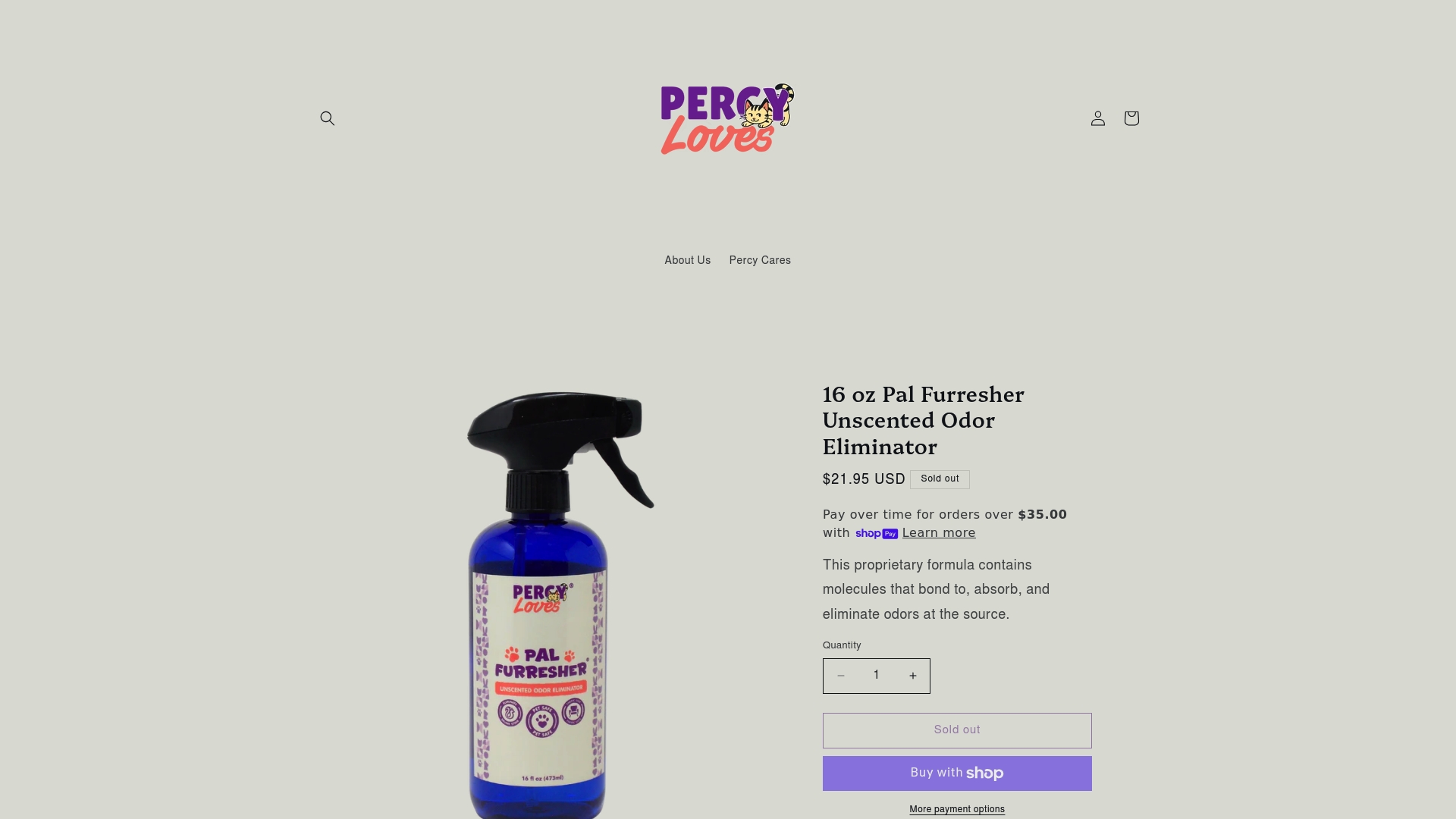
Our Pal Furresher unscented odor eliminator uses a proprietary formula that works at the source of odors, not just masking them with fragrances. The fragrance-free, lick-safe formulation means you can treat any surface your cats or dogs contact without worrying about respiratory irritation or ingestion risks. Available in both 4 oz portable sizes for spot treatments and convenient 3-pack options for whole-home coverage, Percy Loves products align with the safety principles covered throughout this guide. When your pets deserve the same protection you would give any family member, choose solutions that eliminate odors completely and safely.
Frequently asked questions
What is pet cleaning safety?
Pet cleaning safety means using products and methods that protect cats and dogs from toxic chemicals, respiratory irritants, and ingestion hazards while effectively cleaning your home. It requires choosing fragrance-free, lick-safe formulations that eliminate bacteria and odors without leaving harmful residues on surfaces pets contact constantly through paws, fur, and grooming.
How do I identify truly pet-safe cleaning products?
Look for products explicitly labeled as lick-safe or pet-safe with transparent ingredient lists. Avoid anything containing phenols, bleach, ammonia, or essential oils like tea tree and eucalyptus. Verify ingredients against veterinary toxicity databases rather than trusting marketing terms like “natural” or “eco-friendly,” which do not guarantee pet safety.
What is the best way to remove pet odors without harming my pets?
Use cleaners that break down the organic matter bacteria feed on rather than masking smells with fragrances. Apply cleaner generously to saturated affected areas and allow it to air dry completely for maximum bacterial breakdown. Treat accidents immediately for best results, as fresh stains respond more effectively than dried ones.
Which common cleaning ingredients are toxic to cats and dogs?
Phenols found in disinfectants, bleach, ammonia in glass cleaners, and many essential oils including tea tree, eucalyptus, pine, and citrus oils are highly toxic to pets. These chemicals cause respiratory distress, organ damage, skin irritation, and neurological problems. Cats are particularly vulnerable because they lack liver enzymes to metabolize many compounds humans tolerate safely.
Why are fragrance-free cleaners better for pets?
Fragrance-free products eliminate volatile organic compounds that trigger respiratory irritation and allergic reactions in pets. Studies show up to 45% reduction in asthma-like symptoms when households switch to fragrance-free cleaners. Scents do not indicate cleaning power and often come from chemicals that actively harm pet airways, making fragrance-free options both safer and often more effective.
How often should I clean pet areas with safe products?
Remove solid waste and treat liquid accidents immediately with cleaner for best odor control. Perform weekly deep cleaning of all pet areas including bedding, feeding stations, and frequently soiled spots. This routine reduces bacterial contamination by up to 99.9% while preventing odor buildup that would require harsher chemical intervention.


