

Safe pet wellness products for effective odor control
Many pet owners unknowingly harm their pets by using fragranced products that mask odors instead of eliminating them. These products worsen indoor air quality and increase respiratory risks. This guide teaches you how to select safe, effective odor control products that protect your pet’s health while maintaining a fresh home environment.
Table of Contents
- Introduction To Pet Wellness And Household Odor Challenges
- How Pet Odors Develop And How Elimination Products Work
- Safety Considerations: What Makes A Pet Odor Product Lick-Safe And Wellness-Friendly
- Common Misconceptions And Market Myths About Pet Odor Products
- Comparing Pet Odor Elimination Methods: Enzymatic Sprays Vs. Fragrance Masks Vs. Chemical Deodorizers
- Framework For Selecting Safe And Effective Pet Wellness Household Products
- Conclusion: Practical Tips To Maintain A Healthy, Odor-Free Home For Your Pet
- Explore Safe Pet Odor Eliminators From Percy Loves
Key takeaways
| Point | Details |
|---|---|
| Odor source | Pet odors stem from bacterial breakdown of urine and dander, requiring targeted elimination rather than masking. |
| Effective solution | Enzymatic, fragrance-free sprays neutralize odors at the molecular level safely. |
| Safety priority | Avoid toxic chemicals like phenols and phthalates to ensure lick-safe products. |
| Fragrance danger | Scented products mask odors temporarily while increasing VOCs that harm pet respiratory health. |
| Selection framework | Choose products with transparent ingredients, enzymatic action, and third-party safety certifications. |
Introduction to pet wellness and household odor challenges
Pet odors primarily originate from bacteria breaking down organic compounds in urine and dander. When these bacteria metabolize uric acid and proteins, they release ammonia and sulfur compounds that create persistent smells. These odors affect both your quality of life and your pet’s behavior patterns.
Many odor elimination products vary drastically in safety and effectiveness. Some products contain harsh chemicals that irritate pet skin or respiratory systems. Others use heavy fragrances that temporarily mask odors while introducing new health risks. Understanding these differences helps you protect your pet while maintaining a clean home.
Fragranced household products can worsen indoor air quality through volatile organic compounds. These chemicals accumulate in enclosed spaces and affect both humans and pets. Pets are particularly vulnerable because they spend more time close to treated surfaces and often lick their paws and fur. Exploring safer odor control lifestyle approaches helps you create a healthier home environment.
Maintaining pet wellness includes addressing home hygiene with products designed specifically for animal safety. This means:
- Prioritizing enzymatic formulations that break down odor molecules
- Avoiding synthetic fragrances and harsh chemical additives
- Selecting products with transparent ingredient lists
- Understanding how different formulations interact with pet physiology
How pet odors develop and how elimination products work
Urine odors stem from uric acid crystals that form as urine dries. Bacteria colonize these crystals and produce ammonia during metabolism. This process continues even after visible wetness disappears, creating stubborn smells that resist surface cleaning. The molecular structure of these compounds makes them particularly difficult to remove with standard cleaners.
Enzymatic sprays chemically break down odor molecules instead of masking them. These products contain specific enzymes that catalyze reactions converting uric acid and proteins into carbon dioxide and water. This process eliminates the bacterial food source and stops odor production at its origin. Unlike chemical deodorizers that coat surfaces, enzymatic formulations penetrate porous materials where bacteria thrive.
Proper odor control can reduce pets’ re-marking or soiling behavior significantly. Pets often return to areas with residual odor traces because their scent detection is far more sensitive than ours. Complete odor elimination removes these olfactory cues that trigger territorial marking. This behavioral shift reduces cleaning frequency and helps maintain consistent bathroom habits.
Understanding the science helps pet owners choose truly effective products. Key factors include:
- Enzyme specificity for pet waste compounds
- Contact time required for complete breakdown
- pH levels that remain safe for pets and surfaces
- Penetration depth for carpet and upholstery applications
Reviewing product safety and odor control principles provides deeper insight into formulation effectiveness.
Safety considerations: what makes a pet odor product lick-safe and wellness-friendly
Avoid toxic chemicals like phenols and phthalates to ensure lick-safe products. Phenols disrupt cellular membranes and cause liver damage in cats and dogs. Phthalates act as endocrine disruptors affecting reproductive and developmental health. Many conventional cleaners contain these compounds because they’re effective solvents, but they pose serious risks when pets contact treated surfaces.
Fragrance-free products reduce allergy and respiratory risks significantly. Pets exposed to fragranced products showed 40% higher respiratory irritation in controlled studies. Synthetic fragrances contain dozens of undisclosed chemicals that trigger allergic reactions, asthma symptoms, and chronic respiratory inflammation. Eliminating these compounds creates safer indoor environments for sensitive pets.
Many products hide full ingredient lists, making consumer vigilance crucial. Manufacturers often use vague terms like “proprietary blend” or “natural fragrance” without disclosing specific compounds. This opacity prevents informed decision making and obscures potentially harmful ingredients. Products with complete transparency allow you to verify safety through independent research.
Transparency allows informed choices protecting pet health through:
- Complete ingredient disclosure with chemical names
- Third-party safety certifications from veterinary organizations
- Clear warnings about surface compatibility and application methods
- Contact information for toxicology questions
Pro Tip: Look for products listing specific enzyme types like protease and amylase rather than generic “enzyme blend” descriptions. This specificity indicates genuine formulation expertise and quality control.
Implementing a master pet care workflow helps integrate safe products into daily routines effectively.
Common misconceptions and market myths about pet odor products
Strong fragrances only mask odors and can worsen indoor air quality. These products work by overwhelming your olfactory receptors with intense scent molecules. The underlying odor remains chemically unchanged, and the fragrance itself introduces new volatile organic compounds. This double burden reduces air quality while creating a false sense of cleanliness.
“Natural” labels are often ambiguous and may include allergens. Essential oils marketed as natural alternatives can be toxic to pets, particularly cats who lack specific liver enzymes. Citrus oils, tea tree oil, and eucalyptus cause neurological symptoms and organ damage. The natural label provides no safety guarantee without specific ingredient transparency and veterinary validation.
Most products do not fully disclose ingredient safety, impeding informed decisions. Marketing focuses on performance claims rather than comprehensive safety data. This information gap forces consumers to trust manufacturers without verification. Reading beyond marketing claims to actual ingredient lists reveals potential red flags.
Trustworthy products prioritize safety over marketing claims by:
- Providing complete ingredient transparency
- Obtaining third-party safety certifications
- Publishing independent laboratory test results
- Offering detailed application and safety guidelines
Exploring safe pet hygiene methods helps you distinguish genuine safety claims from marketing hype.
Comparing pet odor elimination methods: enzymatic sprays vs. fragrance masks vs. chemical deodorizers
| Feature | Enzymatic Sprays | Fragrance Masks | Chemical Deodorizers |
|---|---|---|---|
| Odor elimination | Complete molecular breakdown | Temporary masking only | Surface coating |
| Pet safety | Lick-safe when fragrance-free | High respiratory risk | Moderate to high toxicity |
| Duration | Permanent after treatment | Hours to days | Days to weeks |
| Indoor air quality | Maintains or improves | Significantly worsens | May worsen |
| Re-marking prevention | Highly effective | Ineffective | Minimally effective |
| Surface compatibility | Safe for most materials | Varies widely | May damage finishes |
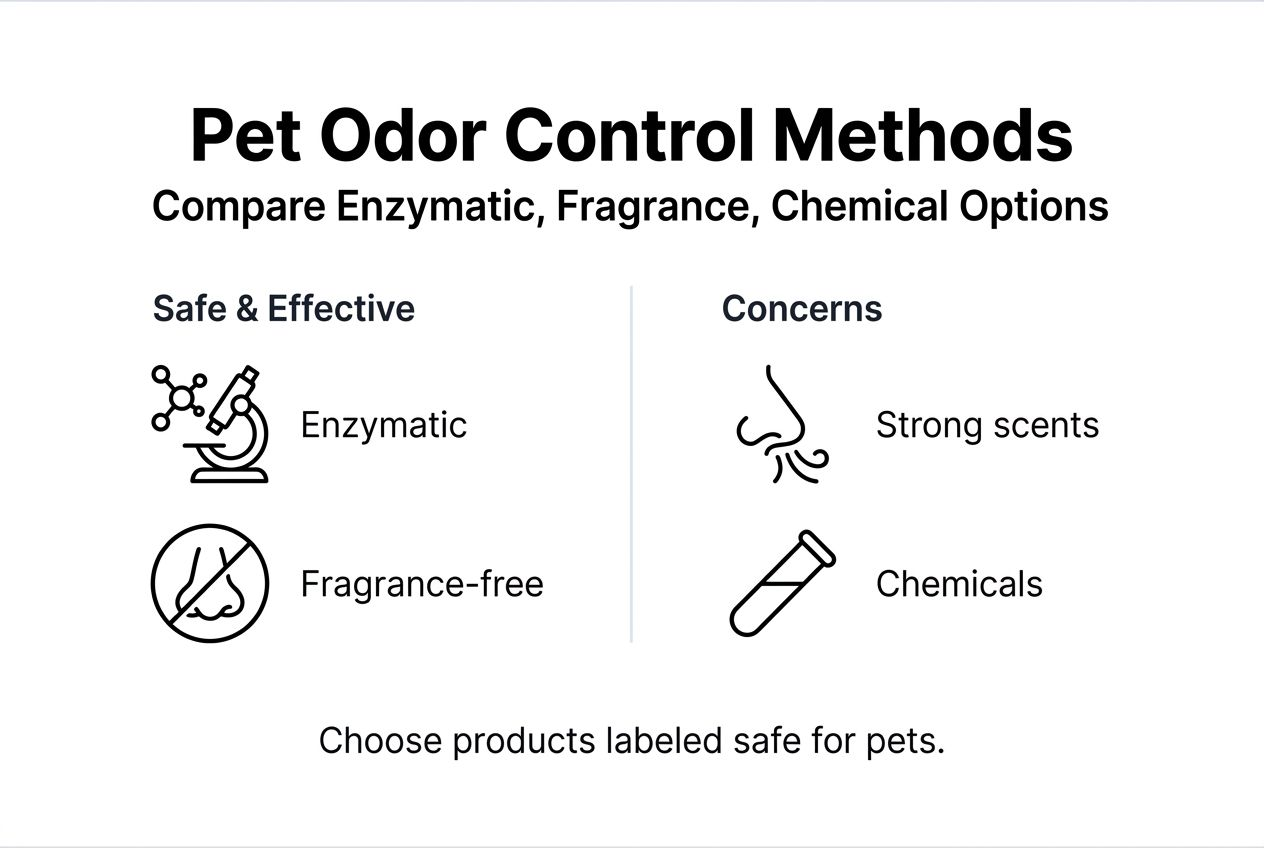
Enzymatic sprays neutralize odors chemically and maintain safe surface pH levels. These formulations work at room temperature without harsh solvents or caustic compounds. The biological mechanism ensures complete breakdown without residue that could harm pets. Proper application eliminates odors permanently rather than temporarily suppressing them.
Chemical deodorizers offer quick smell reduction but may irritate pets’ skin and surfaces. These products typically contain alcohols, quaternary ammonium compounds, or oxidizing agents. While effective at reducing immediate odor perception, they can damage protective skin barriers and respiratory linings. Repeated exposure increases sensitivity and allergic responses.
Fragrance masks increase volatile organic compounds and respiratory risks substantially. Studies document correlation between fragrance exposure and increased respiratory symptoms in pets. The compound mixture in synthetic fragrances creates cumulative health burdens affecting long-term wellness. This approach sacrifices pet health for temporary human comfort.
Choosing enzymatic and fragrance-free products supports both odor control and pet health by:
- Eliminating root causes rather than symptoms
- Avoiding respiratory irritants and skin sensitizers
- Preventing behavioral triggers for re-marking
- Maintaining healthy indoor air quality
Pro Tip: Test enzymatic products on a small hidden area first to verify compatibility with your specific surfaces and observe your pet’s reaction before widespread application.
Comparing odor control methods systematically clarifies which approaches align with your wellness priorities.
Framework for selecting safe and effective pet wellness household products
Use this decision-making framework to confidently select products that protect your pet while effectively controlling odors:
- Verify lick-safe certification and complete ingredient transparency from manufacturers
- Confirm enzymatic action targeting specific pet waste compounds like uric acid and proteins
- Ensure fragrance-free formulation to eliminate respiratory irritants and allergens
- Check for third-party safety validation from veterinary or toxicology organizations
- Assess surface compatibility with your home’s materials and pet access patterns
- Review application requirements to ensure practical integration into your routine
- Evaluate packaging options matching your household size and usage frequency
Look for lick-safe certification and ingredient transparency as non-negotiable baseline requirements. Products meeting these criteria demonstrate manufacturer commitment to pet safety over cost reduction. This transparency allows independent verification through veterinary consultation or toxicology databases.
Prioritize products with proven enzymatic odor neutralization rather than masking approaches. Over 80% of certified pet wellness professionals endorse chemical-free maintenance products for long-term health outcomes. This professional consensus reflects clinical experience with pets experiencing reduced allergic reactions and respiratory symptoms.
Avoid allergens and fragrance additives for health safety, particularly with sensitive pets. Even subtle scents indicate chemical additives that may trigger reactions. Truly fragrance-free products smell neutral or mildly like their active ingredients without added masking agents.
Consider the product’s impact on pet behavior and home environment holistically. Effective odor elimination reduces stress-related behaviors like excessive grooming and anxiety. Clean air quality improves overall household comfort for both humans and pets. Regular use and proper application maximize these benefits through consistent odor source elimination.
Consulting pet wellness product guides helps refine your selection criteria based on specific household needs.
Conclusion: practical tips to maintain a healthy, odor-free home for your pet
Use enzymatic, fragrance-free sprays regularly on odor-prone areas like litter boxes, pet beds, and accident sites. Consistent application prevents odor buildup by eliminating bacterial food sources before colonies establish. This proactive approach requires less product and effort than addressing established odors.
Maintain good ventilation and clean pet environments frequently to reduce odor intensity. Fresh air circulation dilutes airborne compounds while mechanical cleaning removes organic matter. Combining ventilation with enzymatic treatment creates optimal conditions for odor control. Regular washing of pet bedding and toys prevents odor accumulation in fabric materials.
Choose products vetted by pet wellness experts for safety and efficacy guarantees. Professional recommendations filter marketing claims through clinical experience and scientific evidence. These endorsements indicate products meeting rigorous safety standards beyond minimal regulatory requirements.
Monitor pet behavior and air quality to adjust practices as needed. Watch for signs like:
- Reduced re-marking or territorial spraying
- Decreased respiratory symptoms like coughing or sneezing
- Improved coat condition from reduced grooming stress
- Better overall mood and activity levels
Avoid fragranced and chemical deodorizer products that may harm pets despite short-term odor reduction. Long-term wellness requires prioritizing safety over convenience. The small effort of selecting appropriate products pays dividends through reduced veterinary costs and improved quality of life.
Implementing a comprehensive pet care workflow for odor-free homes ensures consistent results through systematic routines.
Explore safe pet odor eliminators from Percy Loves
Put this knowledge into action with products designed specifically for pet safety and odor elimination. Percy Loves offers enzymatic, fragrance-free formulations that align perfectly with the framework outlined in this guide.
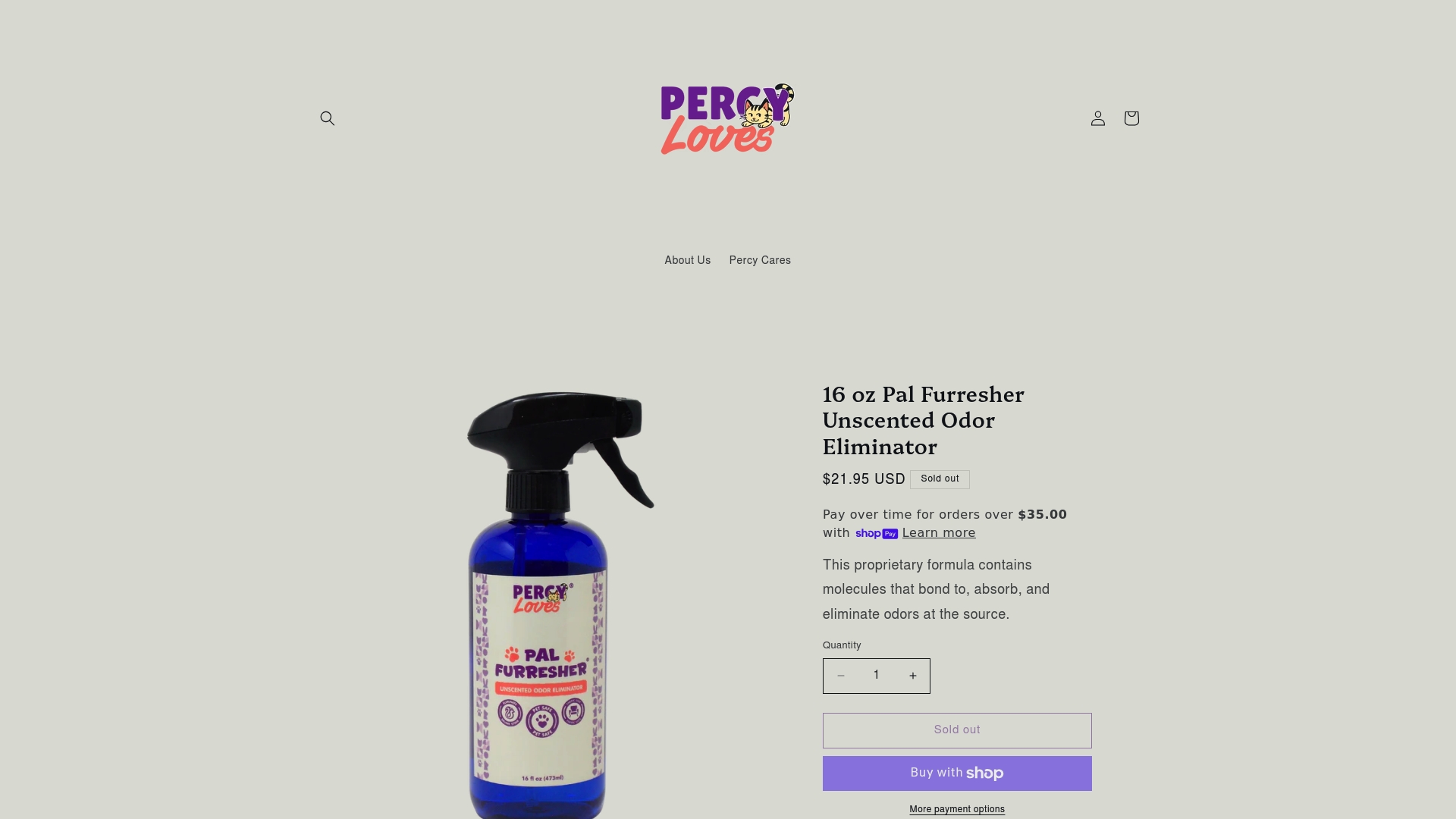
Our Pal Furresher line provides lick-safe odor elimination without harsh chemicals or fragrances. Available in convenient 4 oz sizes for targeted spot treatment or larger 16 oz bottles for whole-home maintenance. Each formula uses proprietary enzymatic action to break down odor molecules completely.
Choose from multiple Pal Furresher sizes to match your household needs and usage patterns. Every product meets the safety standards and transparency requirements discussed throughout this guide, giving you confidence in protecting your pet’s wellness.
FAQ
What ingredients should I avoid in pet odor elimination products?
Avoid phenols, phthalates, and synthetic fragrances to ensure lick-safety and reduce allergy risks. These compounds cause organ damage, hormonal disruption, and respiratory inflammation in pets. Always check ingredient lists for complete transparency rather than trusting vague marketing terms.
Are enzymatic sprays safe for pets to ingest or lick?
Properly formulated enzymatic sprays exclude toxic chemicals and fragrances, making them safe if pets lick treated surfaces. The enzymes themselves are biological catalysts that break down into harmless components. Certification and complete ingredient transparency help verify safety before purchase.
Why are fragrance-masking products discouraged for pet homes?
Fragranced products do not eliminate odor but increase indoor VOCs, worsening air quality. They raise risks of respiratory irritation in sensitive pets, with studies showing 40% higher respiratory symptoms in exposed animals. The underlying odor remains while new health risks accumulate.
How can I monitor if my odor elimination method supports my pet’s wellness?
Observe changes in pet odor intensity and re-marking behaviors as primary indicators. Watch for reduced skin irritation, respiratory symptoms like coughing, and improved coat condition. Maintain indoor air quality checks and note any changes in your pet’s activity levels and overall mood.


