

Sustainable pet care guide: eco-friendly health tips 2026
Your pet’s daily routine might be contributing more to environmental challenges than you realize. Pet food production accounts for 20% of global meat and fish consumption, creating a substantial ecological footprint. This guide helps pet parents who treat their fur babies like family discover effective, science-backed solutions that protect both pet health and our planet. You’ll learn practical strategies to reduce your pet’s environmental impact while maintaining the quality care they deserve.
Table of Contents
- Understanding The Environmental Impact Of Pet Care
- Eco-Friendly Pet Nutrition: Sustainable Protein And Ingredients
- Chemical Safety In Pet Care Products And Toxicity Concerns
- Environmental Impacts Of Packaging And Waste In Pet Products
- Sustainable Grooming And Odor Control Methods Safe For Pets
- Common Misconceptions About Eco-Friendly Pet Care Effectiveness
- Framework For Choosing Sustainable And Safe Pet Products
- Practical Steps To Reduce Your Pet’s Environmental Footprint
- Explore Eco-Friendly Pet Care Products At Percy Loves
- Frequently Asked Questions
Key takeaways
| Point | Details |
|---|---|
| Dietary impact matters most | Pet nutrition accounts for the largest share of environmental footprint, with sustainable proteins reducing carbon emissions by up to 70%. |
| Chemical-free benefits all | Eco-friendly products eliminate toxic ingredients that harm pets, families, and ecosystems while maintaining effectiveness. |
| Packaging drives waste reduction | Biodegradable materials and bulk purchasing cut landfill contributions by over 60% compared to conventional packaging. |
| Misconceptions block progress | Market data proves eco-friendly pet products match or exceed conventional options in performance and safety. |
| Four-pillar framework works | Evaluating nutrition, chemical safety, packaging, and wellness routines creates comprehensive sustainable pet care. |
Understanding the environmental impact of pet care
Pets bring joy to millions of households, but their care routines create environmental consequences many owners overlook. The ecological footprint extends far beyond feeding, encompassing products, packaging, and daily maintenance practices. Pet food produces 28 million tons of CO2 annually, making diet choices the single largest factor in your pet’s environmental impact. This massive carbon output stems primarily from meat-based protein production, which requires significant land, water, and energy resources.
The environmental effects ripple through multiple areas of pet family care. Manufacturing processes for toys, beds, and accessories consume raw materials and generate emissions. Plastic packaging from treats, supplements, and grooming supplies contributes to landfill waste and ocean pollution. Even waste disposal practices, from litter to cleanup bags, add layers of environmental concern.
Understanding these impacts empowers you to make informed choices. Pet parents who recognize the connection between daily care decisions and ecological consequences can adopt strategies that benefit both their companions and the planet. The good news is that sustainable alternatives exist across every category of pet care, from nutrition to grooming, without compromising your pet’s health or comfort.
Key environmental factors in pet care:
- Diet and protein sources dominate carbon footprint calculations
- Product manufacturing processes and material sourcing
- Packaging waste from food, treats, and supplies
- Disposal methods for waste, litter, and old products
- Transportation emissions from product distribution
Eco-friendly pet nutrition: sustainable protein and ingredients
Protein sources in pet food drive the majority of environmental impact, creating both challenges and opportunities for conscious pet parents. Conventional diets rely heavily on beef, chicken, and fish, which require extensive agricultural resources and generate substantial greenhouse gas emissions. The production chain from farm to bowl consumes water, land, and energy at rates that strain global ecosystems.
Sustainable alternatives offer dramatic improvements without sacrificing nutritional quality. Insect proteins reduce carbon footprint by up to 70% compared to traditional meat sources, while providing complete amino acid profiles pets need. Plant-based formulations combine legumes, grains, and vegetables to deliver balanced nutrition with minimal environmental cost. These alternatives address the reality that pet food causes 30% of animal production’s environmental impact.
Nutritional adequacy remains paramount when exploring sustainable options. Quality plant and insect proteins contain essential nutrients, vitamins, and minerals that support pet health across all life stages. Many formulations undergo rigorous testing to meet or exceed industry standards, ensuring your pet receives complete nutrition. The transition to sustainable proteins doesn’t mean compromising on your pet’s wellbeing, it means choosing options that protect their future environment.
| Protein Source | Carbon Footprint | Nutritional Profile | Environmental Benefits |
|---|---|---|---|
| Beef | High (27 kg CO2/kg) | Complete amino acids | Significant resource use |
| Chicken | Medium (6.9 kg CO2/kg) | Complete amino acids | Moderate impact |
| Insect | Low (2 kg CO2/kg) | Complete amino acids | 70% lower emissions |
| Plant-based | Very Low (0.9 kg CO2/kg) | Supplemented complete | Minimal resource use |
Pro Tip: Introduce new protein sources gradually over 7 to 10 days by mixing increasing amounts with current food, allowing your pet’s digestive system to adjust comfortably while you observe their response and energy levels.
Sustainable nutrition strategies:
- Research brands using insect, plant, or sustainably sourced proteins
- Check for third-party nutritional adequacy certifications
- Calculate portion sizes accurately to reduce food waste
- Store food properly to maintain freshness and prevent spoilage
- Consider supplementing with fresh, locally sourced ingredients
Implementing sustainable nutrition aligns with comprehensive pet family care principles, demonstrating that environmental responsibility and pet health work together seamlessly.
Chemical safety in pet care products and toxicity concerns
Conventional pet products often contain synthetic chemicals that pose risks to both animal health and environmental systems. Formaldehyde, phthalates, and artificial fragrances appear in shampoos, sprays, and cleaning products marketed for pet use. These substances can trigger allergic reactions, respiratory issues, and long-term health problems in sensitive pets. When washed down drains or disposed of improperly, they contaminate water supplies and harm aquatic ecosystems.
Eco-friendly products exclude toxic chemicals like formaldehyde and synthetic fragrances, protecting both indoor air quality and broader environmental health. Natural preservatives like vitamin E and rosemary extract maintain product stability without harmful side effects. Plant-based surfactants clean effectively while breaking down safely in water systems. These formulations prove that safety and effectiveness aren’t mutually exclusive.
Chemical-free options provide particular benefits for pets who groom themselves frequently. Cats and dogs ingest residues from products applied to their fur, making ingredient safety crucial. Fragrance-free formulas prevent respiratory irritation in pets with sensitive airways. The shift to natural ingredients reduces your household’s chemical load, benefiting human family members alongside pets.
Toxic ingredients to avoid:
- Formaldehyde and formaldehyde-releasing preservatives
- Synthetic fragrances and phthalates
- Parabens and sulfates
- Artificial dyes and colorants
- Triclosan and other antimicrobial agents
Pro Tip: Read ingredient lists carefully and choose products with full transparency about their formulations, looking for certifications from recognized safety organizations that verify chemical-free claims and environmental standards.
Prioritizing chemical safety creates healthier environments inside your home and reduces pollution entering ecosystems through product disposal and use.
Environmental impacts of packaging and waste in pet products
Packaging choices significantly influence the environmental footprint of pet care routines. Traditional plastic containers, bags, and wrappers contribute to the millions of tons of waste entering landfills annually. Single-use packaging from treats, supplements, and cleaning supplies accumulates quickly in households with pets. The petroleum-based materials used in conventional packaging take centuries to decompose, releasing microplastics into soil and water.
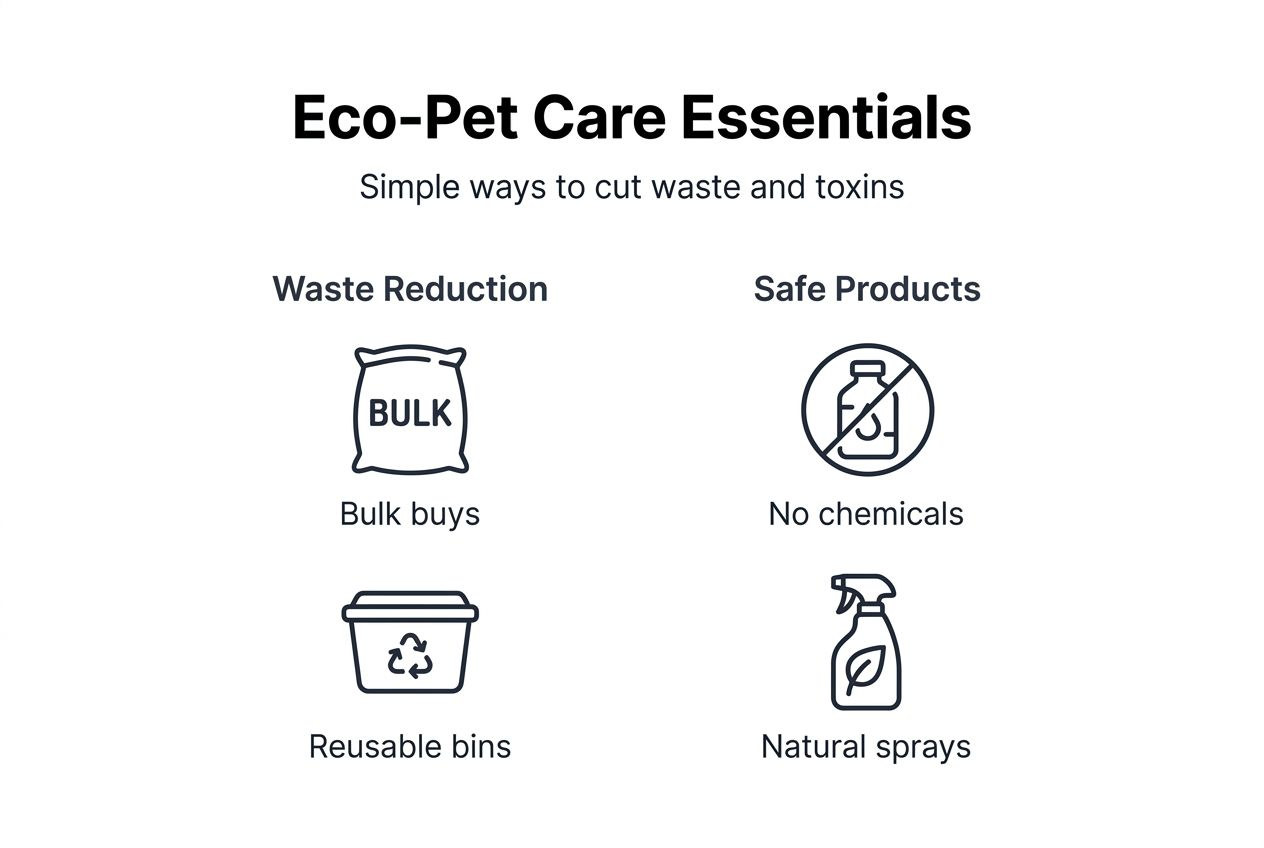
Compostable and recycled packaging cuts landfill waste by up to 60% compared to traditional materials, offering a practical solution for conscious consumers. Biodegradable options break down naturally within months rather than centuries. Brands using post-consumer recycled content reduce demand for virgin plastic production. Biodegradable waste bags and bulk buying reduce plastic waste over 50%, demonstrating how simple switches create measurable impact.
Bulk purchasing strategies minimize packaging waste per unit of product. Buying larger quantities reduces the packaging-to-product ratio while often lowering per-unit costs. Refillable containers allow you to reuse durable packaging multiple times, eliminating repeated disposal. These approaches require minimal effort but deliver substantial environmental benefits over time.
| Packaging Type | Decomposition Time | Recyclability | Environmental Impact |
|---|---|---|---|
| Conventional plastic | 500+ years | Limited | High pollution risk |
| Biodegradable plastic | 3 to 6 months | Composting facilities | Low impact |
| Recycled content | 500+ years | Yes | Reduced virgin material |
| Compostable paper | 2 to 6 weeks | Yes, composting | Minimal impact |
Practical packaging strategies:
- Choose brands offering refillable container programs
- Buy food and supplies in bulk when storage allows
- Select products with minimal or compostable packaging
- Properly recycle packaging materials according to local guidelines
- Reuse containers for storage before disposal
Thoughtful packaging choices reduce waste accumulation while supporting brands committed to environmental responsibility.
Sustainable grooming and odor control methods safe for pets
Grooming and odor management create opportunities to reduce environmental impact while protecting pet health. Conventional odor sprays rely on synthetic fragrances that mask smells temporarily without addressing underlying causes. These artificial scents release volatile organic compounds into indoor air, potentially irritating respiratory systems in both pets and humans. Harsh chemicals in traditional grooming products strip natural oils from pet coats, requiring additional products to restore balance.
Eco-friendly grooming extends beyond product selection to include water conservation and waste reduction. Waterless shampoos and grooming wipes reduce water consumption during cleaning routines. Biodegradable grooming tools made from sustainable materials replace plastic brushes and combs. Simple practices like regular brushing reduce the need for frequent bathing, conserving both water and grooming product usage.
Sustainable grooming practices:
- Use fragrance-free odor eliminators that neutralize rather than mask
- Select plant-based shampoos without synthetic additives
- Implement waterless cleaning methods between baths
- Choose grooming tools made from bamboo or recycled materials
- Establish regular brushing routines to reduce bathing frequency
Pro Tip: Combine regular grooming with eco-friendly odor control products to maintain freshness between baths, reducing water usage and product consumption while keeping your pet comfortable and clean.
Effective odor management supports overall pet wellness while demonstrating that environmental consciousness and practical effectiveness work together. Safe grooming practices protect both your pet and the planet.
Common misconceptions about eco-friendly pet care effectiveness
Skepticism about sustainable pet products often stems from outdated assumptions rather than current market realities. Many pet parents believe eco-friendly options sacrifice performance for environmental benefits, but this misconception ignores significant advances in green product technology. The gap between conventional and sustainable products has closed dramatically as manufacturers invest in research and development.
Scientific validation supports the effectiveness of plant-based ingredients and natural formulations. Studies demonstrate that sustainable proteins provide complete nutrition comparable to traditional meat sources. Natural cleaning agents derived from plants match synthetic chemicals in cleaning power while eliminating toxicity risks. Market adoption for eco-friendly pet products increased 45% to 60% year-over-year, reflecting growing consumer confidence in these alternatives.
The performance parity between sustainable and conventional products extends across all pet care categories. Eco-friendly toys withstand the same rough play as plastic alternatives. Natural flea and tick preventatives offer protection equal to chemical treatments. Biodegradable waste bags contain messes just as effectively as traditional plastic versions. Consumer trust grows as direct experience confirms that environmental responsibility doesn’t require compromise.
Myths versus realities:
- Myth: Plant proteins lack essential nutrients → Reality: Properly formulated plant proteins provide complete amino acid profiles
- Myth: Natural cleaning products work poorly → Reality: Plant-based surfactants match synthetic cleaning power
- Myth: Eco-friendly costs significantly more → Reality: Price gaps have narrowed with bulk options often competitive
- Myth: Sustainable products are hard to find → Reality: Major retailers now stock extensive eco-friendly selections
- Myth: Pets won’t accept alternative foods → Reality: Gradual transitions succeed with proper introduction methods
Addressing these misconceptions removes barriers preventing pet parents from adopting sustainable practices. Direct experience with quality eco-friendly products typically converts skeptics into advocates who appreciate both environmental and health benefits.
Framework for choosing sustainable and safe pet products
A structured approach to product selection helps pet parents balance environmental impact with pet health needs. Four core pillars create a comprehensive evaluation framework: nutrition, chemical safety, packaging sustainability, and wellness routines. Each pillar addresses specific aspects of pet care while contributing to overall ecological responsibility.
The nutrition pillar focuses on protein sources, ingredient transparency, and production methods. Evaluating carbon footprints of different proteins guides dietary choices. The chemical safety pillar examines ingredient lists for toxic substances and artificial additives. Prioritizing natural formulations protects both pets and ecosystems from harmful chemicals. The packaging pillar assesses material choices, recyclability, and waste reduction opportunities. Selecting biodegradable or recycled packaging minimizes landfill contributions.
The wellness routines pillar encompasses grooming, odor control, and preventative care practices. Integrating eco-friendly products into daily routines creates sustainable habits. This framework transforms abstract sustainability goals into concrete evaluation criteria you can apply to every purchase decision.
Product evaluation checklist:
- Review ingredient lists for natural, recognizable components
- Verify absence of toxic chemicals and synthetic fragrances
- Check packaging materials for biodegradability or recycled content
- Research brand transparency about sourcing and manufacturing
- Look for third-party certifications validating environmental claims
- Compare carbon footprints when data is available
- Assess product longevity and waste generation
- Consider bulk purchasing options to reduce packaging
Certification indicators to trust:
- USDA Organic for food and treat ingredients
- EPA Safer Choice for cleaning and grooming products
- B Corporation certification for overall company sustainability
- Carbon neutral certifications for manufacturing processes
Implementing this framework requires initial effort but becomes intuitive with practice. Start by applying criteria to products you purchase most frequently, gradually expanding to cover all pet care categories. This systematic approach ensures sustainable choices across every aspect of pet care. Reference resources like pet safety checklists and comprehensive care guides to support informed decision making.
Practical steps to reduce your pet’s environmental footprint
Translating knowledge into action requires specific, achievable steps you can implement immediately. Start with dietary changes by gradually introducing sustainable protein sources into your pet’s meals. Research brands offering insect or plant-based formulations that meet nutritional standards. Calculate appropriate portion sizes to minimize food waste while maintaining your pet’s ideal weight.
Transition to chemical-free grooming products by replacing conventional shampoos and sprays as current supplies run out. Choose fragrance-free, lick-safe alternatives that neutralize odors without toxic ingredients. Switch to biodegradable waste bags for daily cleanup routines. These bags decompose naturally, unlike traditional plastic that persists for centuries.
Adopt bulk purchasing strategies for frequently used items like food, treats, and litter. Larger quantities reduce packaging waste per unit while often providing cost savings. Support brands demonstrating commitment to sustainability through transparent practices and certifications. Your purchasing decisions signal market demand for eco-friendly options, encouraging more companies to adopt responsible practices.
Immediate action steps:
- Replace one conventional product with an eco-friendly alternative this week
- Calculate your pet’s current carbon footprint using online calculators
- Set up a bulk purchasing schedule for recurring supplies
- Create a recycling system for pet product packaging
- Join online communities sharing sustainable pet care tips
Pro Tip: Track changes in your pet care routine over three months, noting environmental improvements and any adjustments needed, using a simple spreadsheet to measure waste reduction and identify additional opportunities for sustainable practices.
Small consistent changes accumulate into significant environmental benefits over time. Each sustainable choice contributes to protecting the ecosystems your pet will enjoy for years to come.
Explore eco-friendly pet care products at Percy Loves
Finding products that align with both pet health and environmental values simplifies sustainable care routines. Percy Loves offers fragrance-free odor elimination solutions designed for pet parents who prioritize safety and effectiveness. The Pal Furresher line uses proprietary formulas that neutralize odors at the source without synthetic fragrances or harmful chemicals.
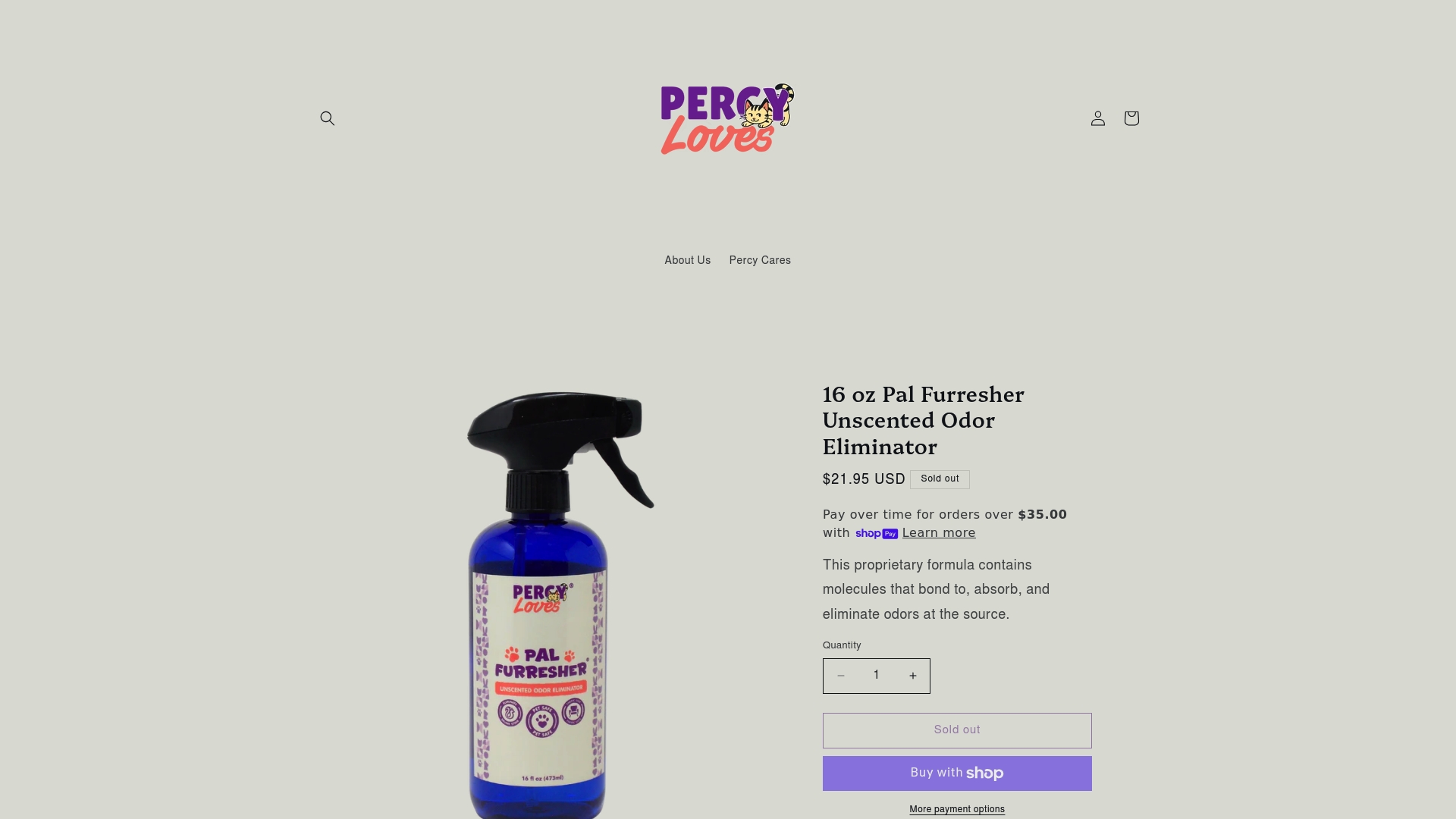
These lick-safe sprays provide peace of mind for pet parents concerned about ingredient safety. The fragrance-free formulation eliminates odors completely rather than masking them with artificial scents. Whether you need a compact 4 oz size for targeted application or a convenient multi-pack for household coverage, options suit various needs. The chemical-free approach protects your pet’s health while supporting the environmental consciousness this guide promotes.
Explore the full range of solutions designed specifically for pet parents who treat their fur babies like family. Quality and safety drive every product decision, ensuring you never compromise between effectiveness and responsibility.
Frequently asked questions
What are the environmental impacts of common pet foods?
Conventional pet foods relying on beef and chicken proteins generate substantial carbon emissions through agricultural production, processing, and transportation. Meat-based diets require extensive land, water, and energy resources that strain global ecosystems. Alternative proteins like insects and plants dramatically reduce these impacts while maintaining nutritional adequacy, offering a practical solution for environmentally conscious pet parents who want to minimize their ecological footprint without compromising pet health.
Are eco-friendly pet care products as effective as conventional options?
Market data and scientific studies confirm that eco-friendly products match or exceed conventional alternatives in performance across nutrition, grooming, and wellness categories. Natural ingredients and plant-based formulations deliver results comparable to synthetic chemicals without associated health and environmental risks. The rapid growth in sustainable pet product adoption, with market increases of 45% to 60% annually, demonstrates consumer confidence built on direct experience with effective eco-friendly alternatives that meet rigorous performance standards.
How can I safely transition my pet to a sustainable diet?
Introduce new proteins gradually over 7 to 10 days by mixing increasing proportions with current food, allowing digestive systems to adjust comfortably. Monitor your pet’s energy levels, stool consistency, and coat condition throughout the transition period. Consult with a veterinarian familiar with alternative proteins to develop a personalized nutrition plan that meets your pet’s specific health needs while achieving sustainability goals through evidence-based dietary modifications.
What should I look for when choosing eco-friendly pet grooming products?
Prioritize products with complete ingredient transparency, verifying the absence of formaldehyde, synthetic fragrances, parabens, and other toxic chemicals. Seek certifications from recognized safety organizations that validate environmental and health claims. Choose fragrance-free, lick-safe formulations that neutralize odors rather than masking them, ensuring your pet can safely groom without ingesting harmful residues while you maintain effective odor control and cleanliness.


