

How safety ensures quality pet care and well-being in 2026
Many pet owners believe dry pet foods are inherently safe due to their low moisture content, yet dry pet foods can harbor pathogens like Salmonella despite shelf stability. Safety extends far beyond food to encompass toys, hygiene products, grooming practices, and living environments. Understanding how safety measures protect your pet requires examining contamination risks, regulatory frameworks, welfare standards, and health monitoring practices. This guide explores the interconnected elements that safeguard pet well-being in 2026, empowering you to make informed choices about products and routines that keep your furry family members healthy and comfortable.
Table of Contents
- Understanding Safety Risks In Pet Food Production
- The Critical Role Of Quality Control And Regulation In Pet Product Safety
- Ensuring Safety Through Animal Welfare And Product Design Standards
- Recognizing And Responding To Pet Health Risks Related To Product Safety
- Discover Safe And Effective Pet Care Products At Percy Loves
- Frequently Asked Questions
Key takeaways
| Point | Details |
|---|---|
| Safety spans multiple domains | Pet safety encompasses food production, toy design, hygiene products, grooming practices, and environmental standards. |
| Contamination risks persist | Even low-moisture pet foods can harbor pathogens through ingredient sourcing, processing environments, and post-production handling. |
| Regulations protect pets | Quality control inspections and regulatory compliance prevent harmful bacteria, toxins, and design flaws in pet products. |
| Welfare codes matter | Animal welfare standards ensure proper housing, grooming safety, and protection from physical and psychological harm. |
| Early recognition saves lives | Identifying poisoning symptoms quickly and choosing tested products reduces health risks and improves treatment outcomes. |
Understanding safety risks in pet food production
The pet food industry faces contamination challenges similar to human food manufacturing, yet many owners underestimate these risks. Dry pet foods typically contain 5 to 12 percent moisture, which provides excellent shelf stability and prevents microbial growth during storage. However, this low water activity does not eliminate pathogens already present from ingredients, processing equipment, or environmental sources. Pathogens can persist in low-moisture products and manufacturing environments for extended periods, creating ongoing contamination risks throughout the supply chain.
Contamination pathways in pet food production mirror those in crackers, cereals, and other human low-moisture foods. Raw ingredients may arrive contaminated from suppliers, introducing bacteria before processing begins. Manufacturing environments accumulate dust, harbor pests, and develop biofilms on equipment surfaces that transfer pathogens to finished products. Cross-contamination occurs when shared equipment processes different product lines without adequate cleaning between batches. Post-processing steps pose additional risks, particularly when manufacturers apply flavor coatings or topical nutrients to finished kibble without subsequent heat treatment to eliminate introduced pathogens.
Pet owners often assume that cooking or extrusion kills all harmful organisms, yet post-production handling negates these safety steps. Consider this reality:
Manufacturing facilities that produce both raw and cooked pet foods face heightened cross-contamination risks, requiring stringent zoning and sanitation protocols to prevent pathogen transfer between production areas.
The consequences extend beyond pet health to include human exposure risks. Pets consume contaminated food, then transfer pathogens through saliva, feces, and direct contact with family members. Children face particular vulnerability when playing with pets or touching contaminated food bowls. Understanding these risks helps you appreciate why safe pet wellness products and rigorous food safety standards matter for your entire household.
Key contamination sources include:
- Raw ingredient suppliers with inadequate safety controls
- Processing equipment harboring bacterial biofilms
- Environmental dust and airborne particles in manufacturing facilities
- Pest activity introducing fecal contamination
- Post-processing flavor additions without sterilization
- Inadequate employee hygiene and facility sanitation
The critical role of quality control and regulation in pet product safety
Quality control systems form the foundation of pet product safety across all categories, from food and treats to toys, grooming supplies, and health products. These inspections verify that products meet functional specifications, comply with safety regulations, and protect against recalls that damage both pets and company reputations. Quality control inspections safeguard pet health through systematic testing of materials, manufacturing processes, and finished goods before they reach your home.
Regulatory frameworks establish minimum safety standards that manufacturers must meet to sell products legally. These requirements include ingredient disclosure, manufacturing facility registration, hazard analysis protocols, and traceability systems that track products from raw materials through distribution. Compliance with regulations protects pet owners by ensuring products contain accurate labeling, appropriate usage instructions, and warnings about potential hazards. Companies that skip these steps face legal consequences, but more importantly, they endanger the pets relying on their products.
Pet food safety regulations specifically address contamination prevention through multiple mechanisms. Regulatory standards ensure food is free from bacteria, toxins, and mislabeled ingredients by requiring manufacturers to implement preventive controls, conduct environmental monitoring, and test finished products before distribution. Supplier qualification programs verify that ingredient sources maintain adequate safety standards. Routine audits confirm that manufacturing facilities follow good manufacturing practices and maintain sanitation protocols that prevent pathogen establishment.
The benefits of robust quality control extend throughout the pet care ecosystem. Pet owners gain confidence that products will perform as advertised without causing harm. Pets receive consistent nutrition, safe play items, and effective health products that support their well-being. Companies protect their brand reputation and avoid costly recalls that destroy consumer trust. Veterinarians can recommend products knowing they meet verified safety standards. This interconnected system only works when every participant commits to rigorous safety practices.
Pro Tip: Request certificates of analysis and third-party testing results from pet product manufacturers to verify their quality control claims before making purchases.
Essential quality control elements include:
- Incoming ingredient testing for contaminants and nutritional content
- In-process monitoring of critical control points during manufacturing
- Finished product testing for pathogens, toxins, and specification compliance
- Environmental monitoring for Salmonella, Listeria, and other hazards
- Supplier audits verifying raw material safety programs
- Traceability systems enabling rapid recall execution if problems emerge
Implementing safe pet health routines requires understanding which products meet these rigorous standards. Look for manufacturers that voluntarily exceed minimum regulatory requirements, publish testing results, and maintain transparent communication about their safety programs. The pet product safety guide provides additional frameworks for evaluating product quality and manufacturer credibility.
Ensuring safety through animal welfare and product design standards
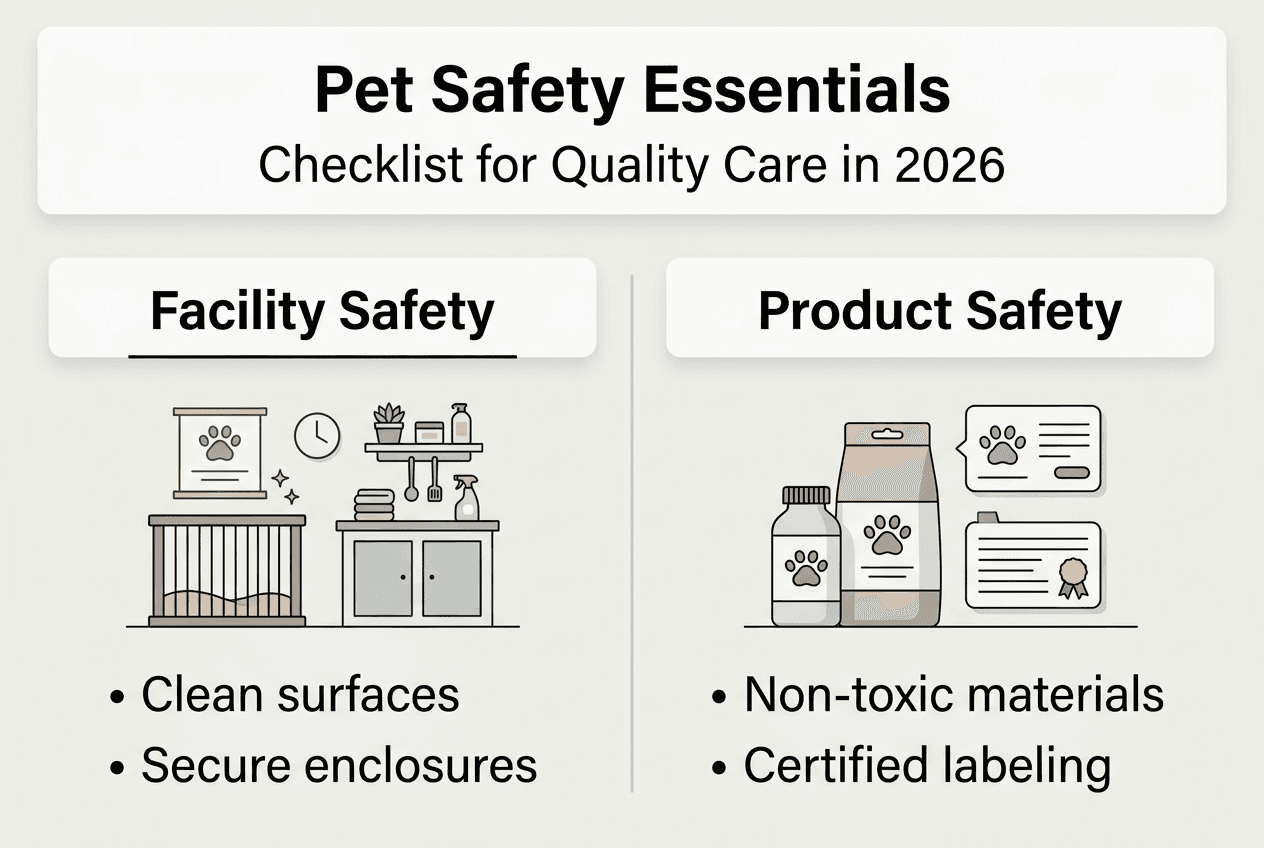
Animal welfare codes establish minimum requirements for protecting pets during grooming, boarding, and veterinary care. The NSW Animal Welfare Code of Practice No 8 sets specific requirements for grooming establishments, including proper accommodation, protection from harm, adequate space and water, and access to veterinary care when needed. These standards recognize that safety extends beyond physical health to include psychological well-being, requiring facilities to minimize stress and provide environments that support natural behaviors.
Enclosure design directly impacts pet safety in grooming and boarding facilities. Proper enclosures must be hygienic and easy to clean, preventing bacterial accumulation that causes infections. They should prevent injury through appropriate sizing, secure latching mechanisms, and elimination of sharp edges or protrusions. Adequate ventilation maintains air quality and reduces respiratory irritants. Appropriate temperature control prevents heat stress or hypothermia. These design elements seem basic, yet many facilities overlook critical details that compromise pet safety during temporary care.
Toy safety standards protect pets from ingestion hazards, toxic materials, and mechanical failures that cause injury. ASTM F963-17 toy safety standards guide manufacturers on appropriate materials, construction methods, and testing protocols, covering mechanical properties, chemical composition, and flammability characteristics. Small parts create choking hazards for both pets and children who might access pet toys. Manufacturers must design products that withstand aggressive chewing without breaking into dangerous fragments or releasing filling materials that cause intestinal blockages.
Material selection determines whether toys introduce toxic substances into your home environment. Food-grade plastics and medical-grade silicones provide safe alternatives to materials containing phthalates, lead, or other harmful chemicals. Natural rubber offers durability without synthetic additives, though quality varies significantly between manufacturers. Fabric toys should use non-toxic dyes and avoid small decorative elements that detach during play. Understanding these material differences helps you select products that support rather than undermine pet safety.
| Safety Aspect | Grooming Facilities | Pet Toys |
|---|---|---|
| Primary Standards | Animal Welfare Codes | ASTM F963-17 |
| Key Hazards | Stress, injury, inadequate care | Choking, toxins, breakage |
| Material Requirements | Hygienic, easy to clean surfaces | Non-toxic, durable construction |
| Design Focus | Space, ventilation, secure enclosures | Size-appropriate, no small parts |
| Inspection Priority | Accommodation quality, staff training | Chemical testing, mechanical strength |
Pro Tip: Test new toys under supervision for the first few sessions to identify potential breakage points or design flaws before allowing unsupervised access.
Implementing these standards requires active participation from both manufacturers and pet owners. Companies must invest in quality materials, rigorous testing, and transparent labeling that helps consumers make informed choices. Pet owners should research products before purchase, inspect items regularly for wear or damage, and remove compromised toys immediately. Dog grooming safety basics provide additional guidance on selecting qualified service providers who prioritize welfare standards.
Critical safety considerations include:
- Enclosure size appropriate for pet dimensions and activity level
- Secure latching mechanisms preventing escape or entrapment
- Non-porous surfaces that resist bacterial colonization
- Adequate supervision ratios in group settings
- Emergency protocols for injury or illness during care
- Regular toy inspections identifying wear before failure
The pet safety checklist helps you evaluate both products and service providers against these comprehensive safety criteria, ensuring your pet receives consistent protection across all care settings.
Recognizing and responding to pet health risks related to product safety
Specific health hazards emerge when pets encounter unsafe products or inappropriate treatments. Iron EDTA toxicosis presents with vomiting, lethargy, and diarrhea after dogs ingest fertilizers or supplements containing this compound, yet survival rates reach approximately 92 percent with early veterinary intervention. The progression from initial symptoms to severe metabolic acidosis occurs rapidly, requiring immediate recognition and treatment initiation. Pet owners who understand these warning signs can act quickly, dramatically improving outcomes through timely veterinary care.
Treatment protocols themselves carry risks that require careful monitoring. Desferoxamine causes anaphylactic and allergic reactions in some patients, along with neutropenia and rare respiratory distress, despite being the standard treatment for iron toxicosis. Veterinarians must balance treatment benefits against potential adverse effects, adjusting protocols based on individual patient responses. This complexity underscores why professional veterinary care exceeds home treatment attempts, even when owners correctly identify the toxin involved.
Early symptom recognition forms your first line of defense against product-related health risks. Unusual lethargy suggests systemic illness requiring investigation. Vomiting or diarrhea lasting more than a few hours indicates potential poisoning or contamination exposure. Behavioral changes like hiding, aggression, or vocalization signal discomfort or pain. Respiratory changes including coughing, wheezing, or rapid breathing suggest airway irritation or allergic reactions. Documenting these symptoms and their timeline helps veterinarians diagnose problems quickly and initiate appropriate treatments.
Pet owners who maintain detailed records of their pet’s normal behavior patterns, dietary intake, and product exposures can provide critical diagnostic information during emergency veterinary visits, accelerating treatment and improving outcomes.
Prevention strategies reduce exposure to harmful substances before problems develop. Choose products from manufacturers with transparent safety testing and quality control programs. Store pet products according to label instructions, preventing degradation that creates toxic byproducts. Supervise pets during product use, watching for adverse reactions that require immediate intervention. Maintain safe pet health routines that include regular veterinary checkups, allowing early detection of subclinical problems before they become emergencies.
Recognition and response steps include:
- Monitor your pet’s behavior daily, establishing baseline patterns that reveal changes
- Identify potential toxin sources in your home and yard, securing or eliminating them
- Keep emergency veterinary contact information readily accessible
- Document symptoms with photos or videos when possible for veterinary review
- Transport suspected toxin containers to veterinary appointments for identification
- Follow treatment protocols exactly as prescribed, reporting any adverse reactions immediately
Regular health monitoring integrates seamlessly with daily pet care routines. Brief daily observations during feeding, play, and rest periods reveal changes before they progress to emergencies. Weekly weight checks identify gradual changes that signal chronic problems. Monthly grooming sessions allow detailed skin and coat inspections. These simple practices cost nothing yet provide invaluable early warning systems that protect your pet’s health and safety.
Discover safe and effective pet care products at Percy Loves
Understanding safety principles helps you evaluate products, but finding trusted solutions simplifies daily pet care. Percy Loves specializes in unscented odor eliminators formulated specifically for pet safety and effectiveness, addressing hygiene challenges without introducing harmful chemicals or fragrances that irritate sensitive pets. The proprietary formula works at the molecular level to eliminate odors rather than masking them, creating genuinely fresh environments that support pet health and comfort.
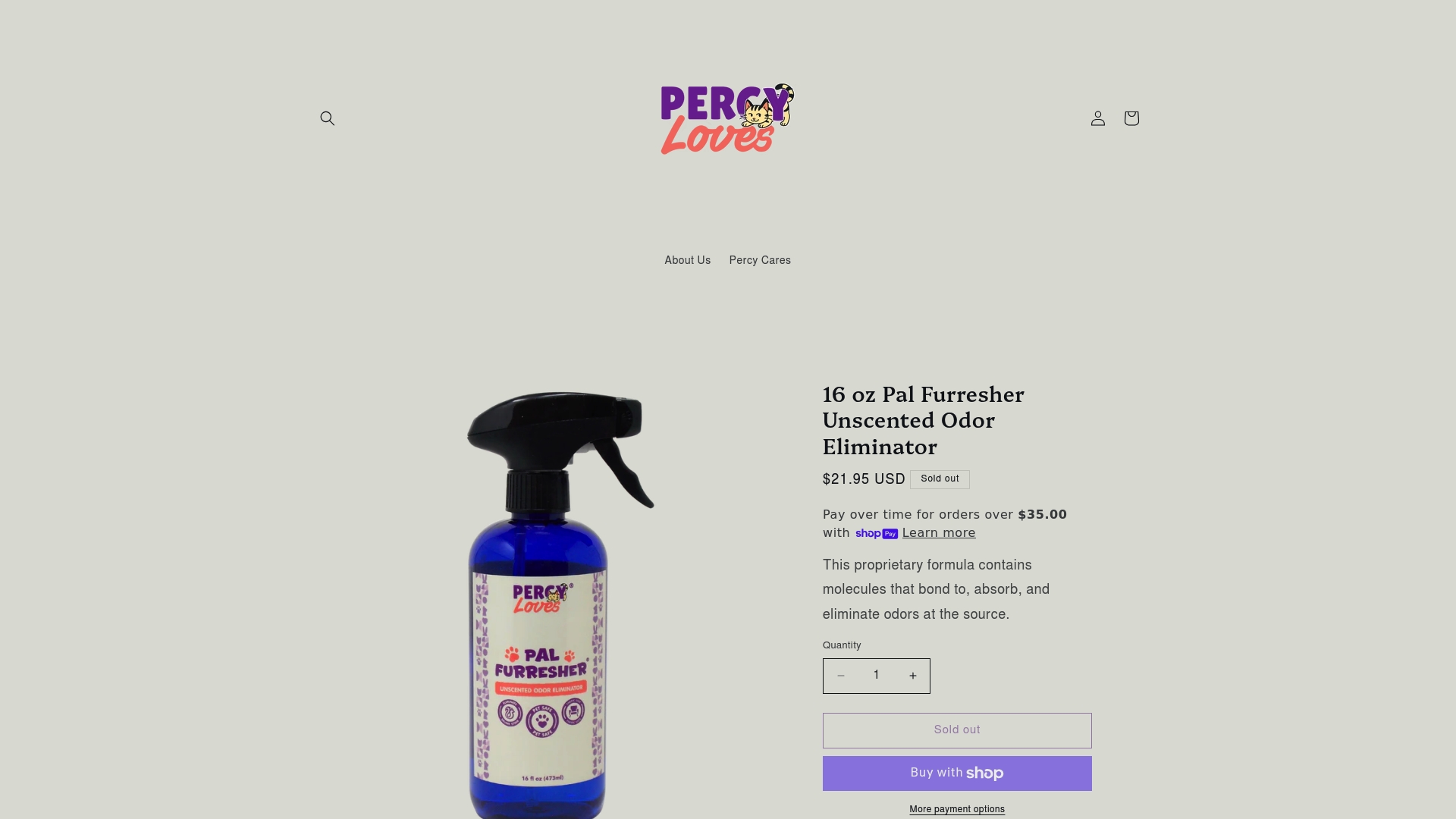
Maintaining hygienic living spaces reduces bacterial growth and prevents odor accumulation that signals contamination. Regular use of safe odor control products complements proper cleaning routines, creating environments where pets thrive. The 4 oz Pal Furresher odor eliminator provides portable convenience for spot treatments, while the 16 oz Pal Furresher odor eliminator offers economical coverage for larger areas. Both formulations meet rigorous safety standards, providing peace of mind that your hygiene practices support rather than compromise pet well-being.
Pro Tip: Apply odor eliminators immediately after cleaning litter boxes, bedding, or accident sites to prevent bacterial establishment and odor development in high-risk areas.
Explore the complete range of safe pet care solutions at Percy Loves, where quality and safety remain paramount in every product formulation and customer interaction.
Frequently asked questions
What is the role of safety in pet care?
Safety protects pets from physical harm, toxic exposures, and psychological stress across all care domains. It ensures products function as intended without introducing hazards that compromise health or comfort. Effective safety practices combine regulatory compliance, quality control, informed product selection, and vigilant monitoring. These interconnected elements create environments where pets thrive while minimizing risks that lead to injury, illness, or behavioral problems. Refer to the pet safety checklist for comprehensive guidance on implementing safety practices throughout your home.
How can contamination occur in dry pet food despite low moisture?
Low moisture prevents microbial growth but does not eliminate pathogens present from ingredients or environmental sources. Pathogens persist in low-moisture pet food products and manufacturing environments despite low water activity. Contamination enters through raw ingredients, processing equipment biofilms, environmental dust, pest activity, and post-processing additions like flavor coatings applied without subsequent sterilization. These multiple pathways require comprehensive control strategies throughout the supply chain to ensure finished products remain safe for consumption.
What should I look for to ensure pet product safety and quality?
Check for regulatory compliance marks and safety certifications from recognized testing organizations. Quality control includes inspections and compliance checks that verify product safety and effectiveness. Prefer products with clear usage instructions, ingredient disclosure, and traceability information that enables rapid response if problems emerge. Look for manufacturers that conduct rigorous testing, publish results transparently, and maintain responsive customer service. Avoid products with vague labeling, unclear sourcing, or potential toxic substances. The pet product safety guide provides detailed evaluation frameworks.
How can I recognize and respond to potential poisonings or health risks in my pet?
Watch for vomiting, lethargy, diarrhea, or unusual behavior after exposure to unknown substances or new products. Common signs of iron EDTA poisoning include vomiting and lethargy, with early treatment improving survival significantly. Seek veterinary care immediately if poisoning is suspected, bringing product containers or samples for identification. Follow treatment protocols exactly as prescribed and monitor for adverse reactions to medications. Document symptoms with photos or videos when possible to aid diagnosis. Maintain safe pet health routines that include regular checkups, enabling early detection before problems become emergencies.


