

What is pet cleaning safety? Protect your pets in 2026
Most pet owners assume their cleaning products are safe around their furry family members, yet many household cleaners contain chemicals harmful to pets causing serious health issues. From respiratory distress to systemic poisoning, the risks lurk in everyday products you likely already use. This guide reveals what pet cleaning safety truly means, helping you identify hidden hazards, choose safe alternatives, and create a genuinely pet-friendly clean home in 2026.
Table of Contents
- Understanding The Hazards Of Common Cleaning Products
- Comparing Natural, Conventional, And Pet-Safe Cleaning Products
- Practical Steps To Ensure Pet Cleaning Safety At Home
- Recognizing And Responding To Pet Exposure Emergencies
- Protect Your Pets With Safe Odor Eliminators From Percy Loves
- Frequently Asked Questions
Key takeaways
| Point | Details |
|---|---|
| Common chemicals pose serious risks | Bleach, ammonia, and harsh detergents can cause respiratory issues, skin irritation, and poisoning in pets. |
| Exposure happens multiple ways | Pets inhale fumes, contact surfaces, and ingest toxins through grooming or direct consumption. |
| Natural labels don’t guarantee safety | Essential oils and natural ingredients can be highly toxic, especially to cats lacking detoxifying enzymes. |
| Safe alternatives exist and work | Certain cleaners, white vinegar, and baking soda effectively clean without endangering pet health. |
| Storage and product choice prevent emergencies | Locked cabinets and careful ingredient research dramatically reduce poisoning risks. |
Understanding the hazards of common cleaning products
Your cleaning cabinet likely contains multiple products that could harm your pets. Bleach, ammonia, phenols, and harsh detergents appear in everyday cleaners from floor solutions to bathroom sprays. Poisoning from cleaning agents is a common and potentially life-threatening emergency in small animals.
Pets encounter these toxins through three main routes: inhalation of fumes during cleaning, skin contact with wet or residue-covered surfaces, and ingestion when licking paws or fur. Cats face amplified risk because their grooming behavior means they consume whatever lands on their coat. Dogs often investigate and lick freshly cleaned floors or may directly access unsecured products.
Symptoms range dramatically based on exposure type and amount. Mild cases produce drooling, watery eyes, or temporary skin irritation. Severe poisoning triggers vomiting, difficulty breathing, seizures, organ damage, or death. Corrosive substances like drain cleaners cause immediate burns to mouth, throat, and digestive tract tissues.
Common harmful ingredients include:
- Chlorine bleach: damages respiratory system, burns skin and mucous membranes
- Ammonia: irritates eyes and lungs, toxic when mixed with bleach
- Phenols and pine oils: extremely toxic to cats, cause liver damage
- Quaternary ammonium compounds: trigger skin allergies and respiratory distress
- Formaldehyde: carcinogenic, causes respiratory irritation
Pro Tip: Cats are particularly vulnerable to phenol-based cleaners found in many disinfectants because they lack the liver enzyme glucuronyl transferase needed to break down these compounds.
Understanding pet cleaning safety overview helps you recognize which products pose the greatest threats. The Hill’s Pet cleaning safety resources provide additional ingredient information to evaluate your current cleaning products.
Comparing natural, conventional, and pet-safe cleaning products
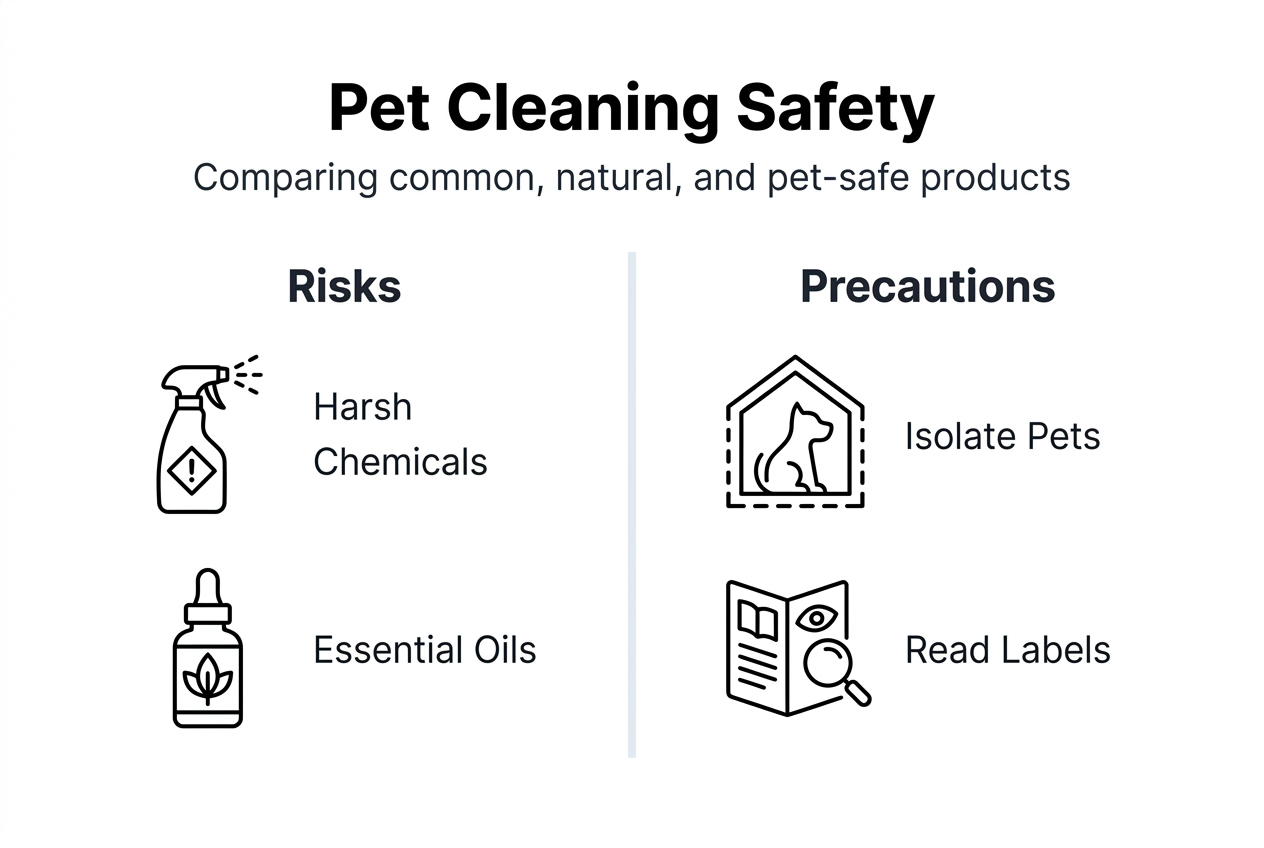
The “natural” label creates a dangerous false sense of security for pet owners. Products labeled as natural or environmentally friendly can cause poisoning symptoms in pets just as readily as conventional chemicals. Essential oils represent a prime example: tea tree, peppermint, eucalyptus, and citrus oils are highly toxic to animals.
Cats particularly struggle with essential oils because they lack liver enzymes needed to process them. Even diffusing these oils creates airborne particles that settle on fur, leading to poisoning through grooming. Dogs can also experience toxicity, though typically through more concentrated exposure.
| Product Type | Safety Level | Key Considerations |
|---|---|---|
| Conventional chemical cleaners | Low to moderate | Contains bleach, ammonia, phenols; high toxicity risk; requires careful handling |
| Natural/green labeled products | Variable | May contain toxic essential oils; research ingredients individually |
| Pet-safe enzyme-free cleaners | High | Breaks down organic matter safely; effective for odors and stains |
| Basic household items (vinegar, baking soda) | High | Non-toxic when used properly; effective for most cleaning tasks |
Conventional products vary widely in safety. Some manufacturers now offer pet-friendly formulations, but you must verify ingredients rather than trusting marketing claims. Products with strong fragrances, whether synthetic or natural, often indicate harmful volatile compounds that irritate pet respiratory systems.
Recommended safe alternatives include cleaners specifically formulated for pet households, white vinegar diluted with water for surface cleaning, baking soda for scrubbing and deodorizing, and castile soap for general cleaning. These options clean effectively without endangering your pets.
Pro Tip: Create a simple all-purpose cleaner by mixing one part white vinegar with one part water in a spray bottle. This solution safely cleans most surfaces and naturally eliminates odors without harmful residues.
When evaluating any product, check the dog safe home cleaning guide for ingredient warnings. Resources like PetsVetCheck cleaning product poisoning and BHG pet-safe cleaning advice offer detailed safety information for specific ingredients.
Practical steps to ensure pet cleaning safety at home
Protecting your pets requires both smart product choices and careful usage practices. Always read product labels and follow safety instructions while storing cleaning products securely out of pets’ reach. These fundamental steps prevent the majority of poisoning incidents.
Start by securing all cleaning products in locked cabinets or high shelves pets cannot access. Never leave bottles unattended during cleaning sessions, even briefly. Curious pets investigate new scents and may knock over or chew through containers in seconds.
Follow these steps to maintain a pet-safe clean home:
- Replace hazardous products with pet-safe cleaners, white vinegar, and baking soda for cleaning needs
- Remove pets from rooms during cleaning and ventilate areas thoroughly before allowing them back
- Rinse all cleaned surfaces with plain water to eliminate residues pets might contact
- Let floors dry completely before permitting pet access to prevent paw pad exposure
- Dispose of used cleaning cloths immediately in secured trash containers
- Never mix cleaning products, which can create toxic fumes even from safe ingredients
Pay special attention to floors since pets spend substantial time in direct contact with these surfaces. Their paws absorb chemicals, which they then ingest during grooming. Use minimal product amounts and ensure thorough rinsing.
Pro Tip: Keep a dedicated “pet-safe cleaning kit” with approved products clearly marked. This prevents accidental use of harmful cleaners and makes it easy for family members or pet sitters to maintain safe practices.
Consult the pet safety checklist to verify you’ve addressed all potential hazards. The Hill’s Pet safety instructions provide manufacturer-specific guidance for many common household products.
For cleaning products you must use that contain harsh chemicals, apply them only when pets are completely removed from the home for several hours. This protects them from both direct contact and lingering fumes that irritate sensitive respiratory systems.
Recognizing and responding to pet exposure emergencies
Quick recognition of poisoning symptoms can save your pet’s life. Symptoms of cleaning product poisoning vary widely, requiring prompt recognition and treatment. The specific signs depend on the substance involved and exposure route.
Common symptoms include:
- Excessive drooling or foaming at the mouth
- Vomiting or diarrhea
- Coughing, sneezing, or difficulty breathing
- Red, irritated skin or chemical burns
- Pawing at the mouth or face
- Lethargy or weakness
- Tremors or seizures
- Loss of appetite or coordination problems
Cats often show symptoms earlier than dogs due to their grooming behavior concentrating toxins. They may display increased agitation, hiding behavior, or excessive grooming of affected areas. Dogs typically present with more obvious digestive symptoms if they’ve ingested the substance directly.
If you suspect poisoning, take immediate action. Remove your pet from the contaminated area to prevent additional exposure. Do not induce vomiting unless explicitly instructed by a veterinarian, especially with corrosive substances that cause additional damage coming back up.
Contact your veterinarian or pet poison control immediately. Have the product container available to provide exact ingredient information. Note the time of exposure and symptoms observed. Professional guidance determines whether you can manage care at home or need emergency veterinary treatment.
Veterinary treatment typically involves decontamination through bathing for skin exposure or activated charcoal for ingestion, if appropriate. Supportive care addresses symptoms: IV fluids for dehydration, oxygen therapy for respiratory distress, medications to control vomiting or seizures. Severe cases may require hospitalization for monitoring and intensive treatment.
Keep emergency contacts readily accessible, including your regular vet’s after-hours number, the nearest 24-hour emergency clinic, and the Pet Poison Helpline. Creating a plan before emergencies occur, as outlined in pet poisoning emergency plans, ensures you respond effectively under stress. Additional details on pet poisoning symptoms and treatment help you understand what to expect during recovery.
Protect your pets with safe odor eliminators from Percy Loves
Maintaining a fresh, clean home shouldn’t mean compromising your pets’ health. Percy Loves understands this challenge firsthand. Percy, a real cat with real odor issues, inspired the creation of Pal Furresher, a fragrance-free odor elimination spray that’s completely lick safe.
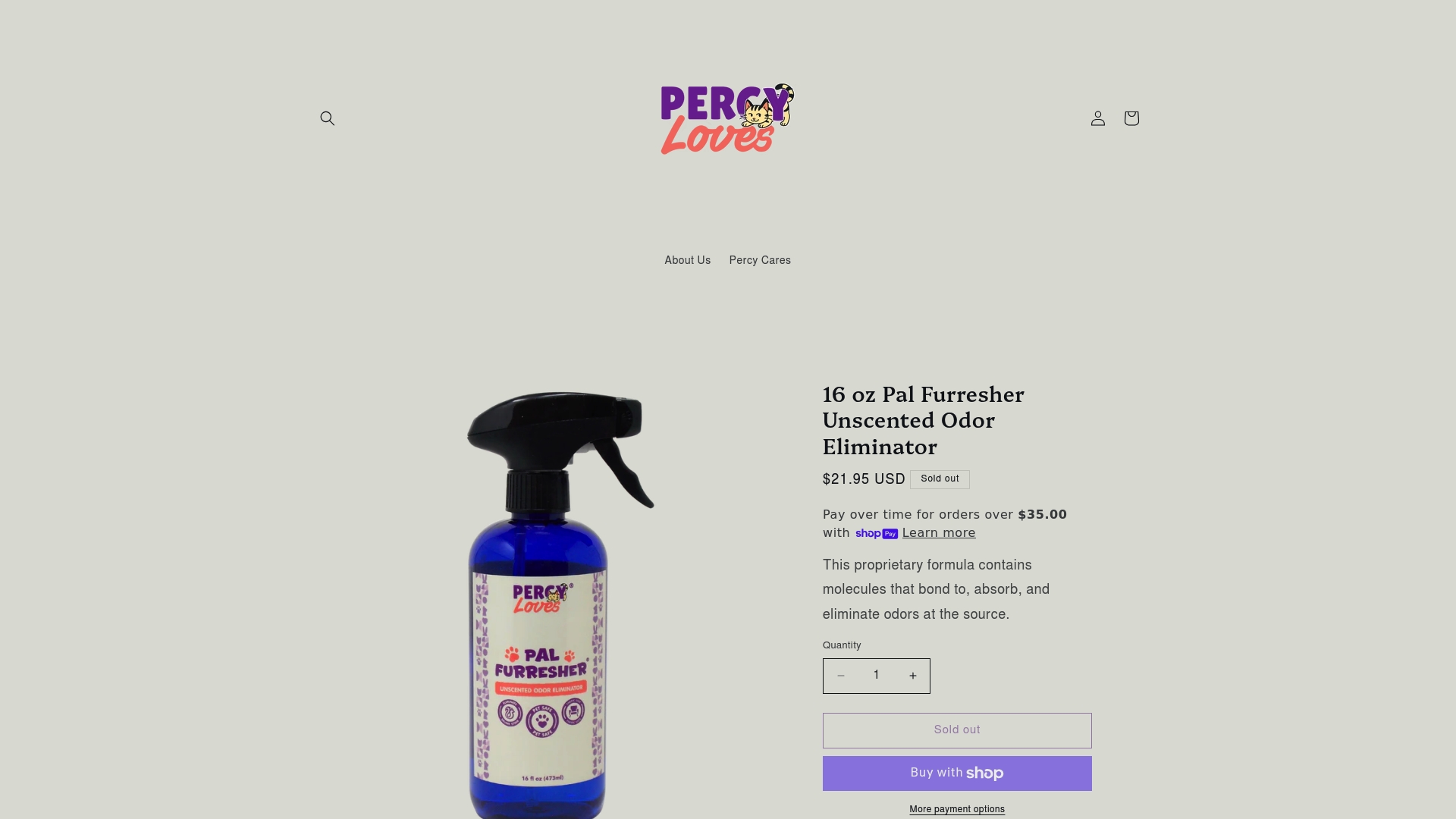
Unlike conventional air fresheners and cleaners that mask odors with harmful fragrances or harsh chemicals, Pal Furresher unscented odor eliminator works at the source using a proprietary formula that completely eliminates funk without endangering your furry family members. Available in practical sizes for every cleaning need, these products align perfectly with the pet cleaning safety principles throughout this guide. Discover the full range of safe, effective solutions at Percy Loves and give your pets the protection they deserve.
Frequently asked questions
Is natural cleaning always safe for pets?
No, natural does not guarantee pet safety. Many essential oils like tea tree, peppermint, and eucalyptus are highly toxic to pets, especially cats who lack the liver enzymes to process them. Always research specific ingredients regardless of natural labeling, as botanical compounds can be as dangerous as synthetic chemicals.
How can I safely store cleaning products around pets?
Store all cleaning products in locked cabinets or on high shelves completely inaccessible to pets. Never leave products unattended during use, even momentarily, as curious pets can knock over or chew through containers in seconds. Secure storage prevents the vast majority of accidental poisoning incidents.
What are the first signs of cleaning product poisoning in pets?
Watch for excessive drooling, vomiting, coughing, difficulty breathing, or skin irritation. Cats may show increased agitation or hiding behavior due to grooming-related ingestion. Seek immediate veterinary help if any symptoms appear, as rapid treatment significantly improves outcomes.
Are enzyme-based cleaners effective and safe for pets?
Yes, enzyme-based cleaners effectively break down organic matter, eliminating odors and stains without harmful chemicals. They are generally safe for pets when used as directed and properly rinsed, however many pets are sensitive to them.


