

Guide to pet health routines for safe, quality care in 2026
Many pet owners miss early signs of health problems simply because they don’t know what to look for or when to check. Subtle changes in appetite, behavior, or appearance often go unnoticed until a condition becomes serious. Establishing a consistent health routine transforms you from a reactive owner into a proactive guardian of your pet’s wellbeing. This guide provides practical steps and expert tips to build safe, effective routines that catch issues early, reduce veterinary emergencies, and extend your pet’s healthy years. You’ll learn daily checks, monthly assessments, and how to adapt care as your pet ages.
Table of Contents
- Understanding The Importance Of Pet Health Routines
- Setting Up Effective Daily And Monthly Health Checks
- Adapting Nutrition And Activity Routines For Aging Pets
- Considering Spay And Neuter Decisions In Your Health Routine
- Explore Percy Loves Safe Pet Care Products
- FAQ
Key takeaways
| Point | Details |
|---|---|
| Early detection saves lives | Consistent routines help you spot health issues before they become emergencies, reducing treatment costs and improving outcomes. |
| Monthly checks take 10 minutes | A structured monthly assessment covers appetite, behavior, lumps, and bathroom habits efficiently. |
| Daily grooming monitors changes | Brushing and checking skin, eyes, ears, and teeth daily maintains hygiene while revealing early warning signs. |
| Age demands routine adjustments | Older pets need smaller, more frequent meals and modified activity levels to maintain quality of life. |
| Spay/neuter requires informed choice | Recent research shows potential health risks, making individualized decisions with your vet essential. |
Understanding the importance of pet health routines
Responsible pet ownership begins long before you bring an animal home. Choosing a pet that matches your lifestyle, living space, and activity level sets the foundation for successful care. A high-energy breed in a small apartment creates stress for both owner and pet, while a sedentary cat thrives in that same environment. Matching temperament and needs prevents behavioral problems and health issues down the road.
Routine preventative care reduces disease risk and extends lifespan significantly. Proper management prevents and controls disease in small animals through consistent monitoring and early intervention. Regular health checks catch problems when treatment is simplest and most effective. Waiting until symptoms become obvious often means dealing with advanced conditions requiring expensive, invasive procedures.
Monitoring basic behavior signs provides powerful early warning systems. Watch for these indicators during daily interactions:
- Appetite changes, either increased or decreased eating
- Movement differences, including limping, stiffness, or reluctance to jump
- Bathroom habit shifts in frequency, consistency, or location
- Energy level variations, from lethargy to hyperactivity
- Social behavior modifications, such as hiding or aggression
Grooming serves dual purposes beyond keeping your pet clean. Routine care and grooming maintain health while enabling early identification of problems. Brushing reveals skin conditions, lumps, or parasites you’d otherwise miss. Checking ears during grooming detects infections before they cause pain. Examining teeth shows tartar buildup or gum disease requiring attention.
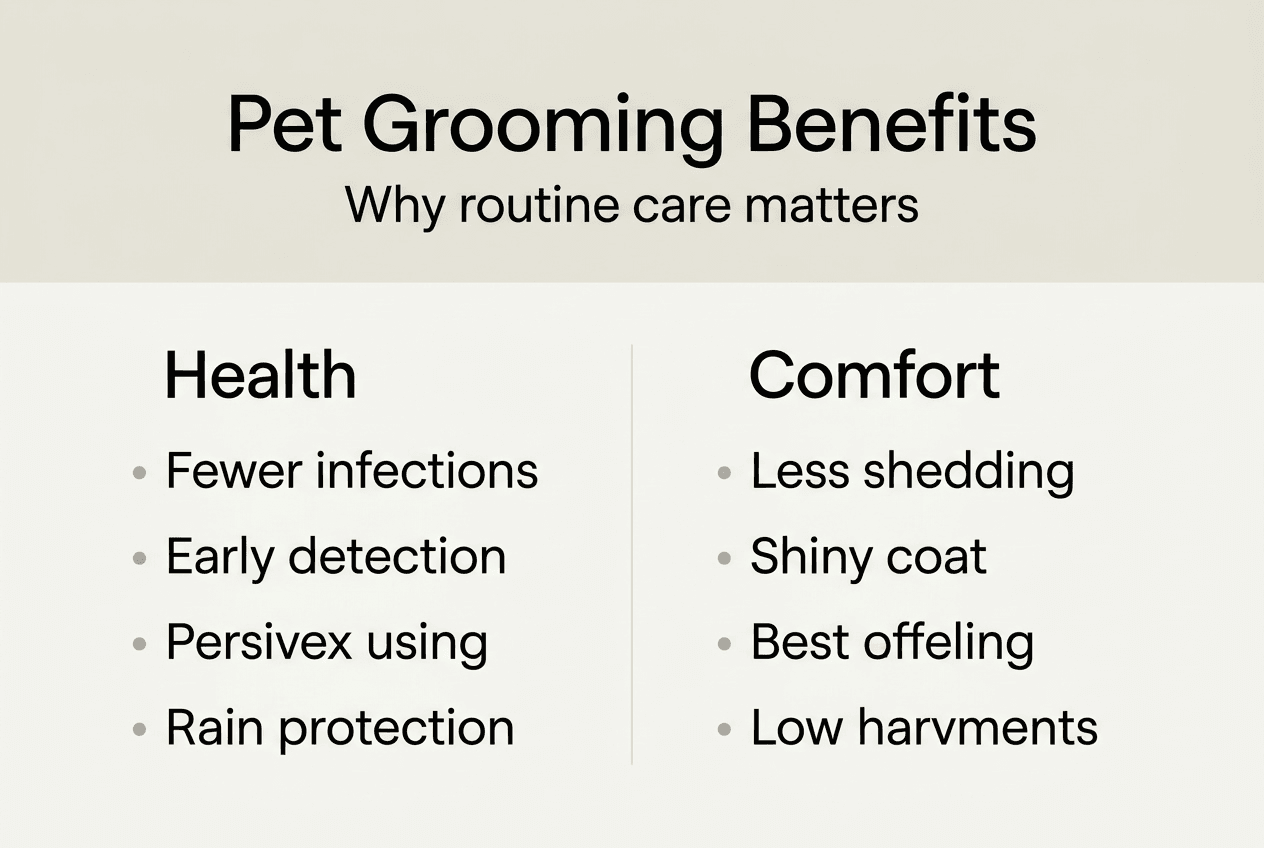
Monthly health assessments save veterinary costs and improve outcomes by catching issues early. A 10-minute monthly check provides systematic coverage of major health indicators. This structured approach ensures you don’t overlook important areas. Combining monthly assessments with daily observations creates a comprehensive monitoring system. Having a pet safety checklist ready for emergencies complements your routine health monitoring.
Setting up effective daily and monthly health checks
Daily grooming creates natural opportunities for health observation. Start with these essential checks:
- Examine eyes for clarity, discharge, redness, or cloudiness
- Inspect ears for odor, excessive wax, redness, or sensitivity
- Check skin and coat for lumps, bumps, parasites, or irritation
- Look at teeth and gums for tartar, redness, or bad breath
- Feel body condition, noting weight changes or muscle loss
Monthly comprehensive checks build on daily observations. Regular home health checks enable early detection of issues before they escalate. Set a specific date each month, perhaps the first Sunday, to perform your full assessment. Choose a quiet time when your pet is calm and you won’t be rushed. A consistent environment helps your pet relax during examinations.
Use this checklist table to ensure thorough monthly coverage:
| Check Area | What to Look For | Normal vs. Concern |
|---|---|---|
| Appetite | Eating patterns, food interest | Consistent eating is normal; sudden changes warrant attention |
| Weight | Body condition, rib visibility | Gradual changes are normal; rapid gain or loss needs investigation |
| Mobility | Gait, jumping ability, stiffness | Age-appropriate movement is normal; limping or reluctance signals problems |
| Bathroom | Frequency, consistency, accidents | Regular patterns are normal; straining, blood, or accidents require vet visits |
| Lumps | New bumps, size changes | Small, stable lumps may be benign; growing or changing lumps need evaluation |
Establishing an efficient pet grooming workflow makes daily and monthly checks feel natural rather than burdensome. Keep grooming supplies in one location for quick access. Create a routine your pet anticipates positively by offering treats and praise during checks. Consistency builds trust and cooperation.
Pro Tip: Observe your pet before and after activity changes to establish baseline behavior patterns. Knowing what’s normal for your individual pet makes abnormalities obvious immediately.
Document findings in a simple notebook or phone app. Recording observations helps you spot gradual changes that develop over weeks or months. Share this log with your veterinarian during annual exams to provide valuable context for professional assessments.
Adapting nutrition and activity routines for aging pets
Aging transforms your pet’s nutritional needs and physical capabilities. Aging cats consume frequent small meals influenced by diet type, with patterns shifting as metabolism slows. Older pets often eat less per meal but benefit from more frequent feeding opportunities. Calorie requirements vary significantly based on food type, activity level, and individual metabolism.
Physical activity naturally declines with age across all species. Activity decreased with age, with breed size impacting the rate of decline. Large breed dogs show more dramatic activity drops than small breeds. Environmental factors like weather, living space, and owner activity also influence how much your aging pet moves.
Proper diet and appropriate exercise prevent obesity while maintaining muscle mass and joint health. Obesity accelerates aging and creates cascading health problems including diabetes, arthritis, and heart disease. Balancing calorie intake with realistic activity levels becomes crucial as pets age. Reducing obesity boosts health across all life stages but matters especially for senior pets.
This comparison table shows typical feeding and activity patterns by life stage:
| Life Stage | Meals Per Day | Activity Level | Key Considerations |
|---|---|---|---|
| Puppy/Kitten | 3-4 | High energy, frequent play | Rapid growth requires nutrient-dense food |
| Adult | 2 | Moderate, regular exercise | Maintain ideal weight through portion control |
| Senior | 2-3 smaller portions | Reduced, gentler activity | Lower calories, joint support, easier digestion |
| Geriatric | 3-4 small meals | Minimal, short walks | Softer foods, senior formulas, comfort priority |
Watch for age-related changes requiring routine adjustments:
- Decreased thirst leading to dehydration
- Dental problems making hard food difficult
- Reduced sense of smell affecting appetite
- Joint stiffness limiting exercise tolerance
- Cognitive changes altering feeding schedules
Pro Tip: Consult your veterinarian for tailored feeding and exercise plans based on your pet’s specific breed, health conditions, and lifestyle. Generic guidelines provide starting points, but individualized recommendations optimize health outcomes.
Transitioning between life stages requires gradual adjustments over 7-10 days. Sudden diet changes cause digestive upset. Mix increasing amounts of new food with decreasing amounts of old food. Monitor stool consistency and energy levels during transitions. Adjust activity intensity and duration based on your pet’s response, not arbitrary age milestones.
Considering spay and neuter decisions in your health routine
Traditional veterinary advice favored early spay and neuter procedures to prevent pet overpopulation and certain cancers. This blanket recommendation dominated for decades based on population control benefits and perceived health advantages. Many shelters and rescue organizations still require sterilization before adoption. The conversation has evolved significantly as research reveals more complex health implications.
New studies challenge the one-size-fits-all approach to sterilization. Recent research shows strong correlations between removing gonads and increased risks of neoplastic, orthopedic, immune-mediated, and cognitive disorders in some dog types. These findings don’t condemn sterilization but highlight the need for informed, individualized decisions. Different breeds show varying risk profiles, making blanket recommendations problematic.
Decisions should balance multiple factors:
- Animal welfare and quality of life throughout lifespan
- Breed-specific health risks associated with sterilization timing
- Lifestyle considerations including housing, training, and socialization
- Population control responsibilities and community regulations
- Individual health conditions and family medical history
Veterinarians increasingly advocate informed choice rather than automatic early sterilization. This shift recognizes that optimal timing varies by breed size, sex, and individual health factors. Large breed dogs may benefit from delayed sterilization to allow proper bone development. Small breeds face different risk profiles. Female dogs have different considerations than males regarding cancer risks and behavioral changes.
Behavioral unpredictability adds complexity to sterilization decisions. Some pets show reduced aggression and marking after sterilization. Others develop anxiety, fearfulness, or other behavioral changes. These responses vary widely between individuals, making predictions difficult. Working with experienced trainers and behaviorists helps assess whether sterilization timing might impact your specific pet’s temperament.
Safety and welfare must guide every health decision for your pet. Informed consent means understanding both benefits and risks of any procedure, including sterilization. Your veterinarian should present current research, discuss your pet’s individual risk factors, and support whatever decision best serves your pet’s long-term wellbeing.
Integrating sterilization decisions into comprehensive pet wellness and cleanliness planning ensures you consider all aspects of long-term health. Whether you choose early sterilization, delayed procedures, or alternatives like vasectomy or ovary-sparing spay, base your decision on complete information specific to your pet. Revisit the decision periodically as new research emerges and your pet’s health status changes.
Explore Percy Loves safe pet care products
Maintaining a clean, healthy environment supports every aspect of your pet health routine. Percy Loves offers unscented odor eliminators designed specifically for pet parents who prioritize safety without compromising effectiveness. Our Pal Furresher formula works at the source of odors rather than masking them with fragrances that might irritate sensitive pets.

The 4 oz Pal Furresher provides portable odor control perfect for spot treatments during daily health checks. The 16 oz size handles larger areas and regular maintenance needs. Both formulas are lick safe, giving you peace of mind during grooming sessions and health assessments. Explore our complete range of safe, effective pet care solutions at Percy Loves to complement your health routine with products that match your commitment to quality care.
FAQ
What are the most important daily checks to do for my pet?
Check eyes, ears, coat, and teeth daily for signs of irritation, discharge, or changes in appearance. Observe behavior and bathroom habits consistently to establish what’s normal for your individual pet. These quick checks during regular interactions catch problems early when treatment is simplest.
How often should I perform a full health check on my pet at home?
Monthly comprehensive health checks lasting about 10 minutes are recommended for early issue detection. This frequency balances thoroughness with practicality, helping catch problems before vet visits become emergencies. Set a consistent date each month to ensure you don’t skip assessments during busy periods.
What signs indicate I should visit a veterinarian immediately?
Sudden lethargy, difficulty breathing, or severe vomiting and diarrhea require immediate veterinary attention. Visible wounds, seizures, or dramatic behavior changes also warrant emergency care. Trust your instincts when something feels wrong, even if symptoms seem vague.
How do I adjust my pet’s routine as they age?
Increase feeding frequency to smaller, more frequent meals while reducing total calorie intake based on decreased activity. Modify exercise to gentler, shorter sessions that accommodate joint stiffness and reduced stamina. Monitor weight closely and adjust portions to maintain ideal body condition throughout senior years.


