

How to make your home pet-safe and odor-free in 2026
Cat owners face constant challenges keeping their homes safe from hidden dangers while battling persistent odors. Toxic plants, accessible chemicals, and litter box smells threaten both your cat’s health and your home’s freshness. This guide delivers proven strategies to identify hazards, implement room by room safety measures, and maintain an odor controlled environment that keeps your feline friend healthy and your space welcoming.
Table of Contents
- Recognizing And Preparing For Common Household Hazards
- Step-By-Step Guide To Cat-Proofing Your Home Efficiently
- Choosing And Maintaining The Right Cat Litter For Odor Control
- Providing Enriching, Safe Environments To Reduce Stress And Damage
- Find Trusted Odor Eliminators And Pet-Safe Products
- FAQ
Key takeaways
| Point | Details |
|---|---|
| Identify common hazards | Secure toxic plants like lilies, medications, cleaning chemicals, and small objects that cats can ingest. |
| Implement room-by-room safety | Inspect kitchen, bathroom, laundry, and garage areas for dangers, then secure cords, trash, and high shelves. |
| Choose effective litter | Select clumping or silica-based litters with strong ammonia control, and scoop twice daily for freshness. |
| Provide enrichment safely | Install climbing structures, puzzle feeders, and interactive toys to reduce stress and prevent destructive behavior. |
| Use safe odor eliminators | Complement cleaning routines with pet-safe, unscented products designed specifically for homes with cats. |
Recognizing and preparing for common household hazards
Your home harbors more dangers than you realize. [Lilies can be fatal to cats](https://kb.rspca.org.au/knowledge-base/why-are-lilies-extremely-toxic-to-cats/#:~:text=Lilies (Lilium spp and Hemerocallis), causing kidney failure within hours of ingestion. Beyond plants, medications left on nightstands, cleaning agents under sinks, and antifreeze in garages pose serious poisoning risks.
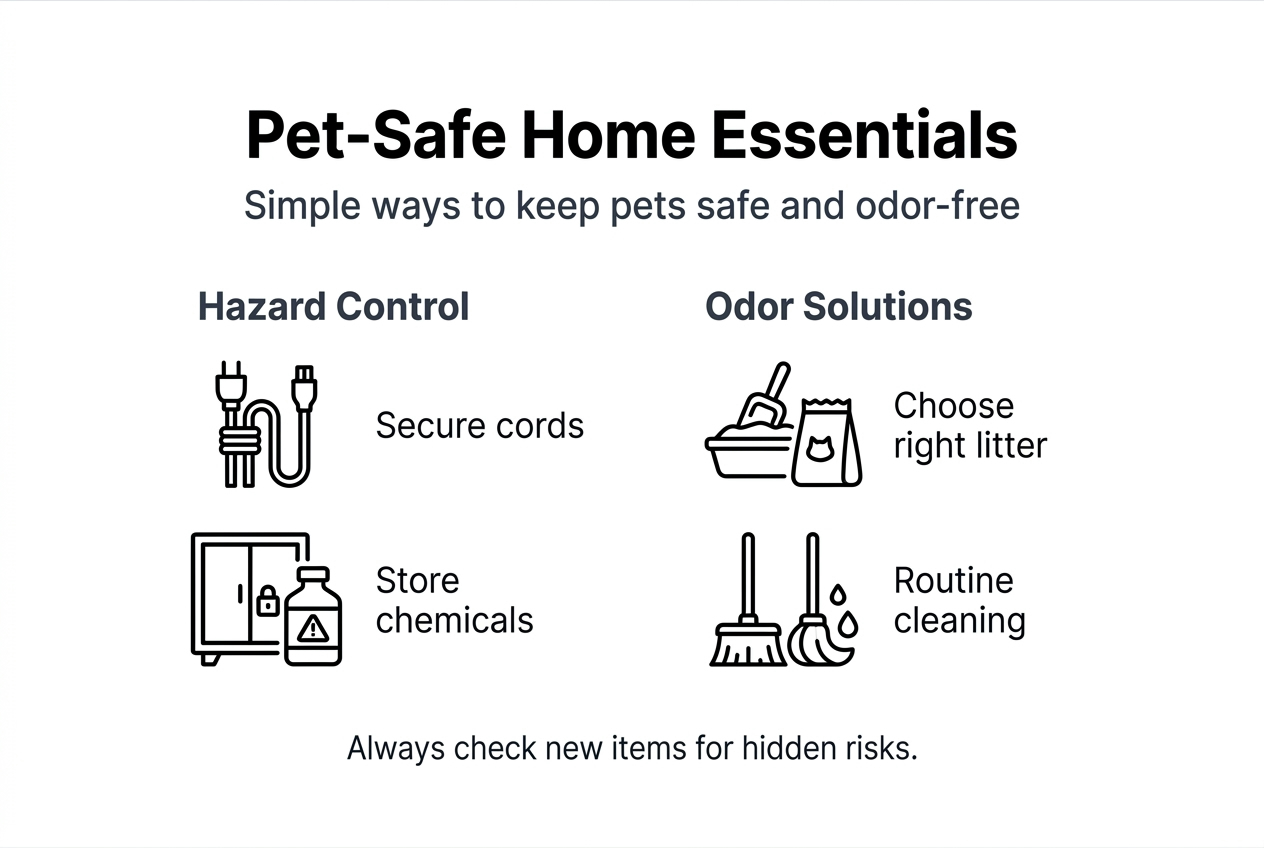
Secure every room methodically. Lock cabinets containing chemicals and medications. Store antifreeze and rodenticides in sealed containers your cat cannot access. Check pet cleaning safety guidelines to understand which household products threaten your cat’s health.
Electrical cords demand attention because cats chew them during play or teething. Bundle cords with organizers and coat exposed wires with bitter apple spray. Your cat’s agility means countertops and high shelves are accessible, so remove breakable items and choking hazards from these areas.
Pro Tip: Place double-sided tape on counters and furniture you want off limits. Cats hate the sticky sensation and will avoid these surfaces, making redirection easier without harsh corrections.
Common household dangers include:
- Toxic plants: lilies, azaleas, oleander, sago palm, and dieffenbachia
- Human medications: ibuprofen, acetaminophen, antidepressants, and ADHD medications
- Cleaning products: bleach, ammonia-based cleaners, and drain openers
- Automotive fluids: antifreeze with sweet-tasting ethylene glycol
- Pest control: rodenticides and slug bait containing metaldehyde
- Small objects: rubber bands, hair ties, string, and coins
Your cat’s curiosity drives exploration of tight spaces and high perches. Regularly inspect your home for new hazards, especially after moving furniture or bringing in packages. Remove or secure anything that could harm your pet before an accident occurs.
Step-by-step guide to cat-proofing your home efficiently
Systematic room inspection prevents oversights. Start in one room and work through your entire home methodically. This approach ensures you catch every potential danger.
-
Survey the kitchen for food toxins and sharp objects. Lock cabinets containing chocolate, onions, garlic, grapes, and xylitol sweeteners. Secure trash cans with locking lids because food scraps and packaging can cause intestinal blockages. Store knives in drawers and keep appliance cords wrapped when not in use.
-
Secure the bathroom against medication and chemical exposure. Move all prescriptions, vitamins, and over the counter drugs to high cabinets with childproof locks. Store cleaning supplies in locked compartments. Keep toilet lids closed because cats drink from bowls and can ingest cleaning chemicals.
-
Protect the laundry room from detergent poisoning. Seal detergent pods and liquid cleaners in containers your cat cannot open. Check washers and dryers before starting them because cats nap in warm, enclosed spaces. Keep lint and small objects off the floor.
-
Clear the garage of automotive hazards. Cats can leap 5 to 6 times their body length, reaching high shelves where you store paint, fertilizer, and antifreeze. Place these items in sealed cabinets. Inspect the floor for nails, screws, and other sharp objects after projects.
-
Organize living areas to prevent cord injuries and falls. Bundle electrical cords with cable organizers and secure them to baseboards. Wrap or shorten blind cords because cats strangle in loops. Install tall cat trees near windows to satisfy climbing instincts safely.
-
Inspect bedrooms for small ingestible items. Remove hair ties, rubber bands, sewing supplies, and jewelry from accessible surfaces. Check under furniture monthly because items roll into hiding spots.
Pro Tip: Create a cat-safe room where your pet can stay during parties or home repairs. Stock it with water, litter box, toys, and a comfortable bed to reduce stress during disruptions.
| Room | Top Hazards | Quick Fixes |
|---|---|---|
| Kitchen | Toxic foods, hot stoves, sharp objects | Lock cabinets, use stove covers, secure trash |
| Bathroom | Medications, cleaners, toilet water | High locked storage, closed lids, secure cabinets |
| Laundry | Detergents, machines, small objects | Sealed containers, check appliances, clear floors |
| Garage | Antifreeze, tools, chemicals | Sealed cabinets, inspect floors, remove access |
| Living Room | Cords, plants, small items | Cord organizers, remove toxic plants, declutter |
Review your cat-proofing measures seasonally. New purchases, holiday decorations, and seasonal plants introduce fresh risks. Maintain a pet safety checklist to track completed tasks and schedule regular inspections.
Choosing and maintaining the right cat litter for odor control
Litter selection directly impacts your home’s smell. Different litters trap ammonia with varying effectiveness, and poor choices leave your space reeking despite regular cleaning.
Silica-based crystal litters absorb moisture quickly and lock odors for weeks. They cost more upfront but last longer than clay options. Clay clumping litters form solid masses you can scoop easily, removing waste before it breaks down and releases ammonia. Natural alternatives like corn, wheat, and walnut shells appeal to eco-conscious owners but may require more frequent changes.
Dr. Elsey’s Ultra Unscented ranks top for clumping and odor control among clay litters. Arm & Hammer offers excellent odor fighting properties with lower dust. World’s Best Cat Litter provides a natural corn-based option that clumps well and flushes safely.
Maintenance matters more than brand. Scoop waste twice daily to remove ammonia sources before they intensify. Change litter completely every 7 to 14 days depending on usage and litter type. Wash boxes monthly with unscented dish soap, avoiding ammonia-based cleaners that attract cats to urinate outside the box.
| Litter Type | Odor Control | Dust Level | Maintenance | Best For |
|---|---|---|---|---|
| Silica Crystal | Excellent | Very Low | Change monthly | Low maintenance, multiple cats |
| Clay Clumping | Very Good | Medium | Scoop daily, change biweekly | Budget friendly, easy cleanup |
| Natural Corn/Wheat | Good | Low | Scoop daily, change weekly | Eco-conscious, flushable option |
| Non-Clumping Clay | Fair | High | Change every 3-5 days | Single cat, tight budget |
Boosting odor control:
- Sprinkle baking soda in the bottom of clean boxes before adding litter
- Place activated charcoal filters near litter boxes to absorb airborne odors
- Position boxes in well-ventilated areas away from living spaces
- Use box liners for easier complete changes and thorough cleaning
- Consider automatic litter boxes for consistent waste removal
Poor litter maintenance creates respiratory risks for cats. Ammonia fumes irritate airways and can trigger asthma in sensitive cats. Bacteria in soiled litter causes urinary tract infections. Keep boxes clean to protect your cat’s health while controlling odors effectively.
Check your pet care workflow to integrate litter maintenance into daily routines. Consistency prevents odor buildup and keeps your cat comfortable using designated bathroom areas.
Providing enriching, safe environments to reduce stress and damage
A safe but boring home harms your cat’s welfare. Indoor cats without sufficient enrichment develop distress and behavior problems like inappropriate elimination or overgrooming. Your cat needs mental stimulation and physical activity to thrive.
Climbing structures satisfy natural instincts. Install tall cat trees with multiple levels near windows for bird watching. Mount wall shelves to create vertical pathways around rooms. Cats feel secure at heights and watching outdoor activity provides mental engagement.
Interactive play prevents boredom and destructive behavior. Schedule two 15 minute play sessions daily using wand toys that mimic prey movements. Rotate toy types weekly to maintain interest. Puzzle feeders slow eating while challenging your cat to work for meals, mimicking hunting behaviors.
Personality determines enrichment needs. Active cats require more climbing options and vigorous play. Timid cats prefer quiet hiding spots and gentle interactive toys. Senior cats benefit from heated beds and low entry litter boxes that accommodate reduced mobility.
“Environmental deficits cause behavior disorders. Enrichments like tall cat trees and interactive toys help prevent these problems by meeting cats’ natural needs for climbing, hunting, and mental stimulation.”
Safe enrichment ideas:
- Window perches with secure mounting for safe outdoor viewing
- Cardboard boxes and paper bags for hiding and pouncing games
- Cat grass and catnip in secure containers for safe nibbling
- Automatic laser toys for solo play when you’re away
- Treat dispensing balls that encourage movement and problem solving
- Scratching posts in multiple textures near sleeping areas
Tailor enrichment to your cat’s preferences through observation. Some cats ignore expensive toys but play for hours with bottle caps. Others need vertical space more than floor toys. Adjust your approach based on what engages your specific cat.
Explore sustainable pet care options for enrichment that supports both your cat’s wellness and environmental responsibility. Natural materials and durable products reduce waste while keeping your cat entertained safely.
Find trusted odor eliminators and pet-safe products
You’ve cat-proofed your home and chosen quality litter, but persistent odors still linger. Percy Loves offers unscented odor eliminators specifically designed for homes with cats. Our Pal Furresher formula works at the source to completely eliminate odors rather than masking them with fragrances.
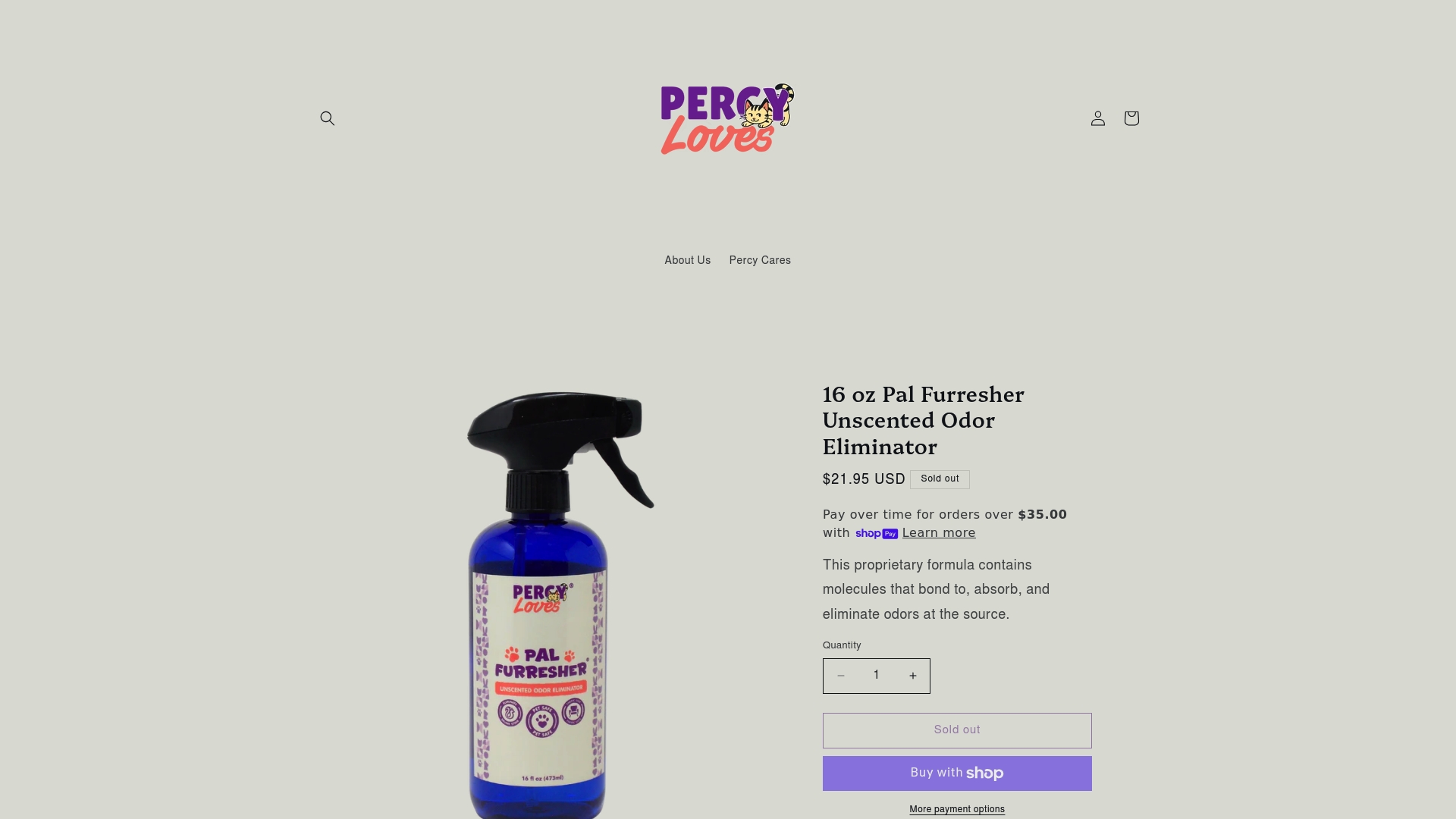
Pet safety drives every product decision. Our lick-safe formula means your cat can groom normally even after treated surfaces dry. No harsh chemicals threaten your cat’s sensitive respiratory system or delicate paw pads.
Choose the 4 oz Pal Furresher for targeted spot treatment or the 16 oz bottle for regular maintenance of larger areas. Both sizes deliver professional-grade odor elimination safe for daily use around cats.
Visit Percy Loves to explore our complete range of pet wellness products. Combining smart environmental safety with quality odor control products creates the fresh, healthy home both you and your cat deserve.
FAQ
How do I know which houseplants are safe for my cat?
Research every plant before bringing it home because many common houseplants are highly toxic. Consult your veterinarian for personalized advice or check ASPCA’s online plant database for comprehensive toxicity information. When uncertain, keep all plants on high shelves or in rooms your cat cannot access.
What is the best cat litter to control odors at home?
Dr. Elsey’s Ultra Unscented excels at clumping and odor control, while Arm & Hammer provides excellent odor fighting with minimal dust. Regular maintenance matters more than brand, so scoop twice daily and change litter completely every 7 to 14 days for optimal freshness.
How can I enrich my indoor cat’s environment safely?
Install climbing structures like tall cat trees and wall-mounted shelves near windows for stimulation. Environmental deficits cause behavior disorders, so add puzzle feeders and schedule daily interactive play sessions. Tailor enrichment to your cat’s personality, offering more vigorous options for active cats and quiet hiding spots for timid ones.
How often should I replace my cat’s litter box?
Replace plastic litter boxes annually because scratches harbor bacteria that cause odors and urinary issues. Thoroughly wash boxes monthly with unscented dish soap between litter changes. Deep scratches or persistent odors despite cleaning signal it’s time for replacement.
Can essential oils safely eliminate pet odors around cats?
No, avoid essential oils near cats because many are toxic when inhaled or absorbed through skin. Tea tree, eucalyptus, and citrus oils cause serious reactions in felines. Choose unscented, pet-safe odor eliminators specifically formulated for homes with cats instead.


