

Pet Parenting Best Practices: Odor-Free, Enzyme-Free
Keeping your home fresh with cats is a challenge every pet parent knows well, especially when you want to avoid harsh chemicals or enzyme-based products. You need solutions that are safe for your fur baby, effective against stubborn odors, and gentle enough for everyday use. The good news? Science-backed, non-enzyme strategies exist that deliver real results without compromise. This guide walks you through proven best practices that tackle odors at the source, protect your pet’s health, and keep your home welcoming for everyone who lives there.
Table of Contents
- What makes a non-enzyme odor control strategy effective?
- Best practice #1: Litter box location, type, and setup essentials
- Best practice #2: Daily maintenance for lasting freshness
- Best practice #3: Harnessing baking soda safely and effectively
- Best practice #4: Rapid response for accidents—blot, rinse, repeat
- Best practice #5: Baking soda and club soda for set-in smells
- Best practice #6: Prevent odors from the inside out—diet and health insights
- Which non-enzyme best practices work best for your situation?
- Keep your home fresh with safer solutions from Percy Loves
- Frequently asked questions
Key Takeaways
| Point | Details |
|---|---|
| Prioritize daily routines | Daily scooping and weekly cleaning are the foundation of lasting odor control. |
| Use safe, simple solutions | Baking soda and club soda offer pet-safe, effective odor removal without harsh chemicals. |
| Act fast on accidents | Blot quickly, rinse with cool water, and avoid ammonia or vinegar to stop odors. |
| Diet makes a difference | Nutritional choices like adding rosemary extract can reduce waste smell from within. |
| Customize your approach | Combine best practices and choose methods that fit your pet, home, and habits. |
What makes a non-enzyme odor control strategy effective?
Non-enzyme methods are essential when enzyme products aren’t available or don’t fit your household’s needs. But what separates a truly effective approach from one that just masks the problem? The answer lies in three core criteria: safety for pets and humans, genuine odor removal rather than temporary coverage, and prevention of recurrence.
Baking soda and mechanical cleaning are evidence-based, non-irritating strategies that meet all three standards. Non-enzyme methods like baking soda absorption and mechanical blotting work well for maintenance and fresh accidents, though they may require repetition for set-in odors. Experts note that while enzymes excel at breaking down uric acid, mechanical methods prevent recurrence by removing the source material entirely.
Key effectiveness markers include:
- Safety: no toxic fumes, skin irritants, or ingredients harmful if licked
- Odor removal: neutralizes smells rather than covering them with fragrance
- Recurrence prevention: eliminates the trigger for repeat marking
- Gentleness: suitable for daily use without damaging surfaces or stressing pets
Expert consensus is clear: repetition may be needed for stubborn odors, but non-enzyme approaches excel at daily maintenance and fresh accident response. The absence of enzymes doesn’t mean defeat. It means choosing pet-safe odor control methods that work with your household’s unique needs.
“Mechanical cleaning and absorption methods provide a foundation for odor control that’s both safe and sustainable for long-term use.”
Best practice #1: Litter box location, type, and setup essentials
Your litter box setup is the cornerstone of preventing odors before they start. Get this right, and you’ll cut your cleaning workload in half.
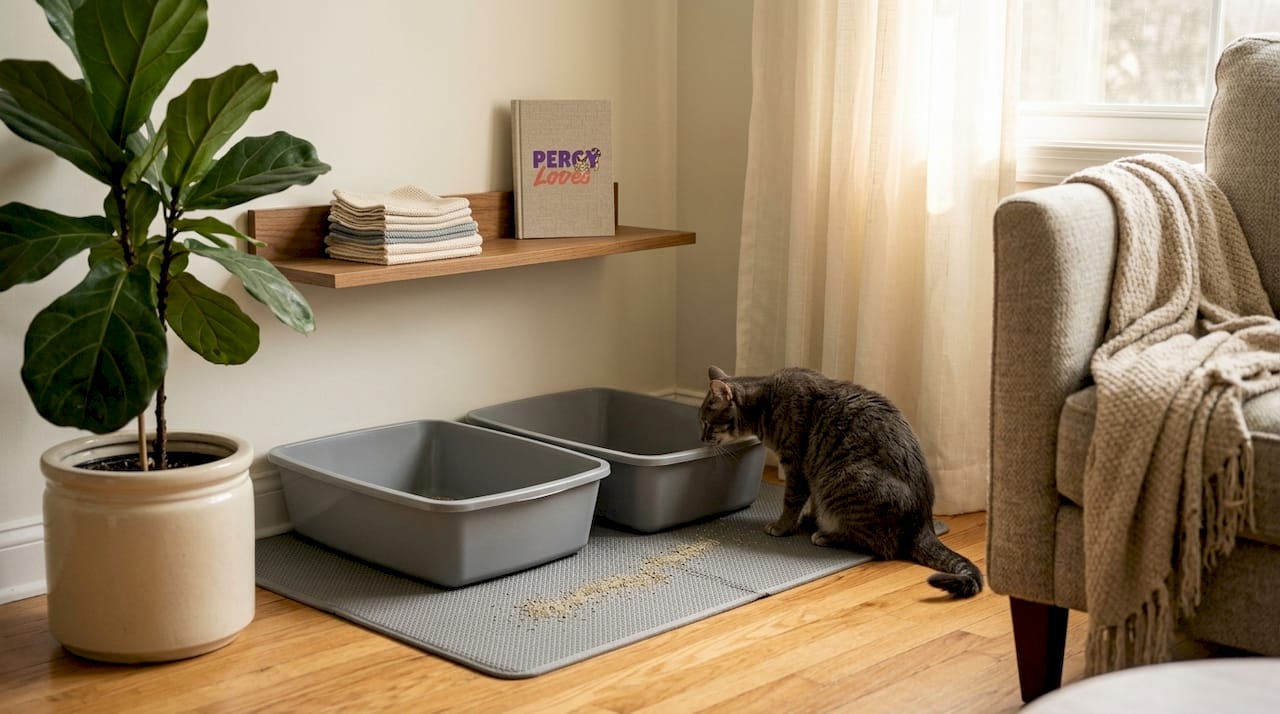
Choose open, unscented boxes. Hooded boxes trap and amplify odors, creating an unpleasant environment that discourages use. Place boxes in quiet, accessible areas away from food and water. Cats need privacy and easy access, especially senior pets or those with mobility challenges.
The golden rule? One litter box per cat plus one extra in multi-cat homes. This proven formula minimizes odor and marking behavior. Neutering or spaying also reduces urine odor intensity, making maintenance easier for everyone.
Setup essentials:
- Open boxes without hoods or covers
- Quiet, low-traffic locations
- One box per cat, plus one extra
- Unscented litter only
- No air fresheners or strong scents nearby
Avoid air fresheners and strong scents near boxes. Cat noses are incredibly sensitive, and artificial fragrances can discourage box use, leading to accidents elsewhere. Keep it simple, keep it unscented, and let your cat hygiene and odor prevention routine do the work.
Pro Tip: Place boxes in different rooms or on different floors if you have multiple cats. This reduces territorial stress and keeps odors from concentrating in one area.
For more guidance on creating a pet-safe and odor-free home, focus on accessibility and comfort. Your cat’s willingness to use the box consistently is your best defense against odors. Learn more about eliminating cat odors safely through proper setup and maintenance.
Best practice #2: Daily maintenance for lasting freshness
Small daily routines block odor buildup before it becomes a problem. Consistency is everything.
Daily scooping of litter boxes and weekly thorough cleaning with unscented soap and water prevents odor buildup. This simple rhythm keeps your home fresh and your cat happy.
Your daily and weekly routine:
- Daily: Scoop solids and wet material to prevent odor seeding
- Weekly: Empty the entire box, scrub with unscented soap, rinse with cool water
- Never: Use ammonia, vinegar, or steam cleaners, which intensify cat urine smell
- Always: Establish a routine and set reminders for consistency
Never use ammonia, vinegar, or steam. These intensify cat urine smell and can trigger repeat marking. Stick with unscented soap and cool water for weekly deep cleans.
Establish a routine and set reminders. Life gets busy, but a consistent cleaning schedule is your best defense against persistent odors. A pet parent odor-free checklist can help you stay on track without thinking about it.
Did you know? Cats are 14 times more likely to avoid a dirty litter box, leading to accidents that create harder-to-clean odors elsewhere in your home.
Best practice #3: Harnessing baking soda safely and effectively
Baking soda is a household staple that neutralizes odors without offending your cat’s sensitive nose. Used correctly, it’s safe, non-toxic, and remarkably effective.
Sprinkle a thin layer of baking soda at the bottom of the litter box before adding litter. This absorbs odors without repelling cats, as long as you use unscented litter. Never use scented litter or add essential oils. Cats dislike strong smells, and artificial fragrances can discourage box use.
Safe baking soda practices:
- Sprinkle a light, even layer before adding litter each change
- Use unscented litter only
- Never mix with vinegar or ammonia
- Safe, non-toxic, effective with repetition for persistent odors
Avoid mixing baking soda with vinegar or ammonia. These combinations can lead to repeat marking and worsen odors. Baking soda works best on its own, paired with consistent mechanical cleaning.
For more on pet safety and odor control, remember that simple, unscented solutions are always your safest bet. Baking soda’s effectiveness comes from its ability to absorb and neutralize, not mask, odors.
Pro Tip: Keep a dedicated container of baking soda near your litter boxes so you never skip this step during weekly cleanings.
Best practice #4: Rapid response for accidents—blot, rinse, repeat
Despite your best setup and routine, accidents happen. Here’s how to conquer them confidently with a step-by-step, non-enzyme protocol.
Act fast. Blot excess urine immediately, rinse with cool water, and avoid ammonia, vinegar, or steam cleaners. Use an extracting wet vac if available for deep extraction.
Your accident response protocol:
- Blot immediately: Use paper towels or clean cloths to absorb as much urine as possible—don’t wipe or rub
- Rinse with cool water: Pour cool water over the area, then blot again
- Extract deeply: Use a wet vac if available to pull moisture from carpet padding
- Repeat as needed: Stubborn stains may require multiple rounds
Never wipe or rub. Blotting lifts the urine out, while wiping pushes it deeper into fibers and padding. Use a wet vac for deep extraction if available. This removes moisture from carpet padding, where odors can linger and resurface.
Repeat as needed for stubborn stains. Patience and repetition are your allies. For more on pet-safe cleaning protocols, focus on mechanical removal rather than chemical masking. A comprehensive cleaning checklist can guide you through each step.
“The key to accident cleanup is speed and mechanical action. Remove the source, and you remove the odor.”
Pro Tip: Keep a dedicated accident kit with paper towels, cool water in a spray bottle, and clean cloths in an easy-to-reach spot. When accidents happen, every second counts.
Best practice #5: Baking soda and club soda for set-in smells
Some odors linger despite your best efforts. These targeted tools can help when basic cleaning isn’t enough.
This two-step protocol combines baking soda absorption with club soda’s neutralizing power. Club soda soak for 10 minutes followed by blotting helps neutralize fresh urine on carpet before further treatment.
Your set-in odor protocol:
- Soak with club soda: Pour club soda over the soiled area and let sit for 10 minutes
- Blot thoroughly: Use clean cloths to absorb the liquid—do not rub
- Apply baking soda: Once dry, sprinkle baking soda on the area, let sit for 1+ hour, then vacuum up
- Repeat if needed: Persistent odors may require multiple treatments
| Step | Action | Duration | Purpose |
|---|---|---|---|
| 1 | Soak with club soda | 10 minutes | Neutralize urine compounds |
| 2 | Blot thoroughly | Until dry | Remove moisture and odor |
| 3 | Apply baking soda | 1+ hour | Absorb residual odors |
| 4 | Vacuum | 2 minutes | Remove baking soda |
After initial cleaning, sprinkle baking soda on the dried area, let sit for at least an hour, then vacuum up to absorb residual odors. Repeat the process for persistent odors. For more on odor control safety, remember that patience and repetition often outperform harsh chemicals.
Best practice #6: Prevent odors from the inside out—diet and health insights
Managing odors isn’t just about cleaning. Internal pet health plays a big role, too.
Rosemary extract in diet significantly reduces fecal ammonia and hydrogen sulfide emissions through gut modulation. Empirical reduction has been observed in trials, making this a science-backed approach to odor prevention.
Healthy digestion and hydration minimize strong-smelling urine and feces. Consult your vet before making dietary changes, but proactive health measures keep homes fresher for longer.
Diet and health factors:
| Factor | Impact on Odor | Action |
|---|---|---|
| Rosemary extract | Reduces ammonia and sulfide | Consult vet about diet |
| Hydration | Dilutes urine concentration | Ensure fresh water access |
| Digestive health | Minimizes fecal odor | Regular vet checkups |
| Overall wellness | Supports normal elimination | Maintain routine care |
Did you know? Pets with optimal hydration produce urine that’s naturally less concentrated and less odorous, making cleanup easier and more effective.
For more on diet-based odor prevention and odor-fighting wellness products, focus on internal health as part of your comprehensive odor control strategy.
Which non-enzyme best practices work best for your situation?
Still not sure? Here’s how the top methods stack up so you can pick what works for you, fast.
| Method | Speed | Effectiveness | Best For | Safety |
|---|---|---|---|---|
| Daily litter scooping | 5 min/day | High for prevention | All households | Excellent |
| Baking soda in box | 2 min/week | Moderate for absorption | Routine maintenance | Excellent |
| Blot and rinse | 10-15 min | High for fresh accidents | Immediate response | Excellent |
| Club soda + baking soda | 1-2 hours | Moderate to high | Set-in odors | Excellent |
| Diet optimization | Ongoing | Moderate for long-term | Proactive prevention | Vet-approved |
This comparison highlights strengths and limits. Daily scooping and rapid accident response are your frontline defenses. Baking soda and club soda tackle stubborn odors. Diet optimization works over time to reduce odor intensity from the source.
Keep your home fresh with safer solutions from Percy Loves
Ready for even easier cleaning? Discover safe, science-backed options for your household.
We know how much you love your fur baby, and we know you want cleaning solutions that are as safe as they are effective. Percy Loves offers non-enzyme, fragrance-free cleaning solutions designed specifically for pet parents who refuse to compromise on safety or results.
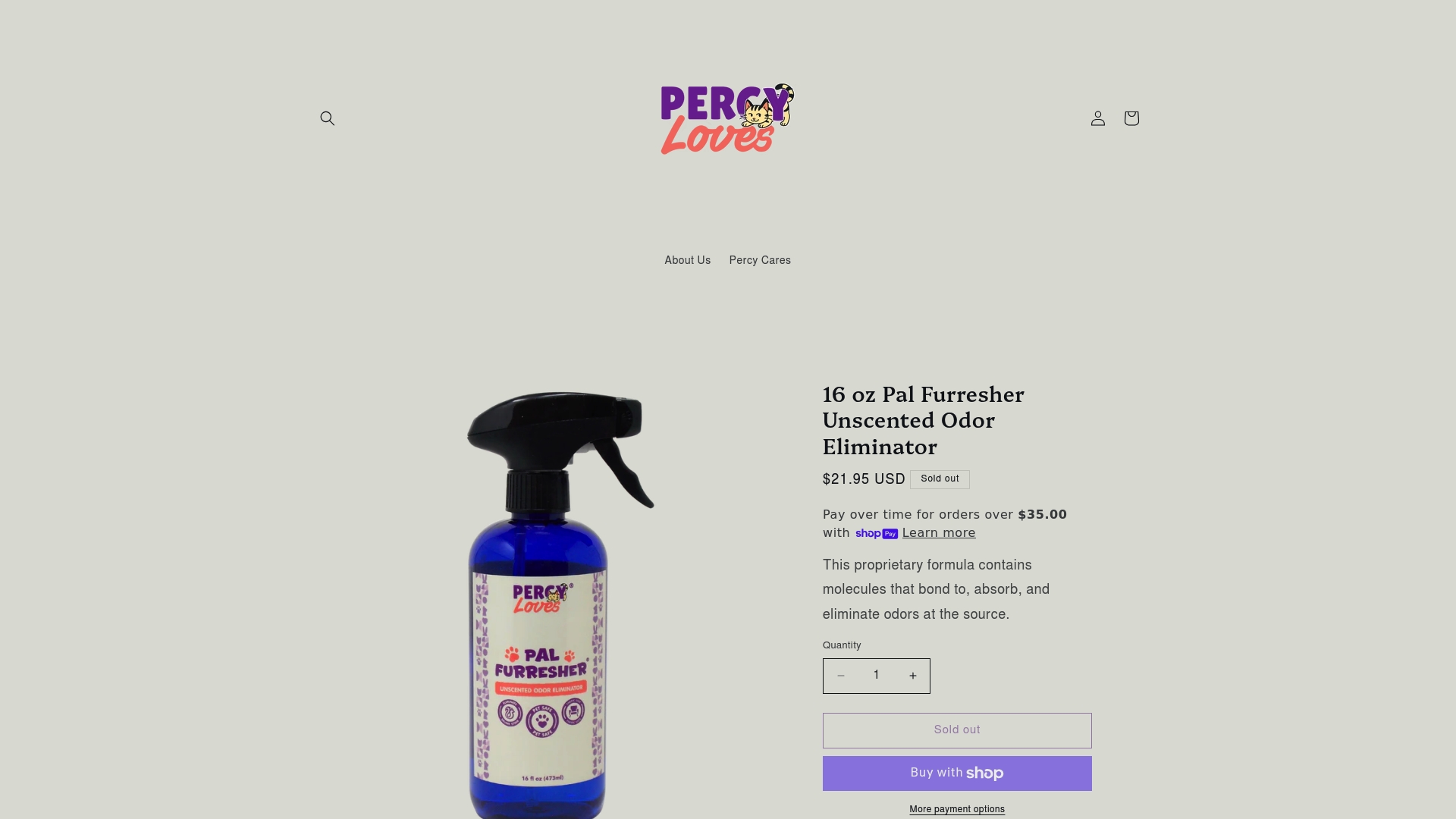
Our unscented odor eliminator works at the source of the problem to completely eliminate odors, not mask them. It’s lick-safe, fragrance-free, and trusted by pet parents who treat their cats like family. For households that go through cleaning products quickly, our multi-pack odor eliminator offers convenience and value.
Explore our full range of pet-safe products to enhance your routine and keep your home fresh, safe, and welcoming for everyone who lives there.
Frequently asked questions
How often should I clean my cat’s litter box to truly prevent odors?
Scoop waste daily and do a full clean with unscented soap and water weekly to avoid odor buildup. Consistency is your best defense against persistent smells.
Is it safe to use vinegar or ammonia to clean up cat or dog urine?
No, both can worsen odors and prompt repeat marking. Use cool water and blotting instead for safe, effective cleanup.
Can baking soda harm pets if used for odor control?
A thin layer in litter or on carpets is safe and effective, but always keep pets from ingesting large amounts directly.
How does club soda help with pet urine stains?
Club soda neutralizes fresh urine and, when blotted after soaking, prevents deep-set odors from forming in carpet fibers.
Is diet really important for pet odor control?
Yes. Rosemary extract and good hydration reduce the strength of waste odors from the inside out, making cleanup easier and more effective.


