

Pet parenting best practices: healthy, odor-free home
Many pet parents struggle to balance providing top-quality care with managing persistent odors and maintaining a safe environment. Finding reliable information on nutrition, grooming, and effective odor control can feel overwhelming when you want the best for your furry family members. This article delivers actionable best practices across feeding, preventive healthcare, grooming routines, odor management strategies, and home safety measures. You’ll discover expert-backed techniques to keep your pets healthy, your home fresh, and your peace of mind intact.
Table of Contents
- Key takeaways
- Best nutrition and preventive healthcare for pets
- Effective grooming routines and dental care tips
- Managing pet odors effectively at home
- Ensuring home safety and choosing quality pet products
- Explore our safe, effective odor eliminators
- FAQ
Key Takeaways
| Point | Details |
|---|---|
| Balanced nutrition | Provide high quality, nutritionally balanced food appropriate for age, size, and health conditions, and work with your veterinarian to prevent overfeeding. |
| Preventive healthcare | Schedule regular veterinary checkups at least annually and follow recommended vaccines and parasite prevention to catch issues early. |
| Consistent grooming | Regular brushing, appropriate baths, and dental care reduce odors and maintain skin and coat health across coat types. |
| Odor management routine | Scoop litter daily and change it regularly to prevent ammonia buildup and household odors. |
| Home safety practices | Implement simple safety measures to create a secure home environment and reduce the risk of accidents or injuries to pets. |
Best nutrition and preventive healthcare for pets
Quality nutrition forms the foundation of pet health. Provide high-quality, nutritionally balanced food appropriate for your pet’s age, size, and specific health conditions. Consult your veterinarian to create custom feeding plans that prevent overfeeding, a common contributor to obesity in pets. Every pet has unique nutritional requirements that change throughout their life stages.
Daily exercise keeps pets physically and mentally healthy. Dogs typically need 30 minutes to 2 hours of activity depending on breed and energy level, while cats benefit from multiple short play sessions throughout the day. These activities maintain healthy weight, reduce behavioral issues, and strengthen your bond with your pet.
Regular veterinary check-ups at least annually, with more frequent visits for puppies, kittens, and senior pets, catch health issues before they become serious. These wellness visits include vaccinations and parasite prevention for fleas, ticks, and heartworms. Staying current on preventive care protects your pet from common diseases and parasites that compromise their quality of life.
Pro Tip: Consult your veterinarian about supplements for halitosis management if your dog has persistent bad breath, as this often indicates underlying dental or digestive issues that need attention.
Implementing these dog care tips reduces obesity risk and boosts overall health through consistent, science-backed practices.
Effective grooming routines and dental care tips
Regular grooming maintains pet hygiene and significantly reduces household odors. Brush regularly to remove loose hair and prevent matting, which traps dirt and bacteria close to the skin. The frequency depends on coat type: long-haired breeds need daily attention, while short-haired pets benefit from weekly sessions.

Bathing schedules vary by species and lifestyle. Dogs typically need baths every 4 to 6 weeks, though active outdoor dogs may require more frequent cleaning. Cats rarely need baths unless they get into something messy or have specific skin conditions. Over-bathing strips natural oils and can cause dry, irritated skin.
Dental hygiene prevents bad breath and serious health problems. Daily teeth brushing with pet-specific toothpaste removes plaque before it hardens into tartar. Dental chews and toys provide additional cleaning action between brushing sessions. Neglected dental care leads to painful infections that affect eating and overall well-being.
Use quality grooming tools tailored to your pet’s coat type to maintain hygiene and prevent odor buildup. Slicker brushes work well for removing tangles in long coats, while rubber curry brushes effectively capture loose hair from short-haired pets.
Pro Tip: Create a consistent grooming schedule to detect skin issues, lumps, or parasites early when they’re easier to treat.
Following an efficient pet grooming workflow ensures thorough care without overwhelming you or your pet. Understanding dog grooming safety basics prevents accidents during grooming sessions. Learn how safe pet grooming keeps pets clean and odor-free through proper techniques.
Managing pet odors effectively at home
Effective odor management requires consistent daily and weekly routines. Scoop cat litter daily and completely change it regularly to prevent ammonia buildup that permeates your home. The type of litter matters too: clumping varieties make daily maintenance easier and control odor better than non-clumping options.
Wash pet bedding weekly in hot water to eliminate bacteria and trapped odors. Pet beds accumulate oils, dander, and dirt that create persistent smells if left untreated. Having multiple bed covers lets you rotate them, ensuring your pet always has a clean sleeping surface.
Vacuum floors 2 to 3 times weekly using a vacuum with HEPA filters to capture pet hair and dander. Regular vacuuming prevents these particles from settling into carpets and upholstery where they contribute to ongoing odor issues. Pay special attention to areas where your pet spends the most time.
Use enzymatic cleaners on accidents immediately, as they break down the proteins in urine that cause lingering smells. Traditional cleaners only mask odors temporarily, while enzymatic cleaners eliminate the source completely. This prevents pets from remarking the same spots.
Natural deodorizers offer safe alternatives for ongoing freshness. Baking soda absorbs odors when sprinkled on carpets before vacuuming, while vinegar solutions neutralize smells on hard surfaces. Rosemary extract reduces ammonia and other odors in cats through gut modulation when incorporated into their diet.
| Odor Control Method | Effectiveness | Duration | Best For |
|---|---|---|---|
| Enzymatic Cleaners | 95% odor elimination | Permanent | Urine accidents, organic stains |
| Masking Sprays | 30% temporary coverage | 2-4 hours | Quick freshening only |
| Natural Extracts | 75% reduction | 12-24 hours | Daily maintenance |
| HEPA Vacuuming | 80% particle removal | Ongoing | Hair, dander control |
| Baking Soda | 65% absorption | 8-12 hours | Carpet deodorizing |
Pro Tip: Incorporate rosemary extract in your cat’s diet to naturally reduce ammonia odor emission at the source, making overall odor management more effective.
Implementing a comprehensive pet care workflow creates odor-free homes through systematic daily habits. Discover safe pet wellness products that provide effective odor control without harsh chemicals.
Ensuring home safety and choosing quality pet products
Pet-proofing your home prevents accidents and creates a secure environment. Remove household toxins like cleaning products, medications, and toxic plants from areas your pet can access. Secure electrical wires with cord covers or by routing them behind furniture to prevent chewing injuries. These simple steps eliminate the most common household hazards pets face.
Identification methods ensure lost pets return home safely. Attach ID tags with current contact information to your pet’s collar for immediate identification. Microchipping provides permanent identification that can’t fall off or become unreadable. Register microchip information and keep it updated when you move or change phone numbers.
Choose pet products with recognized safety certifications to ensure quality and efficacy. Look for testing standards from organizations like the Consumer Product Safety Commission or veterinary endorsements. Quality products cost more upfront but prevent health issues and replacement expenses down the road.
Special considerations apply for pets who chew everything. Low-voltage heated items with chew-proof covers protect curious pets from electrical hazards. Durable toys made from non-toxic materials withstand aggressive chewing without breaking into dangerous pieces.
| Safety Feature | Standard Products | Premium Certified Products |
|---|---|---|
| Material Testing | Sometimes | Always third-party verified |
| Chew Resistance | Basic | Reinforced, tested durability |
| Electrical Safety | Meets minimums | Exceeds standards, low-voltage |
| Chemical Content | May contain irritants | Non-toxic, hypoallergenic |
| Warranty | 30-90 days | 1 year or lifetime |
- Store medications, cleaning supplies, and chemicals in locked cabinets
- Keep trash cans with lids or inside cabinets to prevent ingestion of harmful items
- Secure windows and balcony doors to prevent falls
- Remove small objects that pose choking hazards from floors and low surfaces
- Install baby gates to restrict access to stairs or dangerous rooms
- Check outdoor spaces for toxic plants, sharp objects, and escape routes in fencing
Pro Tip: Regularly review your home environment as your pet grows or household conditions change, since new hazards emerge as pets become more mobile or develop different behaviors.
Learn how to make your home pet safe and odor-free through systematic room-by-room evaluation. Follow this pet wellness safe products guide when selecting items for your furry family members.
Explore our safe, effective odor eliminators
Managing pet odors doesn’t mean compromising on safety or effectiveness. Percy Loves offers the Pal Furresher Unscented Odor Eliminator, a fragrance-free spray that’s completely lick safe for your pets. Its proprietary formula works at the source to eliminate odors rather than masking them, giving you genuine freshness without harsh chemicals.
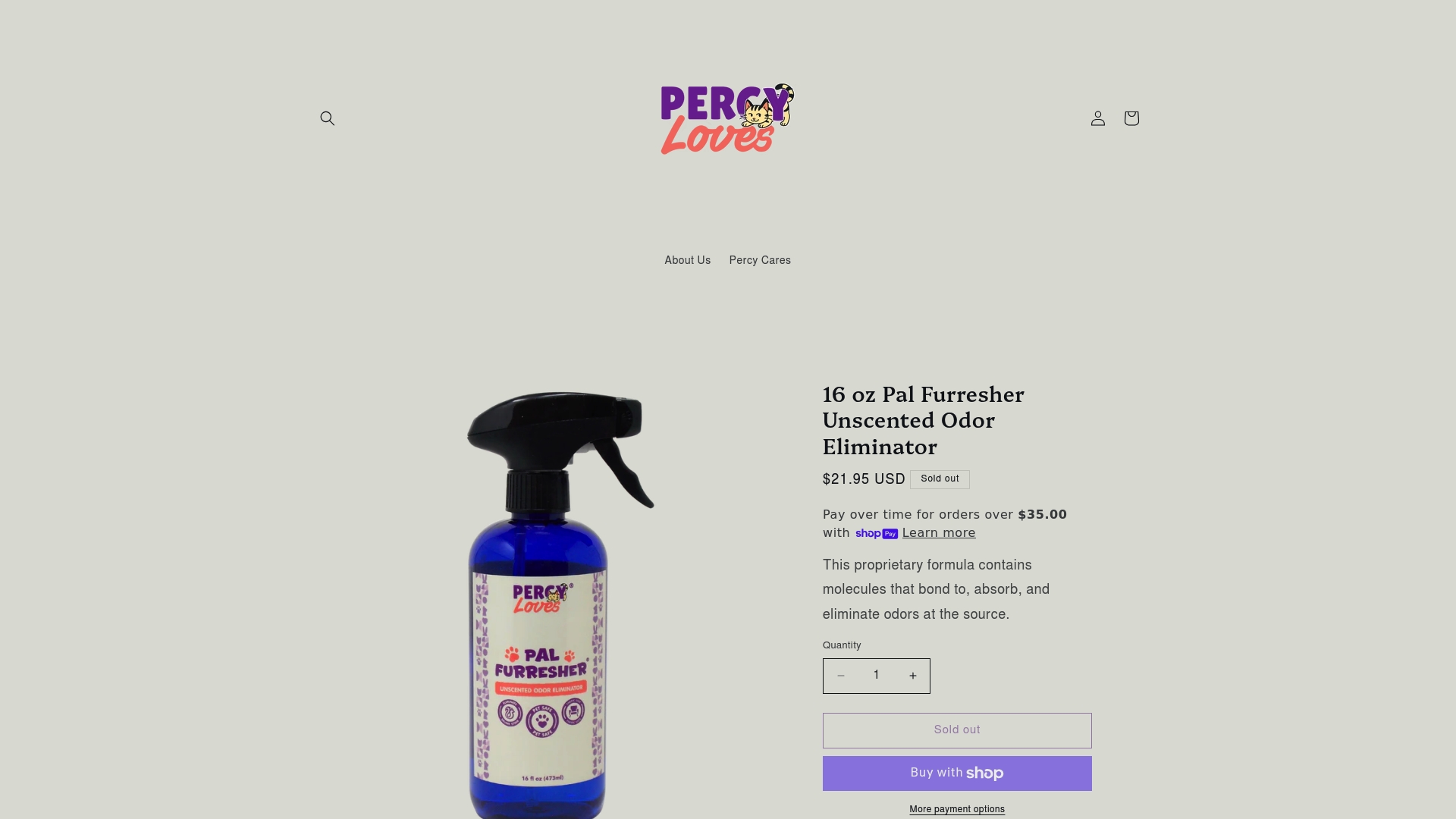
Choose from multiple sizes to fit your needs. The 4 oz Pal Furresher works perfectly for spot treatments and travel. Stock up with the pack of 3 for multiple rooms or frequent use. The 16 oz size handles larger areas and provides better value for ongoing odor management. These solutions integrate seamlessly into the comprehensive pet care routine you’ve learned throughout this article.
FAQ
How often should I take my pet to the vet for check-ups?
Most healthy adult pets need veterinary check-ups at least annually to monitor overall health and catch potential issues early. Puppies, kittens, and senior pets require more frequent visits, typically every 6 months, since they’re more vulnerable to rapid health changes. Following your veterinarian’s recommended wellness schedule helps maintain long-term health and prevents costly emergency treatments.
What are the most effective ways to control pet odors at home?
Daily litter box scooping, weekly bedding washing, and regular vacuuming with HEPA filters form the foundation of odor control. Use enzymatic cleaners on accidents to break down urine proteins completely rather than just masking smells with fragranced sprays. Natural options like baking soda and dietary supplements with rosemary extract provide additional odor reduction without harsh chemicals.
How can I ensure my home is safe for my pets?
Remove toxic substances like cleaning products, medications, and poisonous plants from areas your pet can access. Secure electrical wires with covers and eliminate choking hazards by keeping small objects off floors. Use ID tags and microchips so lost pets can be quickly identified and returned home safely.
What grooming practices help maintain pet health and reduce odors?
Regular brushing removes loose hair and prevents matting that traps odor-causing bacteria near the skin. Bathe dogs every 4 to 6 weeks with pet-specific shampoo, adjusting frequency based on activity level and coat type. Include daily dental care with brushing and dental chews to minimize bad breath and prevent serious oral health problems.


