

Pet-Parent Cleaning Checklist for a Safe, Fresh Home
You vacuum on Monday, and by Wednesday the couch is covered in fur again. You wash the dog’s bed, and three days later it smells like a kennel. Sound familiar? Most pet parents work hard to keep a clean home, but without a structured approach, the effort never quite catches up to the mess. Pet hair, odors, and hidden germs are a constant battle, and the difference between a truly fresh home and one that just looks clean often comes down to frequency, the right products, and knowing which tasks actually matter. This guide gives you a practical, evidence-based checklist to follow so your home stays safe and comfortable for everyone in it, two-legged and four-legged alike.
Table of Contents
- Essential tools and products for pet-parent cleaning
- Your ultimate daily and weekly cleaning checklist
- Monthly, quarterly, and seasonal deep-cleaning routines
- Smart strategies for odor and pet hair control
- Pet safety in cleaning: Products and methods to avoid
- Maintain a fresh, pet-safe home with Percy Loves solutions
- Frequently asked questions
Key Takeaways
| Point | Details |
|---|---|
| Daily cleaning matters | Small daily tasks keep pet mess manageable and your home fresher. |
| Pet safety is priority | Always use non-toxic, pet-specific cleaning products to protect your pets. |
| Routine deep cleans | Monthly and seasonal tasks prevent buildup of hair, odor, and germs. |
| Odor and fur control | Right tools and routines minimize shedding and eliminate animal smells. |
| Stay prepared | A stocked cleaning kit and reminders make maintenance simple for pet parents. |
Essential tools and products for pet-parent cleaning
Now that you understand why a specialized checklist makes all the difference, let’s start by gathering the right supplies. Having the correct tools on hand is what separates a quick tidy-up from a clean that actually lasts.
For fur removal, your toolkit should include:
- Manual vacuum and robot vacuum for daily and scheduled floor cleaning
- Pet hair rake for loosening embedded fur from upholstery and carpet
- Rubber gloves that grab fur off fabric when you run a damp hand across it
- Lint rollers for quick touch-ups on clothing and cushions
- Squeegee for pulling fur off carpet and low-pile rugs
For cleaning products, stick to what’s safe. Non-toxic, pet-safe products are non-negotiable in a home with dogs or cats. Avoid bleach near pets entirely. Enzyme cleaners, fragrance-free multi-surface sprays, and pet-safe stain removers are your go-to options. A solid dog-safe cleaning guide can help you identify which products work for your specific situation.
Pet-specific gear matters too. Washable mats at entryways, dedicated litter scoops, and machine-washable pet bedding all reduce how much cleaning you need to do in the long run. Store all cleaning products in a locked cabinet or high shelf, well out of your pet’s reach.
| Tool | Best use | Why it matters |
|---|---|---|
| Rubber gloves | Upholstery, fabric | Grabs fur effectively before vacuuming |
| Lint roller | Clothing, cushions | Fast, portable touch-up |
| Pet hair rake | Carpet, couch | Loosens deeply embedded hair |
| Enzyme cleaner | Stains, urine, odors | Breaks down odor at the source |
| Squeegee | Low-pile rugs | Pulls fur into easy-to-vacuum rows |
Pro Tip: Run a rubber squeegee across your upholstery before vacuuming. It pulls up far more fur than a vacuum attachment alone, and it takes less than two minutes per piece of furniture.
Your ultimate daily and weekly cleaning checklist
With gear ready, you can now follow a routine that targets what matters most, day in and day out. Consistency is everything here. A few minutes daily prevents the kind of buildup that turns into a two-hour weekend project.
Daily tasks (10-15 minutes total):
- Wash food and water bowls with hot, soapy water
- Scoop the litter box (at minimum once, ideally twice)
- Quick vacuum or sweep high-traffic areas and pet sleeping spots
- Wipe down any visible messes on floors or surfaces
- Do a quick brush or comb of your pet to reduce loose fur
These daily cleaning tasks are the foundation of a pet-friendly home routine. Skipping even one or two regularly leads to odor and allergen buildup that’s much harder to reverse.
Weekly tasks (60-90 minutes total):
- Deep vacuum all floors, furniture, and baseboards
- Wash pet bedding on a hot cycle
- Mop hard floors with a pet-safe cleaner
- Disinfect high-touch surfaces like door handles, light switches, and pet gates
- Clean the litter box fully with soap and water
- Wipe down pet toys and feeding stations
Experts recommend vacuuming 2-3 times per week at minimum, and daily if your pet is a heavy shedder. Washing bedding weekly prevents allergens and dust mites from building up in the fibers.

| Task | Frequency | Time estimate | Why it matters |
|---|---|---|---|
| Wash food bowls | Daily | 2 min | Prevents bacterial growth |
| Scoop litter | Daily | 3 min | Controls odor and hygiene |
| Spot vacuum | Daily | 5 min | Reduces fur and dander |
| Deep vacuum | Weekly | 20 min | Removes embedded hair and allergens |
| Wash pet bedding | Weekly | 10 min active | Eliminates dust mites |
| Mop floors | Weekly | 15 min | Removes tracked-in dirt and germs |
Pro Tip: Keep a small towel and a spray bottle of pet-safe cleaner near your front door. Wiping your dog’s paws and belly after every walk cuts down on the dirt, bacteria, and outdoor allergens they track inside.
For a ready-to-print version of this routine, the pet-parent cleaning checklist at Percy Loves is a great resource to bookmark.
Monthly, quarterly, and seasonal deep-cleaning routines
A solid daily and weekly routine should be matched by deep-clean focus set to a longer schedule. These bigger tasks are easy to forget, but they’re what keep your home truly healthy over time.
Monthly tasks:
- Replace or clean HVAC filters to trap pet dander before it recirculates
- Deep clean carpets with a carpet cleaner or enzyme spray
- Fully wash and disinfect litter boxes, crates, and carriers
- Wipe down baseboards and walls where fur and dander collect
Quarterly and seasonal tasks:
- Wash window blinds and curtains (fur clings to fabric and collects on slats)
- Clean air vents and returns throughout the home
- Sanitize outdoor pet areas, kennels, and play zones
- Inspect and replace worn pet mats and bedding
Replacing HVAC filters monthly or quarterly is one of the highest-impact things you can do for indoor air quality in a pet household. Pet dander is a major allergen, and filters that are overdue make the problem worse.
Important: Unclean pet bowls harbor Salmonella and E. coli, which can affect both pets and humans. Daily washing is not optional.
Tools that make deep cleaning faster and easier:
- Steam mop for chemical-free floor and grout sanitizing
- Carpet cleaner or extractor for embedded fur and stains
- Enzyme sprays for breaking down organic matter in fabric and carpet
- Handheld vacuum for vents, blinds, and tight corners
For a full breakdown of how to structure these bigger tasks, the pet cleaning process guide and the pet care workflow resource at Percy Loves walk you through it step by step.
Smart strategies for odor and pet hair control
Once surfaces and habits are covered, next comes targeting what most frustrates pet parents: fur and that elusive pet smell. These two issues feed off each other. More fur means more surface area for odors to cling to.
For fur, the order of operations matters. Always use a rubber glove, lint roller, or pet hair rake to loosen and collect fur before you vacuum. Vacuuming over loose fur without pre-treating just pushes it around. Anti-static spray on furniture also helps repel fur between cleanings.
For odor, the key is elimination, not masking. Enzyme cleaners break down the organic compounds in urine, saliva, and dander that cause odors at the source. Frequent laundering of anything fabric, including slipcovers, throws, and pet beds, removes the odor-causing buildup that air fresheners only cover up.
Critical note: Never use heavily scented sprays or chemical air fresheners to cover pet odors. Many contain compounds that are harmful to cats and dogs, and they do nothing to address the actual source of the smell.
Practical odor and fur control habits:
- Groom your pet regularly to reduce shedding at the source
- Use washable slipcovers on furniture your pet uses
- Run an air purifier with a HEPA filter in rooms where your pet spends the most time
- Wash pet toys weekly since they collect saliva and bacteria
- Address accidents immediately with an enzyme cleaner rather than waiting
For a deeper look at what works, the odor control guide at Percy Loves covers room-by-room strategies, and the safe odor control products page helps you find options that are genuinely lick-safe. Cleaning high-touch surfaces regularly also prevents germ spread that contributes to that lingering pet-home smell.
Pet safety in cleaning: Products and methods to avoid
Choosing the right approaches also means avoiding the wrong ones. Here’s what not to do when your pet’s safety is at stake.
Some of the most common household cleaners are genuinely dangerous for pets. Bleach, ammonia-based products, and heavily scented disinfectants can cause respiratory irritation, chemical burns, and serious illness in cats and dogs. The CDC recommends non-toxic, pet-safe products and steam cleaning as the safest options for homes with animals.
Warning: Bleach fumes are especially dangerous for cats, whose livers cannot process certain chemical compounds the way humans can. Even residue left on a floor after mopping can be harmful if a cat walks through it and then grooms their paws.
Chemicals to avoid entirely in pet areas:
- Bleach and bleach-based disinfectants
- Ammonia cleaners (which smell like urine and can confuse pets)
- Essential oil-based sprays, especially those containing tea tree, eucalyptus, or citrus
- Standard dryer sheets used near pet bedding
- Heavily fragranced floor cleaners
Safer alternatives that actually work:
- Diluted white vinegar for hard surfaces (spot test first on sensitive materials)
- Enzyme-based cleaners for stains and odors
- Steam cleaning for floors, grout, and fabric
- Fragrance-free, lick-safe sprays for surfaces pets contact directly
For a full breakdown of what’s safe and what isn’t, the pet cleaning safety tips guide at Percy Loves is worth reading before you restock your cleaning cabinet. Store every cleaner, even the safe ones, in a locked cabinet or high shelf your pet cannot access.
Maintain a fresh, pet-safe home with Percy Loves solutions
Putting these cleaning practices into action is easier with trusted, pet-first cleaning essentials. A solid routine gets you most of the way there, but the products you use in that routine make a real difference.
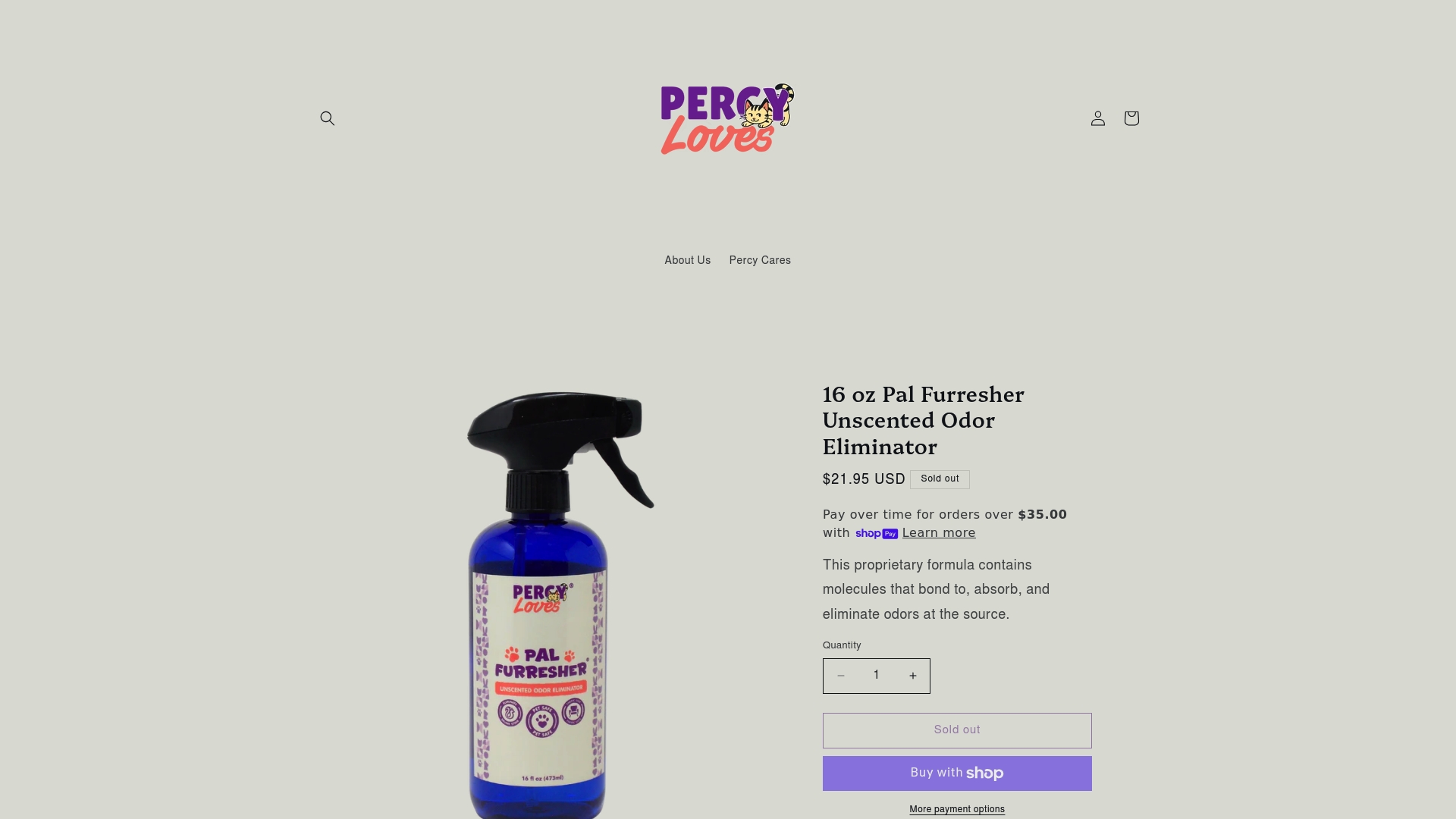
That’s exactly why Percy Loves created Pal Furresher, a fragrance-free odor elimination spray that is completely lick-safe. Percy is a real cat with a real odor problem, and Pal Furresher was built to solve it. The proprietary formula works at the source of the odor to eliminate it completely, not cover it up. You can grab the unscented odor eliminator in a convenient size or stock up with the 16 oz odor eliminator for everyday use throughout your home. Visit Percy Loves to explore the full lineup of pet-safe cleaning solutions designed for homes where fur babies are family.
Frequently asked questions
How often should pet bedding be washed?
Pet bedding should be washed weekly to reduce allergens and prevent dust mites from building up in the fabric.
What’s the safest way to clean pet urine?
Use an enzyme cleaner to break down the organic compounds in urine completely, which eliminates both the stain and the odor rather than just masking it.
Is steam cleaning safe around pets?
Steam cleaning is chemical-free and safe for pet households, as long as you keep pets out of the area while the steam is active and until surfaces have cooled.
Can I use regular bleach to disinfect pet areas?
No. Avoid bleach near pets entirely. Choose a pet-safe enzyme cleaner or steam cleaning instead for surfaces your animals contact regularly.
What’s the best way to reduce pet hair on floors and furniture?
Use rubber gloves, lint rollers, or a pet hair rake to loosen and collect fur before vacuuming, which picks up significantly more hair than vacuuming alone.


