

Pet-parent cleaning checklist: 94% hair removal proven
Pet parents know the struggle all too well. You vacuum daily, yet pet hair clings to every surface. Odors linger no matter how many air fresheners you deploy. Accidents happen, and despite your best efforts, that faint urine smell persists. Maintaining a fresh, clean home while keeping your furry family members safe requires more than good intentions. It demands a strategic approach with the right tools, products, and routines. This comprehensive cleaning checklist equips you with expert-backed methods to tackle pet hair, eliminate stubborn odors, and create a healthier environment for everyone in your household.
Table of Contents
- Key takeaways
- Gathering your cleaning tools and supplies
- Daily cleaning routine for pet hair and dander
- Removing pet urine odors safely and effectively
- Natural deodorizing and air purification strategies
- Verifying cleanliness and when to call professionals
- Discover safe and effective odor eliminators for pet parents
- Frequently asked questions
Key Takeaways
| Point | Details |
|---|---|
| Daily HEPA vacuuming | Using a HEPA filter vacuum every day captures most pet hair and prevents dander from circulating. |
| Enzymatic cleaners eliminate odors | Enzymatic cleaners break down urine and other organic matter with live bacteria for lasting odor removal. |
| Regular grooming reduces shedding | Daily brushing or deshedding tools cut down on hair that ends up on floors and furniture. |
| Natural deodorizers have limits | Baking soda and vinegar help but cannot fully neutralize strong pet odors in all areas. |
| Professional odor remediation | Severe or persistent odors may require professional services to restore odor free living spaces. |
Gathering your cleaning tools and supplies
Before starting any cleaning routine, assembling the right arsenal makes all the difference. A HEPA filter vacuum stands as your primary weapon against pet hair and dander. Standard vacuums recirculate fine particles back into your air, while HEPA filters trap allergens that trigger respiratory issues. Look for models specifically designed for pet hair with strong suction and specialized brush rolls.
Enzymatic cleaners represent another non-negotiable tool for pet parents. Unlike traditional cleaners that mask odors, enzymatic formulas contain living bacteria that consume organic matter. They break down the proteins in urine, feces, and vomit at a molecular level. Stock both spray bottles for immediate accidents and larger containers for deep cleaning sessions.
Natural deodorizers like baking soda and white vinegar offer budget-friendly supplemental options. Baking soda absorbs odors when sprinkled on carpets and left for several hours before vacuuming. White vinegar diluted with water creates an effective surface cleaner for hard floors and walls. However, never mix these two ingredients together, as the chemical reaction neutralizes their individual cleaning properties.
Your complete supply checklist should include:
- HEPA filter vacuum with pet hair attachments
- Enzymatic cleaner spray and refill bottles
- Baking soda in bulk quantities
- White vinegar and spray bottles
- Microfiber cloths and mop heads
- Rubber grooming gloves for furniture
- Pet-safe disinfectant wipes
- Blacklight flashlight for detecting urine stains
| Tool Category | Recommended Features | Why It Matters |
|---|---|---|
| Vacuum | HEPA filtration, 12+ amp motor, pet brush roll | Prevents allergen recirculation, removes embedded hair |
| Enzymatic Cleaner | Live bacteria cultures, unscented formula | Eliminates odor source rather than masking |
| Air Purifier | True HEPA filter, CADR rating 200+, quiet operation | Continuous dander and allergen removal |
| Grooming Tools | Deshedding blade, slicker brush, nail clippers | Reduces shedding at the source |
Pro Tip: When washing pet bedding or your own laundry covered in hair, always use cold water. Hot water causes proteins in pet hair to bond more tightly to fabric fibers, making removal nearly impossible. Toss a damp rubber glove or dryer ball in the dryer to create static that pulls hair into the lint trap. Following this dog safe home cleaning guide ensures you choose products that protect your pets while cleaning effectively. For specialized equipment recommendations, check best pet hair vacuums to find models that match your specific needs.
Daily cleaning routine for pet hair and dander
Consistency beats intensity when managing pet hair. A daily 15-minute routine prevents the overwhelming buildup that requires hours to address later. Start your day by vacuuming high-traffic areas where your pets spend most of their time. Focus on pet beds, favorite lounging spots, and pathways between rooms. Daily HEPA vacuuming captures the majority of shed hair before it migrates throughout your home.
Your daily cleaning sequence should follow this order:
- Vacuum pet sleeping areas and favorite furniture spots
- Wipe down hard surfaces with microfiber cloths to trap settled dander
- Groom your pet with a deshedding tool for 5 minutes
- Clean pet paws at entry points after outdoor time
- Shake out and hang pet bedding outdoors to air
- Empty vacuum canister or replace bag to maintain suction power
Grooming your pet daily dramatically reduces the hair that ends up on your floors and furniture. Short-haired pets benefit from weekly baths, while long-haired breeds need daily brushing sessions. Use a deshedding tool that reaches the undercoat where loose hair accumulates. Most pets shed seasonally in spring and fall, requiring extra attention during these periods.

Entryway hygiene prevents outdoor contaminants from spreading through your home. Place absorbent mats at every door your pet uses. Keep a towel and paw-cleaning wipes nearby to address muddy feet immediately. This simple habit stops dirt, pollen, and outdoor allergens from hitching a ride on your pet’s paws. Consider creating a dedicated pet entry zone with washable rugs and a grooming station.
Pro Tip: Run a rubber squeegee or damp rubber glove across upholstered furniture before vacuuming. The static electricity pulls embedded hair to the surface where your vacuum can capture it effectively. This technique works especially well on microfiber and velvet fabrics that trap hair in their weave. Understanding proper pet cleaning safety helps you maintain routines that keep both your home and your pets healthy.
Removing pet urine odors safely and effectively
Urine accidents demand immediate action to prevent permanent odor and staining. The moment you discover an accident, blot up as much liquid as possible using paper towels or absorbent cloths. Press firmly to draw urine from carpet padding or upholstery foam. Never rub, as this pushes urine deeper into fibers and spreads the contaminated area.
Follow these steps for effective urine odor elimination:
- Blot fresh accidents immediately with absorbent materials
- Apply enzymatic cleaner generously to saturate the entire affected area
- Allow the cleaner to sit for the manufacturer’s recommended time, typically 10-15 minutes
- Blot again without rinsing to remove excess moisture
- Cover the area with a clean towel weighted down to continue absorption
- Allow complete air drying, which can take 24-48 hours
- Repeat application if any odor remains after drying
Enzymatic cleaners eliminate urine odors by breaking down uric acid crystals that form as urine dries. These crystals bond tightly to surfaces and reactivate with moisture, explaining why old accidents smell stronger on humid days. The living bacteria in enzymatic cleaners consume these crystals completely, removing the odor source rather than masking it with fragrance.
However, enzymatic cleaners have limitations that every pet parent should understand:
- They only work on surfaces they can physically contact
- Porous materials like wood subfloors may absorb urine beyond enzymatic reach
- Wall cavities and insulation require professional remediation
- Old, set-in stains may need multiple treatments over several days
- Enzymatic action requires moisture and warmth to activate bacteria
Warning: DIY cleaning methods fail when urine has penetrated beyond surface materials. Deep contamination requires professional intervention because enzymes cannot reach urine trapped in subfloors, wall cavities, or structural materials. Moisture from cleaning attempts can actually reactivate dormant odors, making the problem worse. Professional remediation services use thermal fogging, ozone treatment, and sealing techniques to address contamination that home methods cannot reach.
For persistent odors despite thorough cleaning, consult your veterinarian. Sudden changes in urination patterns or unusually strong-smelling urine can indicate urinary tract infections, kidney issues, or diabetes. Addressing the underlying health problem stops accidents at their source. Learn more about comprehensive approaches in this pet cleaning process guide.
Natural deodorizing and air purification strategies
Beyond addressing specific messes, maintaining overall freshness requires ongoing deodorizing efforts. Baking soda serves as an effective, pet-safe odor absorber for carpets and upholstery. Sprinkle a generous layer over the target area, work it into fibers with a soft brush, and let it sit for at least four hours or overnight. The longer it remains, the more odors it absorbs. Vacuum thoroughly to remove all residue.
White vinegar diluted with equal parts water creates a versatile cleaning solution for hard surfaces. It cuts through grime, neutralizes odors, and leaves no harmful residue. Spray it on tile, laminate, or sealed wood floors, then wipe clean with microfiber cloths. The vinegar smell dissipates quickly as it dries, taking other odors with it. Never use vinegar on natural stone surfaces like marble or granite, as the acidity can etch the finish.
Air purifiers equipped with true HEPA filters continuously clean your home’s air. HEPA purifiers reduce airborne particulates by capturing microscopic dander, dust, and allergens that circulate through your HVAC system. Place units in rooms where your pets spend the most time. Run them continuously on low settings rather than intermittently on high for best results.
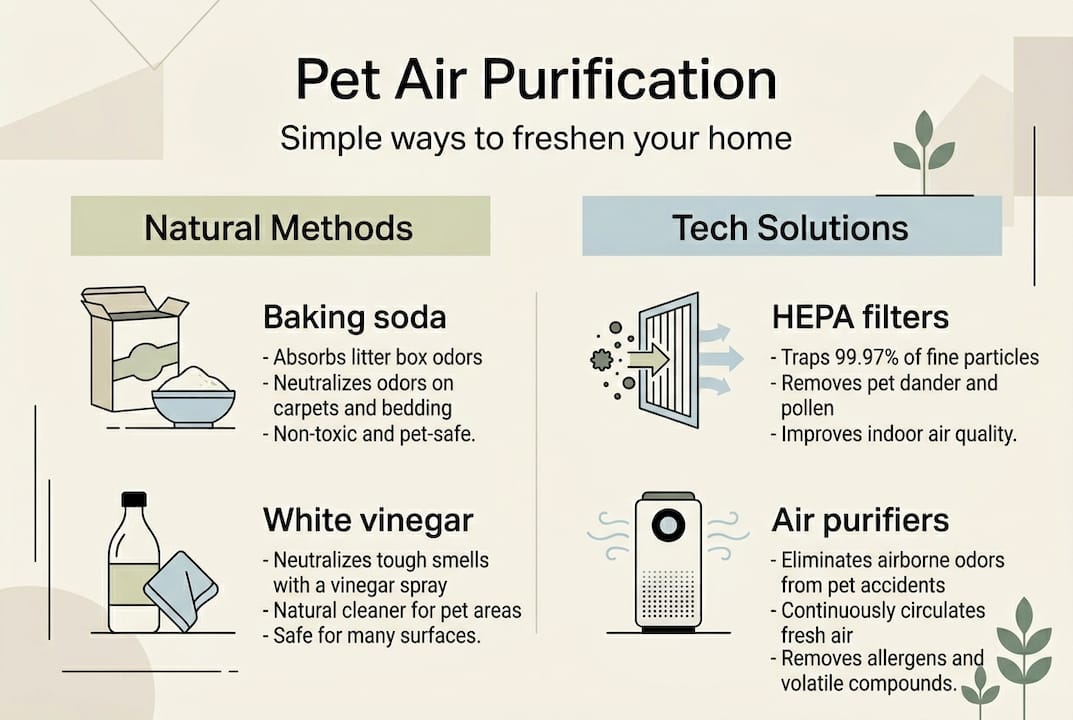
| Method | Best Use | Effectiveness | Limitations | |—|—|—| | Baking Soda | Carpet and upholstery odor absorption | Moderate for surface odors | Requires hours to work, doesn’t eliminate source | | Vinegar Solution | Hard surface cleaning and deodorizing | Good for general freshness | Strong smell during application, not for porous surfaces | | HEPA Air Purifiers | Continuous airborne particle removal | Excellent for dander and allergens | Doesn’t address settled particles or odor sources | | Activated Charcoal | Passive odor absorption in small spaces | Good for enclosed areas | Needs replacement every 2-3 months |
When using natural cleaners around pets, follow these safety guidelines:
- Never allow pets to ingest baking soda in large quantities
- Keep vinegar solutions away from pet food and water bowls
- Ensure adequate ventilation when using any cleaning product
- Store all cleaning supplies in pet-proof cabinets
- Rinse surfaces thoroughly if your pet will lick them
- Test new products on small areas first to check for reactions
Combining these natural methods with proper ventilation creates a multi-layered approach to freshness. Open windows regularly to exchange stale indoor air with fresh outdoor air. Use exhaust fans in bathrooms and kitchens to remove moisture that can amplify odors. Consider the strategies in this pet wellness odor control guide for maintaining a balanced approach to cleanliness.
Verifying cleanliness and when to call professionals
After implementing your cleaning routine, verification ensures your efforts achieved the desired results. Conduct a thorough sniff test in each room, paying special attention to areas where accidents occurred. Get down to floor level where odors concentrate. If you detect lingering smells, additional treatment is necessary before considering the job complete.
Use a blacklight flashlight in darkened rooms to reveal urine stains invisible to the naked eye. Urine glows yellow-green under UV light, showing you exactly where contamination exists. Mark discovered spots with painter’s tape for targeted retreatment. This technique prevents you from missing hidden accidents that continue producing odors.
Persistent odors after proper cleaning may signal deeper issues requiring professional assessment. Moisture reactivating old smells indicates contamination has penetrated porous materials beyond DIY reach. Musty odors suggest mold growth from repeated accidents saturating padding or subfloors. Staining that bleeds through carpet or appears on ceilings below upper floors confirms structural involvement.
Recognize these signs that professional remediation is necessary:
- Odors return within days after thorough cleaning
- Humidity or rain intensifies smells
- Visible staining on subfloors, baseboards, or walls
- Carpet padding feels perpetually damp
- Multiple pets have used the same area repeatedly over months or years
- Health symptoms like respiratory irritation or headaches in family members
If odors persist despite your best efforts, consult your veterinarian before assuming it’s only a cleaning issue. Urinary tract infections, kidney disease, and diabetes all produce unusually strong-smelling urine. Addressing these health conditions stops the source of accidents and protects your pet’s wellbeing. Your vet can also recommend dietary changes that may reduce urine odor intensity.
Professional remediation services offer solutions unavailable to homeowners. Thermal fogging disperses odor-neutralizing agents into every crack and crevice. Ozone treatment oxidizes odor molecules at a molecular level. Sealing products encapsulate contaminated materials, preventing odor migration. In severe cases, removing and replacing contaminated flooring, padding, and drywall becomes the only permanent solution. Explore comprehensive approaches in this pet wellness and cleanliness guide.
Discover safe and effective odor eliminators for pet parents
Maintaining a fresh home requires reliable products that work alongside your cleaning routine. Percy Loves understands that pet parents need solutions as safe as they are effective. Our Pal Furresher odor eliminator offers fragrance-free formulas designed specifically for homes with furry family members. Unlike products that mask odors with heavy perfumes, Pal Furresher works at the molecular level to neutralize odor sources completely.
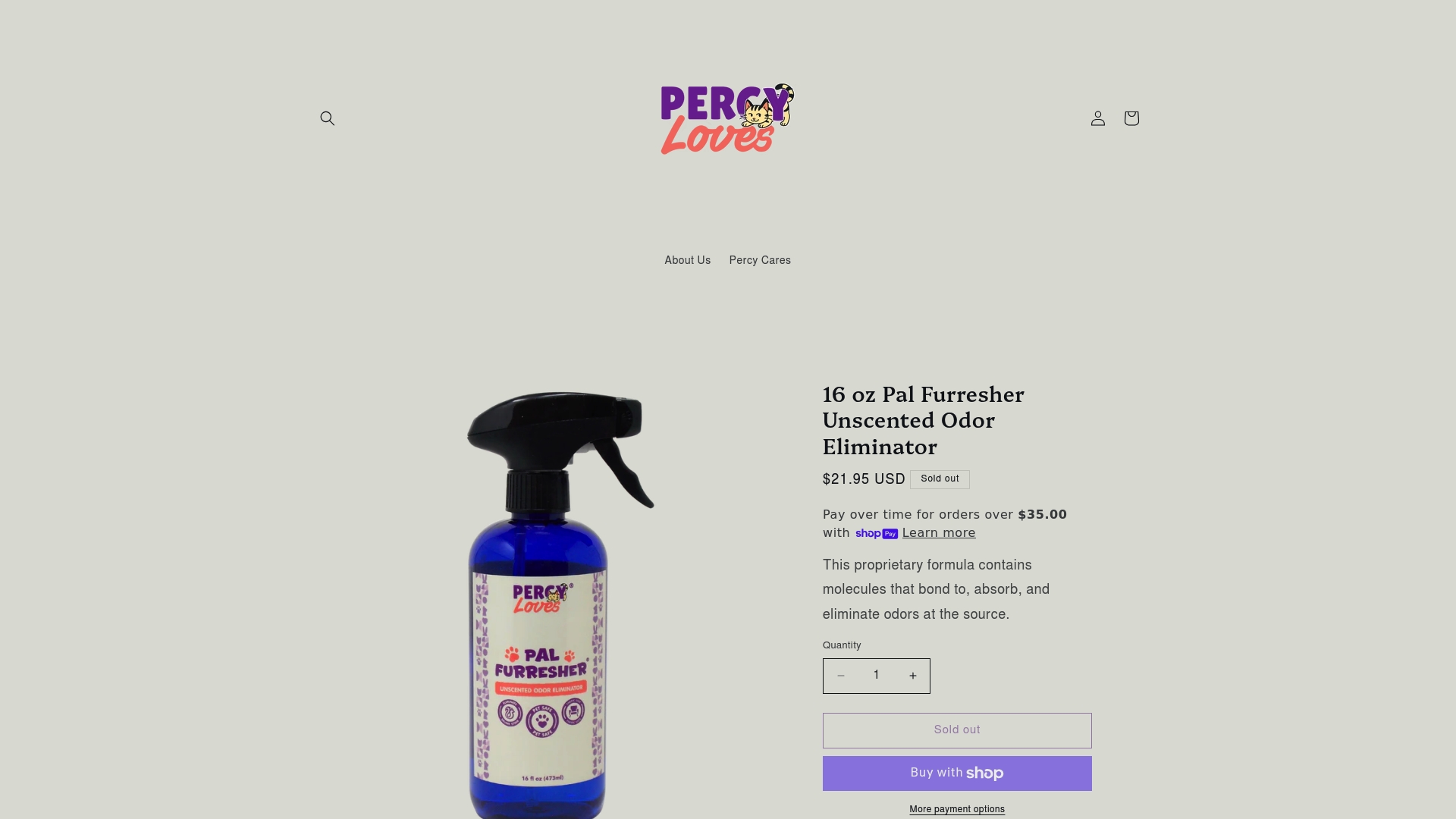
Our pet-safe formula complements enzymatic cleaners and natural deodorizing methods perfectly. Use it on furniture, bedding, carpets, and any surface where odors linger. The unscented design means no harsh chemicals or artificial fragrances that might irritate sensitive noses, yours or your pet’s. Available in convenient 4 oz bottles for targeted treatment, 16 oz bottles for regular maintenance, or money-saving 3-packs, Pal Furresher fits seamlessly into your daily cleaning checklist. Because keeping your home fresh shouldn’t mean compromising your pet’s safety.
Frequently asked questions
How often should I vacuum with a HEPA filter to manage pet hair effectively?
Daily vacuuming with HEPA filters captures the majority of shed hair and dander before it spreads throughout your home. During heavy shedding seasons in spring and fall, consider vacuuming high-traffic areas twice daily. Homes with multiple pets or long-haired breeds benefit from more frequent sessions. The key is consistency rather than intensity, as regular removal prevents the overwhelming buildup that requires hours to address.
Are enzymatic cleaners safe for all surfaces and pets?
Enzymatic cleaners work safely on most carpets, upholstery, and sealed hard surfaces when used according to manufacturer directions. Always test new products on inconspicuous areas first to check for discoloration or damage. Keep pets away from treated areas until completely dry to prevent ingestion of the cleaning solution. Ventilate rooms during and after application. Never use enzymatic cleaners on natural stone, unsealed wood, or antique fabrics without consulting a professional first.
What signs indicate I should consult a professional for pet odor removal?
Persistent odors that return within days after thorough cleaning suggest contamination beyond DIY methods’ reach. Moisture from humidity or rain reactivating smells indicates urine has penetrated subfloors or wall cavities. Visible staining on baseboards, ceiling drywall below upper floors, or perpetually damp carpet padding all require professional assessment. Professionals use thermal fogging, ozone treatment, and sealing techniques to address structural contamination that home cleaning cannot eliminate.
How can regular grooming reduce my cleaning workload?
Weekly baths and daily brushing remove loose hair before it sheds onto your floors and furniture. Short-haired pets need weekly baths, while long-haired breeds require daily brushing sessions with deshedding tools. Grooming also distributes natural oils that keep coats healthy and reduce dander production. Cleaner pets track less dirt indoors, especially when you wipe paws after outdoor time. This proactive approach cuts your vacuuming and surface cleaning needs significantly, saving hours each week.


