

Pet-Parent Cleaning Checklist for an Odor-Free Home
You vacuum, you wipe, you spray, and somehow your home still smells like a dog park. If that sounds familiar, you are not alone. The problem is not effort. It is having the right system. A structured cleaning checklist takes the guesswork out of pet-parent life, so you stop reacting to messes and start preventing them. This guide walks you through the exact supplies, routines, and strategies you need for a genuinely fresh, safe home, whether you have one cat or a full house of fur babies.
Table of Contents
- What you need for effective pet-parent cleaning
- Step-by-step pet-parent cleaning checklist
- Smart strategies for odor, hair, and mess control
- Critical safety reminders for pet-parent cleaning
- Troubleshooting and tips for stubborn pet messes
- Odor-free living made easy with Percy Loves solutions
- Frequently asked questions
Key Takeaways
| Point | Details |
|---|---|
| Essentials matter | Stock pet-safe cleaners, HEPA vacuum, and grooming tools to simplify odor control. |
| Routine is key | Daily upkeep of bowls, waste, and litter prevents buildup and keeps your home fresh. |
| Enzymes work best | Choose enzymatic cleaners over household products to break down pet stains and smells. |
| Safety first | Always verify cleaning products are labeled safe for use around animals. |
| Stay proactive | A clear checklist and regular habits minimize odors, reduce allergens, and protect your pets. |
What you need for effective pet-parent cleaning
Before any routine works, you need the right tools. Grabbing whatever cleaner is under the sink is a gamble when pets are involved. Some common household products contain ammonia, phenols, or strong fragrances that are harmful to cats and dogs. Starting with the right supplies protects your pets and makes every cleaning task more effective.
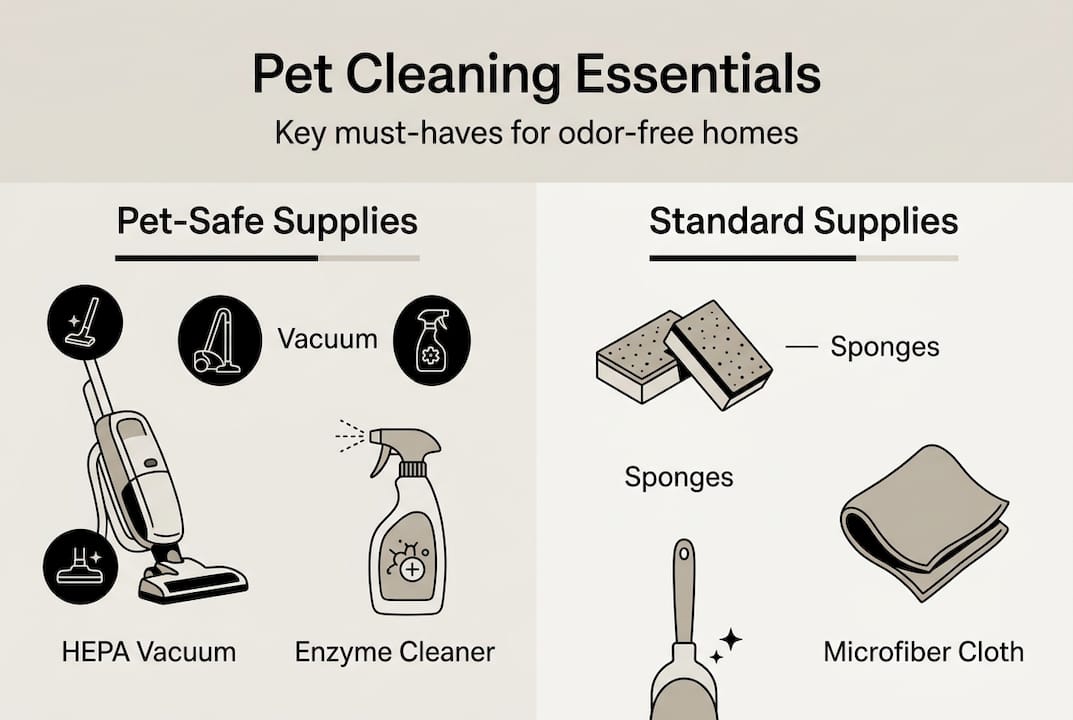
Here are the essentials every pet parent should keep stocked:
- HEPA vacuum with a pet hair attachment
- Enzymatic cleaner for urine, vomit, and organic stains
- Unscented, pet-safe laundry detergent for bedding and soft surfaces
- Baking soda for carpet and upholstery odor absorption
- Microfiber cloths for wiping surfaces without spreading residue
- Rubber gloves for waste cleanup and litter box duty
- Pet-safe multi-surface spray for daily wipe-downs
For urine accidents specifically, blot immediately and use enzymatic cleaners to break down proteins. Avoid steam cleaners or ammonia, which can set the stain and the smell permanently. Understanding pet cleaning safety before you stock your caddy saves a lot of headaches later.
Enzymatic cleaners work differently from regular sprays. They contain active enzymes that digest the organic molecules causing the odor, rather than just covering them up. That is why they are the gold standard for pet homes. Pair them with non-toxic cleaning products across the board, and you have a setup that is safe for everyone in the house.
| Supply | Purpose | Pet-safe? |
|---|---|---|
| HEPA vacuum | Hair and dander removal | Yes |
| Enzymatic cleaner | Breaks down organic odors | Yes (check label) |
| Baking soda | Absorbs carpet odors | Yes |
| Ammonia-based cleaner | General cleaning | No |
| Unscented detergent | Bedding and fabric wash | Yes |
| Steam cleaner | Deep carpet cleaning | No for urine |
Daily cleaning of pet bowls, litter boxes, and waste removal is essential to prevent odors and health risks. Building a solid grooming workflow also reduces the amount of hair and dander you are cleaning up in the first place.
Pro Tip: Keep a dedicated cleaning caddy stocked with all your pet supplies in one spot. When a mess happens, you grab and go instead of hunting through cabinets.
Step-by-step pet-parent cleaning checklist
With supplies ready, the next step is knowing exactly what to clean and how often. Frequency matters more than most pet parents realize. A task done inconsistently is almost as ineffective as not doing it at all.
Daily tasks
- Wash food and water bowls with warm soapy water
- Scoop litter boxes (at least once, twice if you have multiple cats)
- Wipe down pet feeding areas with a pet-safe spray
- Pick up and dispose of any waste in the yard
- Do a quick vacuum pass on high-traffic areas and furniture
Weekly tasks
- Wash all pet bedding using pet-safe detergents to reduce allergens, parasites, and odors
- Deep clean litter boxes with mild, unscented soap (no ammonia)
- Vacuum all carpets, rugs, and upholstered furniture thoroughly
- Wipe down hard floors with a pet-safe cleaner
- Clean windows and glass doors at pet nose height
- Check and wash any soft toys or fabric accessories
As-needed tasks
- Treat urine or vomit stains immediately with enzymatic cleaner
- Bathe pets when visibly dirty or after outdoor adventures
- Wash throw blankets and couch covers
- Deep clean under furniture where hair collects
The ASPCA recommends scooping litter boxes daily and doing a full deep clean weekly using mild soap with no scents or ammonia. Clumping, unscented litter makes this easier and keeps your cat more comfortable. Use your hair removal checklist to stay on top of shedding between deep cleans.

| Task | Frequency | Why it matters |
|---|---|---|
| Scoop litter box | Daily | Prevents odor buildup and health issues |
| Wash pet bedding | Weekly | Removes allergens, parasites, odors |
| Vacuum carpets | Daily to weekly | Controls hair and dander |
| Deep clean litter box | Weekly | Eliminates bacteria and residue |
| Treat stains | Immediately | Stops odors from setting |
| Wash food/water bowls | Daily | Prevents bacteria growth |
In multi-pet homes, bump up every frequency by one level. What works weekly for one dog may need to happen every other day with three. Check out the pet care workflow for tips on scaling your routine without burning out.
Pro Tip: Set recurring phone reminders for weekly tasks. It sounds simple, but consistent timing is what separates a fresh home from a funky one. You can also print your checklist and stick it inside a cabinet door.
Smart strategies for odor, hair, and mess control
A checklist handles the basics. These strategies handle the stubborn stuff.
Vacuum daily or weekly using pet hair tools or HEPA filters, and sprinkle baking soda on carpets and upholstery before vacuuming for extra odor absorption. HEPA filters trap fine dander particles that standard vacuums just recirculate into the air. That is a big deal for anyone in the house with allergies.
Enzymatic cleaners outperform vinegar and baking soda for deep odor neutralization because they actually digest the organic matter causing the smell. Vinegar masks. Enzymes eliminate. That distinction matters when you are dealing with repeat accidents in the same spot.
“Avoid steam cleaners or ammonia, which set odors and can harm pets.”
Regularly groom your pets to reduce shedding and dander, and always brush before baths to loosen dead hair. Less hair on the pet means less hair on your couch, floors, and in your air. Pair grooming with your efficient grooming routine to make it a quick, consistent habit rather than a dreaded chore.
Here is a focused list of odor and dander control steps:
- Sprinkle baking soda on carpets, let sit 15 minutes, then vacuum
- Wash all soft surfaces (bedding, throws, cushion covers) weekly
- Use an air purifier with a HEPA filter in rooms where pets sleep
- Keep litter boxes in ventilated areas and scoop twice daily if needed
- Treat any accident spot immediately, never let it dry untreated
The right checklist can achieve up to 94% hair removal from upholstered surfaces when combined with the correct tools and consistent frequency. That number drops fast when you skip steps or use the wrong vacuum attachment. See the full wellness and cleanliness guide for a deeper look at keeping your home genuinely clean.
Critical safety reminders for pet-parent cleaning
Even the most thorough cleaning routine can backfire if the products or practices are unsafe. Pets explore with their noses and mouths. What sits on your floor or lingers in the air goes directly into their bodies.
Always choose products labeled safe for pets. Avoid anything containing ammonia, phenols, or strong synthetic fragrances. These ingredients are common in popular household cleaners but are toxic to cats and dogs at even low exposure levels. Your pet-safe cleaning guide is a great reference when evaluating new products.
“Never let pets walk on wet cleaned areas. Always follow product directions for drying time before allowing pet access.”
For urine accidents, blot immediately and use enzymatic cleaners to break down proteins. Steam cleaners and ammonia-based products make the problem worse by setting the odor into fibers permanently.
Here is a quick safety checklist to run through regularly:
- Store all cleaning products in locked or latched cabinets
- Remove pets from the area while cleaning and during drying time
- Wear gloves during yard cleanup and litter box duty, then wash hands
- Remove feces promptly to prevent parasite spread and check for hazards like toxic plants or chemicals in the yard
- Avoid scented litter or detergents near cats, who are especially sensitive to fragrance
- Review your safe products guide before introducing any new cleaner to your home
These steps are not overcautious. They are the baseline for a home where pets and people can both breathe easy.
Troubleshooting and tips for stubborn pet messes
Even with a solid routine, some messes refuse to cooperate. Here is how to handle the tough ones without making things worse.
The most common mistake pet parents make is waiting. The longer a urine or vomit stain sits, the deeper it sets into fibers and subfloor materials. Act within minutes, not hours. Blot (never rub) to absorb as much liquid as possible, then apply your enzymatic cleaner and let it sit for the time listed on the label.
Fully eliminating urine scent with enzymes, not just masking it, is the only way to prevent re-marking. Dogs and cats can smell residual urine at concentrations far below what humans detect. If the scent is there, they will return to that spot. Enzymes are the only solution that actually removes the signal.
Here are the most common mistakes to avoid:
- Rubbing a stain instead of blotting (spreads it deeper)
- Using steam cleaners on urine (heat sets the proteins permanently)
- Applying ammonia-based cleaners (smells like urine to pets, encourages re-marking)
- Skipping the wait time on enzymatic cleaners (they need time to work)
- Ignoring hidden spots under furniture or behind appliances
For professional odor strategies on carpets and upholstery, a black light can reveal dried urine spots invisible to the naked eye. Treat every spot you find, even old ones. In multi-pet homes, increase your vacuum filter changes and bedding washes. Filters clog faster, and bedding accumulates odors more quickly with more animals. Check out odor control best practices for a complete breakdown.
Pro Tip: Before using any new cleaner on carpet or upholstery, test it in a hidden spot first. Some formulas can discolor fabric or leave a residue that attracts more dirt.
Odor-free living made easy with Percy Loves solutions
You now have the checklist, the strategies, and the safety knowledge. The last piece is having a product that actually finishes the job.
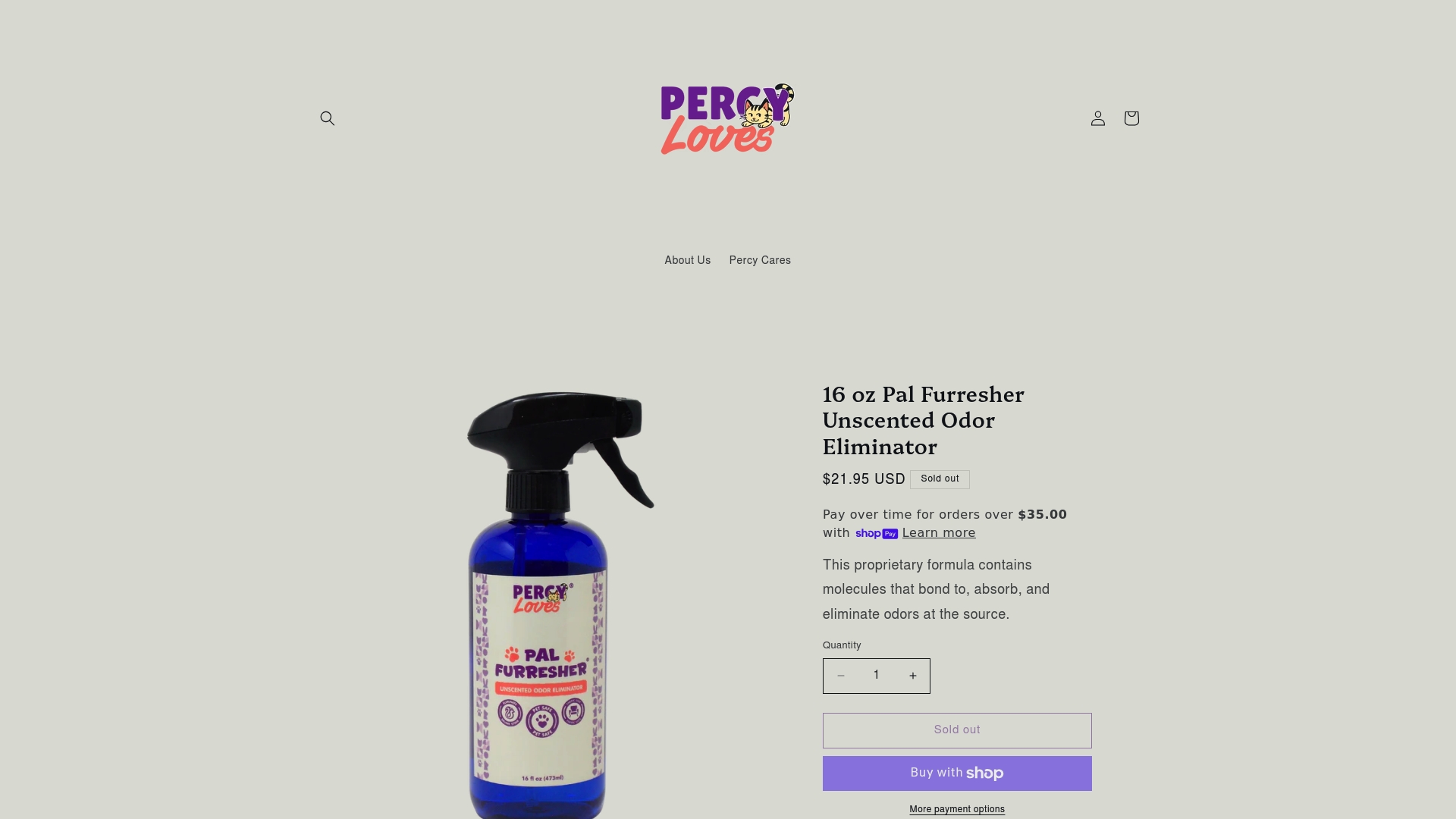
That is exactly why we created Pal Furresher. Percy is a real cat with a real funk problem, and Pal Furresher was built to solve it completely. It is fragrance-free, lick safe, and works at the source of the odor rather than covering it up. No harsh chemicals, no overpowering scent, just clean. Grab the 4 oz odor eliminator for on-the-go spot treatment or the 16 oz odor eliminator for whole-home use. Both are made for pet parents who refuse to choose between a clean home and a safe one.
Frequently asked questions
What should I use to clean pet urine stains safely?
Blot the area immediately, then apply an enzymatic cleaner made for pet messes. Avoid steam cleaners or ammonia, which set the stain and can harm pets.
How often should I wash pet bedding and clean litter boxes?
Wash pet bedding weekly using a pet-safe detergent, and deep clean litter boxes at least once per week with mild, unscented soap. Scoop litter boxes daily to keep odors from building up between deep cleans.
What’s the best way to manage pet hair and dander?
Vacuum with HEPA filters and pet hair attachments regularly, and groom pets consistently to reduce shedding at the source. Brushing before baths removes the most loose hair in one step.
Are all cleaning products safe for pets?
No. Many common cleaners contain ammonia, phenols, or synthetic fragrances that are toxic to cats and dogs. Always choose products labeled pet-safe and check ingredient lists before use.
How do I prevent pet odors from coming back after cleaning?
Fully eliminate urine scent with enzymes rather than masking it. Pets can detect residual odor at very low levels and will re-mark the same spot if any trace remains.


