

Pet Safety Myths Explained: What Every Owner Needs to Know
TL;DR:
- Many household products labeled as natural can still be toxic to pets, requiring careful ingredient checks.
- Indoor and outdoor spaces can pose hidden dangers like toxic plants, gaps in fencing, and chemical exposure.
- Challenging common myths and verifying product safety helps pet owners create a genuinely safe environment.
You love your pet like family. So you do your research, follow the tips you’ve seen shared a hundred times online, and feel good about the choices you’re making. But what if some of that trusted advice is actually wrong? Plenty of pet safety myths circulate so freely that even experienced pet parents accept them without question. And acting on bad information can put your fur baby in real danger. This guide breaks down the most common myths, corrects the record with facts, and gives you practical steps to create a genuinely safer home for your pet.
Table of Contents
- Debunking the most common pet safety myths
- Truths and risks behind household products
- Misconceptions about pet spaces and outdoor risks
- Pet care advice: myth-busting and safer routines
- Our take: why pet safety means challenging what everyone ‘knows’
- Protect your pet with safer choices from Percy Loves
- Frequently asked questions
Key Takeaways
| Point | Details |
|---|---|
| Myths can harm pets | Believing popular pet safety myths can endanger your pet’s health and should be questioned. |
| Household risks abound | Many household products, even if labeled ‘natural,’ may not be pet-safe without further research. |
| Outdoor spaces aren’t failproof | Yards and balconies can have hidden dangers, so always assess for toxic plants and escape risks. |
| Evidence beats assumptions | Trusting well-researched advice over internet myths helps keep pets safer in the long run. |
Debunking the most common pet safety myths
With the scope of the problem set, let’s break down which pet safety beliefs do more harm than good.
Some myths sound so reasonable that questioning them feels unnecessary. That’s exactly what makes them risky. Here are the ones we see cause the most confusion among pet owners.
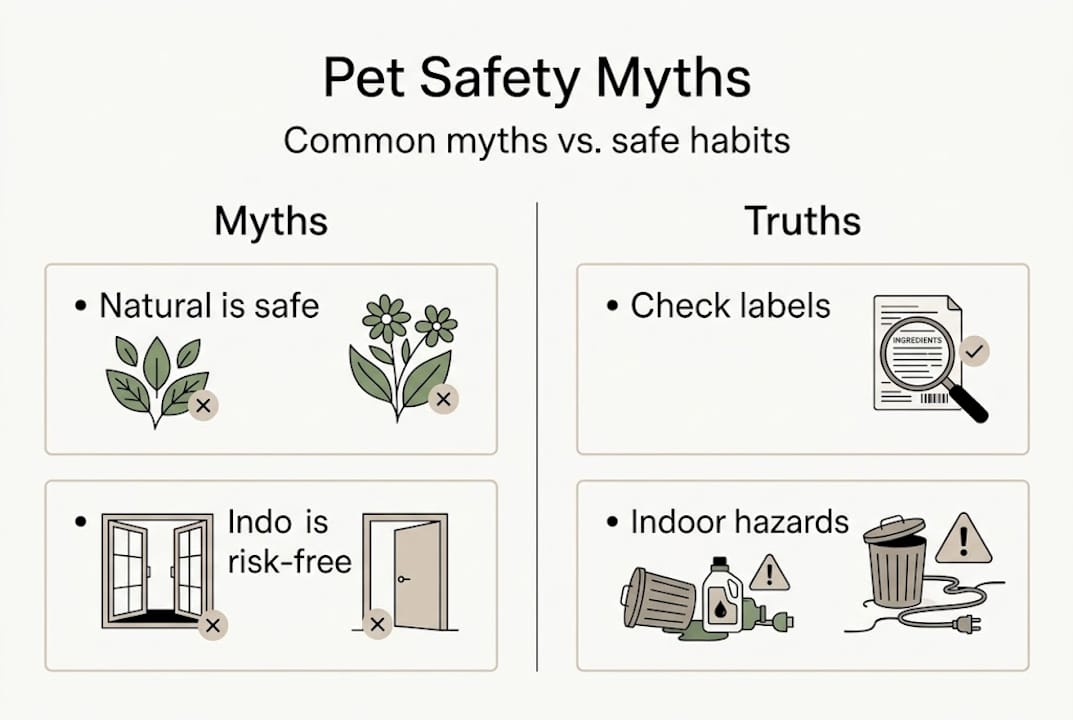
Myth 1: Natural cleaners are always safe for pets
This one is everywhere. The word “natural” feels reassuring, but it doesn’t mean harmless. Many household products labeled as ‘natural’ are not necessarily safe for pets. Essential oils like tea tree, eucalyptus, and citrus are natural. They’re also toxic to cats and dogs. Always read the actual ingredient list, not just the marketing on the front of the bottle.
Myth 2: Indoor-only pets don’t face hazards
If your cat never goes outside, you might assume they’re out of harm’s reach. Not quite. Indoor spaces are filled with potential risks: houseplants, scented candles, cleaning sprays, and even certain foods left on counters. Learning how to protect pets from chemicals inside the home is just as important as worrying about what’s outside.
Myth 3: Pets will avoid anything that’s bad for them
This is one of the most dangerous myths. Many pets, especially dogs, will eat or lick almost anything. Cats groom themselves constantly, meaning any residue on their fur goes straight into their system. Don’t count on your pet’s instincts to protect them.
“If a product isn’t verified safe for pets, treat it as unsafe until you know otherwise.” This is the mindset that protects pets every single day.
Here’s a quick list of myths worth retiring immediately:
- “A small amount won’t hurt” — dose matters, but some toxins are dangerous in trace amounts
- “My vet would have warned me” — vets can’t cover every household product in a standard visit
- “If it’s safe for kids, it’s safe for pets” — pet physiology differs significantly from human physiology
- “My pet has always been fine” — cumulative exposure can cause harm that shows up gradually
Pro Tip: When shopping for cleaning or odor products, look specifically for products formulated and tested with pets in mind, not just ones that say “natural” on the label.
Truths and risks behind household products
Now that we’ve addressed basic myths, let’s dig into the risks hidden in household products.

Certain common cleaning solutions like bleach and some “green” products can be toxic to pets. This surprises a lot of owners who switched to eco-friendly brands thinking they solved the problem. The issue is that “green” doesn’t always mean pet-safe.
Here’s a simple breakdown of common household products and their risk levels:
| Product | Risk level | Notes |
|---|---|---|
| Bleach-based cleaners | High | Toxic if inhaled or licked |
| Essential oil diffusers | High | Especially dangerous for cats |
| “Green” multipurpose sprays | Medium | Varies widely by brand and formula |
| Baking soda | Low | Generally safe but check the full formula |
| Fragrance-free odor eliminators | Low | Best option when verified pet-safe |
Pets can be exposed through direct contact, inhalation, or grooming residue off their paws and fur. Early signs of toxicity include drooling, pawing at the mouth, vomiting, lethargy, and in serious cases, tremors. If you notice any of these, contact ASPCA poison control immediately.
Creating a safer home doesn’t have to be complicated. Follow these steps:
- Audit your cleaning products and flag anything that doesn’t have clear pet-safe labeling
- Replace high-risk sprays with verified pet-safe cleaning alternatives
- Store all products in closed cabinets your pet cannot access
- Ventilate rooms after cleaning and keep pets out until surfaces are fully dry
- Use odor solutions that eliminate household odors safely without leaving behind harmful residue
- Review your pet-safe and odor-free home setup at least once a season as products and habits change
Pro Tip: Keep a running list of every cleaning product in your home and check each one against a trusted pet safety resource. It takes 20 minutes and could prevent a serious situation.
Misconceptions about pet spaces and outdoor risks
Indoor safety isn’t the whole story. Let’s clear up myths about the spaces your pets frequent most.
A fenced yard feels like a safe zone. It’s contained, familiar, and yours. But fencing alone doesn’t make a space safe. Outdoor spaces can pose unseen risks, including toxic plants and escape hazards that many owners never think to check for.
Balconies carry their own set of risks. Cats are agile, but they can and do fall. Small gaps in railings are enough for a dog or cat to squeeze through. The height that feels obviously dangerous to you might not register as a threat to a curious pet.
Here’s a look at common outdoor hazards and how frequently they cause problems:
| Hazard | Common scenario | Risk to pets |
|---|---|---|
| Toxic plants (azalea, sago palm) | Pet chews leaves in the yard | High, can be fatal |
| Gaps in fencing | Pet squeezes through or digs under | Escape and traffic risk |
| Balcony railings | Cat slips through gaps | Fall injury |
| Pesticide-treated grass | Pet walks on lawn, licks paws | Chemical toxicity |
| Standing water | Pet drinks from puddles | Bacterial or chemical exposure |
According to AVMA pet safety guidance, outdoor supervision remains one of the most effective ways to reduce pet accidents even in seemingly secure spaces.
Here’s what you can do to reduce outdoor risks:
- Walk your yard and balcony at pet level. Get low and look for gaps, sharp edges, and plants you don’t recognize
- Research every plant in your outdoor space against a verified toxic plant list
- Block balcony railings with mesh or pet-specific barriers
- Ask your neighbors about pesticide or fertilizer use near shared fencing
- Supervise outdoor time even in enclosed areas, especially for young or curious pets
Pet care advice: myth-busting and safer routines
With environments covered, let’s correct the record on day-to-day care habits and advice you may rely on.
Some of the most stubborn myths in pet care are about food and medication. These can cause real harm because they’re passed down like household wisdom.
Food myths worth ditching now:
- “A little garlic is fine” — garlic and onions are toxic to both dogs and cats, even in small amounts
- “Table scraps are natural” — many human foods contain ingredients that are dangerous for pets
- “Milk is a treat for cats” — most adult cats are lactose intolerant
Medication myths that could hurt your pet:
- “Human pain relievers work in a pinch” — ibuprofen and acetaminophen are toxic to pets, full stop
- “If the dose is smaller, it’s safer” — this logic does not apply to medications not formulated for animals
Labels like “organic” or “natural” do not guarantee that a pet product is harmless. Look for actual third-party certifications or vet-recommended products instead. The Humane Society’s pet safety tips are a good starting point for understanding what to look for.
Here’s a simple numbered routine to make daily care safer:
- Review your pet’s food labels monthly and check for ingredient changes
- Keep all human medications in a sealed cabinet away from pets
- Only use pet-specific grooming and hygiene products
- Schedule an annual review with your vet that includes a discussion of your home environment
- Stay current on pet safety certifications so you know what labels to trust
For cleaning up after your pet, check out this pet cleaning safety guide to make sure your routine is helping, not creating new risks.
Pro Tip: When in doubt about a food, plant, or product, search it on a vet-verified database before letting your pet anywhere near it. Five seconds of checking beats a vet emergency.
Our take: why pet safety means challenging what everyone ‘knows’
Here at Percy Loves, we’ve seen how confidently wrong pet safety advice can travel. It shows up in Facebook groups, on product packaging, and in well-meaning advice from friends who’ve “always done it this way.” And honestly, even experienced pet owners fall for it.
The uncomfortable truth is that trust gets pets hurt. Not bad intentions. Trust. Trust in a label, a tradition, or a widely shared post.
Adopting a “question and verify” mindset doesn’t mean you distrust everyone. It means you care enough to check. You look for non-toxic care tips backed by real evidence. You ask your vet when something feels off. You don’t assume a product is safe just because it smells nice or says “natural” in big letters.
The pet parents who build the safest homes for their animals are the ones who stay curious. They update their habits as new information comes out. That’s the standard we hold ourselves to, and we think it’s the one your fur baby deserves.
Protect your pet with safer choices from Percy Loves
If you’re ready to put myth-busting into practice, here’s how Percy Loves can help make your home safer.
At Percy Loves, we built our products around one simple idea: if it’s not safe for your pet, we’re not interested. That’s why Pal Furresher, our fragrance-free odor eliminator, is lick safe and formulated to tackle odors at the source rather than masking them with chemicals or heavy scents. No mystery ingredients. No performance anxiety when your cat decides to investigate.
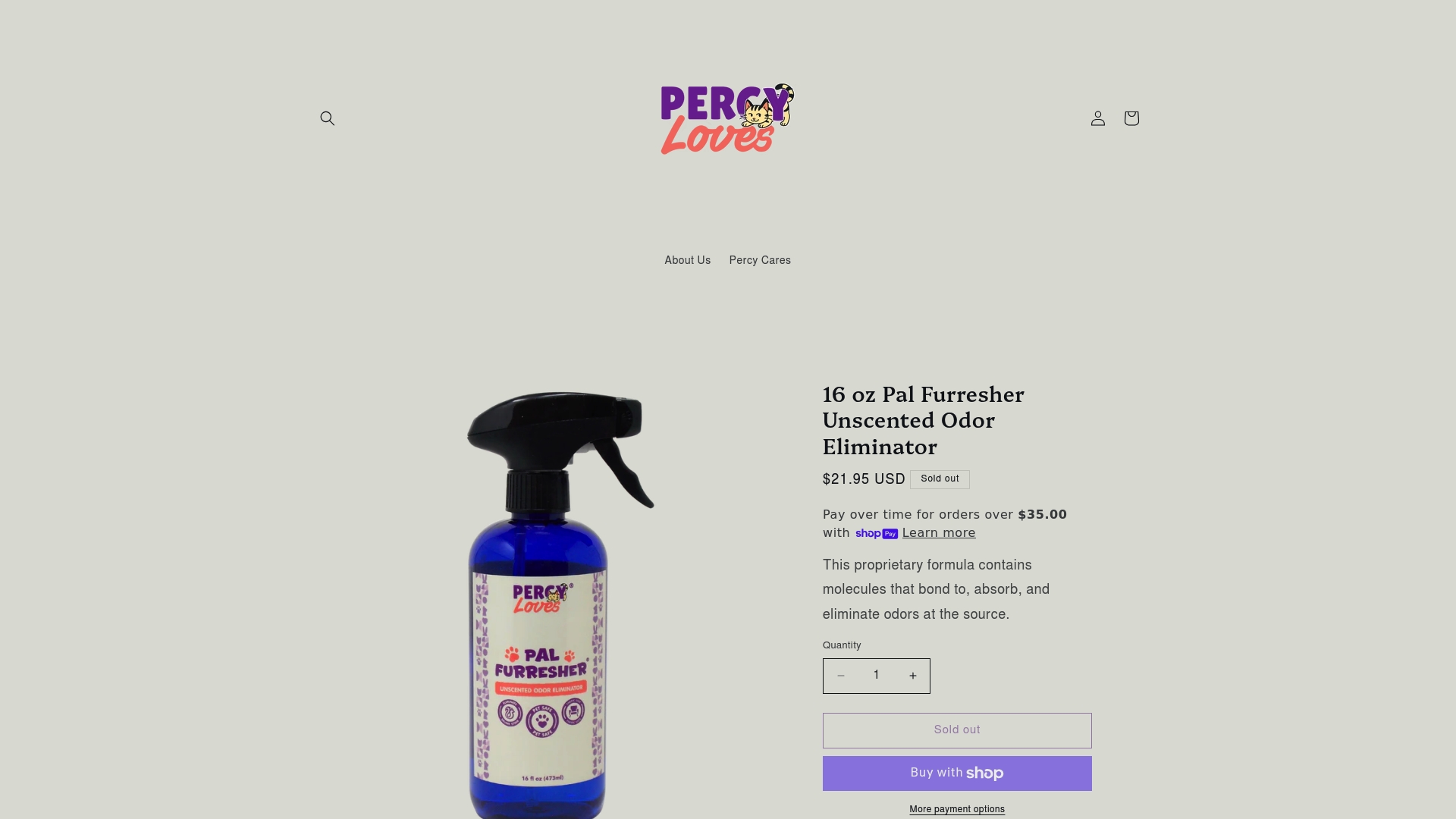
For pet parents who want a cleaner, safer home without the guesswork, Pal Furresher Unscented Odor Eliminator is the kind of product you can feel good about reaching for every day. We do the vetting so you don’t have to stress about it.
Frequently asked questions
Are natural cleaning products always safe for pets?
No. Many natural ingredients can still be toxic to pets. Products labeled as ‘natural’ aren’t automatically safe, so always check with your vet and read the full ingredient list before using anything around your animals.
What signs of toxicity should I look for in pets?
Watch for vomiting, lethargy, drooling, or seizures after your pet is exposed to any product. Some cleaning solutions like bleach and even certain “green” products can trigger these reactions quickly.
Are fenced yards or balconies totally safe for pets?
No. Outdoor spaces pose unseen risks including toxic plants, escape routes, and structural gaps that can put pets in real danger even in areas that feel secure.
Does ‘organic’ or ‘natural’ on a pet product mean it is always safe?
No. Those terms are marketing language, not safety certifications. Labels like “organic” or “natural” don’t guarantee a product is non-toxic, so always look for verified certifications and ingredient transparency.


