

Pet-Parent Cleaning Checklist: Safe, Odor-Free Home
You scrub, you vacuum, you wash pet bowls daily, yet that funky smell lingers in your living room. Hair tumbleweeds roll across the floor minutes after you clean. Despite your best efforts, your home doesn’t feel fresh or safe for your furry family. The truth is, most pet parents clean constantly but lack a strategic, evidence-based routine that tackles odors at the source and protects pet health. This guide delivers a step-by-step cleaning checklist backed by veterinary experts and the CDC, showing you exactly what to clean, when, and how to create a truly fresh, safe space for your pets and family.
Table of Contents
- Why every pet parent needs a cleaning routine
- Tools and pet-safe products: Your cleaning kit essentials
- The ultimate pet-parent cleaning checklist: What, when, and how
- Step-by-step cleaning process: Best practices for every space
- Troubleshooting and common mistakes to avoid
- How to know your home is clean and pet-safe
- Shop pet-safe odor solutions for a fresh home
- Frequently asked questions
Key Takeaways
| Point | Details |
|---|---|
| Clean and disinfect | Always physically clean before you disinfect to remove germs and residue safely. |
| Right supplies matter | Use pet-safe cleaners and tools to avoid harming your pet with harsh chemicals. |
| Follow a routine | Maintain a schedule for all pet zones to minimize odors and keep your home healthy. |
| Monitor for results | Check pet comfort and air freshness to confirm your efforts are working. |
Why every pet parent needs a cleaning routine
Pet dander, hair, and waste create more than visible mess. They harbor bacteria, allergens, and biofilm that basic tidying can’t remove. Without a regular cleaning plan, you risk lingering odors, potential health issues for both pets and people, and a home that never feels truly clean.
Here’s what matters most:
- Cleaning removes dirt and debris. This physical step is essential before any disinfecting.
- Disinfecting kills germs. It only works after cleaning, and you must rinse thoroughly to protect pets.
- Routine maintenance prevents buildup. Weekly and monthly tasks stop odors and allergens from taking hold.
“Cleaning is the physical removal of dirt and organic material. Disinfection is the destruction of pathogens. Both steps are necessary for effective sanitation.”
Proper washing with pet-safe detergent removes up to 99% of bacteria from pet supplies. That’s a huge win for your home’s freshness and your pet’s wellbeing. Understanding pet cleaning safety basics helps you avoid toxic residues while mastering hair removal strategies keeps surfaces clear.
The CDC cleaning guidelines emphasize that cleaning and disinfecting are two distinct steps. Skip one, and you compromise results. A dedicated cleaning plan supports pet wellbeing and household freshness, giving you confidence that your space is truly safe.
Tools and pet-safe products: Your cleaning kit essentials
You need the right supplies to clean effectively without harming your pets. Pet-safe products avoid harsh chemicals, toxic residues, and fragrances that irritate sensitive noses and skin. Here’s what belongs in your cleaning kit:
- Disposable gloves for handling waste and dirty items
- Dedicated pet sponges and brushes (never share with human dishes)
- HEPA vacuum to capture fine dander and allergens
- Pet-safe detergent free from dyes and strong fragrances
- Odor eliminator that works at the source, not just masks smells
- Microfiber cloths for dusting and wiping without chemicals
- Grooming tools (brushes, nail clippers) to reduce shedding
- Litter scoop and waste bags for daily cleanup
- Pet-safe disinfectant or diluted bleach (rinse extremely well)
- Air purifier with HEPA filter for continuous allergen control
Pet-safe cleaning solutions avoid harsh chemicals and always require thorough rinsing. Alternatives like vinegar or baking soda work beautifully for sensitive areas. If you use diluted bleach, apply it only after washing with soap and water, then rinse completely.
Pro Tip: Assemble all your tools in a portable bin or caddy. Quick access means you’ll actually use them, keeping your routine consistent.
| Product Type | Why It Matters | Pet-Safe Option |
|---|---|---|
| Detergent | Removes organic matter | Fragrance-free, dye-free |
| Disinfectant | Kills germs after cleaning | Diluted bleach or pet-safe formula |
| Odor Control | Eliminates smells at source | Enzyme-based or fragrance-free spray |
| Vacuum | Captures dander and hair | HEPA filter model |
Explore pet-safe odor control methods and expert non-toxic care tips to build your kit with confidence. For dog owners, dog-safe cleaning advice offers tailored guidance.
The ultimate pet-parent cleaning checklist: What, when, and how
A structured checklist takes the guesswork out of pet-area maintenance. Follow these frequency-based tasks to keep every zone fresh and safe.
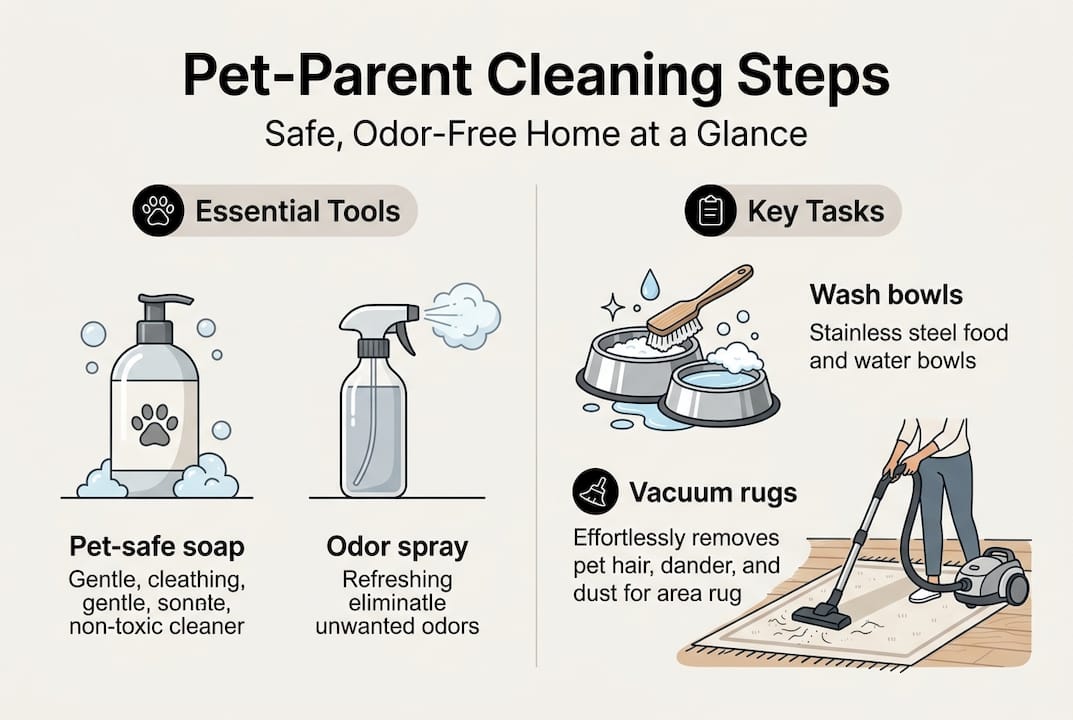
| Item/Area | Frequency | Task |
|---|---|---|
| Food and water bowls | After each wet food use; daily for dry food and water | Scrub with pet-safe detergent, rinse well |
| Bedding and blankets | Weekly (more if soiled) | Machine wash in hot water, dry completely |
| Toys | Monthly (or when visibly dirty) | Wash fabric toys; scrub hard toys; discard broken items |
| Litter boxes | Scoop daily; deep clean weekly | Empty, scrub, disinfect, rinse, dry |
| Floors and carpets | Vacuum daily; deep clean yearly | HEPA vacuum for hair; steam or shampoo annually |
| Entryways and paw zones | Daily spot clean; weekly mop | Wipe paws; mop with pet-safe cleaner |
| Air quality | Continuous | Run HEPA air purifier; replace filters quarterly |
The CDC pet supply cleaning guidance recommends washing bowls after each wet food use, daily for dry food and water, beds weekly, toys monthly, and more frequent litter maintenance in multi-pet homes. The AKC Spring cleaning guide advises vacuuming pet hair daily, deep cleaning yearly, and discarding broken toys immediately.
Pro Tip: Print this checklist and stick it inside a cupboard or pantry door. You’ll never forget a task, and everyone in your household can pitch in.
For a complete safe, fresh home checklist, streamlined pet care workflow, and proven odor-free cleaning routines, explore our detailed guides.
Step-by-step cleaning process: Best practices for every space
Following the right sequence maximizes safety and effectiveness. Here’s the proven four-step process:
- Remove solid debris. Pick up hair, food crumbs, litter, and waste. This tidying step prevents spreading mess during washing.
- Wash with pet-safe detergent and water. Scrub surfaces, bowls, toys, and bedding thoroughly. Physical cleaning removes organic matter that harbors bacteria.
- Disinfect with a pet-appropriate solution. Apply diluted bleach or pet-safe disinfectant only after washing. Let it sit briefly, then rinse extremely well.
- Allow to dry fully before pet use. Damp items can grow mold or irritate skin. Complete drying ensures safety.
“The full sanitation process (tidying, washing, disinfecting, drying) removes up to 99% of bacteria from pet supplies.”
Always tidy first, wash next, disinfect, then dry to achieve maximum germ removal. Never mix chemicals, always ventilate the space, and keep pets away until surfaces are completely dry.
Multi-pet homes need more frequent cleaning. Reptile and rodent habitats require specialized substrate changes and cage sanitation. For tailored odor control steps, check our species-specific guides.
Troubleshooting and common mistakes to avoid
Even diligent pet parents make cleaning errors that compromise safety or results. Here’s how to fix the most common pitfalls:
- Not rinsing disinfectants fully. Residue can irritate paws, skin, and mouths. Always rinse until water runs clear.
- Using human cleaning sprays. Many contain harmful chemicals. Stick to pet-safe formulas or natural alternatives.
- Skipping regular bedding and toy washing. This leads to bad smells, bacteria buildup, and potential illness.
- Ignoring grooming. Brushing your pet regularly reduces shedding and dander, cutting your cleaning workload significantly.
Pro Tip: Place entry mats at every door and keep paw wipes handy. Cleaning paws before pets enter reduces dirt, allergens, and cleaning time.
The CDC pet supply cleaning guidance advises spot cleaning for occupied areas, avoiding harsh chemicals, and more frequent sanitation for multi-pet or vulnerable pets. For safe odor control tricks, explore enzyme-based solutions that break down organic matter naturally.
How to know your home is clean and pet-safe
You’ll see and feel the difference when your cleaning routine works. Look for these clear signs:
- Reduced lingering pet smells. Your home smells fresh, not like you’re masking odors with candles.
- Fewer hair tumbleweeds. Floors and furniture stay cleaner longer between vacuuming sessions.
- No skin or eye irritation in pets. Your furry friends aren’t scratching, licking paws excessively, or showing redness.
- Cleaner air. Less visible dust floating in sunlight, and the air feels fresher.
- Pet areas look and feel tidy. Beds, bowls, and toys are visibly clean and inviting.
- Comfortable pet behavior. Your pets rest, eat, and play happily in all zones without hesitation.
Regular cleaning controls odor and allergens, making a safer space for pets and people. When you follow the checklist consistently, you’ll notice these improvements within days.
Shop pet-safe odor solutions for a fresh home
You’ve built your cleaning routine, mastered the checklist, and tackled every pet zone with confidence. Now, take the final step toward lasting freshness with odor eliminators designed specifically for pet families.
Most sprays just mask smells with heavy fragrances that irritate sensitive noses. True odor control works at the source, breaking down the organic compounds that cause funk. That’s where pet-safe, fragrance-free solutions shine. They’re lick-safe, gentle on skin, and genuinely effective.
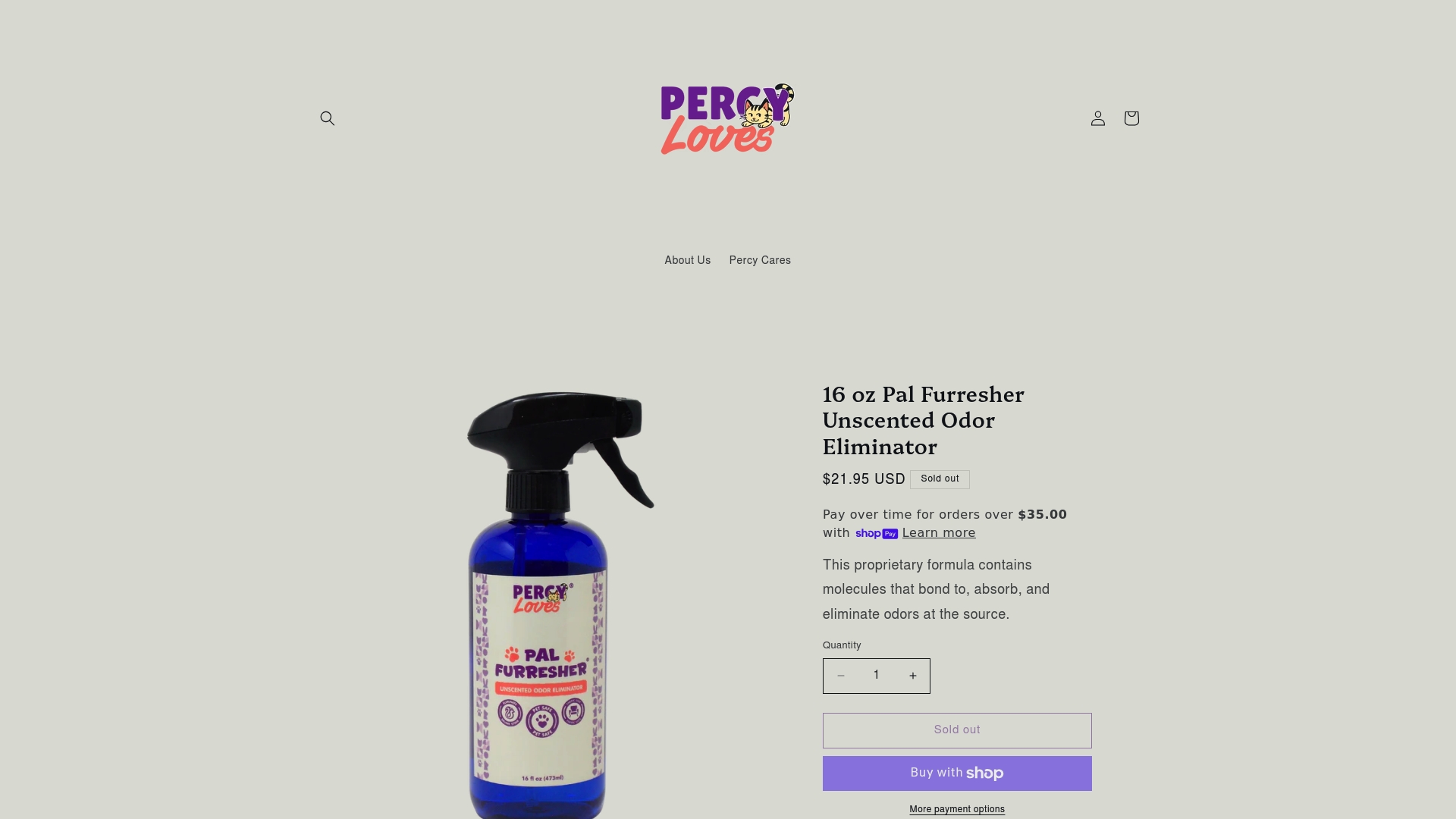
The humans at Percy Loves created unscented odor eliminator for exactly this reason. It tackles odors where they start, without adding chemicals or scents that bother pets. For multi-room freshness, the odor eliminator pack keeps every space covered. Explore the full range at the Percy Loves store and give your home the safe, effective freshness it deserves.
Frequently asked questions
How often should I wash my pet’s bedding?
Bedding should be washed weekly or more often if dirty, per CDC recommendations. Use hot water and pet-safe detergent, then dry completely.
Are vinegar and baking soda truly pet-safe cleaners?
Yes, diluted vinegar and baking soda are safe alternatives to harsh chemicals for most pet zones. They’re effective, non-toxic, and budget-friendly.
Can I use bleach to disinfect pet areas?
You can use diluted bleach after cleaning with soap and water, but always rinse extremely well and fully dry before pet use. Never mix bleach with other cleaners.
How do I manage cleaning in a multi-pet household?
Scoop litter boxes twice daily, wash bedding weekly, and disinfect more frequently to manage added mess. Multi-pet homes need a tighter schedule to stay fresh.


