

How to Protect Pets from Chemicals: A Safety Guide
TL;DR:
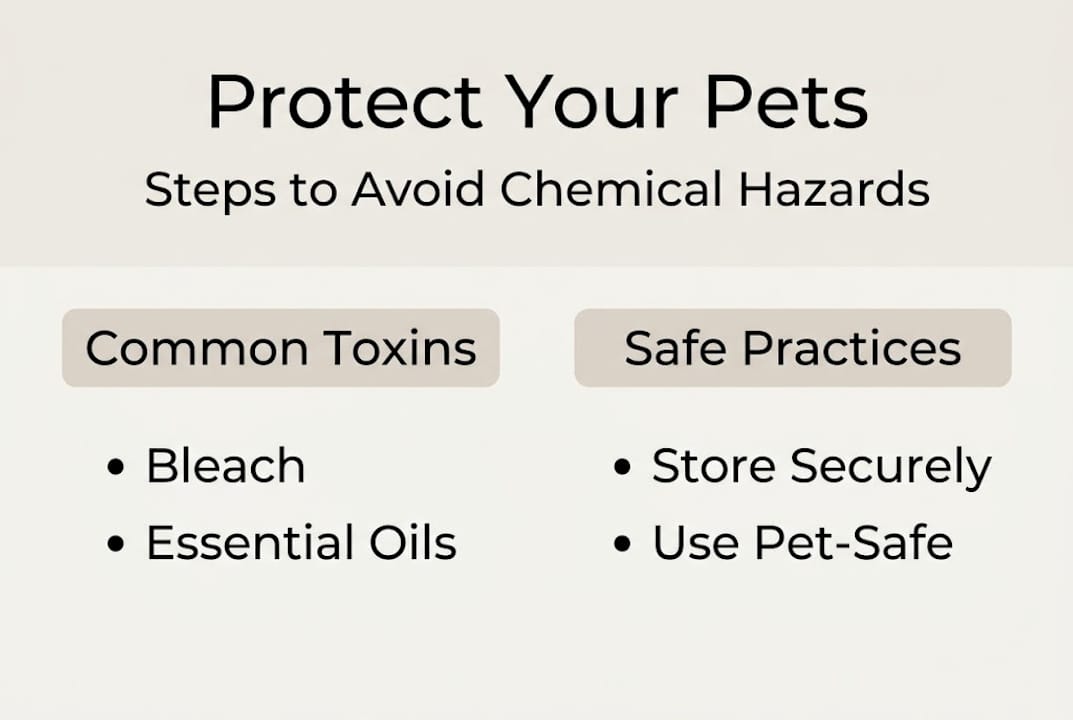
- Household cleaning products often contain chemicals toxic to pets, such as bleach and phenols.
- Store all cleaning supplies securely out of pets’ reach and use pet-safe alternatives.
- Immediate vet consultation is crucial if a pet shows signs of chemical exposure or ingestion.
Your home might look spotless, but for your pets, it could be hiding real dangers. Everyday cleaning products, air fresheners, and pesticides contain chemicals that can seriously harm cats and dogs. Most pet owners never think twice about mopping a floor or spraying a surface cleaner, but animals walk on those surfaces, lick their paws, and breathe in fumes at ground level. This guide will walk you through exactly which chemicals to watch out for, how to store and replace them safely, and what to do if your pet is ever accidentally exposed. Let’s make your home as safe as it looks.
Table of Contents
- Understand common chemical dangers for pets
- Pet-proof your space: Preparation and prevention
- Step-by-step: Safe cleaning and usage habits
- Ongoing monitoring and what to do in emergencies
- Why prevention is the best cure: Our perspective on pet chemical safety
- Safe cleaning solutions for pet-loving homes
- Frequently asked questions
Key Takeaways
| Point | Details |
|---|---|
| Identify hazards | Know which common household chemicals can harm your pet right away. |
| Prevention matters | Store dangerous products securely, use pet-safe alternatives, and keep pets out during cleaning. |
| Safe cleaning habits | Follow steps to clean safely, ventilate well, and return pets only when it’s safe. |
| Spot warning signs | Monitor pets for unusual symptoms and act quickly if chemical exposure is suspected. |
| Be proactive | Choose odor control and cleaning solutions made specifically for pet-friendly homes. |
Understand common chemical dangers for pets
Most of the products under your kitchen sink or in your laundry room were never tested with pets in mind. Many cleaning products, pesticides, and air fresheners are toxic to pets, even in small amounts. The tricky part is that exposure often happens in ways you would never expect.
Here are the most common household chemicals that put pets at risk:
- Bleach and chlorine-based cleaners: Found in bathroom sprays, toilet bowl cleaners, and mold removers. Pets can absorb these through their paw pads or inhale fumes.
- Ammonia: A common ingredient in glass and floor cleaners. It irritates airways and can cause serious respiratory distress in cats and dogs.
- Phenols: Present in many disinfectants and pine-scented products. Cats are especially vulnerable because they cannot metabolize phenols properly.
- Certain essential oils: Lavender, tea tree, eucalyptus, and peppermint oils are popular in diffusers and sprays but can be toxic to both cats and dogs.
- Pesticides and rodenticides: These are designed to kill, and they do not discriminate. Pets can ingest them by walking through treated areas or eating affected insects.
- Fabric softener sheets: Contain cationic detergents that can cause drooling, vomiting, and even ulcers if chewed.
Real-life exposure is more common than you think. A dog licks the floor after you mop with a pine cleaner. A cat walks across a freshly sprayed countertop and then grooms herself. A curious puppy chews on a dryer sheet left on the floor. These moments happen fast.
The common pet toxins list from the ASPCA includes many products found in ordinary homes.
| Chemical | Common source | Primary risk |
|---|---|---|
| Bleach | Bathroom cleaners | Skin and respiratory irritation |
| Ammonia | Glass cleaners | Airway damage |
| Phenols | Pine disinfectants | Liver damage (especially cats) |
| Permethrin | Flea sprays (dog-only) | Neurological damage in cats |
| Xylitol | Certain toothpastes | Liver failure in dogs |
Watch for these early warning signs of chemical exposure in your pet:
Signs of possible poisoning: Excessive drooling, watery eyes, pawing at the face, coughing or wheezing, vomiting, lethargy, tremors, or loss of coordination. If you notice any of these after using a cleaning product, act immediately.
Following good pet cleaning safety practices starts with knowing what you are dealing with. Once you understand the risks, it is important to know exactly which chemicals are most hazardous in a typical home.
Pet-proof your space: Preparation and prevention
Knowing the dangers, let’s look at specific, practical ways to remove these risks from your home.
Replacing toxic cleaning products with natural or pet-safe options reduces risk significantly. But switching products is just one piece of the puzzle. How you store, use, and organize your home matters just as much.
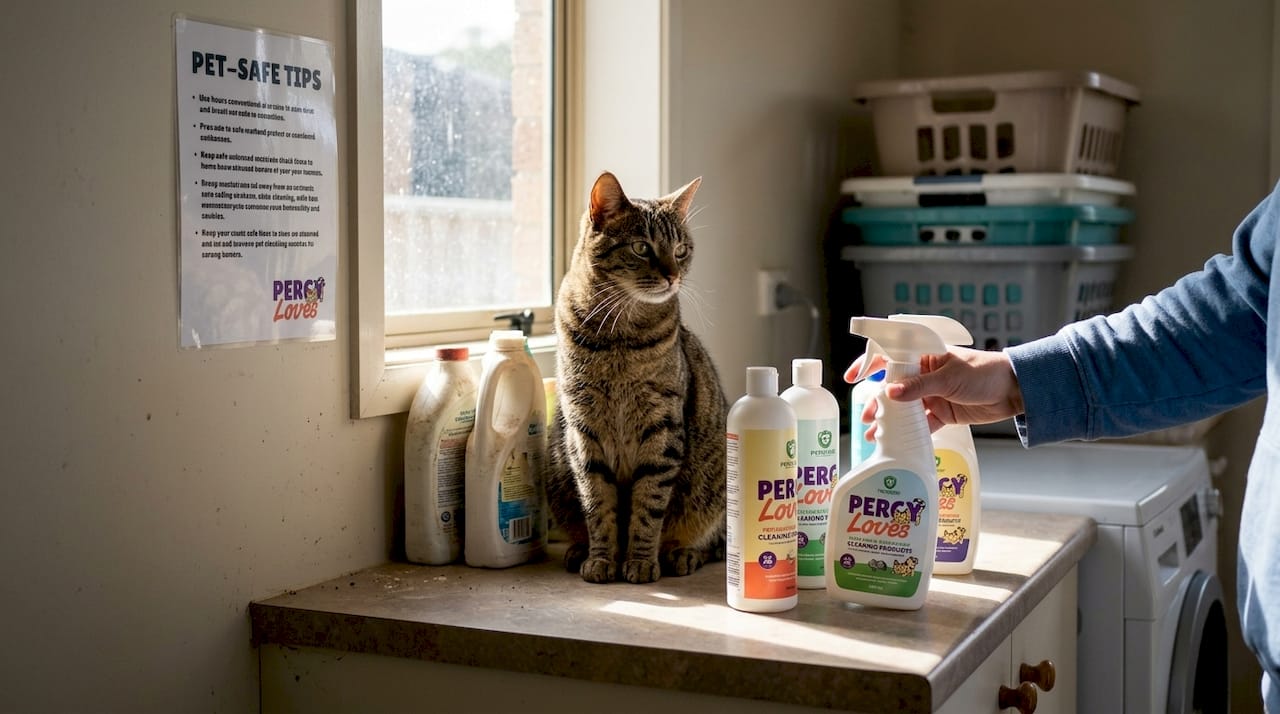
Secure storage is step one. Keep all cleaning products in locked cabinets or high shelves your pet cannot reach. Child-proof locks work great for curious dogs and cats who know how to paw open lower cabinets. Always keep products in their original containers so labels stay visible.
Room-by-room prevention tips:
- Kitchen: Store dish soap and surface sprays behind locked doors. Avoid leaving mopped floors wet when pets are nearby.
- Bathroom: Keep toilet lids closed. Store toilet bowl cleaners out of reach. Never leave used cleaning wipes on the floor.
- Laundry room: Keep this room off-limits during and after washing. Dryer sheets and detergent pods are especially dangerous.
- Garage: Antifreeze has a sweet smell that attracts pets. Store it in sealed containers on high shelves.
- Yard and garden: Herbicides and fertilizers should be fully dry before letting pets back outside. Check plant labels too, since many common garden plants are toxic.
Here is a quick comparison to help you choose safer products:
| Product type | Conventional option | Pet-safer alternative |
|---|---|---|
| Floor cleaner | Pine-sol, bleach-based | White vinegar and water solution |
| Air freshener | Aerosol sprays | Fragrance-free odor eliminators |
| Disinfectant | Phenol-based sprays | Hydrogen peroxide (diluted) |
| Laundry detergent | Scented pods | Unscented, dye-free formulas |
For more ideas, check out expert non-toxic pet tips that go deeper on ingredient-by-ingredient guidance.
The AVMA household toxins resource is also worth bookmarking for a full breakdown by product category.
Pro Tip: After switching to pet-safe cleaners, open windows and run fans for at least 15 minutes after cleaning any room. Even non-toxic products can irritate sensitive noses. Ventilation is always a good habit.
Step-by-step: Safe cleaning and usage habits
With your space prepared, it’s time to clean and care for your home in a way that’s always mindful of your pets.
Allowing adequate drying time before pets return to a cleaned area prevents accidental ingestion of chemicals. That one habit alone can prevent a lot of problems.
Here is a simple process to follow every time you clean:
- Remove your pet from the area. Put them in a different room or outside before you start. Do not let them watch from the doorway.
- Read the product label. Check for pet warnings, ventilation instructions, and recommended drying times before you apply anything.
- Apply and clean as directed. Use the product only as instructed. More is not better, especially around pets.
- Ventilate the space. Open windows and run a fan. Give the room at least 15 to 30 minutes of airflow after cleaning.
- Wait for full drying. Floors, counters, and surfaces should be completely dry before your pet re-enters. Touch-test before letting them back in.
- Return your pet calmly. Watch them for the first few minutes. If they start sniffing excessively or acting unusual, move them out again.
For accidental spills or contact, act quickly. Rinse the affected area of your pet’s skin or fur with lukewarm water for several minutes. Do not use another chemical to neutralize the first one. Call your vet right away.
Pro Tip: Pets often show subtle signs before a full reaction sets in. Excessive yawning, lip licking, or suddenly leaving a room can all signal that something is bothering them. Trust your gut if your pet seems “off” after you clean.
The household dangers for pets guide from the Humane Society is a great reference to keep saved on your phone.
For more on building safe routines, the wellness and cleanliness tips from our blog cover daily habits that support a healthier home for everyone.
Stat callout: The ASPCA Animal Poison Control Center handles hundreds of thousands of calls per year, with household cleaners and chemicals consistently ranking among the top reported hazards for pets.
Ongoing monitoring and what to do in emergencies
Good habits help, but accidents happen. Here is how to act fast and protect your pet’s health.
Immediate action can save your pet’s life after chemical exposure. Knowing what to look for and what to do next makes all the difference.
Symptoms to monitor after any chemical exposure:
- Drooling more than usual
- Vomiting or dry heaving
- Watery or red eyes
- Pawing at the mouth or face
- Coughing, sneezing, or labored breathing
- Tremors or muscle twitching
- Sudden lethargy or collapse
- Loss of coordination or stumbling
If you notice any of these signs, do not wait to see if they pass on their own.
Emergency action checklist:
- Stay calm. Panicking makes it harder to act quickly.
- Remove your pet from the area where exposure happened.
- Do not induce vomiting unless a vet or poison control specifically tells you to.
- Collect the product your pet was exposed to. Have the label ready when you call for help.
- Call your veterinarian immediately.
- If your vet is unavailable, call the ASPCA Poison Control Center.
- Follow their instructions exactly. Do not try home remedies first.
Emergency contacts to save now: ASPCA Animal Poison Control Center: (888) 426-4435 (available 24/7, consultation fee may apply) Your local emergency veterinary clinic: save this number in your phone today.
For a deeper look at why pet safety matters beyond just cleaning, our blog covers the bigger picture of building a truly pet-safe home.
The ASPCA poison control page also has a full list of toxic substances and what to expect when you call.
Why prevention is the best cure: Our perspective on pet chemical safety
Here at Percy Loves, we have heard from a lot of pet parents after something went wrong. A dog got into a cleaning cabinet. A cat walked across a wet floor and groomed herself sick. Every single time, the owner said the same thing: “I had no idea that could happen.”
The biggest mistake we see is treating pet-proofing as a one-time project. You switch a few products, lock a cabinet, and consider it done. But your home changes. You buy new products. Guests bring things over. Routines shift. Safety has to be a daily mindset, not a checklist you complete once.
We also want to push back on the idea that “just a little” exposure is fine. Pets are small. Their bodies process chemicals differently than ours do. What seems like a trace amount to you can be a significant dose for a 10-pound cat. Skepticism about small exposures is one of the riskiest attitudes a pet owner can have.
The good news is that consistency really does work. When you make your home pet-safe through daily habits rather than occasional overhauls, you dramatically reduce the chance of an emergency. Small, consistent choices add up to a genuinely safer life for your pet.
Safe cleaning solutions for pet-loving homes
If you are ready to take action on a safer home, we have solutions designed specifically for pet families. At Percy Loves, everything we make starts with one question: is it safe for Percy?
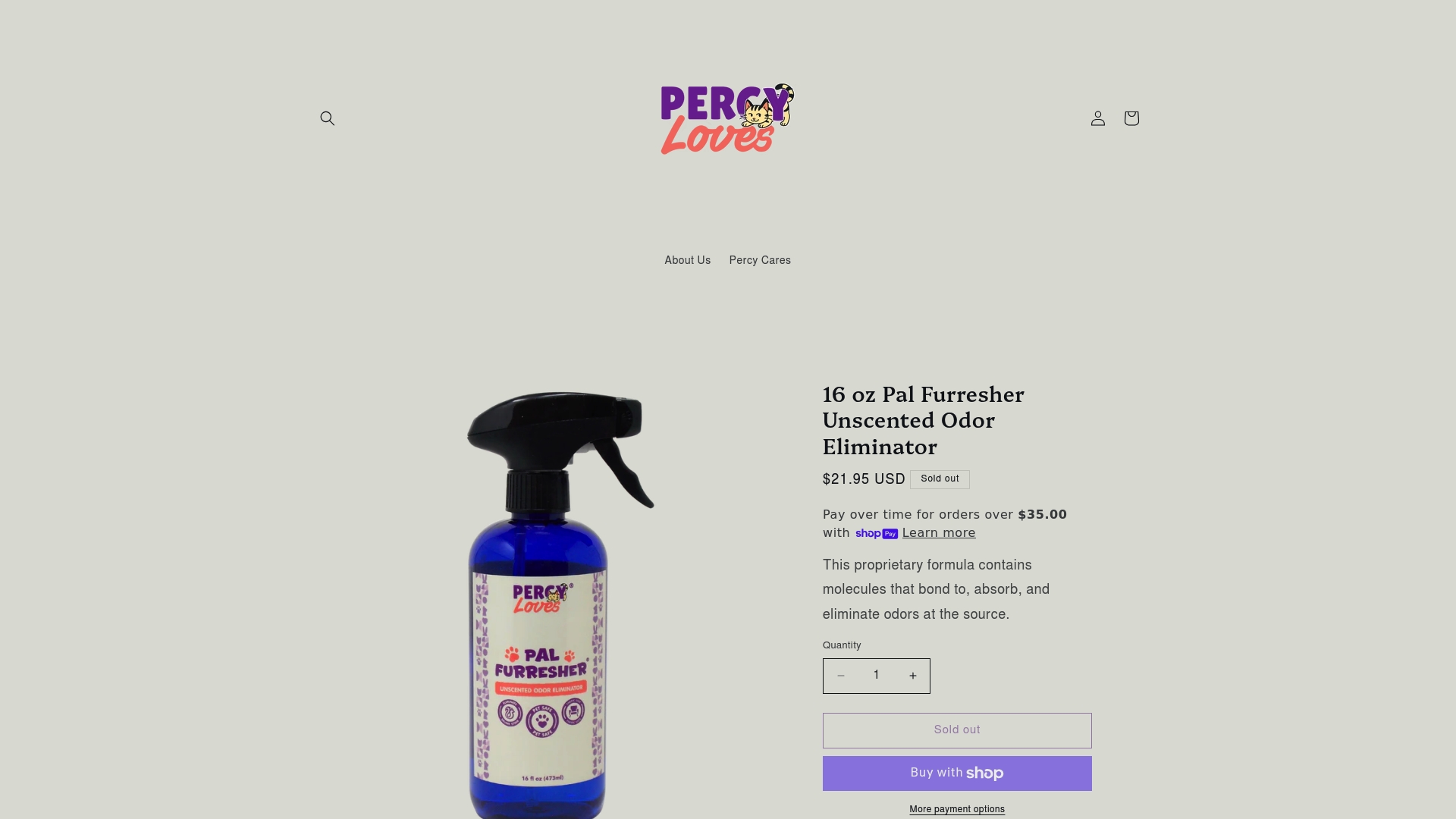
Our Pal Furresher 4 oz spray and 16 oz Pal Furresher are fragrance-free, lick-safe odor eliminators that tackle smells at the source instead of masking them. No harsh chemicals. No added scents. Just a formula your pet can safely be around. Browse all of our pet-safe cleaning products and find what works for your home. Your fur baby deserves a space that is clean and safe, and we are here to help you get there.
Frequently asked questions
Which household chemicals are the most dangerous to pets?
Many cleaning products contain chemicals harmful to pets, including bleach, ammonia, phenols, and certain essential oils. Always check labels for pet warnings before using any product in your home.
How can I tell if my pet has been exposed to toxins?
Watch for drooling, vomiting, lethargy, tremors, or unusual behavior, and call your veterinarian right away. Recognizing symptoms quickly can lead to much better outcomes for your pet.
Are there pet-safe alternatives to traditional cleaning products?
Yes, look for products labeled as pet-safe or made with natural ingredients, and always avoid added fragrances. Natural and unscented options significantly reduce the risk of accidental exposure for your pets.
What should I do if my pet ingests a household chemical?
Immediately contact your veterinarian or the ASPCA Poison Control Center for expert guidance. Do not wait for symptoms to appear before making that call.


