

How to safely solve bad dog odors for pet parents
TL;DR:
- Persistent bad odor in dogs usually indicates an underlying health issue, not just normal smell.
- Proper hygiene routines with breed-specific considerations prevent odor buildup and infections.
- Cover-up remedies like sprays or vinegar are ineffective; veterinary diagnosis and treatment are essential.
Most dog parents assume their pup just naturally smells like a dog. That belief leads a lot of people to mask the problem instead of fixing it. But here’s the truth: persistent bad odor is almost never “just how dogs smell.” It usually means something specific is happening with your dog’s skin, ears, mouth, or overall health. The good news? Most causes are preventable or treatable. This article walks you through the real reasons dogs smell, how to build a safe hygiene routine, and what actually works long-term so you can keep your fur baby fresh and comfortable.
Table of Contents
- Why does my dog smell bad? Medical and environmental triggers
- Safe bathing routines: Avoiding common mistakes
- Breed differences and genetic factors: Fact vs. myth
- Preventive strategies: Everyday routines for a fresh dog
- What most pet parents get wrong about dog odor
- Odor control solutions for dog parents
- Frequently asked questions
Key Takeaways
| Point | Details |
|---|---|
| Bad odor signals health issues | Musty or sour smell often points to skin or ear infection needing veterinary care. |
| Safe bathing is essential | Dog-specific pH-balanced shampoos and proper frequency prevent skin dryness and rebound odor. |
| Breed matters, but hygiene is key | Low-odor breeds exist, but all dogs require regular grooming to stay fresh. |
| Routine prevention works best | Brushing, ear cleaning, quality diet, and vet visits stop odor before it starts. |
| Avoid quick fix remedies | Perfumes and home treatments often worsen the problem—instead, follow evidence-based care. |
Why does my dog smell bad? Medical and environmental triggers
Let’s dig deeper into what really causes most dog odor problems.
If your dog smells musty, sour, or just plain funky even after a bath, that’s a red flag worth paying attention to. The primary causes of bad dog odor are secondary yeast infections caused by Malassezia or bacterial skin and ear infections. These are commonly triggered by allergies, excess moisture, or skin folds that trap heat and debris. The result is that signature musty or sour smell that bathing alone cannot fix.
Here are the most common medical and environmental triggers to know about:
- Yeast and bacterial skin infections. These are the biggest culprits. They thrive in warm, moist environments like skin folds, ears, and paw pads. The smell is often described as corn chips or sourdough.
- Ear infections. Dogs with floppy ears or those that swim frequently are especially prone. An infected ear produces a strong, unpleasant odor that is easy to miss unless you check regularly.
- Dental disease. Bad breath that smells rotten or fishy often signals periodontal disease or tooth decay. This odor can seem like it is coming from everywhere.
- Anal gland issues. Dogs have two small glands near their tail that release a very pungent liquid. When these glands become impacted or infected, the smell is unmistakable and very hard to wash away.
- Allergies. Environmental or food allergies lead to skin inflammation, which creates the perfect breeding ground for the bacteria and yeast that cause odor.
Important: If your dog’s smell persists despite regular bathing, do not keep switching shampoos and hoping for the best. Persistent odor despite bathing indicates a medical issue such as a skin infection, ear infection, dental disease, or anal gland impaction. A vet can perform cytology testing to confirm whether yeast or bacteria are the cause, and that diagnosis changes everything about the treatment plan.
Many pet parents spend months trying different grooming products when the real answer is a single vet visit. Building better safe dog odor prevention habits starts with knowing what you are actually dealing with. Good dog hygiene tips help a lot, but only once underlying medical causes are ruled out or treated.
Safe bathing routines: Avoiding common mistakes
Understanding medical causes, the next step is proper hygiene that won’t backfire.
Bathing your dog seems simple. Wet, lather, rinse, done. But there are several easy-to-make mistakes that actually make odor worse over time. The most important thing to know right away is that a dog’s skin has a very different pH than human skin.

| Skin type | Healthy pH range |
|---|---|
| Human skin | 4.5 to 5.5 (acidic) |
| Dog skin | 6.2 to 7.5 (more neutral) |
This difference matters enormously. Using a dog-specific pH-balanced shampoo formulated for the 6.2 to 7.5 range protects your dog’s natural skin barrier. Human shampoos, even gentle ones, are far too acidic for dogs and can strip the oils that keep their coat healthy.
Here is a safe and effective bathing routine you can follow:
- Brush first. Remove loose fur, tangles, and debris before getting your dog wet. This allows water and shampoo to reach the skin more effectively.
- Use lukewarm water. Too hot strips oils. Too cold stresses your dog and makes them less cooperative.
- Apply dog-specific shampoo and work from neck to tail. Avoid the face and ears. Use a damp cloth for those areas.
- Let the shampoo sit for 5 minutes if using a medicated formula. This contact time is essential for it to work.
- Rinse thoroughly. Leftover shampoo residue is a common cause of skin irritation and, you guessed it, odor.
- Dry completely. Damp skin and coat are perfect environments for yeast and bacteria to grow.
How often should you bathe your dog? Most dogs should be bathed every 4 to 6 weeks to avoid stripping the natural skin oils that protect against dryness and rebound odor. Overbathing disrupts your dog’s skin microbiome (the natural community of good bacteria), leading to dryness, itching, and actually more infections over time. On the flip side, underbathing allows bacterial and yeast overgrowth to go unchecked.
Pro Tip: If your dog gets muddy or rolls in something gross between baths, rinse with plain water and dry thoroughly. Save the shampoo for scheduled bath days unless there is a specific reason to use it sooner.
For dogs with diagnosed skin conditions, medicated shampoos prescribed by your vet are a completely different category. These are not just regular dog shampoos with extra ingredients. They are formulated to treat specific infections and should only be used as directed. Good dog grooming safety practices and a fresh home with dogs go hand in hand when bathing routines are done right.
Breed differences and genetic factors: Fact vs. myth
With hygiene covered, let’s tackle genetic and breed factors influencing dog odor.
There is a popular idea that some dogs just smell bad because of their breed. While genetics do play a role in how much a dog smells, the truth is more nuanced than “some dogs are just stinky.”
Some breeds are genuinely lower odor due to differences in coat type and oil production. Poodles and Basenjis, for example, produce less of the oily sebum that contributes to that classic “dog smell.” But this does not mean infections are normal or acceptable in any breed. A Basenji with a yeast infection still smells bad. A Bloodhound with healthy skin will have a natural scent, but it should not be offensive or sour.
| Breed category | Odor tendency | Key reason |
|---|---|---|
| Poodle, Basenji, Bichon Frise | Naturally lower odor | Less sebum, tighter coats |
| Labrador, Golden Retriever | Moderate odor | Active oil glands, water-loving coat |
| Basset Hound, Bloodhound | Higher natural odor | Oily skin, skin folds, ear shape |
| Bulldog, Shar Pei | Higher infection risk | Deep skin folds trap moisture |
Here is what actually matters for each breed type:
- Low-odor breeds still need regular grooming, ear checks, and dental care. “Less odor” does not mean “no maintenance.”
- Breeds with skin folds like Bulldogs and Shar Peis need those folds cleaned and dried regularly. Bacteria and yeast multiply quickly in those warm, moist pockets.
- Water-loving breeds like Labs and Spaniels need thorough drying after swims to prevent moisture-related infections.
- Hounds and sporting breeds with heavy ear flaps need frequent ear inspections because their ear canals trap heat and air poorly.
The myth that “my breed just smells bad” is worth challenging every time. It leads pet parents to accept conditions that are actually treatable. Any persistent odor, regardless of breed, deserves attention. Checking out odor-free home tips and using safe odor control methods helps, but start by knowing your breed’s specific vulnerabilities and build your care routine around them.
Preventive strategies: Everyday routines for a fresh dog
Beyond breed factors, consistent daily care is your best defense against bad dog smells.
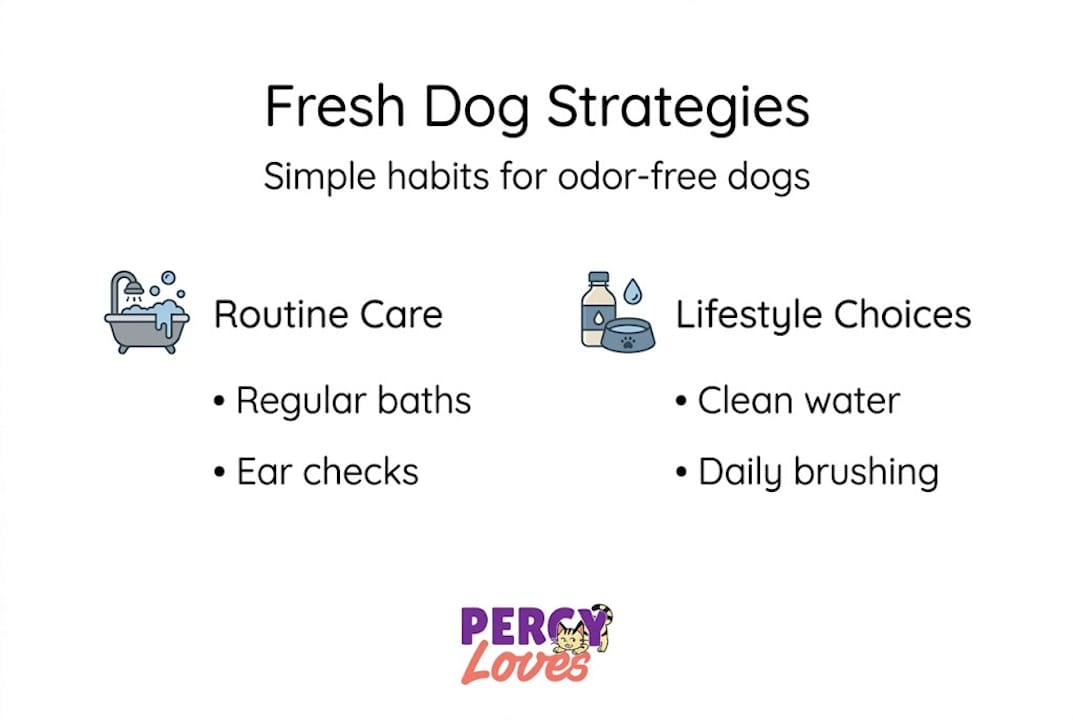
Prevention is genuinely easier than treatment. A few minutes of attention every day adds up to a dramatically fresher dog and fewer vet visits for avoidable infections. The key is building habits that are realistic and sustainable, not a complex grooming regimen that falls apart by week two.
Here is a practical prevention routine that works:
- Brush your dog 2 to 5 times per week. Regular brushing distributes natural coat oils evenly, removes debris, and prevents mats where bacteria can hide. For short-coated breeds, twice a week is fine. Double-coated or long-haired breeds benefit from daily brushing.
- Check and clean ears weekly. Use a vet-approved ear cleaner on a cotton ball. Never insert anything into the ear canal. Look for redness, discharge, or a bad smell, and act quickly if you find any.
- Wipe down paws after outdoor time. Paws collect dirt, pollen, and moisture. A quick wipe with a damp cloth prevents buildup and reduces the chance of yeast developing between toes.
- Brush your dog’s teeth at least 3 times per week. Dental disease is one of the most overlooked sources of odor. Use dog-specific toothpaste (never human toothpaste, which is toxic to dogs).
- Schedule vet checkups at least once a year. Your vet can spot early-stage infections, anal gland issues, and dental problems before they become major odor (and health) issues. Early detection saves money and keeps your dog feeling great.
- Feed a high-quality diet. What your dog eats directly affects coat health and body odor. Cheap food with low-quality ingredients often leads to poor skin and coat condition, which increases odor. Look for diets with real protein sources and no excessive fillers.
Pro Tip: Keep a simple log of when you last bathed, brushed, and cleaned your dog’s ears. It takes 30 seconds to update and helps you stay consistent without guessing.
Hydration matters too. Dogs that drink enough fresh water maintain better skin elasticity and coat condition, which reduces odor over time. Swap out water bowls daily and keep them clean since biofilm (the slimy buildup inside bowls) can harbor bacteria. Our dog safe cleaning guide walks you through exactly how to keep your home and your pup’s environment as clean as possible.
What most pet parents get wrong about dog odor
Now, let’s go beyond the facts and talk about real-world wisdom that most guides skip.
Here at Percy Loves, we talk to a lot of dog parents. And we see the same pattern again and again: the moment a dog smells bad, the first instinct is to spray something on them or reach for a bottle of diluted vinegar. We get it. It feels like a fast fix.
But those approaches almost never work. Home remedies like vinegar and hydrogen peroxide are irritating to a dog’s already-sensitive skin. Perfumes and scented sprays just layer a new smell on top of the problem. The dog still smells bad. You just smell it less for an hour.
The uncomfortable truth is that cover-ups are not solutions. They delay the real answer, which is identifying the cause and treating it. A dog with a yeast infection needs antifungal treatment, not lavender spray. An efficient grooming workflow built on evidence, consistency, and vet guidance beats any quick fix every single time.
Preventive care is not glamorous. It does not sell as easily as a “miracle” deodorizing spray. But it is what actually works, and your dog deserves that over a temporary cover-up.
Odor control solutions for dog parents
Ready to take action? Here are trusted solutions that align with everything we discussed.
When your hygiene routine is solid and medical causes have been addressed, the right odor-eliminating product can take freshness to the next level. We built Pal Furresher specifically for pet parents who want safe, effective odor control without compromising their dog’s health.
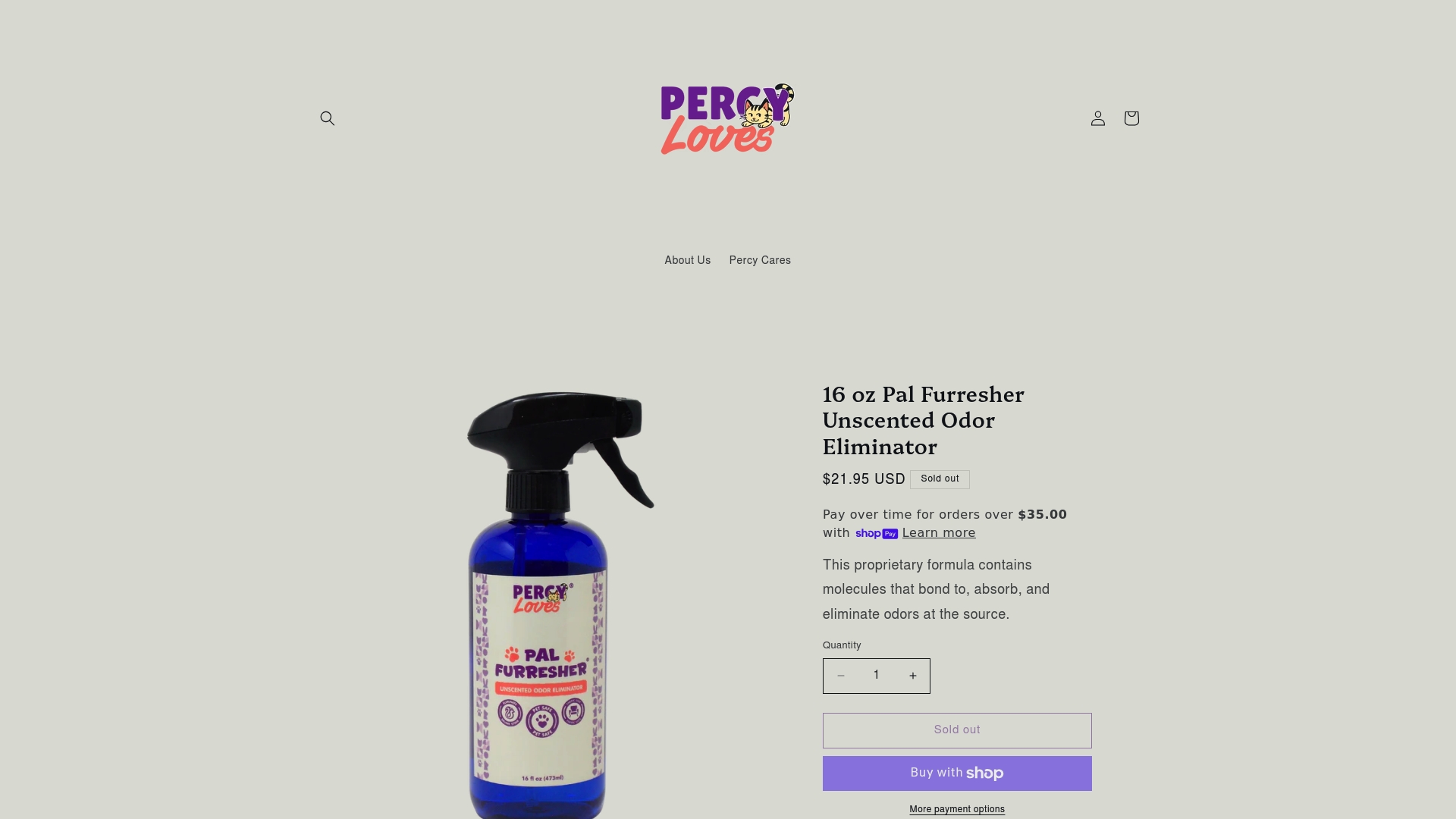
Pal Furresher is fragrance-free and lick-safe. Our proprietary formula does not mask odors. It tackles them at the source and eliminates them completely. No cover-ups. No harsh chemicals. Just a genuinely safe product your dog can be around. The 16 oz odor eliminator is perfect for everyday use throughout your home. Everything we make at Percy Loves is designed with your fur baby’s safety as the top priority because that is the only way we would have it.
Frequently asked questions
Can I use human shampoo on my dog to reduce smell?
No. Human shampoo is too acidic for your dog’s skin, disrupting their natural pH and leading to dryness, irritation, and increased odor over time. Always use a dog-specific, pH-balanced formula.
How do I know if my dog’s smell is a medical problem?
If the odor is musty or sour and persists after bathing, it likely signals an infection. Persistent odor after bathing is a clear sign to schedule a vet exam, where cytology can confirm the cause.
Are any dog breeds naturally less smelly?
Yes. Breeds like Poodles and Basenjis produce less sebum and tend to have lower natural odor, but infections can affect any breed regardless of genetics.
Are vinegar or perfume safe for dog odor removal?
No. Vinegar and hydrogen peroxide irritate your dog’s skin, and perfumes simply cover odors without addressing the cause. Neither option is safe or effective for resolving real odor problems.
What is the most effective way to prevent dog odor?
Brushing 2 to 5 times per week, cleaning ears and paws regularly, feeding a high-quality diet, and scheduling routine vet checkups are proven to keep your dog fresh and healthy over the long term.


