

How to keep pets fresh: safe odor control guide
TL;DR:
- Proper assessment identifies common pet odor sources like bedding, accidents, and dander.
- Using pet-safe, odor-eliminating products at the source ensures longer-lasting freshness.
- Regular cleaning routines and prompt accident management prevent odor buildup effectively.
Keeping your home smelling fresh when you share it with a fur baby is a real daily challenge. Pet odors sneak up fast, whether it is from a surprise accident, a damp coat, or bedding that has seen better days. The good news? You do not need harsh chemicals or heavy fragrances to win this battle. At Percy Loves, we have spent a lot of time figuring out what actually works, and we are sharing it all here. This guide walks you through proven, pet-safe strategies to tackle odors at the source and keep your home and your pet genuinely fresh.
Table of Contents
- Assess the problem: Identifying sources of pet odor
- Preparation: Tools and supplies for odor control
- Step-by-step: Cleaning routines for keeping pets fresh
- Verification and troubleshooting: Ensuring lasting freshness
- Why lasting freshness depends on science, not shortcuts
- Find safe and effective products for pet freshness
- Frequently asked questions
Key Takeaways
| Point | Details |
|---|---|
| Identify odor hotspots | Pinpointing the source of pet odors is the first step to targeted freshness solutions. |
| Use enzyme-based cleaners | Scientific cleaners break down odor molecules and outperform traditional remedies for persistent smells. |
| Maintain regular washing routines | Weekly cleaning of bedding and thorough vacuuming help eliminate bacteria, allergens, and lingering odors. |
| Troubleshoot for lasting results | Watching for odor return and adjusting your approach ensures continuous freshness for pets and home. |
Assess the problem: Identifying sources of pet odor
The first step is to identify exactly where odors are coming from. This sounds simple, but most pet parents skip it and end up cleaning the wrong spots. Odors are sneaky. They settle into fabrics, corners, and surfaces you might not think to check.
Here are the most common sources of pet odor in any home:
- Pet bedding and blankets: These are the biggest culprits. Dander, oils, and moisture all collect here fast.
- Accident spots: Even old, dried accidents can still smell. Urine soaks deep into flooring and padding.
- Hair and dander: Pet hair traps odor-causing bacteria and spreads it across furniture, rugs, and clothing.
- Feeding areas: Food residue and water bowls can develop a funk of their own if not cleaned regularly.
- Ears and skin folds: On the pet itself, these spots hold moisture and can get smelly quickly.
Not all odors are the same. A temporary smell from a wet dog after a walk fades on its own. A persistent odor that keeps coming back, even after cleaning, signals a deeper problem. That usually means bacteria or residue is still present somewhere.
Start your assessment by doing a slow walkthrough of your home. Get low. Odors often concentrate near the floor where your pet spends most of their time. Check under furniture, behind feeding stations, and inside crate liners.
Using a pet cleaning checklist makes this process much easier. It keeps you from missing spots and gives you a clear starting point. For hair removal tips that actually work, it helps to know which surfaces trap the most hair and dander.
According to an odor source guide, you should wash bedding weekly in hot water with a pet-safe detergent and vacuum or sweep regularly to remove dander and hair that trap odors.
Pro Tip: Focus your first cleaning pass on areas with trapped moisture. Moisture is where bacteria thrive, and bacteria is what actually creates the smell.
Preparation: Tools and supplies for odor control
After pinpointing problem areas, equip yourself with the best tools and products to ensure lasting freshness. Having the right supplies on hand makes your routine faster and far more effective.
Here is what you actually need:
- A quality vacuum with a HEPA filter: This captures fine dander and hair that regular vacuums leave behind.
- Pet-safe detergent: For bedding, blankets, and washable covers. Look for fragrance-free options.
- Microfiber cloths: These pick up hair and residue without spreading it around.
- A lick-safe odor eliminator spray: For surfaces your pet touches, lick safety is not optional. It is essential.
- Washable pet bed covers: Makes weekly laundering much easier and extends the life of the bed.
One thing worth knowing: not all cleaning products are created equal. Many common remedies, like baking soda or vinegar, only neutralize odors at the surface. They do not break down the proteins and residue that cause smells to return. For a deeper clean, you want products that actually work at the source.

The best stain removers for pet messes are ones that target the actual compounds causing the odor, not just the stain you can see. Always check labels for pet safety before using anything in your home.
Here is a quick comparison of common cleaning supply options:
| Supply | Odor elimination | Pet-safe | Lick-safe |
|---|---|---|---|
| Baking soda | Surface only | Yes | Yes |
| Vinegar solution | Surface only | Usually | Yes |
| Fragrance sprays | Masks only | Sometimes | No |
| Pet-safe odor spray | At the source | Yes | Yes (lick-safe) |
Check your odor-free checklist before your next shopping run. And if you want a full breakdown of what to use where, the pet cleaning process guide walks through it step by step.
Pro Tip: Choose unscented or fragrance-free supplies wherever possible. Strong scents can irritate your pet’s nose and skin, and they often just mask the problem instead of solving it.
Step-by-step: Cleaning routines for keeping pets fresh
With the right tools in hand, follow these actionable routines to keep your pets and home smelling fresh every day. Consistency is the real secret here. A little effort done regularly beats a big cleaning session once a month.
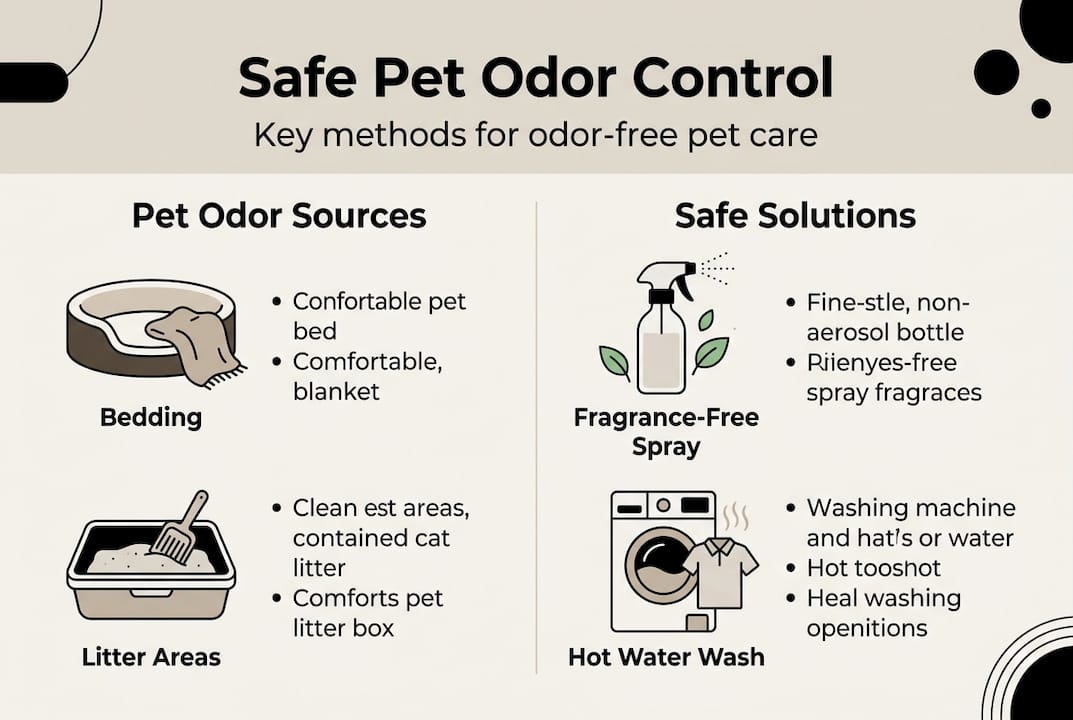
Here is a simple routine to follow:
- Daily: Sweep or vacuum high-traffic pet areas. Wipe down feeding bowls and mats. Do a quick visual check for accidents.
- Every 2 to 3 days: Spot clean furniture and rugs where your pet rests. Use a lick-safe odor eliminator spray on fabric surfaces.
- Weekly: Wash pet bedding in hot water with pet-safe detergent. Vacuum the full home including under furniture. Clean food and water bowls thoroughly.
- As needed: Address accidents immediately. Blot up liquid, clean the area with a pet-safe cleaner, and apply an odor eliminator that works at the source.
- Monthly: Wash pet toys, inspect crates or carriers, and deep clean any rugs or upholstered surfaces your pet uses regularly.
For older stains, one application often is not enough. Repeat your cleaning treatment two or three times, allowing the area to dry fully between applications. Odor from old accidents can linger deep in padding or subfloor material, so patience matters.
Here is a quick comparison of cleaning approaches:
| Approach | Tackles source | Long-lasting | Safe for pets |
|---|---|---|---|
| DIY (vinegar/baking soda) | No | Short-term | Usually |
| Fragrance sprays | No | Very short | Sometimes |
| Lick-safe odor spray | Yes | Long-lasting | Yes |
For a structured odor-free care workflow you can follow week by week, we have put one together for you. And our wellness odor guide covers the connection between cleanliness and your pet’s overall comfort.
For more detail on how different products handle uric acid breakdown, that resource is worth a read.
Verification and troubleshooting: Ensuring lasting freshness
Once you have completed your cleaning routines, it is time to verify results and handle any lingering freshness issues. If odors return within a day or two of cleaning, something is still present that you have not fully addressed.
Here are the most common reasons odors come back:
- Insufficient drying: Damp bedding or fabric left to air dry slowly can develop mildew and a new round of smell.
- Skipping the bedding wash: This is the single most common mistake. Bedding holds more odor than almost any other surface.
- Surface-only cleaning: If you only treat what you can see, the odor source underneath stays active.
- Missing hidden spots: Check under furniture cushions, inside crate liners, and behind appliances near feeding areas.
- Recontamination: If your pet returns to a spot before it is fully dry and treated, the odor cycle starts again.
To troubleshoot, go back to your original assessment checklist. Identify which area the odor is returning from. Treat it again, this time going deeper. Allow full drying time before letting your pet back into that space.
“Weekly washing reduces bacteria and allergens, protecting both your pet and your family.” This is not just about smell. It is about health.
As noted in this bacteria reduction study, weekly washing reduces bacteria and allergens that affect both pets and people. That is reason enough to make it a non-negotiable part of your routine.
For more on how to protect pet health while keeping your home odor-free, we have resources that go deeper. You can also browse our picks for safe odor products that fit into a health-first routine.
Why lasting freshness depends on science, not shortcuts
Here at Percy Loves, we have seen a lot of pet parents reach for the quick fix first. An air freshener spray here, a scented candle there. We get it. It feels like progress. But here is the honest truth: masking an odor is not the same as removing it.
Fragrance sprays and surface wipes cover smells temporarily. The moment the scent fades, the original odor is still there waiting. That is because they never addressed the actual source, which is the biological residue left behind by your pet.
Science-backed odor control means using products that work at the molecular level to break down what is causing the smell. That is exactly what Pal Furresher does. It is fragrance-free, lick-safe, and built to tackle odors at the source rather than cover them up.
Long-term freshness is also linked to long-term pet health. Bacteria and allergens that build up in bedding and on surfaces affect your pet’s skin, respiratory health, and comfort. A structured, science-informed routine is the only approach that delivers results you can actually count on. Shortcuts feel easier in the moment, but they cost you more time and more frustration in the long run. Check out our proven home hygiene tips for more practical guidance.
Find safe and effective products for pet freshness
You now know what it takes to keep your pet and home genuinely fresh. The next step is making sure you have the right products to support that routine every single day.
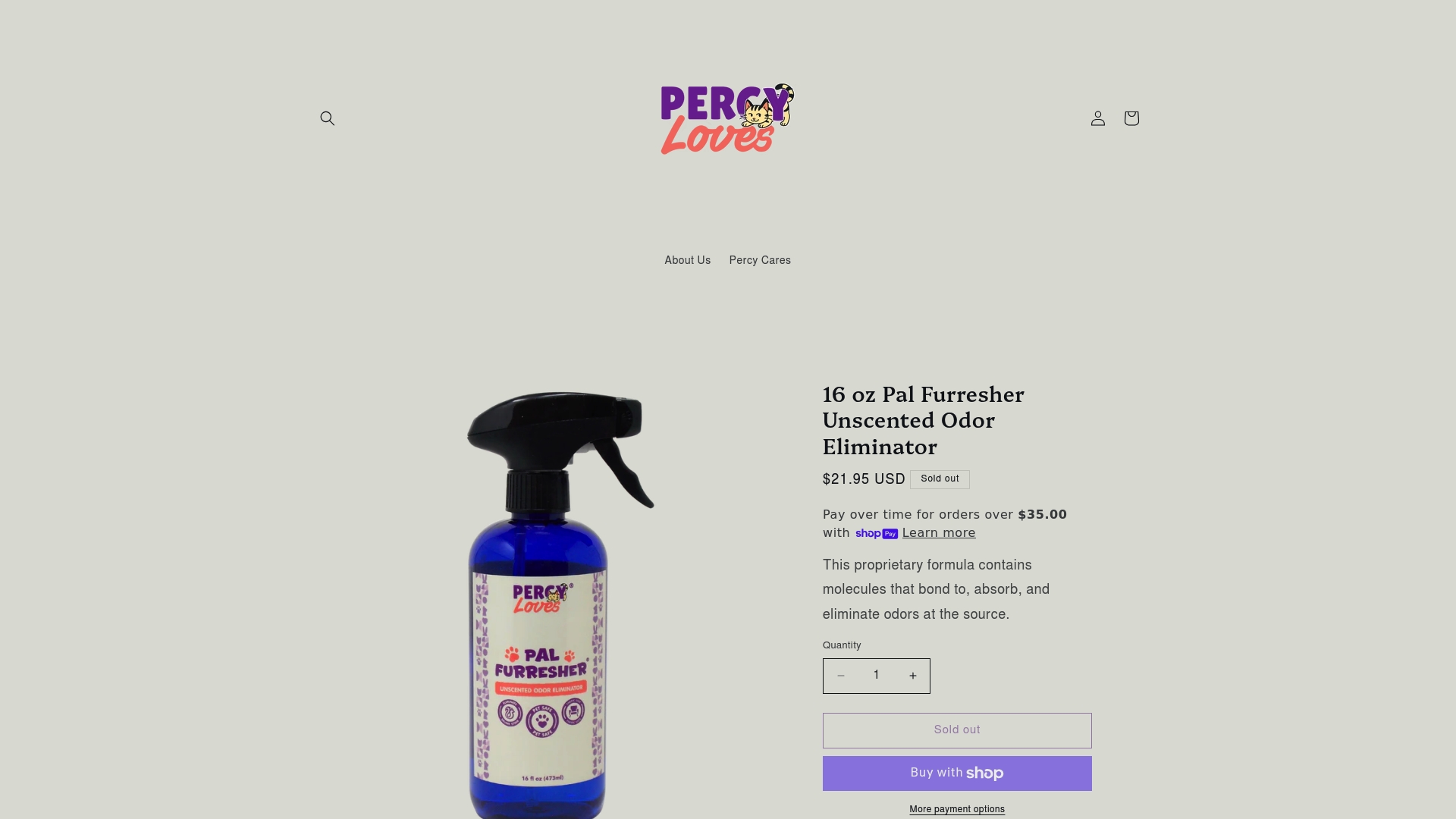
At Percy Loves, we created Pal Furresher Unscented Odor Eliminator specifically for pet parents like you. It is fragrance-free, lick-safe, and works at the source of the odor, not just the surface. Percy tested it himself. If you are just getting started, the 4 oz unscented odor eliminator is a great first step. Ready to stock up? The odor eliminator 3-pack keeps you covered for the long haul.
Frequently asked questions
What is the most effective cleaner for pet urine odors?
Products that work at the source of the odor, breaking down the uric acid and proteins in urine, are the most effective. Masking agents like sprays with fragrance only cover the smell temporarily and do not remove odors at the source.
How often should I wash my pet’s bedding?
Wash pet bedding weekly in hot water with a pet-safe detergent. This is one of the most impactful steps you can take, as weekly washing reduces bacteria, allergens, and the odors they cause.
Are fragrance-free odor sprays safe for pets?
Yes, fragrance-free odor sprays are generally the safest choice for pets. They avoid the irritation that heavy scents can cause to your pet’s nose and skin, and the best ones are also lick-safe for added peace of mind.
What steps can prevent future pet odors?
Regular daily sweeping, weekly bedding washes, and prompt attention to accidents are the core steps. Staying consistent with your routine, as outlined in this odor prevention guide, is what keeps smells from building up over time.


