

Clean home with dogs: practical steps for a fresh space
TL;DR:
- Proper pet-safe cleaning routines and tools help maintain a fresh, odor-free home.
- Regular grooming and diet management significantly reduce dog fur and shedding.
- Quick, targeted responses to accidents prevent stains and odor buildup.
Dog hair on the couch. Muddy paw prints by the door. That mystery smell you just can’t track down. Sound familiar? Living with dogs is one of life’s best things, but keeping your home clean and odor-free can feel like a full-time job. Here’s the good news: it doesn’t have to. With the right tools, a simple routine, and a few smart habits, you can have a home that’s genuinely fresh, safe for your pup, and still feels like yours. This guide walks you through everything, from building your pet-safe cleaning toolkit to managing accidents fast and keeping fur under control.
Table of Contents
- What you need: Pet-safe cleaning toolkit and prep
- Daily and weekly cleaning routines for pet parents
- Managing fur and dander at the source
- Spot cleaning, accident management, and odor control
- Our take: Keeping a clean home with dogs is about smart habits, not perfection
- Discover pet-safe cleaning solutions with Percy Loves
- Frequently asked questions
Key Takeaways
| Point | Details |
|---|---|
| Pet-safe cleaning is key | Always use non-toxic products and DIY cleaners to keep your pets safe and your home spotless. |
| Routine beats overwhelm | Consistent daily and weekly cleaning stops hair and dirt from piling up or causing stress. |
| Groom and zone smartly | Regular grooming and designated mud zones reduce mess at the source for less overall cleaning. |
| Respond fast to accidents | Quick, safe cleanup with enzymatic cleaners prevents odors and keeps your space fresh. |
What you need: Pet-safe cleaning toolkit and prep
Before you scrub a single surface, you need the right gear. And when dogs are part of the household, not just any cleaner will do. Some products contain ingredients that are flat-out dangerous for pets. Setting yourself up correctly from the start makes everything easier and safer.
The foundation of a pet-safe cleaning routine starts with knowing what to reach for. Pet-safe cleaning products like diluted vinegar-water sprays and baking soda mixtures cover most everyday messes. For urine, you need a cleaner built specifically to break down the proteins that cause odor and staining. As the AKC recommends, use pet-safe and DIY solutions like vinegar-water sprays and baking soda-vinegar mixtures for all-purpose cleaning, and targeted cleaners for urine. One critical note: avoid ammonia-based cleaners entirely. They smell similar to urine to a dog’s nose and can actually encourage re-marking.
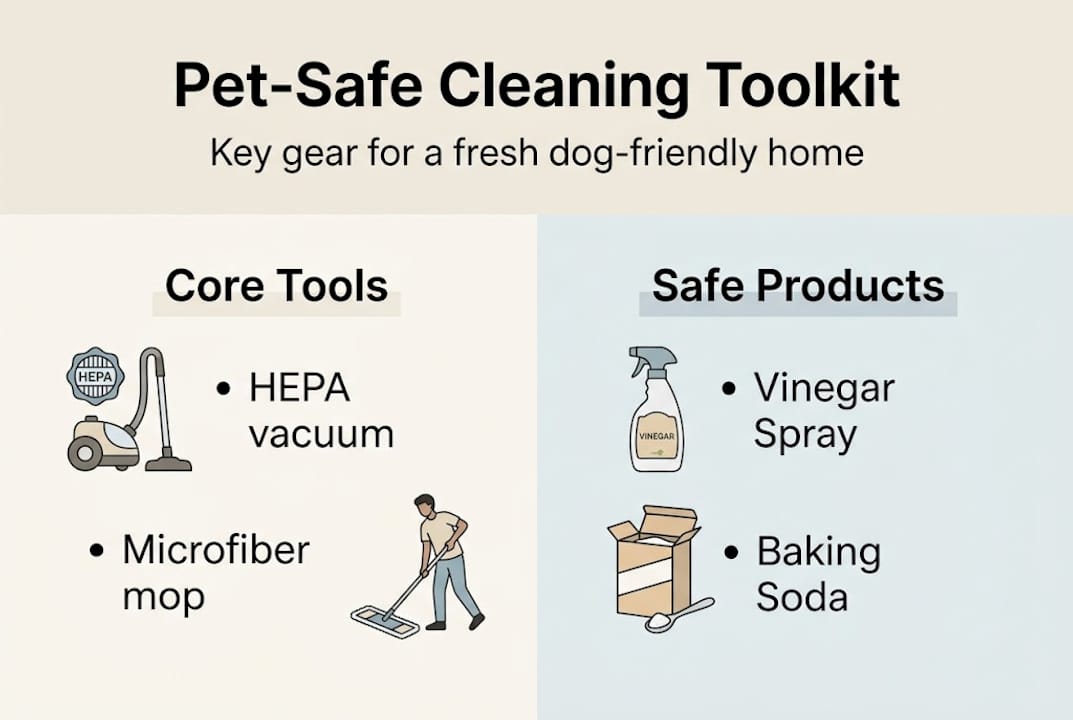
Here’s a quick comparison of your must-have cleaning tools:
| Tool | Purpose | Pet-safe? |
|---|---|---|
| HEPA vacuum | Traps fur, dander, allergens | Yes |
| Microfiber mop | Picks up fine hair on hard floors | Yes |
| Vinegar-water spray | All-purpose surface cleaning | Yes (diluted) |
| Baking soda | Odor absorption, carpet refresh | Yes |
| Urine-specific cleaner | Breaks down urine odor at the source | Yes (check label) |
| Rubber gloves | Protect hands during cleaning | N/A |
Beyond the products, prep your space strategically. Set up a mud station near your main entry point with a washable mat, a towel hook, and a small bin for wipes. Zone your home so you know which areas need daily attention versus weekly. Dog-safe cleaning tips can help you figure out which zones need the most attention based on your dog’s behavior.
Pro Tip: Stock a small cleaning caddy and keep one in the main living area and one near the back door. When a mess happens, you’re not running around looking for supplies. You just grab and go.
Daily and weekly cleaning routines for pet parents
With your toolkit ready, it’s time to build routines that actually stick. The secret isn’t doing more. It’s doing the right things consistently.
A daily 10 to 15 minute reset is all you need to stay ahead of most messes. Pick up toys, do a quick vacuum of traffic areas, and wipe down surfaces every single day. It sounds simple, but skipping even two days lets fur and dander build up fast. Keep your daily tasks short and non-negotiable.
Here’s a realistic cleaning schedule:
- Daily: Quick vacuum or sweep high-traffic areas, wipe down food and water bowl areas, spot-check floors for accidents or tracked-in dirt.
- Every 2 to 3 days: Wash dog bedding and any blankets your dog sleeps on. Wipe down baseboards and furniture your dog touches regularly.
- Weekly: Deep vacuum all carpets and rugs, mop hard floors, clean the mud station mat, launder any washable sofa covers.
- Monthly: Wash walls and doors in low areas, check and clean air purifier filters, do a full wipe-down of furniture legs and underneath couch cushions.
Vacuuming frequency is something a lot of pet parents underestimate. Vacuum carpets three to seven times per week when you have dogs in the house. That’s not excessive. That’s what it actually takes to keep dander and fur from building up. Before you vacuum, sprinkle baking soda on carpets and let it sit for 10 to 15 minutes. It absorbs odors and loosens hair from fibers, making your vacuum’s job easier.
Check out our full pet parent cleaning checklist for a ready-to-use printable version of these routines.
Pro Tip: If you have multiple dogs or heavy shedders, a robot vacuum running on a daily schedule is one of the best investments you can make. Let it run while you’re at work and come home to cleaner floors every day.
Managing fur and dander at the source
Routine cleaning helps, but preventing mess at the source saves the most time. The less fur that ends up on your floors and furniture, the less you have to clean. It really is that simple.

Grooming is your biggest lever here. Brushing with deshedding tools, using shedding shampoos, and using deshedding rakes significantly cuts down loose hair before it spreads around your home. Aim to brush your dog three to five times per week, and every day during peak shedding season in spring and fall.
Here’s a list of grooming tools worth having:
- Slicker brush: Great for most coat types, loosens surface hair
- Deshedding rake: Reaches the undercoat where the real shedding happens
- Rubber grooming glove: Good for dogs who resist brushes
- Shedding shampoo: Loosens dead hair during baths to reduce post-bath blowout
What you feed your dog also matters more than most people realize. Omega-3 supplements and high-quality protein directly reduce excessive shedding by supporting coat and skin health. A dog eating a poor diet will shed significantly more than one on a well-balanced, nutrient-rich food.
“The average dog sheds 30 to 100 hairs per minute during peak season.” That adds up fast. Think about what that means for your floors, furniture, and air quality over a single week.
| Breed type | Shedding level | Best control method |
|---|---|---|
| Short coat (Beagle, Lab) | Moderate | Weekly brush, lint roller |
| Double coat (Husky, GSD) | High | Daily brush, deshedding rake |
| Curly coat (Poodle, Doodle) | Low | Regular grooming appointments |
| Wire coat (Terriers) | Low to moderate | Stripping comb, monthly bath |
For dog home hygiene, air purifiers with HEPA filters are a game changer, especially in bedrooms or small spaces. They pull airborne dander out of circulation before it settles on surfaces.
Spot cleaning, accident management, and odor control
Once you’re preventing most mess at the source, you’ll be ready to master quick fixes for real-life accidents and odors. Because accidents happen. Every dog owner knows this.
Speed matters most when dealing with urine. The faster you act, the less likely you’ll end up with a permanent stain or a smell that lingers for weeks. Here’s how to handle it step by step:
- Blot, don’t rub. Use paper towels or a clean cloth and press firmly. Rubbing spreads the mess deeper into fibers.
- Apply your cleaner. Use a pet-specific urine odor eliminator directly on the spot. Blot, apply cleaner, and allow full drying to fully eliminate odor and discourage your dog from returning to the spot.
- On carpets: After blotting, place a thick layer of paper towels and set something heavy on top. Leave it for 10 to 15 minutes to pull moisture up from the fibers.
- Let it dry completely. A damp area left partially cleaned will still smell. Full drying is non-negotiable.
- For furniture and bedding: Machine-wash covers on the hottest safe setting. Use a washer-safe additive designed for pet odors.
Safety note: Avoid ammonia-based cleaners entirely. They mimic the scent of urine to dogs and can actually make the re-marking problem worse rather than better.
For ongoing odor control between cleanings, baking soda on carpets and upholstery works well for absorption. A HEPA air purifier keeps the air itself smelling fresh. And for quick refreshes on fabric surfaces, look for a fragrance-free odor eliminator that actually tackles odor at the source rather than covering it up. Check our odor-free cleaning checklist for a full breakdown of what to use where.
Pro Tip: Keep labeled spray bottles of your go-to cleaners in each key zone of your home. When an accident happens, you can respond in seconds instead of hunting through cabinets.
Our take: Keeping a clean home with dogs is about smart habits, not perfection
Here at Percy Loves, we’ve seen a lot of pet households. And we’ll be honest: the traditional deep-clean standard just doesn’t apply when you live with dogs. Expecting your home to look like a show house between washes is a recipe for burnout, not cleanliness.
What actually works is consistency. A 15-minute daily routine done every day beats a three-hour weekend overhaul every time. Not because it feels more productive, but because it prevents the buildup that makes cleaning feel overwhelming in the first place.
Also? Nobody notices a little fur. Your guests notice if your home smells. That’s where your energy should go. Focus on pet cleaning safety principles, odor control, and keeping your dog’s environment safe. Let go of perfection. A small win every day adds up to a genuinely clean, comfortable home. And that’s something worth celebrating.
Discover pet-safe cleaning solutions with Percy Loves
You’ve got the routines and the knowledge. Now make sure your products are pulling their weight too.
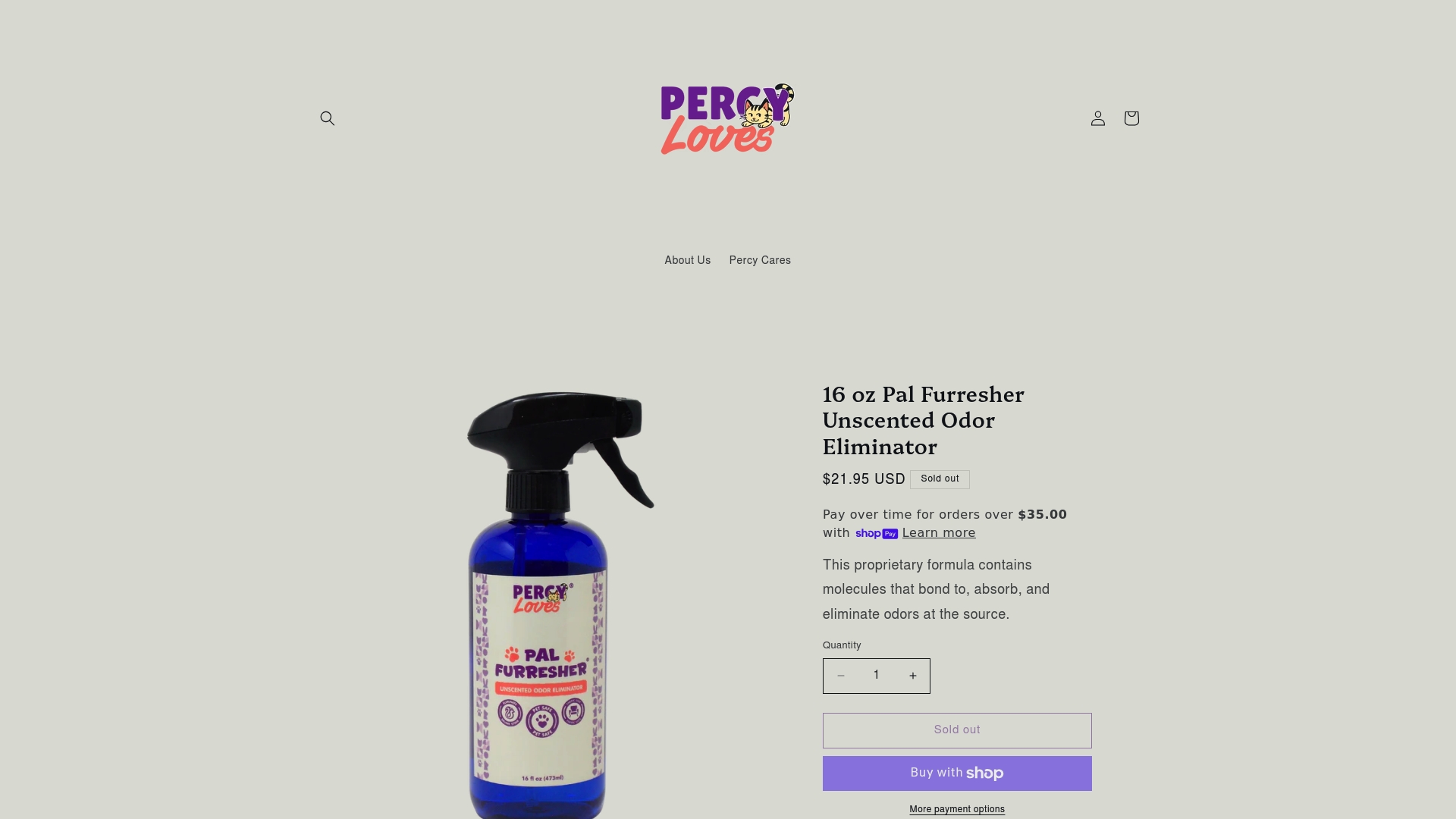
At Percy Loves, we built our products specifically for real-life pet households. Pal Furresher is a fragrance-free odor eliminator that’s completely lick-safe. It doesn’t mask odors. It tackles them at the source using a proprietary formula, so the funk is actually gone, not just hidden under a cloud of perfume. Grab the unscented odor eliminator for everyday use, or stock up with the odor eliminator value pack so you’re always covered. Because your dog deserves a fresh, safe home, and so do you.
Frequently asked questions
What is the safest way to clean up dog urine accidents?
Blot up urine, apply a pet-safe cleaner, and let the area dry fully to break down odor completely and discourage your dog from returning to that spot.
How often should I vacuum with dogs in the home?
Vacuum carpets three to seven times a week and sweep hard floors daily to stay ahead of pet hair and dander buildup.
Are natural cleaning solutions safe for dogs?
Yes, diluted vinegar-water sprays and baking soda are generally safe when used correctly. Always check for individual pet sensitivities before using anything new.
Can diet reduce how much my dog sheds?
Omega-3 supplements and quality protein support coat health and can noticeably reduce excessive shedding, though all dogs will shed to some degree year-round.


