

Eco-friendly pet care: Reduce your pet's 30% impact
TL;DR:
- Pets’ environmental impact primarily stems from meat-based food, waste, and disposable products.
- Switching to plant-based or insect protein can drastically reduce your pet’s carbon footprint.
- Proper waste management and using certified eco-friendly products support sustainable pet care.
Your pet is adorable. Your pet is also, quietly, one of the more significant contributors to your household’s carbon footprint. US pets contribute 25-30% of the environmental impacts from animal production, and most pet owners have no idea. That’s not a guilt trip. It’s an invitation to make smarter choices that are genuinely better for your fur baby and the planet. This guide covers the four biggest areas where your decisions matter most: food, waste, products, and cleaners. Small, informed swaps can add up to a real difference.
Table of Contents
- The science behind pets’ environmental footprint
- Sustainable food choices: The biggest impact lever
- Eco-wise waste management: Proper disposal and emerging solutions
- Choosing sustainable products: Toys, cleaners, and everyday essentials
- The uncomfortable truth about balancing pet wellness and eco care
- Discover sustainable pet care solutions with Percy Loves
- Frequently asked questions
Key Takeaways
| Point | Details |
|---|---|
| Protein choice matters | Switching your pet’s food protein from beef to insect or plant-based options can cut emissions by 80-90%. |
| Waste management guides impact | Proper disposal and composting of pet waste prevents pollution and helps communities stay clean. |
| Durable products are greener | Choosing durable toys and cleaners lowers environmental load and keeps pets healthier. |
| Certifications signal quality | Third-party certified products (AAFCO, USDA Organic, GOTS) ensure safe, eco-friendly pet care. |
| Vet advice is essential | Always consult your vet before making major diet or product changes, balancing wellness with sustainability. |
The science behind pets’ environmental footprint
Pet ownership comes with a hidden environmental cost that rarely shows up in conversations about sustainability. Most of us think about our own diet, our car, our energy bill. But the food in your pet’s bowl? That’s a big deal.
Pet food accounts for 56 to 151 Mt CO2eq annually in the US alone. To put that in perspective, that’s a carbon footprint comparable to some small countries. The main driver is meat. Pet food is heavily meat-based, and meat production, especially beef, is resource-intensive.
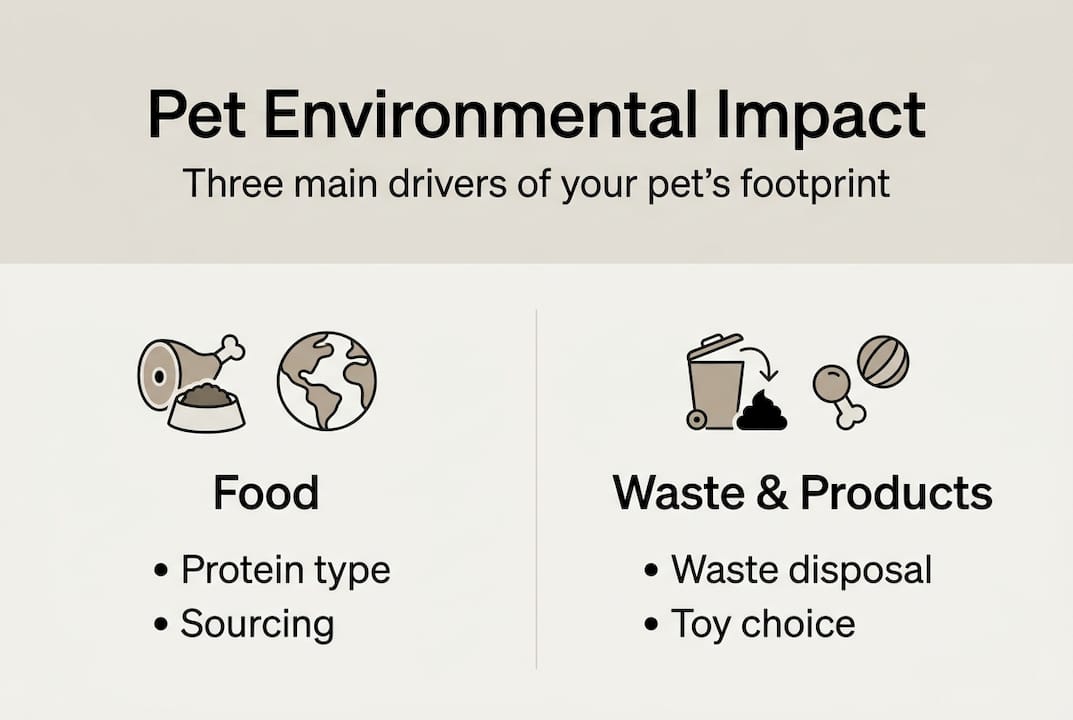
But food isn’t the only factor. Here are the top three environmental impacts of pet ownership:
- Food production: Meat-heavy diets drive the majority of greenhouse gas emissions, land use, and water consumption linked to pets.
- Waste handling: Improper disposal of pet waste contributes to water pollution, pathogen spread, and urban environmental stress.
- Product durability: Cheap, disposable toys and single-use plastic accessories add to landfill waste and chemical exposure.
Understanding these three areas helps you focus your energy where it counts most. You don’t need to overhaul everything at once. Prioritizing sustainable pet care tips in even one of these categories makes a measurable difference.
| Environmental factor | Primary driver | Impact level |
|---|---|---|
| Pet food | Meat-based protein | Very high |
| Waste disposal | Plastic bags, landfill | High |
| Toys and products | Single-use plastics | Moderate |
| Cleaning products | Chemical residues | Moderate |
Following eco-friendly pet ownership steps doesn’t require perfection. It requires awareness. And once you see the data, it’s hard to unsee it. Adopting safe odor control lifestyles and focusing on pet wellness and cleanliness are practical starting points that serve both goals at once.
Now that you know pets’ environmental footprint, let’s explore how sustainable choices can tackle the biggest sources.
Sustainable food choices: The biggest impact lever
If you’re thinking about what goes in your pet’s bowl, sustainable food is the lever with the highest impact. And the numbers here are genuinely surprising.
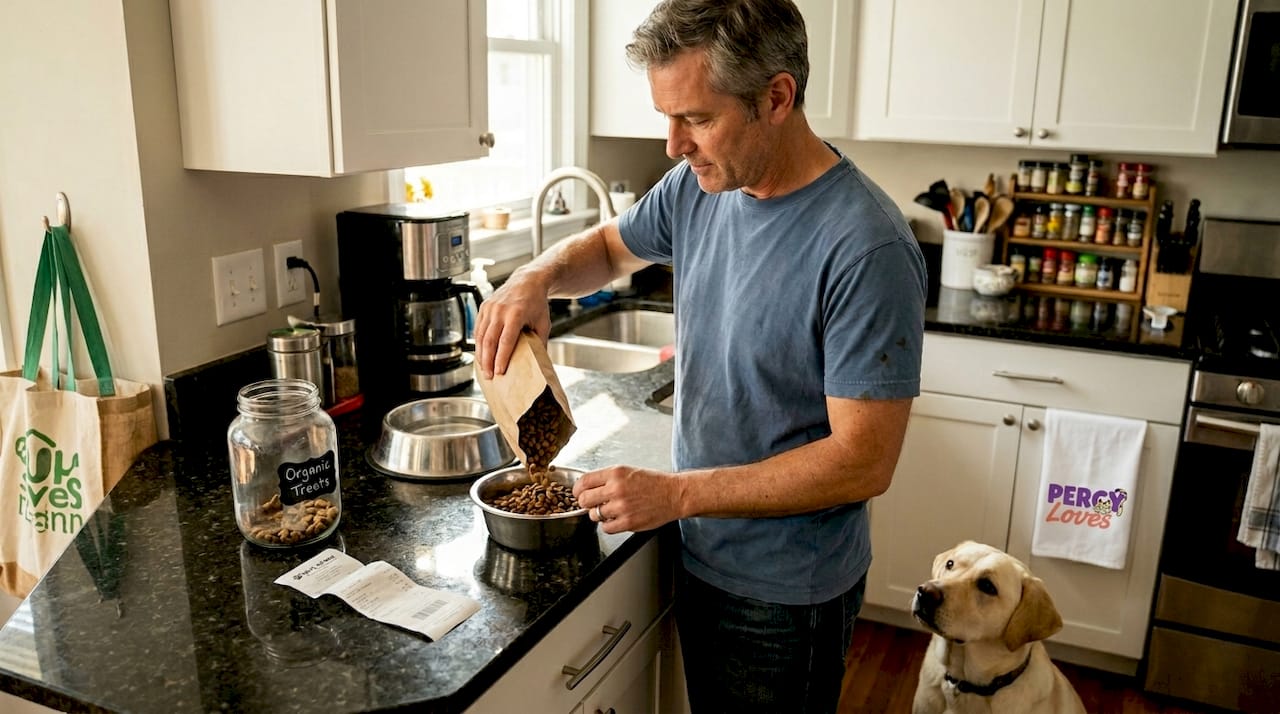
Insect protein produces just 1.5 kg CO2 per kilogram of food. Chicken comes in at around 9 kg. Beef? A staggering 60 kg. Switching your dog’s food from beef-based to insect or plant-based protein can cut the food-related carbon footprint by up to 80 to 90%. That’s not a small tweak. That’s a transformation.
Here’s how to choose sustainable, healthy food for your pet:
- Check the primary protein source. Look for insect meal, chicken, or plant-based proteins as the first ingredient rather than beef or lamb.
- Verify AAFCO certification. AAFCO (Association of American Feed Control Officials) certification confirms the food meets complete nutritional standards. Don’t skip this step.
- Read past the marketing. Words like ‘eco,’ ‘natural,’ or ‘green’ on packaging don’t guarantee nutritional balance. Always check the guaranteed analysis panel.
- Transition slowly. Switching proteins too fast can upset your pet’s digestion. Blend new food with old over 7 to 10 days.
- Consult your vet. Especially for cats, who are obligate carnivores and have stricter protein requirements than dogs.
Interestingly, 81% of pet owners prioritize animal welfare over environmental concerns when choosing food. That’s not a bad instinct. The good news is that lower-impact proteins often come from more humane production systems. You can frequently serve both goals with one choice.
Pro Tip: When comparing eco-friendly dog foods, look for brands that publish their ingredient sourcing and carbon data openly. Transparency is a strong indicator of quality. And always cross-reference with safe pet products guidance to make sure you’re not trading one problem for another.
Sustainability and nutrition are not opposites. The best eco-friendly pet foods are also some of the most thoughtfully formulated ones on the market.
Eco-wise waste management: Proper disposal and emerging solutions
Now that nutrition is covered, dealing with pet waste responsibly is the next eco-friendly step. And there’s more nuance here than most guides admit.
The pet waste management market hit $3.2 billion in 2026, projected to reach $6.1 billion by 2034. That growth reflects real demand for better solutions. But not every product marketed as eco-friendly actually delivers.
Here’s the key issue: compostable bags are ineffective in landfills. They require industrial composting facilities with specific heat and moisture conditions to break down properly. If your compostable bag ends up in a standard landfill, it behaves almost identically to a regular plastic bag.
Best eco practices for pet waste management:
- Use certified compostable bags and check whether your local waste facility actually processes them correctly.
- Set up a dedicated pet waste composter separate from your food and garden compost to prevent pathogen contamination.
- Never flush cat litter down the toilet. Many litters contain toxoplasmosis-causing organisms that water treatment systems can’t fully remove.
- Pick up every time. Urban pet waste concentration amplifies pollution risks in waterways and public spaces.
- Support local pickup services if available. Professional services handle disposal more efficiently and responsibly.
“Dog waste composting requires dedicated systems due to pathogen and PFAS concerns. Biodegradable bags only work with proper composting infrastructure.” — BioCycle
Pro Tip: Don’t compost pet waste in your regular home compost system. Even if the bag is certified compostable, dog and cat waste carries pathogens that can survive standard backyard composting temperatures and contaminate your garden.
Using a pet cleaning checklist alongside responsible waste habits helps you maintain a healthy odor-free pet home without relying on harsh chemicals.
Choosing sustainable products: Toys, cleaners, and everyday essentials
Eco-friendly eating and waste handling matter, but products and cleaners can make or break sustainability at home. This is also where your pet’s daily health is most directly affected.
Durable toys are a simple win. A natural rubber chew toy that lasts two years beats a cheap plastic toy that gets tossed in a month, both for the environment and for your pet’s safety. Durable toys made from natural rubber or hemp reduce landfill waste and eliminate the risk of your pet ingesting microplastics from degrading cheap materials.
When it comes to cleaners, the stakes are even higher. Pets spend their lives close to the floor. They lick surfaces. They breathe in whatever you spray. Conventional cleaners with synthetic fragrances, bleach, or harsh solvents can irritate airways, disrupt skin health, and accumulate in your pet’s system over time. Natural, eco-certified cleaners protect your pet and your home’s air quality simultaneously.
Top sustainable product certifications to look for:
- GOTS (Global Organic Textile Standard): For fabric toys, beds, and accessories.
- USDA Organic: For food, treats, and some grooming products.
- AAFCO certification: For any pet food or supplement.
- EPA Safer Choice: For cleaning products used around pets.
- Leaping Bunny: For cruelty-free grooming and care products.
No proven health edge exists for organic products over conventional ones in terms of direct health outcomes. What matters more is third-party certification, which confirms that claims have been independently verified.
Pro Tip: Don’t assume ‘organic’ automatically means safer or better for your pet. Check for recognized third-party certifications instead. An uncertified ‘organic’ cleaner may still contain ingredients that irritate sensitive pets. Review pet cleaning safety tips and consider enzyme-free pet parenting approaches for the gentlest results. Explore sustainable pet wellness tips to find options that are verified, not just labeled.
The uncomfortable truth about balancing pet wellness and eco care
Here at Percy Loves, we talk to a lot of pet parents who feel pulled in two directions. They want to do right by the planet. They also want to do right by their fur baby. And sometimes, those goals feel like they’re in conflict.
Here’s our honest take: your pet’s health comes first. Always. A sustainable diet that leaves your cat nutritionally deficient isn’t a win. A ‘natural’ cleaner that triggers skin reactions in your dog isn’t better just because it’s plant-based.
Sustainable practices genuinely enhance pet health by reducing chemical exposure and supporting cleaner environments. That’s real. But the ‘fur baby’ mindset, where we project human preferences onto our pets, can lead to choices that look good on paper but don’t serve the animal.
The best path forward is vet-guided. Your vet can help you evaluate whether a lower-impact protein is suitable for your specific pet’s age, breed, and health status. They can flag when an eco trend is just a trend. Use expert non-toxic pet care resources as a starting point, but let your vet have the final word. Eco-conscious pet parenting works best when it’s grounded in actual animal welfare, not just good intentions.
Discover sustainable pet care solutions with Percy Loves
We built Percy Loves because Percy, our real and very funky cat, needed something better. Something safe, effective, and free of the harsh chemicals that worried us. That’s exactly what Pal Furresher is: a fragrance-free, lick-safe odor eliminator that tackles smells at the source instead of masking them.
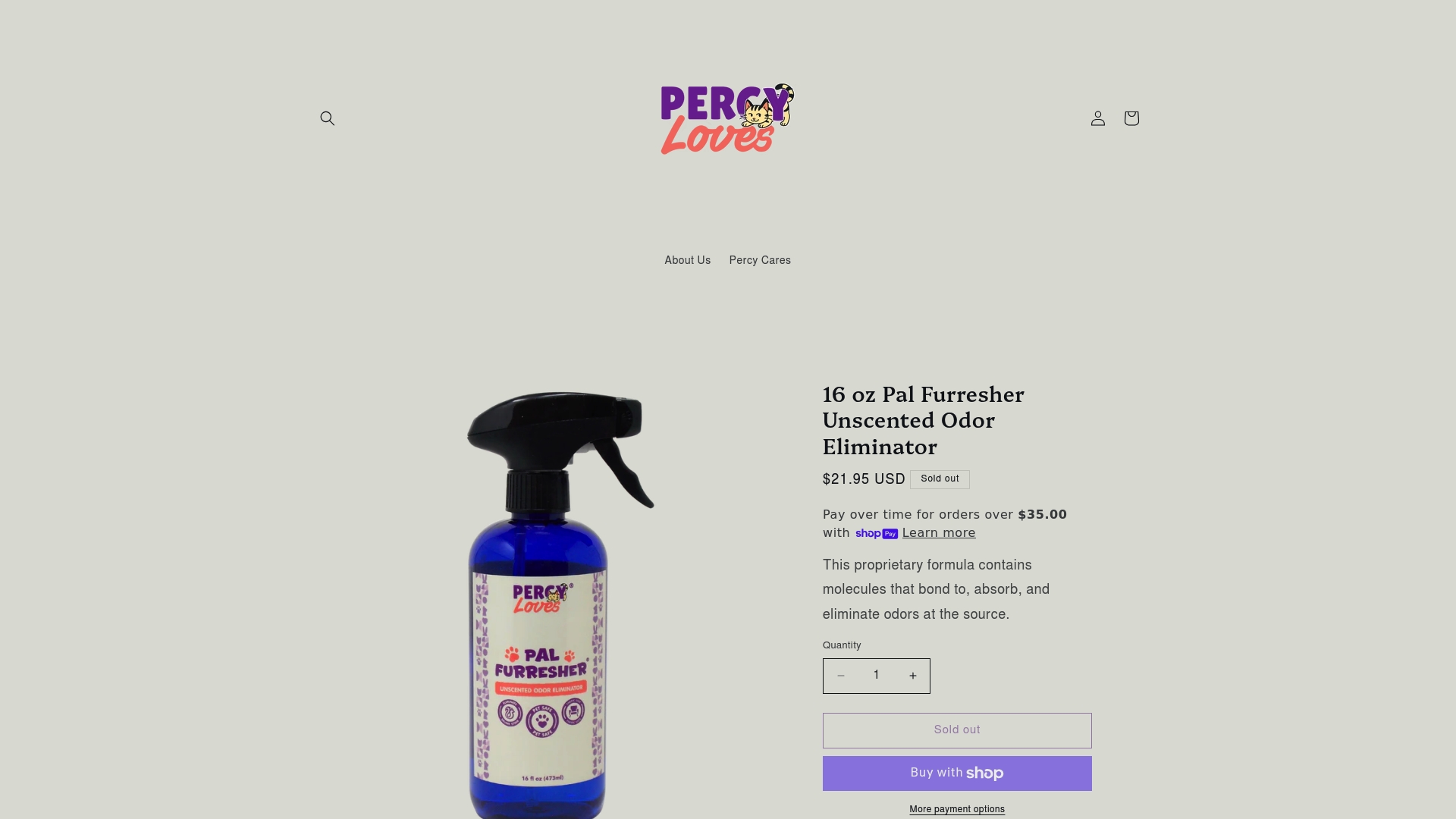
If you’re committed to sustainable pet care, you deserve products that match that commitment. Our unscented odor eliminator is a great place to start, and we offer odor eliminator options in multiple sizes to fit your routine. Visit Percy Loves to explore our full range of safe, pet-first solutions and find the resources you need to keep your home clean and your pet thriving.
Frequently asked questions
What is the most eco-friendly pet food protein?
Insect and plant-based proteins are the most eco-friendly options, with insect protein producing just 1.5 kg CO2 per kg of food compared to beef’s 60 kg. They also use significantly less land and water.
Can my dog thrive on a vegan diet?
Dogs are omnivores and can do well on a carefully formulated vegan diet, but AAFCO nutritional completeness verification is essential. Always work with your vet before making the switch.
How should I dispose of pet waste responsibly?
Use certified compostable bags with proper composting facilities and set up a dedicated pet waste composter. Compostable bags in landfills don’t break down effectively, so always follow local disposal guidelines.
Are organic pet products healthier for pets?
There’s no proven health advantage to organic pet products over conventional ones. Third-party certifications like GOTS, USDA Organic, and AAFCO are more reliable indicators of safety and quality.
Does eco-friendly pet care improve my pet’s well-being?
Yes. Sustainable practices enhance health by reducing chemical exposure and supporting cleaner living environments. Fewer synthetic fragrances and durable, non-toxic products make a real difference over time.


