

Habits of Responsible Pet Owners: 2026 Expert Guide
TL;DR:
- Responsible pet ownership requires lifelong commitment to ethical care, daily routines, and preventative health practices. Consistent habits such as species-appropriate nutrition, exercise, grooming, training, and long-term planning create healthier, safer pets and communities. Building automatic systems for pet care enhances well-being and ensures responsible choices are sustained over time.
Responsible pet ownership is defined as a lifelong commitment to an animal’s physical health, emotional well-being, training, and ethical care from adoption through end of life. The habits of responsible pet owners go far beyond filling a food bowl. They include daily routines, consistent training, preventive health care, and thoughtful choices that protect both your pet and your community. Experts at the AVMA, MSPCA, AKC, and Guide Dogs for the Blind all point to the same truth: great pet parenting is built on deliberate, repeatable habits, not occasional good intentions. This guide breaks down exactly what those habits look like in practice.
1. What daily care habits do responsible pet owners practice?
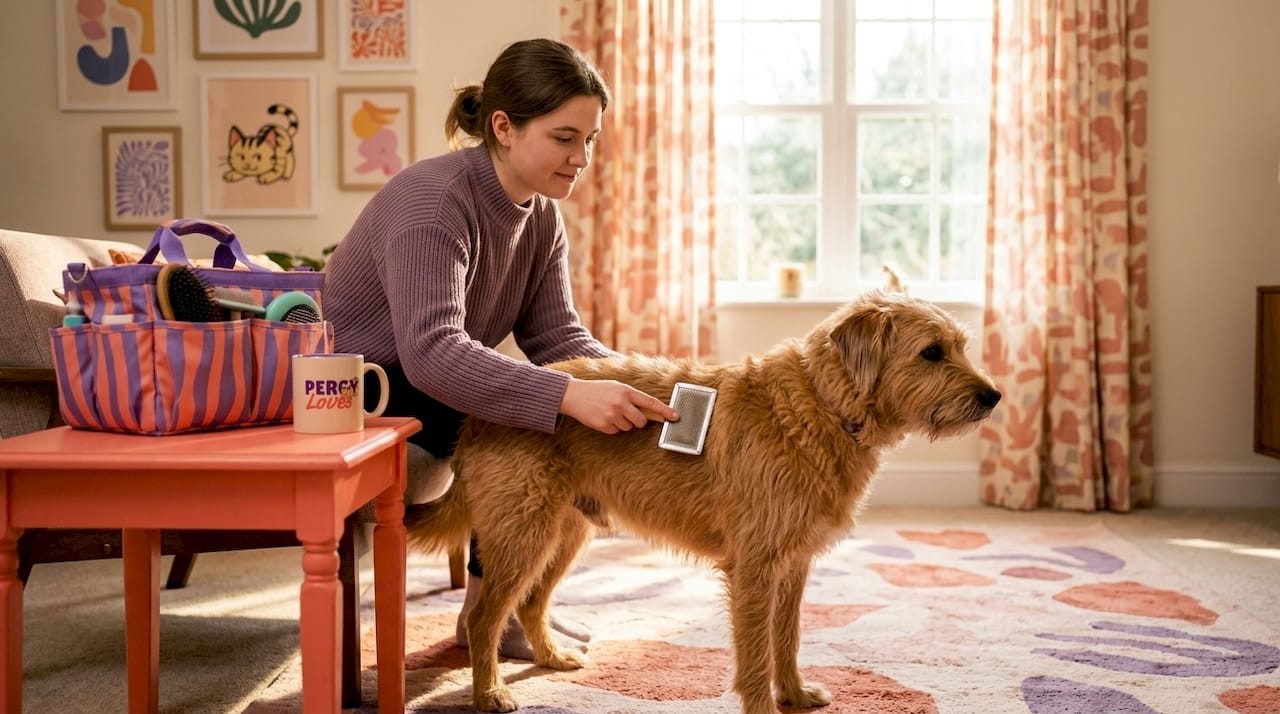
Responsible pet ownership encompasses legal obligations, ethical responsibilities, and practical day-to-day care for an animal’s entire lifespan. That framing from the MSPCA matters because it shifts ownership from a feeling to a practice. Daily habits are where that practice lives.
The core daily responsibilities include:
- Species-appropriate nutrition and fresh water. Dogs, cats, rabbits, guinea pigs, and ferrets each have distinct dietary needs. A rabbit fed dog kibble is not a quirky story. It is a health crisis waiting to happen.
- Exercise matched to breed and energy level. A Border Collie needs structured activity. A Persian cat needs gentle play. The AVMA’s 2026 guidelines frame regular exercise as a cornerstone habit that directly improves pet health outcomes and strengthens the human-animal bond.
- Consistent grooming. Brushing, nail trims, ear checks, and dental care prevent infections before they start. A solid grooming hygiene routine is one of the most underrated health tools a pet parent has.
- Scheduled veterinary check-ups and vaccinations. Preventive care scheduling reduces emergency visits and is a cornerstone habit of responsible ownership. Reactive care costs more in money and stress than routine prevention ever will.
- Mental stimulation and enrichment. Puzzle feeders, training sessions, and social interaction keep pets mentally sharp and behaviorally stable. Boredom is one of the leading drivers of destructive behavior in dogs and cats alike.
Pro Tip: Set a weekly calendar reminder for grooming tasks. Pets on consistent grooming schedules are easier to handle at the vet, which means less stress for everyone in the room.
2. How do responsible owners handle training and socialization?
Training is not optional. It is a safety practice. The AKC is direct: household-wide rule consistency prevents confusion and produces well-mannered, behaviorally stable pets. When one family member lets the dog jump on the couch and another scolds it for the same behavior, the dog does not learn. It just gets anxious.
Here is what responsible training looks like in practice:
- Start socialization early. The MSPCA links early socialization directly to reductions in fear-based behaviors and aggression. Puppies and kittens exposed to different people, sounds, and environments during their critical development window grow into confident adults.
- Teach basic commands before advanced ones. Sit, stay, come, and leave it are not tricks. They are safety tools. A dog that reliably responds to “come” is a dog you can call away from a dangerous situation.
- Use positive reinforcement consistently. Reward-based training builds trust and speeds up learning. Punishment-based methods create anxiety and can increase aggression, especially in fearful animals.
- Respect leash laws in all public spaces. Guide Dogs for the Blind is explicit: secure containment and leash compliance protect not just your pet but every person and working animal in your community. A loose dog approaching a guide dog team can cause a serious safety incident.
- Align all household members on the rules. Every person in the home needs to use the same commands, the same boundaries, and the same rewards. Inconsistency is the single biggest training saboteur.
Pro Tip: Five minutes of training per day beats one hour per week. Short, frequent sessions keep your pet engaged and make new behaviors stick faster.
3. What ethical practices define long-term responsible ownership?
Responsible pet care practices extend well beyond the daily routine. They include choices that affect your pet’s long-term health, your local community, and the broader animal population.
Spaying and neutering top the list. The Humane Society Silicon Valley outlines clear medical and behavioral benefits of spay and neuter procedures, including reduced risk of certain cancers, decreased roaming behavior, and meaningful impact on controlling pet overpopulation. This is not just a personal choice. It is a community health decision.
Planning for senior care is equally important. The MSPCA frames responsible ownership as encompassing an animal’s entire lifespan, including end-of-life decisions. Many pet owners are caught off guard by the cost and emotional weight of senior pet care. Thinking ahead, including setting aside an emergency fund and discussing palliative options with your vet, is a habit that protects both your pet and your peace of mind.
“Responsible owners do not just care for pets when it is convenient. They plan for the hard moments too.” This is the standard the MSPCA, AVMA, and AKC all hold up as the benchmark for genuine ownership.
Preventing pets from roaming is another ethical obligation. The WWF highlights that escaped exotic pets and free-roaming cats and dogs pose real risks to local wildlife and ecosystems. Microchipping and proper ID tags are your first line of defense if a pet does escape. Financial planning for unexpected veterinary needs rounds out the ethical picture. Pet insurance, a dedicated savings account, or a CareCredit line are all tools that turn good intentions into real preparedness.
4. How to create a safe environment at home and in public
A safe home is a deliberate home. Pet-proofing is not a one-time project. It is an ongoing habit that adapts as your pet ages and as your household changes.
At home, the priorities are removing toxins, securing hazards, and creating containment. Common household dangers include certain houseplants like pothos and lilies, human medications left on counters, and unsecured trash cans. Fenced yards with self-closing gates are the standard recommended by Guide Dogs for the Blind for dog owners. A gate that swings open and stays open is not a safety feature. It is a liability.
In public, the standard shifts to etiquette and community awareness. The AKC is clear that “my dog is friendly” is not a substitute for leash control. Other people cannot assess your dog’s temperament from across a park. Some people have phobias. Some are working with a reactive dog. Some are accompanied by a guide dog. Your leash is not just a rule. It is a courtesy.
The table below captures the key differences between home and public safety habits:
| Setting | Key safety habit | Why it matters |
|---|---|---|
| Home | Remove toxic plants and chemicals | Pets explore with their mouths and paws |
| Home | Use self-closing gates and secure fencing | Prevents escapes and unsupervised roaming |
| Public | Keep pets leashed at all times | Protects strangers, working animals, and wildlife |
| Public | Respect others’ space and comfort | Not everyone is comfortable around animals |
5. Habits for maintaining a clean, odor-free pet home
A clean home is a healthier home for both you and your pet. Odor management is one of the most practical and often overlooked responsible pet care practices, especially for multi-pet households or owners of small animals like ferrets, rabbits, and guinea pigs.
The core habits here are straightforward:
- Clean litter boxes, cages, and bedding on a fixed schedule. Ammonia buildup from urine is harmful to respiratory health in both pets and humans. Daily scooping and weekly deep cleans are the baseline.
- Groom regularly to reduce dander and odor at the source. A consistent grooming routine reduces the amount of odor-causing material that ends up on your furniture and floors.
- Use safe, non-toxic odor eliminators. Many commercial sprays rely on heavy fragrances that irritate sensitive pet noses and airways. Percyloves Pal Furresher is fragrance-free and enzyme-free, making it lick-safe for curious cats, dogs, and small animals. It works by bonding to and eliminating odors at the source rather than covering them up with scent.
- Wash pet bedding weekly. Pet beds trap oils, dander, and odor faster than almost any other surface in your home. Hot water washing is the most effective reset.
- Ventilate regularly. Fresh air circulation reduces the concentration of airborne odor particles. Open windows during grooming sessions and after litter box cleaning.
Pro Tip: Keep a bottle of Percyloves Pal Furresher near your pet’s favorite spots. A quick spray after grooming or after an accident means odors never get a chance to settle in.
6. How viewing pets as family improves ownership outcomes
Family-centered veterinary care increases owner compliance with responsible habits, linking emotional bonds with practical care. This insight from AAHA is one of the most useful reframes available to pet owners. When you see your pet as a family member rather than a possession, you naturally follow through on vet appointments, training sessions, and daily routines with more consistency.
The human-animal bond is not just an emotional concept. It is a measurable driver of better pet health outcomes. Pets whose owners treat them as family members receive more preventive care, more behavioral investment, and more thoughtful end-of-life planning. That translates directly into longer, healthier lives. Exploring resources like eco-friendly pet care and responsible ownership guides helps reinforce that mindset with practical action steps.
Key takeaways
Responsible pet ownership is built on consistent daily habits, proactive health planning, and ethical choices that protect both your pet and your community.
| Point | Details |
|---|---|
| Daily care is non-negotiable | Nutrition, exercise, grooming, and vet visits form the foundation of pet health. |
| Training requires household consistency | Every family member must follow the same rules to produce a well-mannered pet. |
| Ethical choices have community impact | Spaying, neutering, and leash compliance protect local wildlife and public safety. |
| Safe environments need ongoing attention | Pet-proofing at home and leash etiquette in public are habits, not one-time tasks. |
| Odor management supports health | Fragrance-free, enzyme-free products like Pal Furresher keep homes safe and fresh. |
What I’ve learned from years of watching pet parents get this right
I have spent a lot of time around pet owners who do everything right and pet owners who mean well but struggle. The difference almost never comes down to love. It comes down to systems.
The owners whose pets thrive are the ones who have made care automatic. Vet appointments are on the calendar before they leave the clinic. Grooming happens on the same day every week. Training is woven into daily walks, not saved for a special session. These are not extraordinary people. They are people who decided to build habits instead of relying on motivation.
The part that surprises most new pet parents is how much the ethical layer matters. Spaying or neutering, planning for senior care, keeping pets leashed in wildlife areas. These feel abstract until they are not. Until your unneutered dog escapes and you spend a terrifying night searching. Until your senior cat needs a decision you were not prepared to make. Planning ahead is not pessimism. It is the most loving thing you can do.
I also think the “my dog is friendly” habit is one of the most important things to unlearn. Community safety depends on managing your pet’s behavior in public, regardless of how sweet they are at home. The AKC puts it plainly: other people cannot gauge your dog’s temperament, and that uncertainty is yours to manage, not theirs to absorb.
Start with one habit. Add another. Give yourself and your pet the grace of gradual progress. The goal is not perfection. It is consistency over time.
— Kathy
Keep your pet home fresh with Percyloves Pal Furresher
Responsible pet ownership includes keeping your home clean and safe for every member of the family, including the furry ones. That is exactly why the humans at Percyloves created Pal Furresher.
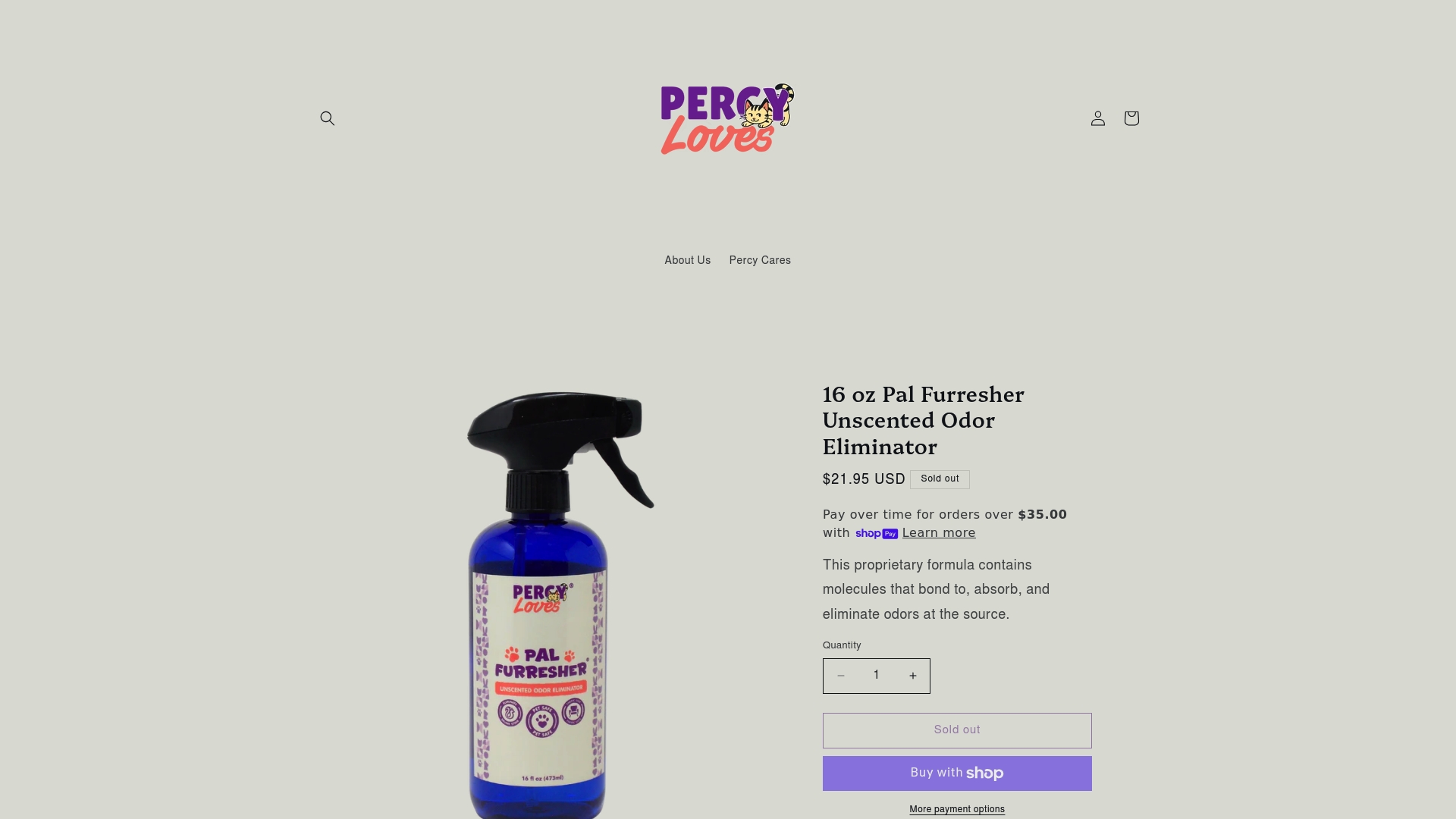
Pal Furresher is a fragrance-free, enzyme-free odor eliminator that is completely lick-safe. It works by bonding to odors at the source and eliminating them on contact, with no harsh chemicals and no masking scents. It is safe for dogs, cats, rabbits, ferrets, guinea pigs, and all the small animals in your life. Whether you are dealing with litter box smells, pet bedding funk, or a mystery odor on the couch, Pal Furresher handles it without putting your pet at risk. Grab your Pal Furresher 4 oz bottle or stock up with the 3-pack option and keep every room in your home fresh and pet-safe.
FAQ
What are the most important habits of responsible pet owners?
The most important habits include providing species-appropriate nutrition, scheduling regular veterinary check-ups, maintaining consistent training, and planning for long-term care including senior and end-of-life needs. The MSPCA and AVMA both identify these as the foundation of responsible ownership.
How often should responsible pet owners visit the vet?
Most healthy adult pets need at least one wellness exam per year, while puppies, kittens, and senior animals typically need visits every six months. The AVMA frames routine preventive care as a planning habit that reduces emergency treatments significantly.
Why is early socialization so important for pets?
Early socialization reduces fear-based behaviors and aggression by exposing young animals to diverse people, sounds, and environments during their critical development window. The importance of early socialization is well-documented across dog training research and directly shapes lifelong temperament.
Should I spay or neuter my pet?
Yes. Spaying and neutering prevent serious health risks, reduce behavioral problems like roaming and aggression, and help control pet overpopulation. The benefits of neutering include reduced risk of certain cancers and a calmer, more manageable pet overall.
What is the safest way to eliminate pet odors at home?
Use a fragrance-free, enzyme-free odor eliminator that is non-toxic and lick-safe, like Percyloves Pal Furresher. Avoid products with heavy fragrances or harsh chemicals, which can irritate your pet’s respiratory system and skin.


