

How to Keep Your Cat Clean: Simple Hygiene Tips
TL;DR:
- Maintaining a regular grooming routine, including brushing, litter box cleaning, and occasional bathing, is essential for a cat’s hygiene and comfort. Properly cleaning the litter box prevents odors and encourages consistent use, while targeted spot cleaning and careful bathing help address specific hygiene needs without causing stress. Consistent, gradual habits, along with professional assistance when necessary, ensure a clean, healthy environment for your feline.
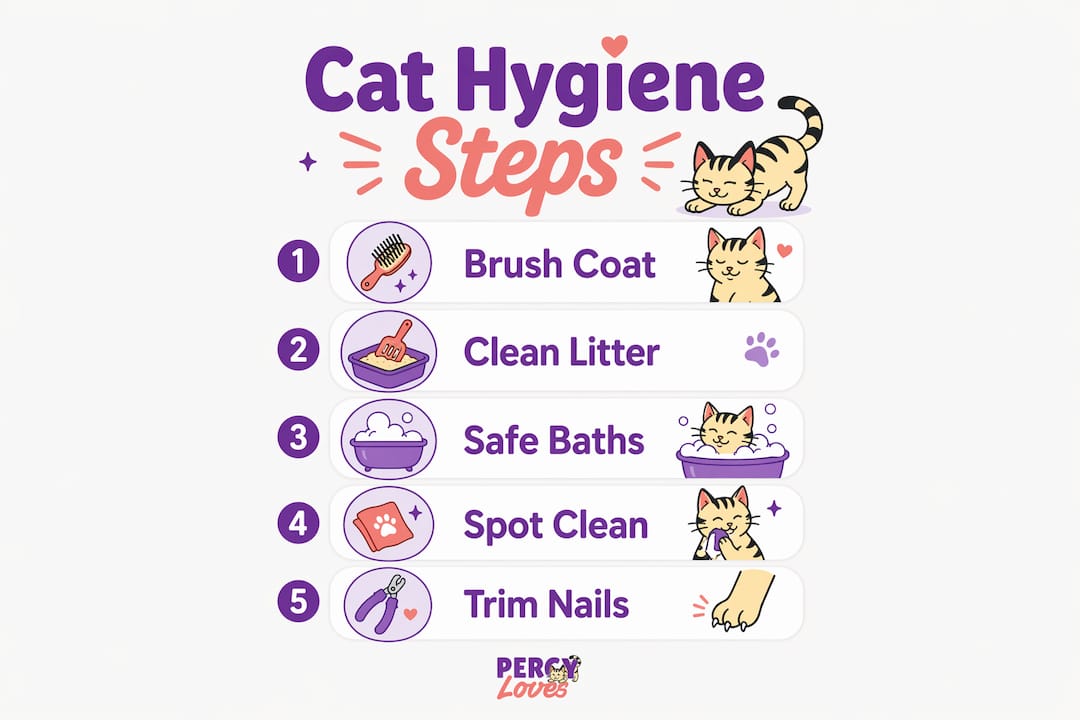
Keeping a cat clean is defined as maintaining a regular routine of brushing, litter box care, spot cleaning, and selective bathing to support your cat’s health, comfort, and coat condition. Cats are naturally self-grooming animals, but that instinct only goes so far. Hairballs, matted fur, dirty paws, and litter box odors are all signs that your cat needs a little backup from you. The good news? With the right cat grooming tips and a consistent schedule, you can keep your feline feeling fresh without turning every session into a battle. Tools like flea combs, hypoallergenic shampoos, and pet-safe wipes make the whole process easier and safer for both of you.
How to keep your cat clean with a regular brushing routine
Brushing is the single most impactful thing you can do for your cat’s hygiene. It removes loose hair, prevents painful mats, reduces hairballs, and gives you a chance to spot skin issues early. According to International Cat Care, cats should be groomed at least weekly, starting sessions when they are calm and relaxed.
The right frequency depends on coat type. Short-haired cats do well with a weekly brush. Long-haired breeds like Maine Coons or Persians need daily attention to prevent tangles. Brushing frequency by coat type is one of the most overlooked details in cat hygiene, and skipping it leads to mats that are painful and difficult to remove.
Start every grooming session with a flea comb. Running it through your cat’s coat before the brush lets you check for fleas or flea dirt before they become a bigger problem. According to PetMD, flea combing doubles as a diagnostic tool to verify whether your flea prevention treatment is actually working. Use two passes and rinse the comb between uses.
Here are the core brushing habits that make a real difference:
- Start when your cat is sleepy or relaxed. A cat fresh from a nap is far more cooperative than one mid-zoomies.
- Keep sessions short. Aim for 5 to 10 minutes maximum to avoid stress and build tolerance over time.
- Reward calm behavior. A small treat after each session teaches your cat that grooming is safe and even enjoyable.
- Never force it. Forcing grooming creates fear and makes future sessions harder. Stop if your cat shows signs of stress.
- Avoid scissors on mats. Severe mats should be handled by a professional groomer or vet, and in serious cases may require sedation for safe removal.
Pro Tip: If your cat resists the brush, try a grooming glove first. Many cats accept the glove as petting, which lets you ease them into a full brushing routine over a few weeks.
How does litter box cleanliness affect your cat’s hygiene?
A dirty litter box is one of the fastest ways to undermine all your other cat hygiene practices. Cats are clean by nature, and a neglected box leads to avoidance, accidents outside the box, and persistent odors throughout your home.
Daily scooping is the baseline, with twice-daily scooping recommended for homes with multiple cats. That single habit removes waste before odors set in and keeps your cat willing to use the box consistently. High-quality clumping litter makes scooping faster and more thorough, since it traps moisture and odor in tight clumps rather than spreading through the box.
Daily scooping alone is not enough. Regular deep cleaning removes residue and odors that scooping simply cannot reach. For clumping litter, a full deep clean every two to four weeks is the standard. For non-clumping litter, do it weekly. If odors persist even after scooping, that is a sign you need to increase deep cleaning frequency, not just scoop more often.
Follow these steps for a thorough litter box deep clean:
- Empty the box completely and dispose of all used litter.
- Rinse the box with warm water to loosen any stuck residue.
- Scrub with mild, unscented dish soap and a dedicated brush.
- Rinse thoroughly. Any soap residue can deter your cat from using the box.
- Dry completely before adding fresh litter.
For litter box placement, choose a quiet, well-ventilated spot away from your cat’s food and water. Cats prefer privacy, and a box placed in a high-traffic area often gets avoided. For more on setting up the right litter environment, the litter box training guide from Percyloves covers placement and training in detail.
When and how to bathe a cat safely
Most cats do not need frequent baths, and bathing too often can actually strip the natural oils from their skin and coat. According to PetMD, you should avoid bathing more than every 4 to 6 weeks unless a vet prescribes it for a skin condition. For most healthy indoor cats, a bath is only needed when they get into something dirty, sticky, or potentially toxic.
Signs your cat needs a bath include visible dirt or grease on the coat, a strong odor that brushing does not resolve, or a vet recommendation for a medicated wash. Self-grooming handles most situations, so focus on brushing and litter care as your primary hygiene tools rather than defaulting to a bath.
When a bath is necessary, follow these steps to keep it calm and safe:
- Clip your cat’s nails before the bath to reduce scratching during the process.
- Gather supplies first: a non-slip mat, a cup for rinsing, a towel, and a cat-specific hypoallergenic shampoo. Never use baby shampoo or human products.
- Fill the sink or tub with a few inches of warm water before bringing your cat in.
- Wet your cat gently from the neck down, avoiding the face and ears.
- Apply a small amount of shampoo and lather gently, working from neck to tail.
- Rinse thoroughly. Shampoo residue causes skin irritation and encourages your cat to over-groom.
- Wrap your cat in a warm towel immediately and dry as much as possible. A damp coat can mat quickly in long-haired cats.
If your cat becomes highly stressed during bathing, stop and consult a professional groomer or your vet. Forcing a bath on a panicked cat risks injury to both of you and can create lasting negative associations with handling.
Pro Tip: Keep the bathroom warm and quiet before you start. A cold, echoing room makes cats more anxious. Closing the door and playing soft background noise can make a real difference in how the session goes.
Spot cleaning and daily hygiene: ears, eyes, nails, and teeth
Beyond brushing and bathing, keeping cats clean involves a handful of targeted hygiene tasks that most cat owners underestimate. These small habits prevent bigger health problems down the road.
Pet-safe wipes or a damp cloth work well for spot cleaning your cat’s paws, face, and bottom area on a weekly basis or whenever you notice buildup. Paws pick up litter dust, outdoor debris, and household residue constantly. A quick wipe after outdoor time or litter box use keeps that grime from spreading to your furniture and your cat’s coat.
Here is a simple weekly hygiene checklist to keep your cat in top shape:
- Ears: Inspect weekly for dark discharge, odor, or redness. Use a cotton ball with a vet-approved ear cleaner to wipe the outer ear only. Never insert anything into the ear canal.
- Eyes: Gently wipe away any crust or discharge with a damp cotton ball, using a fresh one for each eye to avoid cross-contamination.
- Nails: Trim every 10 to 14 days using cat-specific nail clippers. Trimming nails on schedule prevents snagging, reduces furniture damage, and makes handling easier.
- Teeth: Brush three to five times per week using a cat-safe toothpaste. Never use human toothpaste, which contains fluoride and xylitol, both toxic to cats. Dental treats and water additives can supplement but do not replace brushing.
Pro Tip: Introduce nail trimming and tooth brushing gradually, one paw or one tooth at a time. Cats accept new handling routines much better when you build up slowly over two to three weeks rather than attempting the full routine on day one.
For a deeper look at cat grooming routines that cover all these hygiene areas, the Percyloves blog has a practical guide worth bookmarking.
Key takeaways
Keeping a cat clean requires consistent brushing, daily litter box scooping, targeted spot cleaning, and selective bathing only when genuinely needed.
| Point | Details |
|---|---|
| Brush by coat type | Short-haired cats need weekly brushing; long-haired cats need daily attention to prevent mats. |
| Scoop the litter box daily | Daily scooping plus a deep clean every two to four weeks prevents odors and keeps cats using the box. |
| Bathe only when necessary | Limit baths to every four to six weeks at most; over-bathing strips natural skin oils. |
| Spot clean weekly | Use pet-safe wipes on paws, face, and bottom to manage daily grime between full grooming sessions. |
| Build habits gradually | Short sessions, calm environments, and consistent rewards make grooming stress-free for both cat and owner. |
What I have learned from years of grooming a cat with opinions
I will be honest: my cat did not enjoy being groomed when we first started. She would flatten her ears, flick her tail, and occasionally remind me that she had claws. What changed everything was shortening the sessions dramatically and treating every calm moment like a win.
The biggest mistake I see cat owners make is trying to do too much at once. A full brush, nail trim, and ear check in one sitting is too much for most cats, especially early on. Breaking it into separate short sessions across the week changed our whole dynamic. Now grooming is just part of our routine, and she actually comes to me for the brush.
Litter box maintenance is the hygiene step I take most seriously. A clean box is not just about odor. It is a direct signal to your cat that their space is safe and cared for. I scoop twice a day without exception, and I do a full deep clean every two weeks. That single habit has done more for home freshness than anything else I have tried.
For odors that linger around the litter area or on furniture, I reach for Percyloves Pal Furresher. It is fragrance-free and enzyme-free, which matters a lot to me because I do not want to spray anything near my cat that could irritate her skin or make her avoid her favorite spots. It tackles odors at the source rather than covering them up, and because it is lick-safe, I never worry if she walks through a freshly sprayed area.
The one thing I wish someone had told me earlier: know when to call a professional. If your cat has severe mats, extreme stress during grooming, or persistent skin issues, a professional groomer or vet visit is the right call. There is no shame in it. Your cat’s comfort always comes first.
— Kathy
Keep your home fresh with Percyloves Pal Furresher
Even with the best grooming routine, cat odors happen. Litter boxes, bedding, and favorite lounging spots can hold onto smells that regular cleaning does not fully address.

Percyloves Pal Furresher is a fragrance-free, enzyme-free odor eliminator that works by bonding to odor molecules and eliminating them at the source on contact. It contains no harsh chemicals and is completely lick-safe, making it ideal for homes with cats who groom themselves after lounging on treated surfaces. You can spray it around the litter box area, on bedding, or on furniture without worrying about your cat’s safety. For a safe and effective way to eliminate pet odors at home, the 4 oz Pal Furresher is a great place to start. Need more coverage? The 16 oz and 4 oz bundle keeps you stocked for the whole home.
FAQ
How often should I groom my cat at home?
Brush short-haired cats weekly and long-haired cats daily. Trim nails every 10 to 14 days, clean ears weekly, and brush teeth three to five times per week for complete cat hygiene.
Do cats really need baths?
Most cats do not need regular baths. Bathing is only recommended when a cat is visibly dirty, has gotten into something harmful, or a vet prescribes it for a skin condition.
How do I keep the litter box from smelling?
Scoop daily and do a full deep clean every two to four weeks for clumping litter. If odors persist, increase deep cleaning frequency rather than just scooping more often.
What can I use to spot clean my cat between baths?
Pet-safe wipes or a damp cloth work well for cleaning paws, the face, and the bottom area. Target these spots weekly or whenever you notice visible dirt or buildup.
How do I get rid of cat odors safely around my pet?
Use a fragrance-free, enzyme-free odor eliminator like Percyloves Pal Furresher, which is lick-safe and non-toxic. For more safe odor elimination methods around cats, the Percyloves blog covers pet-safe options in detail.


