

Why Your Dog Smells and How to Fix It for Good
TL;DR:
- Dog odor primarily results from microbes, natural oils, and biological processes on their skin and coat. Persistent or strong smells often indicate underlying health issues like infections, yeast overgrowth, or allergies that require veterinary attention. Regular grooming, appropriate cleaning products, and consistent home hygiene effectively reduce odors and maintain a fresh environment.
Dogs smell like a dog because of microbes, natural oils, and biological processes that are completely normal. Yeast and bacteria live on every dog’s skin and coat, and those microbes release odor compounds constantly. When those smells become overwhelming or persistent, something specific is usually driving it. This guide covers the real reasons behind dog odor, how to groom and clean effectively, and the safest ways to keep your home smelling fresh without harsh chemicals or products that can make things worse.
Why does your dog smell like a dog?
The science behind that familiar dog scent is straightforward. Microbes on the skin produce odor compounds that interact with water, which is exactly why wet dog smell is so intense. Moisture releases those trapped compounds all at once, hitting your nose in a wave. Thorough drying after baths or rainy walks makes a real difference.
Dogs also produce natural skin oils that protect their coat. Those oils trap environmental debris, dead skin cells, and more microbes over time. The result is a buildup that smells stronger the longer it sits. This is normal dog biology, not a sign that something is wrong.
What separates normal dog scent from a real odor problem is intensity and persistence. A dog that smells faintly earthy after a walk is fine. A dog that smells strongly even after a bath, or that has a sour, musty, or fishy odor, is telling you something more specific is going on.
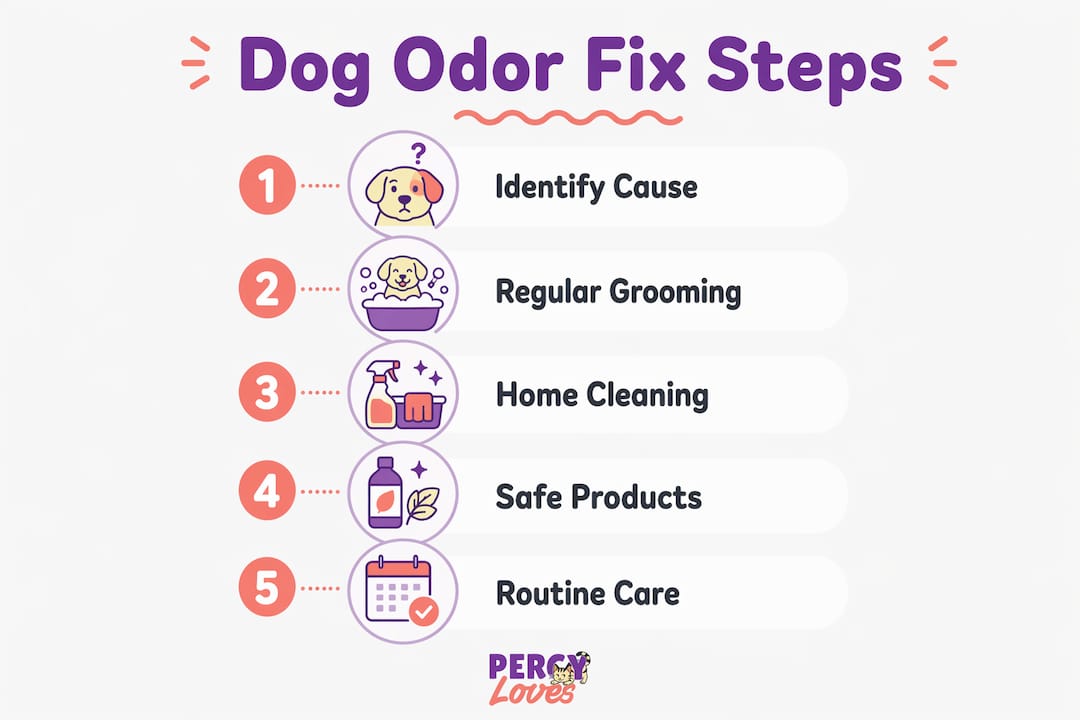
What causes a dog to smell worse than normal?
Several specific triggers push dog odor from manageable to unpleasant, and most of them have clear solutions once you identify the source.
- Yeast overgrowth. Malassezia yeast on the skin and paws produces a distinct musty or corn chip smell. Allergies that cause licking and moisture create the perfect conditions for yeast to multiply. This is one of the most common reasons dog paws smell so strongly.
- Bacterial skin infections. Recurring odors with redness, itching, or skin lesions almost always signal an infection that needs veterinary care. Bathing helps temporarily, but the smell returns quickly because the underlying problem is still active.
- Ear infections. Dog ears trap moisture and warmth, making them a prime spot for bacterial and yeast growth. A sweet, yeasty, or foul smell coming from the ears is a clear sign to visit your vet.
- Anal gland issues. Dogs have two small scent glands near the base of the tail. When these glands become impacted or infected, they release a very strong, fishy odor. Scooting on the floor is a common sign.
- Skin folds and heavy coats. Breeds like Bulldogs, Shar-Peis, and Basset Hounds trap moisture in their skin folds. That trapped moisture feeds microbial growth and produces strong odors fast.
- Diet and digestion. What your dog eats affects how they smell. Poor-quality food, food sensitivities, or digestive issues can contribute to bad breath, gas, and even skin odor.
Pro Tip: If your dog’s odor returns within a day or two of bathing, that is a strong signal to schedule a vet visit. Recurring odors that bounce back quickly almost always point to an unresolved health issue, not a grooming problem.
How to safely bathe and groom your dog to reduce odor
A consistent grooming routine is the most reliable way to manage dog odor at the source. Here is a practical approach that protects your dog’s skin while keeping smells under control.
- Choose the right shampoo. Use a shampoo formulated for dogs, not humans. Oatmeal or sensitive skin shampoos support skin health and reduce irritation. They also help control the microbial environment without stripping protective oils.
- Bathe at the right frequency. Most dogs do well with a bath every four to six weeks. Over-bathing strips natural oils, which triggers more oil production and can actually worsen odor over time.
- Dry thoroughly every time. This step is non-negotiable. Wet fur left to air dry slowly creates the perfect environment for microbial odor to build. Use a towel first, then a low-heat blow dryer if your dog tolerates it. Pay extra attention to skin folds, ears, and the belly.
- Brush regularly between baths. Brushing removes dead hair, distributes skin oils evenly, and reduces the buildup that traps odors. For double-coated breeds like Golden Retrievers or Huskies, brushing several times a week makes a noticeable difference.
- Clean ears and paws consistently. Wipe paws after outdoor time and check ears weekly. Catching moisture or debris early prevents the conditions that lead to yeast and bacterial growth.
Pro Tip: For dogs with healthy skin care needs, a simple wipe-down with a damp cloth between baths keeps surface oils and debris from building up without disrupting the skin’s natural balance.
How to clean your home and eliminate dog smells for good
Grooming handles the dog. Cleaning handles everything the dog touches. These two tracks together are what lasting odor control actually requires.
Carpets and upholstery hold odor longer than any other surface in your home. Dog oils, dander, and any urine accidents soak into fibers and stay there. Baking soda is a solid first step: sprinkle it generously, let it sit for 15 to 30 minutes, then vacuum thoroughly. It absorbs surface odors well as a temporary measure.
For deeper odor removal, use a non-toxic, oxidizing odor eliminator that works at the molecular level. Oxidizing cleaners act faster than other options and do not require long dwell times to be effective. Spray the affected area, allow proper contact time, and blot dry rather than soaking the surface.
One thing to avoid: steam cleaning urine stains. Heat bonds uric acid crystals to carpet fibers permanently, making the odor nearly impossible to remove later. Uric acid is chemically stable and reactivates with humidity, which is why some spots smell worse on rainy days even after cleaning.
Here is a quick reference for the most common surfaces:
| Surface | Best approach | Frequency |
|---|---|---|
| Carpets and rugs | Baking soda soak, then vacuum; follow with odor eliminator spray | Weekly in high-traffic pet areas |
| Upholstered furniture | Vacuum, then spray with non-toxic odor eliminator | Every 1 to 2 weeks |
| Dog bedding | Hot water wash with pet-safe detergent | Weekly |
| Hard floors | Damp mop with pet-safe cleaner | 2 to 3 times per week |
| Dog toys and collars | Hand wash or machine wash per material | Every 1 to 2 weeks |
Pro Tip: Always check that dwell time and rinsing are complete before considering a spot treated. Rushing the process is the most common reason odors return.
Why enzyme-free products are the smarter choice for pet homes
Not all odor eliminators work the same way, and the differences matter for pet safety and effectiveness.
Some cleaning products rely on biological agents that need extended moisture and dwell time to break down odor molecules. The problem is that added moisture can cause odors to wick back up through carpet padding, reactivating smells you thought were gone. For homes with sensitive pets or dogs prone to licking surfaces, those products also raise safety concerns.
Enzyme-free, non-toxic odor eliminators take a different approach. They bond directly to odor molecules and eliminate them on contact, without adding excess moisture or leaving behind residues. This means faster results and no risk of odors returning because of moisture wicking.
Percyloves Pal Furresher is built exactly on this principle. It is fragrance-free and enzyme-free, which means it does not mask odors and does not rely on biological agents that need time to activate. It works the moment it contacts the odor source. It is also lick-safe and non-toxic, so you do not have to worry about your dog walking across a freshly treated floor or sniffing a sprayed cushion.
For pet parents who want to clean dog smells without introducing new risks, enzyme-free is the standard that makes sense. It is safer for sensitive pets, faster in practice, and does not create the secondary moisture problems that other products can cause.
Daily and weekly habits that keep your dog and home fresh
Consistency beats intensity every time when it comes to managing pet odor. A few simple habits done regularly prevent the buildup that makes odors feel overwhelming.
- Dry your dog after every wet outing. Rain, puddles, swimming, and even heavy dew are enough to trigger wet dog smell. Keep a dedicated dog towel by the door and use it every single time.
- Brush your dog at least twice a week. Regular brushing removes the oils and dead hair that trap odors between baths. It also gives you a chance to spot any skin changes early.
- Wash bedding weekly. Dog beds absorb oils, dander, and moisture faster than any other surface. Hot water washing removes what surface cleaning misses.
- Vacuum pet areas three times a week. Carpets and rugs in dog zones collect hair and dander quickly. Frequent vacuuming keeps the load manageable and reduces background odor.
- Spot treat accidents immediately. The faster you treat a urine or mess spot, the less time odor compounds have to bond to fibers. Keep a safe odor eliminator spray within reach for quick response.
- Use an air purifier with an activated carbon filter. Carbon filters capture airborne odor molecules rather than just circulating them. Place one in the main room your dog uses for the most noticeable difference.
- Clean collars and toys regularly. These items get handled constantly and rarely get washed. A quick hand wash every week or two removes a surprising amount of accumulated odor.
For a deeper look at building these routines into your week, the dog odor prevention guide at Percyloves covers safe, practical methods that work for real pet homes.
Key takeaways
Effective dog odor control requires addressing both the dog’s health and the home environment together, using safe, enzyme-free products that eliminate odors at the source rather than masking them.
| Point | Details |
|---|---|
| Odor source is microbial | Yeast and bacteria on skin and fur produce the compounds that make dogs smell. |
| Persistent odor signals a health issue | Recurring smells after bathing point to infections or allergies that need veterinary attention. |
| Grooming routine matters | Regular baths, thorough drying, and brushing reduce microbial buildup and surface odor. |
| Home cleaning needs the right product | Oxidizing, enzyme-free sprays eliminate odors faster and safer than moisture-heavy alternatives. |
| Consistency prevents buildup | Daily drying, weekly bedding washes, and regular vacuuming stop odors before they take hold. |
What I’ve learned from living with a smelly dog (and a funky cat)
I used to think the answer to dog odor was more baths. More shampoo. More sprays. What I actually learned is that more is rarely the answer. Over-bathing dries out the skin, which triggers more oil production, which creates more odor. It is a cycle that feels productive but goes nowhere.
The shift that made the biggest difference for me was focusing on drying and consistency rather than frequency. Getting every fold and thick patch of fur completely dry after a bath or a walk cut down on that lingering wet smell more than any shampoo change ever did. It sounds obvious, but it is the step most people rush.
I also stopped reaching for heavily scented sprays when something smelled off. Masking an odor is not the same as removing it, and strong fragrances on top of pet smells just create a different kind of unpleasant. Switching to a fragrance-free, enzyme-free option like Percyloves Pal Furresher changed how I thought about odor control entirely. It does not smell like anything because it actually removes the problem rather than covering it.
The other thing I wish someone had told me earlier: if your dog smells bad consistently, check with your vet before trying more products. Skin infections, yeast overgrowth, and ear issues will not respond to grooming alone. Treating the root cause is always faster and less frustrating than chasing the symptom.
— Kathy
Keep your home fresh with Percyloves Pal Furresher
You have done the work of understanding why your dog smells and how to address it. Now you need a product that can keep up with real pet life.
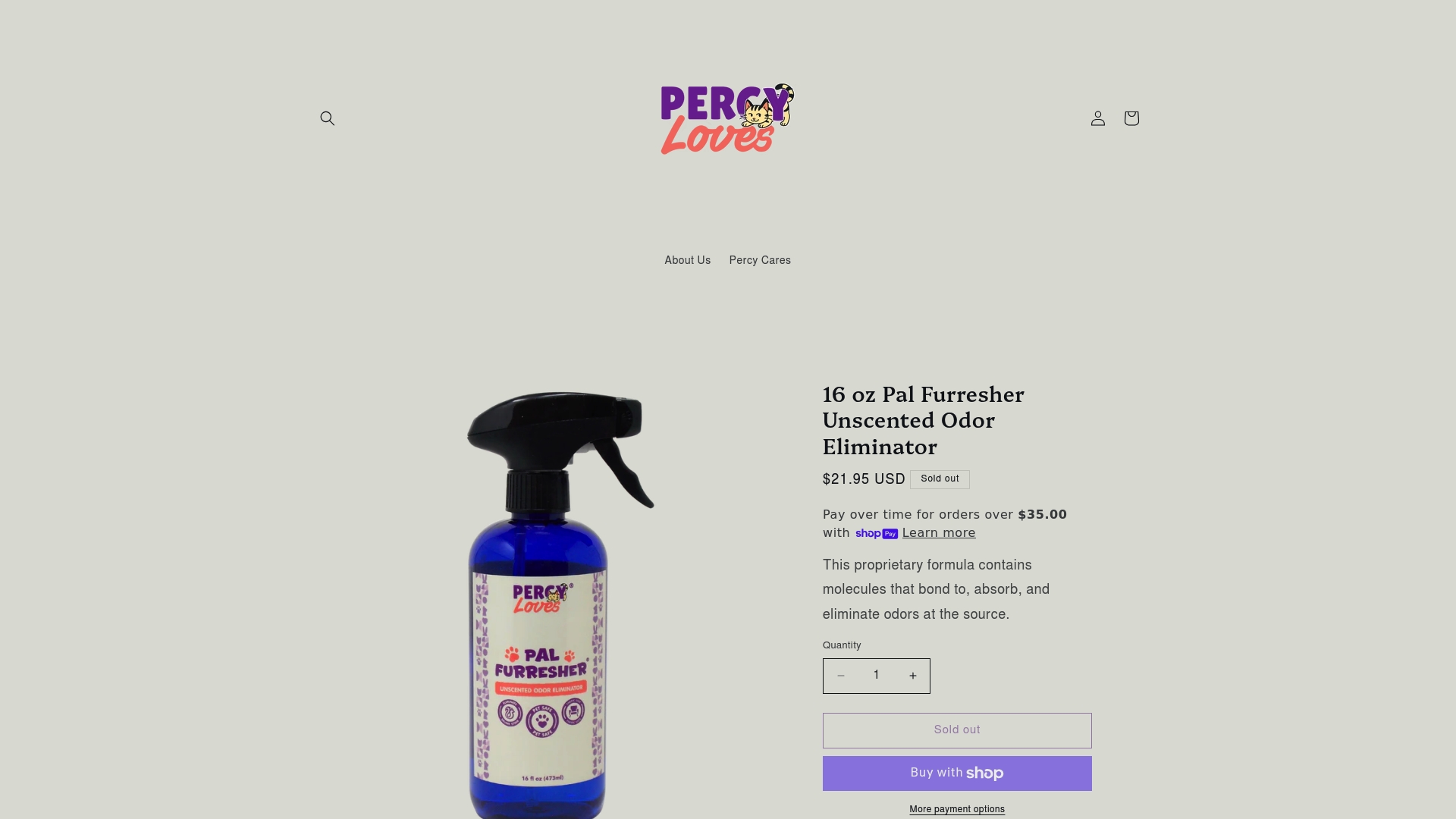
Percyloves Pal Furresher is a fragrance-free, enzyme-free odor eliminator that bonds to odor molecules and eliminates them on contact. No masking. No harsh chemicals. No enzymes. It is lick-safe and non-toxic, so it is completely safe for curious dogs and sensitive pets. The 4 oz Pal Furresher is perfect to keep by the door or on the couch for quick spot treatments, and the 16 oz size is great for tackling bedding, carpets, and larger spaces. Give your home the fresh start it deserves.
FAQ
Why does my dog smell even after a bath?
If your dog smells bad shortly after a bath, the cause is usually an underlying skin infection, yeast overgrowth, or allergy rather than a grooming issue. Recurring odors that return quickly after bathing need veterinary evaluation, not more frequent washing.
What is the fastest way to get dog smell out of a couch?
Sprinkle baking soda on the cushions, let it sit for 15 to 30 minutes, vacuum it up, then follow with a non-toxic, enzyme-free odor eliminator spray. This two-step approach removes surface odor and treats the source without soaking the fabric.
Why do my dog’s paws smell like corn chips?
That corn chip smell comes from Malassezia yeast that naturally lives on dog paws. Allergies and moisture from licking make it worse. Regular paw cleaning and addressing any underlying allergies with your vet keeps it manageable.
Is it safe to spray odor eliminators where my dog sleeps?
Yes, as long as the product is non-toxic and lick-safe. Percyloves Pal Furresher is specifically formulated to be safe for pets, including on surfaces they contact directly. Always avoid products with harsh chemicals or strong fragrances in areas your dog uses regularly.
How often should I wash my dog’s bedding to control odor?
Washing dog bedding in hot water once a week removes the oils, dander, and moisture that build up and cause persistent odor. For dogs with skin conditions or heavy shedding, washing twice a week gives better results.


