

Essential safe habits for fur babies: protect your pets
TL;DR:
- Pet owners must proactively pet-proof their homes to prevent common toxic exposures, like medications and plants.
- Maintaining vigilance over household chemicals, foods, and toys significantly reduces injury and poisoning risks for pets.
- Establishing routine safety checks and using trusted, pet-safe products helps ensure your fur baby’s ongoing protection.
Every year, thousands of pet owners face a scary reality: their fur baby got into something they shouldn’t have. In 2025, ASPCA Poison Control received calls about over 376,000 pet toxin exposures, with the top categories being over-the-counter medications, food and drink hazards like grapes and xylitol, chocolate, and veterinary products. That’s an enormous number, and most of those calls came from loving, well-meaning pet owners who just didn’t know what to look for. The good news is that the right habits, applied consistently, can protect your pets from the most common dangers hiding right inside your home.
Table of Contents
- Pet-proofing your home: the foundation of safety
- Hidden household hazards: what to keep away from pets
- Smart feeding: foods to avoid and safe treat habits
- Safe play, exercise, and pet products: choosing wisely
- Emergency readiness: what to do if something goes wrong
- Why safe habits for fur babies demand more than quick fixes
- Keep your fur baby safe with trusted products
- Frequently asked questions
Key Takeaways
| Point | Details |
|---|---|
| Pet-proof every space | Systematically remove or secure hazards in each room for lasting pet safety. |
| Store toxins safely | Keep medications, cleaners, and dangerous foods locked away and labeled at all times. |
| Choose safe products | Opt for non-toxic, durable toys and cleaning solutions to avoid accidental harm. |
| Know emergency basics | Learn fast response steps in case of poisoning or injury—your preparation can save lives. |
| Safety is ongoing | Regularly review and update habits as your pet and home environment change. |
Pet-proofing your home: the foundation of safety
With the need for proactive habits established, let’s start at home: setting up a secure environment is step one for every caring pet owner.
Pet-proofing isn’t just for new puppy or kitten owners. It’s an ongoing practice that every fur baby parent needs to revisit regularly. Pets are curious by nature. They sniff, chew, and explore everything within reach. And what seems harmless to you can be a serious hazard for them.
The numbers back this up. 50 to 75% of exposures are manageable at home when caught early, which means that fast action and prevention really do make a difference. For cat safety tips at home and dogs alike, the approach is the same: secure everything before your pet finds it.
Here’s a quick room-by-room checklist to get started:
- Kitchen: Lock lower cabinets, store food out of reach, secure trash cans with latches
- Bathroom: Keep toilet lids closed, store medications in medicine cabinets, lock cleaning products away
- Living room: Hide electrical cords, remove toxic houseplants, pick up small objects from the floor
- Garage: Store antifreeze, pesticides, and tools in locked cabinets; never leave these on low shelves
- Laundry room: Keep detergent pods locked up; these are extremely toxic and smell sweet to pets
Baby gates work especially well for blocking off stairs or rooms that aren’t fully pet-proofed yet. Crate training for puppies is also a reliable way to keep them safe when you can’t supervise directly. And checking out our dog friendly home safety guide gives you a detailed starting point for every room in the house.
The goal of preventing pet injuries isn’t to bubble-wrap your home. It’s to remove the most likely risks so your pet can explore freely without running into danger at every turn.
Pro Tip: Do a full crawl-level walk-through of your home. Get down on your hands and knees and look at each room from your pet’s point of view. You’ll be surprised what catches your eye.
Hidden household hazards: what to keep away from pets
Once your home is secure, vigilance continues with the substances your pets might encounter every day.
Most pet owners know that chocolate is bad for dogs. But the full list of household hazards goes much deeper than that, and some of the most dangerous items are the ones we use every single day without thinking twice.
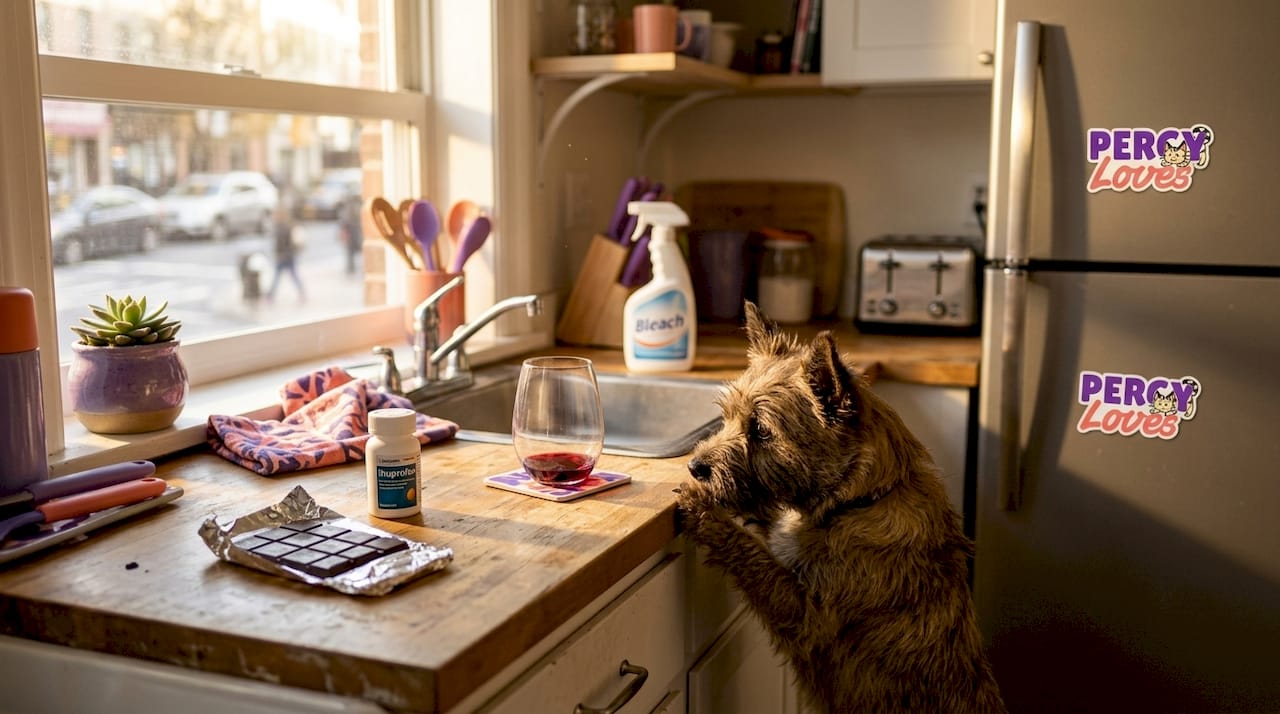
Cleaning products are a major concern. Bleach and drain cleaners can cause skin irritation, burns, and serious gastrointestinal issues if ingested by pets. Even residue left on floors or counters after cleaning can be licked up by a curious cat or dog. That’s why choosing pet-safe cleaning products matters so much, and why you should always let surfaces dry fully before letting your pet back into the room.
Medications are another top threat. Ibuprofen, acetaminophen, and even certain pet medications in excess are among the top causes of poisoning calls every year. A dropped pill on the floor is all it takes. Always store all medications, including vitamins and supplements, in a closed cabinet that your pet cannot access.
Plants deserve a closer look too. Lilies are deadly for cats, capable of causing kidney failure even in small amounts. Onions also climbed to the number five spot for dogs on the top poisons list in 2025. Keep all plants identified and research their toxicity before bringing any new one into your home.
Here’s a quick reference of things to lock away immediately:
- Ibuprofen and acetaminophen
- All prescription and over-the-counter medications
- Bleach, drain openers, toilet bowl cleaners
- Laundry detergent pods
- Grapes, raisins, onions, garlic, xylitol, and chocolate
- Any plant you haven’t researched for pet safety
| Hazardous item | Why it’s dangerous | Safer alternative |
|---|---|---|
| Bleach-based cleaners | Burns, GI damage if ingested | Fragrance-free, pet-safe sprays |
| Ibuprofen/acetaminophen | Organ failure even in small doses | Vet-approved pain relief only |
| Lily plants | Kidney failure in cats | Pet-safe plants like spider plants |
| Grapes and raisins | Kidney failure in dogs | Blueberries (in moderation) |
| Xylitol (in gum, candy) | Rapid hypoglycemia, liver failure | Fresh water and vet-approved treats |
Pro Tip: Label one shelf or cabinet in your home as “pet-safe.” Keep all the products your pet might encounter there, and store everything else out of reach. This makes it easy to grab what you need without second-guessing yourself. Our chemical safety guide and dog safe home cleaning guide can help you stock that shelf with confidence.
Smart feeding: foods to avoid and safe treat habits
Beyond what’s in plain sight, the foods you offer or leave accessible are a key safety line.
Treats are love. We get it. But not every food that’s safe for humans is safe for your fur baby. Some of the most dangerous foods for pets are ones we eat every day without a second thought.
Chocolate contains methylxanthines that cause vomiting, seizures, and in large amounts, death in dogs. Grapes and raisins can cause sudden kidney failure. Onions and garlic damage red blood cells, causing anemia. Xylitol, found in sugar-free gum, candy, and even some peanut butters, causes rapid blood sugar drops and liver failure.
| Toxic food | Why it’s dangerous | Symptoms to watch for |
|---|---|---|
| Chocolate | Methylxanthines cause vomiting and seizures | Restlessness, muscle twitching, seizures |
| Grapes/raisins | Cause kidney failure | Vomiting, lethargy, reduced urination |
| Onions/garlic | Destroy red blood cells | Weakness, pale gums, reduced appetite |
| Xylitol | Hypoglycemia and liver failure | Trembling, vomiting, jaundice |
| Macadamia nuts | Cause weakness and fever | Wobbly walk, fever, swollen limbs |
Safe treats do exist. Unsalted peanut butter (xylitol-free), plain cooked chicken, blueberries, and carrots are generally well-tolerated by most dogs. That said, every pet is different. Some breeds have sensitivities that others don’t.
Here’s how to introduce any new food safely:
- Start with a tiny amount, about the size of your thumbnail
- Wait 24 hours and watch for any reaction like itching, vomiting, or loose stools
- If all looks good, you can offer it again in a slightly larger portion
- Gradually increase the amount over several days
- If any symptoms appear at any stage, stop immediately and contact your vet
Pro Tip: Always check the ingredient list on peanut butter and any treat products before sharing. Xylitol hides under different names, including “birch sugar.” When in doubt, ask your vet before introducing something new.
Safe play, exercise, and pet products: choosing wisely
Feeding is just one piece; what your pet plays with and how you engage with them influences safety every day.
A safe toy isn’t just about being fun. It also means it won’t fall apart into small pieces your pet can swallow, won’t have toxic coatings, and is the right size for your pet’s mouth and play style. Non-toxic, durable toys matched to your pet’s size and age are the gold standard, and you should inspect them regularly for wear and tear.
Here’s what to look for when choosing toys and gear:
- No small parts that can be chewed off and swallowed
- Non-toxic materials with no BPA, phthalates, or chemical coatings
- Appropriate size for your pet (a toy too small is a choking risk)
- Durability matched to your pet’s chewing strength
- Easy to clean so bacteria doesn’t build up over time
Exercise is also part of the safety equation. A pet that gets enough physical activity is less likely to engage in destructive behaviors out of boredom, like chewing on electrical cords or digging into the trash. Regular walks, play sessions, and mental stimulation keep your fur baby both physically and mentally healthy.
When it comes to products beyond toys, always prioritize safety first. Our guide to non-toxic pet products covers what to look for when shopping for everything from bedding to grooming supplies.
Pro Tip: Rotate toys every week or two. Fresh options keep your pet engaged without requiring you to buy new items constantly. And always supervise the first play session with any new toy, no matter how safe it looks on the packaging.
Emergency readiness: what to do if something goes wrong
Even with the best habits, every owner should be prepared for the unexpected.
Knowing what to do in a pet emergency can genuinely save a life. The first few minutes matter most. Staying calm, acting quickly, and calling the right people makes all the difference.
“In emergencies, check the ABC: airway, breathing, and circulation. Muzzle if needed (but not for chest injuries), flush burns with cool water, apply pressure to bleeding wounds, and call your vet immediately.” — Merck Veterinary Manual
Here’s what to do if you think your pet has ingested something toxic or been injured:
- Stay calm. Your pet picks up on your stress, which can make things worse
- Remove your pet from the hazard immediately if it’s safe to do so
- Check their airway, breathing, and circulation (the ABCs)
- Do not induce vomiting unless a vet or poison control specifically instructs you to
- Gather information: what did they eat, how much, and when?
- Call the ASPCA Poison Control Center at (888) 426-4435 or your nearest emergency vet
- Follow instructions exactly and get your pet to professional care as quickly as possible
Keep these numbers somewhere easy to find, like on your fridge or saved in your phone contacts:
- ASPCA Animal Poison Control Center: (888) 426-4435
- Pet Poison Helpline: (855) 764-7661
- Your personal vet’s number
- Nearest 24/7 emergency vet clinic
That last one is critical. Know where your closest 24-hour emergency animal clinic is before you ever need it. Searching in a panic wastes precious time.
Why safe habits for fur babies demand more than quick fixes
Here’s something we at Percy Loves feel strongly about: pet safety isn’t a purchase. It’s a practice.
It’s tempting to buy a few cabinet locks, put some gates up, and call it done. But the reality is that most pet hazards don’t come from one dramatic moment. They come from routine. The pill that fell during your morning rush. The plant you forgot to move after rearranging the living room. The cleaning spray left on the counter after a quick wipe-down.
Changing seasons bring new hazards too. In winter, antifreeze spills in driveways become a major risk. In spring, new plants and lawn chemicals appear. In fall, certain mushrooms pop up in yards. And any time you bring a new item into your home, from furniture to a new food product, it deserves a quick safety check.
The most underestimated risk of all is comfort. When things go well for a long stretch, it’s easy to let your guard down. That’s when accidents happen.
We think the solution is to make safety a routine, not a reaction. Schedule monthly “pet safety audits” of your home. Walk through each room, check your storage, swap out any damaged toys, and refresh your awareness of what’s in reach. It takes twenty minutes and can prevent a very scary, very expensive emergency.
The pet-safe home solutions you choose matter too. When the products in your home are genuinely safe for your fur baby, you remove a whole category of worry from your life. That’s not just good for your pet. It’s good for you.
Pro Tip: Add “pet safety check” as a recurring monthly reminder on your phone. Treat it like changing a smoke alarm battery. It’s one of those habits that feels small until the moment it turns out to be everything.
Keep your fur baby safe with trusted products
Ready to turn safety habits into daily reality? The humans at Percy Loves are here to help you do exactly that.
We built Percy Loves around one belief: your fur baby deserves products that are as safe as they are effective. That’s why everything we create is designed with pet safety at the center, not as an afterthought.
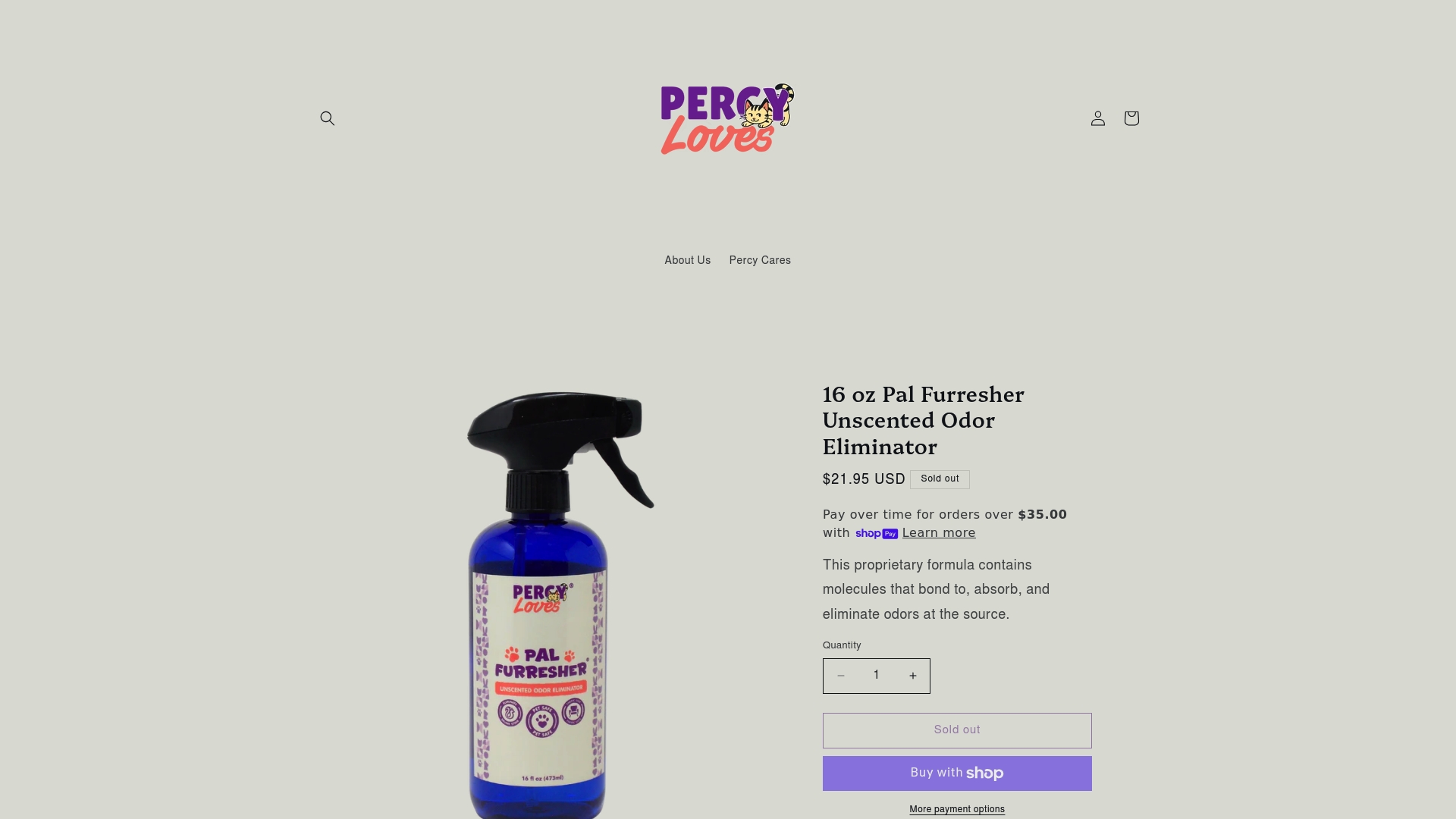
Our hero product, Pal Furresher unscented odor eliminator, is fragrance-free, lick-safe, and built on a proprietary formula that tackles odor at the source rather than just covering it up. No harsh chemicals. No synthetic fragrances that irritate sensitive noses. Just clean, effective odor elimination that fits right into a safe home environment. You can also grab the larger unscented odor remover for whole-home use. Explore everything we offer at Percy Loves and find products that work as hard as you do to keep your fur baby safe.
Frequently asked questions
What are the top household dangers for pets?
The main hazards include medications, cleaners, chocolate, grapes/raisins, onions/garlic, xylitol, and certain plants, specifically lilies for cats which can cause kidney failure even in small amounts.
How do I pet-proof my home quickly?
Secure cabinets, use baby gates, keep toxic substances high and locked, and do a floor-level walkthrough to spot hazards your pet can actually reach.
Which foods are absolutely unsafe for dogs and cats?
Chocolate, grapes/raisins, onions, garlic, and xylitol are highly toxic and should never be fed to pets under any circumstances.
What should I do if my pet eats something toxic?
Call your vet or animal poison control immediately and be ready to share details about what was ingested and how much; check the ABC and never attempt home remedies without expert guidance first.
How can I make playtime safer for my pet?
Choose non-toxic, size-appropriate toys, supervise your pet during initial play with any new item, and inspect toys regularly for damage that could create choking hazards.


