

Dog-friendly home tips: 52,000 injuries prevented yearly
Creating a safe, welcoming home for your dog requires more than love and good intentions. Every year, thousands of pet owners face preventable accidents, injuries, and household damage because they overlook common hazards lurking in everyday spaces. From poisonous plants to unsecured trash cans, your home contains dozens of risks that can harm your furry family member. This guide walks you through practical, room-by-room strategies to dog-proof your living space, manage destructive chewing behavior, choose durable pet-friendly materials, and prevent the injuries that send dogs and their owners to emergency rooms. Whether you’re bringing home a new puppy or reassessing your current setup, these actionable tips will help you build an environment where your dog can thrive safely.
Table of Contents
- Key takeaways
- How to dog-proof your home: key criteria to prioritize
- Room-by-room dog-proofing: practical tips for each area
- Managing chewing and play to reduce damage and injury
- Designing dog-friendly interiors for comfort and durability
- Preventing falls and injuries from dog-related hazards
- Explore safe and effective pet odor eliminators
- What are the most important areas to dog-proof?
Key Takeaways
| Point | Details |
|---|---|
| Trash and chemicals | Prioritize securing unsecured trash, cabinets with cleaning products, and medications to prevent poisoning and injury. |
| Chewing management | Provide durable chew toys and supervision to redirect destructive chewing and protect cords and furniture. |
| Gates and locks | Use gates and cabinet locks to restrict access to dangerous areas and keep pets out of high risk rooms. |
| Floor level checks | Perform floor level checks in each room, photograph hazards to track progress, and adjust safety measures as your dog grows. |
How to dog-proof your home: key criteria to prioritize
Successful dog-proofing starts with understanding what poses the greatest risk to your pet. Room-by-room dog-proofing prioritizes securing trash, chemicals, cords, and small objects to prevent choking, poisoning, and injuries. Rather than attempting to create a perfectly sterile environment overnight, focus on identifying and addressing the most dangerous hazards first.
Common household dangers include unsecured garbage containing toxic foods like chocolate, grapes, or xylitol. Cleaning products, medications, and automotive fluids stored in accessible cabinets represent serious poisoning risks. Electrical cords invite chewing that can cause burns or electrocution. Small objects like coins, batteries, or children’s toys create choking hazards, especially for curious puppies who explore the world with their mouths.
The most effective approach involves systematic assessment of each room. Walk through your home at dog eye level, literally getting down on hands and knees to spot hazards you might miss from standing height. Look for dangling cords, reachable shelves, and gaps where a determined dog might squeeze through. Consider your specific dog’s size, age, and personality. A large breed requires different precautions than a small terrier, and a calm senior dog presents fewer risks than an energetic puppy.
Pro Tip: Take photos of each room from floor level before you start dog-proofing. This visual record helps you spot overlooked hazards and track your progress as you implement dog-friendly home tips throughout your space.
Remember that dog-proofing is ongoing management, not a one-time project. As your dog grows, learns, and changes behavior, you’ll need to adjust your strategies. Puppies eventually stop teething, but adult dogs may develop new habits or health issues that require different accommodations.
Room-by-room dog-proofing: practical tips for each area
Tackling your home systematically ensures you don’t overlook critical spaces. Here’s how to secure each major area:
Kitchen safety measures:
- Install childproof locks on cabinets containing cleaning supplies, medications, and food storage
- Use lidded bins and cabinet locks to prevent access to unsecured trash
- Store sharp knives, scissors, and cooking utensils in closed drawers
- Keep countertops clear of foods toxic to dogs, including onions, garlic, chocolate, and grapes
- Unplug small appliances when not in use to prevent cord chewing
- Use stove knob covers if your dog can reach the range
The kitchen presents concentrated risks because it combines food temptations with dangerous chemicals and tools. Never leave cooking unattended if your dog has kitchen access, and establish a clear boundary using a gate during meal preparation.
Living room and bedroom considerations:
- Secure loose electrical cords behind furniture or use cord covers
- Remove toxic houseplants like lilies, philodendrons, and pothos
- Store remote controls, eyeglasses, and small electronics out of reach
- Use washable throw blankets on furniture to protect upholstery
- Keep human medications in closed nightstand drawers or high shelves
Bathroom precautions:
Bathrooms contain concentrated hazards in small spaces. Keep toilet lids closed to prevent drowning risks for small dogs and to avoid ingestion of cleaning chemicals. Store all toiletries, cosmetics, and medications in closed cabinets. Secure trash cans that might contain dental floss, razors, or cotton swabs. Never leave hair straighteners or curling irons plugged in where cords can be reached.
Stairways and elevated areas:
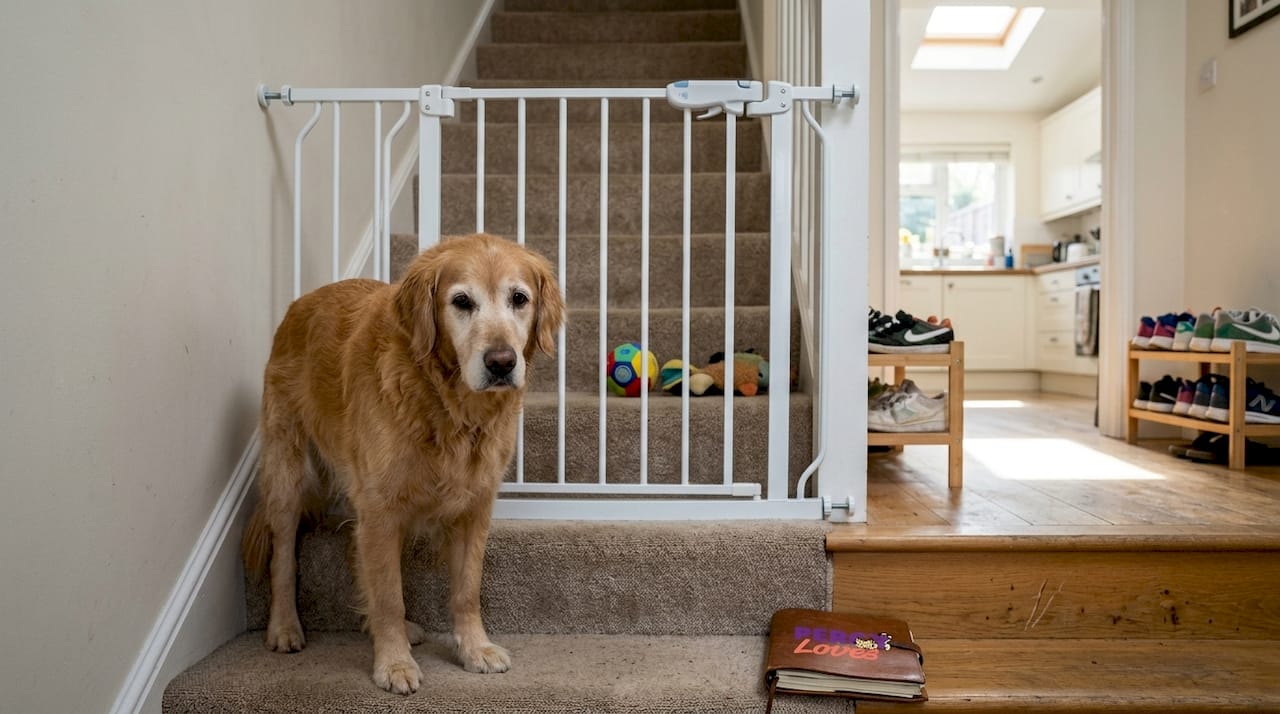
Install sturdy baby gates at both the top and bottom of stairs for puppies and senior dogs with mobility issues. Ensure balcony railings have no gaps wide enough for a dog to slip through. Keep stairways well-lit and free of clutter that could cause trips. For homes with decks or patios, check that fencing is secure with no escape routes.
Garage and outdoor access points:
Garages pose extreme dangers with antifreeze, pesticides, fertilizers, and power tools. Keep your dog completely out of garage spaces, or dedicate a small, secured area if garage access is unavoidable. Store all chemicals on high shelves in locked cabinets. Clean up any automotive fluid spills immediately, as even small amounts of antifreeze can be fatal. Implementing these pet cleaning safety tips protects your dog from toxic exposure.
Managing chewing and play to reduce damage and injury
Chewing is a natural, necessary behavior for dogs, especially during their first year of life. Puppies chew due to teething (peak 3-6 months), exploration, boredom, anxiety; redirect with toys, supervise, proof environment. Understanding why your dog chews helps you address the root cause rather than simply punishing the behavior.
Teething puppies experience discomfort as adult teeth emerge, driving them to chew anything that provides relief. Adult dogs chew to explore their environment, relieve stress, or combat boredom. Some breeds have stronger chewing instincts bred into them for generations. Separation anxiety can trigger destructive chewing as a coping mechanism.
Effective chewing management strategies:
- Provide appropriate chew toys in various textures: rubber, rope, nylon, and natural chews
- Rotate toys every few days to maintain novelty and interest
- Supervise your dog during play sessions to intervene before inappropriate chewing starts
- Exercise your dog adequately; a tired dog is less likely to seek destructive outlets
- Use puzzle toys and food-dispensing toys to occupy your dog’s mind and mouth
For chewers: limit access, rotate toys, exercise; peak chewing 3-6 mo, improves 6-12 mo; use bitter sprays, ‘leave it’ training. Apply bitter apple spray or similar deterrents to furniture legs, baseboards, and other tempting targets. These products make surfaces taste unpleasant without causing harm.
Teach the “leave it” command early and consistently. This essential skill allows you to verbally redirect your dog away from forbidden items before damage occurs. Reward your dog immediately when they abandon an inappropriate item in favor of an approved toy. Consistency is critical; everyone in your household must enforce the same rules.
Pro Tip: Create a “yes” box filled with items your dog is allowed to chew, and a “no” pile of forbidden objects. Practice with both, rewarding your dog for choosing from the yes box and redirecting from the no pile. This builds discrimination skills that generalize to real-world situations.
Never punish your dog for chewing after the fact. Dogs live in the present moment and won’t connect punishment with something they chewed hours ago. Instead, prevent access to valuable items, provide abundant appropriate alternatives, and catch your dog in the act to redirect effectively. Following safe pet products guide principles ensures the toys you provide are non-toxic and appropriate for your dog’s size and chewing strength.
Designing dog-friendly interiors for comfort and durability
Creating a home that accommodates both your aesthetic preferences and your dog’s needs requires thoughtful material selection and strategic design choices. Durable fabrics (tight-weave, microfiber, >30k rubs Wyzenbeek), washable floors, slipcovers balance style/durability; avoid jute rugs, toxic oils/plants.
Fabric and furniture selection:
Choose upholstery fabrics with tight weaves that resist snagging from claws. Microfiber and performance fabrics repel liquids and clean easily. Look for fabrics rated above 30,000 double rubs on the Wyzenbeek test, indicating commercial-grade durability. Leather and faux leather wipe clean but can show scratches over time. Avoid delicate materials like silk, velvet, or loosely woven fabrics that snag easily.
Slipcovers provide an affordable way to protect expensive furniture while maintaining flexibility. You can remove and wash them as needed, and replace them when they wear out without replacing entire pieces. Choose darker colors or patterns that camouflage pet hair and minor stains.
Flooring considerations:
| Flooring Type | Durability | Cleanability | Scratch Resistance | Pet Comfort |
|---|---|---|---|---|
| Luxury vinyl plank | Excellent | Excellent | Excellent | Good |
| Tile | Excellent | Excellent | Excellent | Fair (hard, cold) |
| Sealed hardwood | Good | Good | Fair | Good |
| Laminate | Good | Good | Fair | Good |
| Carpet | Fair | Poor | Poor | Excellent |
Luxury vinyl plank offers the best combination of durability, water resistance, and easy cleaning for dog owners. Tile works well in entryways and feeding areas where spills are common. If you prefer hardwood, choose harder species like oak or maple, and maintain a protective finish. Avoid jute or sisal rugs that trap odors and prove difficult to clean.
Creating enrichment zones:
Enrichment zones, dedicated pet areas, air purifiers enhance welfare; proofing reduces vet visits. Designate a specific area as your dog’s personal space, complete with a comfortable bed, water bowl, and toy storage. This gives your dog a retreat when they need downtime and helps establish boundaries within your home.
Incorporate window perches or dog-height windows where your dog can watch outdoor activity. This provides mental stimulation and helps prevent boredom-driven destructive behavior. Consider installing a pet door to a securely fenced yard, giving your dog independence for bathroom breaks and outdoor exploration.
Air quality and plant safety:
Use HEPA air purifiers to reduce pet dander, hair, and odors throughout your home. This benefits both human and canine respiratory health. When selecting houseplants, avoid toxic varieties including lilies, azaleas, sago palms, tulips, and daffodils. Safe alternatives include spider plants, Boston ferns, and African violets.
Avoid essential oil diffusers or use them sparingly in areas your dog doesn’t frequent. Many essential oils are toxic to dogs, including tea tree, pennyroyal, pine, and wintergreen. When cleaning, choose products specifically formulated for homes with pets, following pet cleaning safety guidelines to avoid harmful chemical exposure.
Preventing falls and injuries from dog-related hazards
While we focus extensively on protecting dogs from household dangers, we often overlook how dog-related items can injure human family members. Dog-item-related falls cause ~52,000 lower extremity injuries, mainly from gates (24%), toys (22%), beds (11%), urine, bowls; 75% female, 31% over 60. These statistics reveal a significant but preventable risk category.
Common injury causes and prevention:
| Hazard Item | Injury Percentage | Prevention Strategy |
|---|---|---|
| Baby gates | 24% | Install securely, ensure proper height, use visible colors |
| Dog toys | 22% | Store in designated bins, keep walkways clear |
| Dog beds | 11% | Place against walls, avoid high-traffic areas |
| Food/water bowls | Contributing factor | Use non-slip mats, establish consistent feeding location |
| Urine accidents | Contributing factor | Clean immediately, use enzymatic cleaners |
Women and older adults face disproportionate risk, with 75% of injuries occurring in females and 31% in individuals over 60. This suggests that household members who typically handle more pet care responsibilities encounter these hazards most frequently.
Practical prevention measures:
- Choose baby gates with bright colors or reflective strips for better visibility
- Install gates flush with walls and door frames, ensuring they can’t tip over
- Establish a toy cleanup routine, returning all toys to a storage bin after play sessions
- Position dog beds along walls in low-traffic areas, never in doorways or hallways
- Use non-slip mats under food and water bowls to prevent sliding
- Clean up accidents immediately using enzymatic cleaners that eliminate residue
- Ensure adequate lighting in areas where you walk your dog at night
- Keep leashes and collars hung on hooks rather than lying on floors
These same principles that protect human family members also contribute to your dog’s safety. A clutter-free home with clear pathways reduces stress for everyone. Implementing comprehensive dog safe home cleaning guide practices ensures your entire household remains safe and healthy.
Explore safe and effective pet odor eliminators
Maintaining a fresh-smelling home complements all your dog-proofing efforts by creating a pleasant environment for both pets and people. After securing hazards and designing durable spaces, addressing pet odors becomes the final piece of a truly dog-friendly home.
Percy Loves offers non-toxic, lick-safe odor elimination solutions specifically formulated for pet parents who refuse to compromise on safety or effectiveness. The 4 oz Pal Furresher odor eliminator provides a portable option perfect for spot treatments and travel. For whole-home freshness, the 16 oz Pal Furresher odor eliminator delivers more coverage for larger spaces and multiple pets.
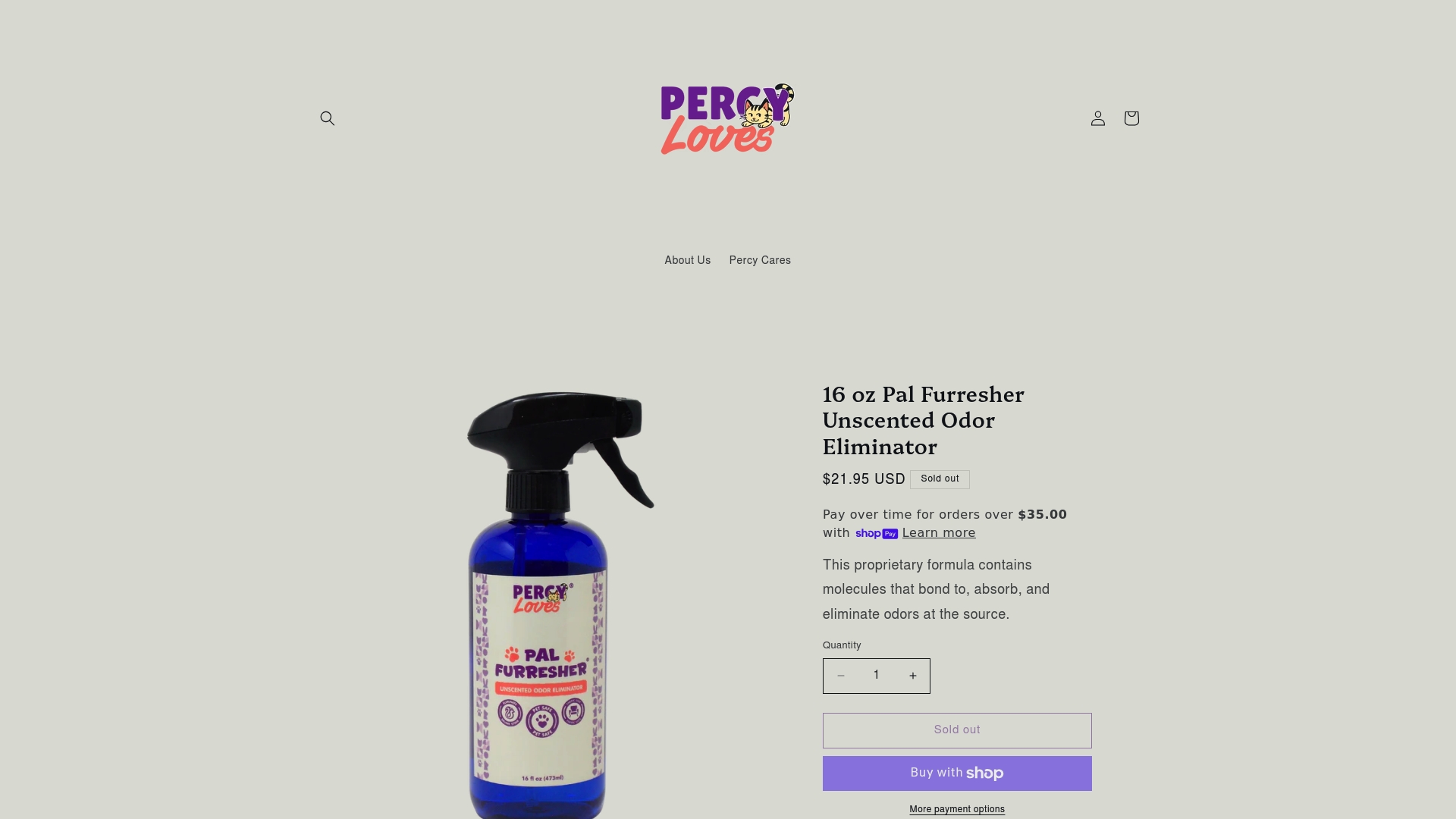
Stock up with the convenient odor eliminator pack of 3, ensuring you always have a bottle ready in key areas like the living room, bedroom, and entryway. The fragrance-free formula works at the source to completely eliminate odors rather than masking them with artificial scents, making it safe for pets with sensitivities and owners who prefer unscented products. This approach aligns perfectly with your commitment to creating a safe, welcoming home where your dog can thrive without exposure to harsh chemicals.
What are the most important areas to dog-proof?
What are the most important areas to dog-proof?
Prioritize the kitchen, stairs, garage, and any balconies or elevated decks. These areas contain the highest concentration of serious hazards including toxic substances, sharp objects, and fall risks. Focus first on securing chemicals, trash cans, and electrical cords throughout these spaces.
How can I manage my puppy’s chewing habits effectively?
Provide appropriate chew toys in various textures and rotate them regularly to maintain interest. Supervise your puppy during play, redirect inappropriate chewing immediately, and use bitter sprays on furniture as deterrents. Teach the “leave it” command early and ensure your puppy gets adequate exercise to reduce boredom-driven chewing.
What materials are best for dog-friendly home interiors?
Choose tight-weave fabrics like microfiber rated above 30,000 double rubs for durability. Select washable flooring such as luxury vinyl plank or sealed tile that resists scratches and cleans easily. Use slipcovers on furniture for easy washing and avoid toxic houseplants, jute rugs, and delicate materials that snag or stain easily.
How do I prevent accidents caused by dog toys and gates?
Keep all walkways and high-traffic areas clear of toys by establishing a cleanup routine after play sessions. Install baby gates securely against walls and door frames, ensuring they can’t tip over. Choose gates in bright colors for better visibility and inspect them regularly for damage or loose hardware that could create hazards.


