

Dog-friendly home tips for safe and happy pets
Creating a home where your dog feels comfortable, safe, and truly part of the family takes more than just good intentions. Many dog owners face the challenge of balancing aesthetics with practicality while ensuring their space is free from hidden hazards. From toxic plants lurking in corners to flooring that can’t handle muddy paws, the obstacles are real. This guide walks you through actionable strategies to transform your living space into a haven for your furry companion. You’ll discover how to identify risks, choose durable materials, organize pet zones effectively, and maintain freshness without compromising your dog’s health or happiness.
Table of Contents
- Key takeaways
- Evaluating dog-friendly home criteria: safety, comfort, and cleanliness
- Top dog-friendly materials and furniture choices for your home
- Organizing your space: designating dog zones and pet-safe layouts
- Maintaining a dog-friendly home: cleaning, grooming, and odor control essentials
- Explore Percy Loves products for a fresh, dog-friendly home
- Frequently asked questions
Key Takeaways
| Point | Details |
|---|---|
| Safety focused evaluation | Walk through each room to identify hazards such as toxic plants, cords, and small objects, then address them. |
| Durable non-toxic materials | Choose finishes and fabrics that resist scratches and stains while avoiding toxic chemicals. |
| Dog friendly zones | Plan resting corners and safe play areas to promote calm behavior and safe exploration. |
| Easy cleaning and odor control | Use pet specific cleaners and odor eliminators to keep spaces fresh without irritating your dog. |
Evaluating dog-friendly home criteria: safety, comfort, and cleanliness
Before you rearrange furniture or invest in new materials, you need a clear framework for what makes a home truly dog-friendly. Understanding household risks and selecting appropriate materials are foundational for dog-friendly homes, and this evaluation process sets the stage for every decision that follows. Safety comes first. Walk through each room and identify potential dangers your dog might encounter.
Toxic plants like lilies, azaleas, and sago palms can cause serious health issues if ingested. Exposed electrical cords present chewing temptations that lead to shocks or burns. Small objects such as coins, batteries, or children’s toys become choking hazards when left within reach. Once you’ve identified these risks, remove or secure them immediately. Next, consider comfort and durability together. Your flooring and furniture will take daily wear from claws, spills, and the occasional accident.
Prioritize non-toxic materials that resist scratches and stains without requiring harsh chemical cleaners. Hardwood with protective finishes, tile, and luxury vinyl all offer different benefits depending on your dog’s size and activity level. Plan dedicated spaces where your dog can rest undisturbed and play safely. A quiet corner with a comfortable bed provides security, while an open area with appropriate toys encourages healthy activity. Maintain a regular cleaning routine using products specifically formulated for pet households to reduce odors and allergens that affect both you and your dog.
Pro Tip: Use odor eliminators designed specifically for pet homes to keep spaces fresh without masking smells with artificial fragrances that can irritate your dog’s sensitive nose.
Key safety checklist for every room:
- Secure all cabinets containing cleaning supplies, medications, or chemicals
- Cover electrical outlets and tuck cords behind furniture
- Remove or elevate toxic plants beyond your dog’s reach
- Store small objects in closed containers or high shelves
- Install baby gates to restrict access to stairs or hazardous areas
Top dog-friendly materials and furniture choices for your home
Choosing the right materials transforms your home from a constant battle against damage into a space that works with your dog’s natural behavior. Selecting appropriate fabrics and materials improves durability and dog comfort while reducing your maintenance burden significantly. Flooring deserves your first attention because it covers the largest surface area and takes the most abuse.
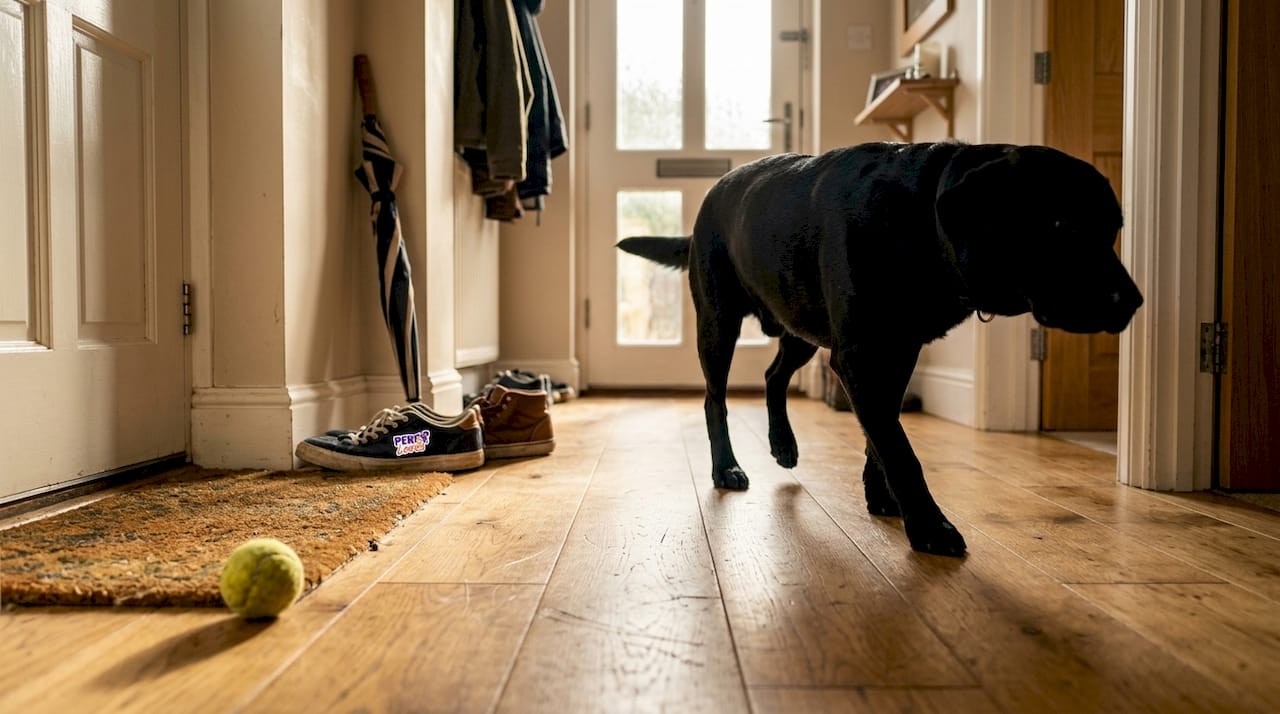
Hardwood looks beautiful and lasts decades, but softer woods like pine scratch easily under claws. Harder species like oak or maple handle traffic better, especially with polyurethane finishes. Tile provides ultimate durability and easy cleanup but can feel cold and hard on joints, particularly for older dogs. Luxury vinyl planks offer a middle ground with scratch resistance, waterproof protection, and softer cushioning underfoot. Carpet feels cozy but traps hair, odors, and stains deep in fibers, making it the least practical choice for most dog owners.
Furniture fabrics matter just as much as flooring. Leather resists stains and wipes clean easily, though some dogs find it slippery and it can crack over time. Microfiber provides excellent stain resistance with a softer texture dogs prefer for lounging. Outdoor fabrics like Sunbrella originally designed for patio furniture now appear in indoor pieces, offering superior durability and fade resistance. Whatever you choose, avoid delicate materials like silk or velvet that show every mark.
| Material Type | Durability | Cleaning Ease | Comfort Level | Best For |
|---|---|---|---|---|
| Hardwood (oak/maple) | High | Medium | Medium | Active dogs, low moisture areas |
| Tile | Very High | Very High | Low | Kitchens, entryways, easy cleanup zones |
| Luxury Vinyl | High | Very High | High | All areas, best overall balance |
| Leather | Medium | High | Medium | Light shedders, minimal scratching |
| Microfiber | High | High | High | Heavy use areas, families with kids |
| Outdoor Fabric | Very High | Very High | Medium | High traffic furniture, outdoor access |
Bedding and crate materials complete your material selection strategy. Orthopedic foam beds support aging joints better than standard stuffing. Removable, machine-washable covers simplify hygiene maintenance dramatically. Wire crates provide better ventilation than plastic, though soft-sided options work for calm dogs who don’t chew. Avoid beds with exposed zippers or buttons that become choking hazards.
Pro Tip: Opt for furniture covers and machine-washable bedding to simplify maintenance and extend the life of your investment pieces without constant worry about damage.
Organizing your space: designating dog zones and pet-safe layouts
Once you’ve chosen appropriate materials, strategic organization multiplies their effectiveness by creating purpose-driven zones that support your dog’s natural routines. Designated dog zones promote safety and reduce stress by giving your pet predictable spaces for different activities throughout the day.
Identify quiet areas away from household traffic where your dog can retreat for uninterrupted rest. Dogs need 12 to 14 hours of sleep daily, and constant disruption leads to anxiety and behavioral issues. A corner of your bedroom or a dedicated space in a low-traffic room works perfectly. Add a comfortable bed, dim lighting, and perhaps a white noise machine to mask sudden sounds. Create safe play zones in areas with durable flooring and enough space for movement.
Remove breakables, secure furniture that could tip, and provide appropriate toys that match your dog’s size and chewing strength. Rotate toys weekly to maintain interest without overwhelming your dog with too many choices at once. Establish feeding stations in consistent locations away from heavy foot traffic and electrical cords. Dogs prefer eating in calm environments without feeling rushed or threatened. Place water bowls in multiple locations so your dog stays hydrated throughout the day, especially if you have a large home or multiple floors.
Steps to pet-proof each room effectively:
- Remove all items from the floor that could be chewed, swallowed, or knocked over
- Secure cabinet doors with childproof latches to prevent access to hazards
- Cover electrical outlets and organize cords behind furniture or in protective covers
- Anchor tall furniture like bookcases to walls to prevent tipping
- Place non-slip mats under rugs to prevent sliding and potential injury
- Test each room from your dog’s eye level to spot hazards you might miss from above
Essential items to keep accessible in dog zones:
- Fresh water bowls cleaned and refilled twice daily
- Appropriate chew toys sized for your dog’s breed and jaw strength
- Waste bags and cleaning supplies for quick accident response
- Comfortable bedding with washable covers
- Interactive puzzle toys for mental stimulation during alone time
Emergency planning integrates into your overall layout strategy. Keep a pet first aid kit accessible, post your veterinarian’s contact information prominently, and ensure all family members know evacuation procedures that include your dog. Store a week’s worth of food, medications, and copies of medical records in a grab-and-go bag near your exit.
Maintaining a dog-friendly home: cleaning, grooming, and odor control essentials
Setting up your space perfectly means nothing without consistent maintenance that preserves freshness and hygiene for both you and your dog. Regular cleaning with pet-safe products reduces odors and health risks while extending the life of your furnishings and flooring investments.
Establish a cleaning schedule that addresses different surfaces at appropriate intervals. Vacuum high-traffic areas and dog zones daily to remove hair, dander, and tracked-in debris before it embeds deep into materials. Mop hard floors twice weekly using cleaners specifically formulated without harsh chemicals that can irritate paws or cause illness if licked. Wash dog bedding weekly in hot water to eliminate bacteria, dust mites, and odors that accumulate despite your best efforts. Wipe furniture your dog uses every few days with pet-safe fabric cleaners or simple soap and water solutions.
Odor control requires a multi-pronged approach beyond basic cleaning. Pet odor eliminators come in several forms, each with distinct advantages. Enzymatic sprays break down organic compounds at the molecular level rather than masking smells with fragrances. Powders absorb odors from carpets and upholstery but require vacuuming after application. Air purifiers with HEPA filters capture airborne particles continuously but represent a higher upfront investment.
| Odor Control Type | Application Method | Effectiveness Duration | Best Use Case | Limitations |
|---|---|---|---|---|
| Enzymatic Sprays | Direct application to source | Immediate, long-lasting | Accidents, bedding, furniture | Requires contact with odor source |
| Absorbent Powders | Sprinkle and vacuum | 24-48 hours | Carpets, rugs, car interiors | Messy application, residue risk |
| Air Purifiers | Continuous operation | Ongoing while running | Whole room ambient odors | Higher cost, electricity use |
| Activated Charcoal | Passive placement | Weeks to months | Closets, small enclosed spaces | Limited range, no active cleaning |
Grooming routines directly impact how much cleaning your home requires. Brush your dog at least three times weekly to remove loose hair before it lands on your furniture and floors. Long-haired breeds need daily brushing to prevent matting and reduce shedding volume. Bathe your dog every four to six weeks using gentle, pet-specific shampoos that won’t strip natural oils or cause skin irritation. More frequent bathing can dry out skin and actually increase odor problems.
Trim nails every three to four weeks to prevent scratching damage to floors and furniture while also protecting your dog from painful splits or breaks. Clean ears weekly to prevent infections that cause unpleasant smells. Brush teeth several times weekly with pet toothpaste to maintain oral health and reduce bad breath that affects your shared living space.
Essential grooming tools every dog owner needs:
- Slicker brush for removing loose undercoat and preventing mats
- Metal comb for working through tangles and checking for parasites
- Nail clippers or grinder sized appropriately for your dog’s nails
- Pet-specific shampoo formulated for your dog’s coat type
- Ear cleaning solution and cotton balls for gentle maintenance
- Toothbrush and enzymatic toothpaste designed for dogs
Pro Tip: Integrate odor eliminator products into your efficient pet grooming workflow by spraying bedding and frequently used furniture immediately after grooming sessions for maximum freshness.
Explore Percy Loves products for a fresh, dog-friendly home
Maintaining the dog-friendly home you’ve carefully created becomes significantly easier with the right tools supporting your daily routine. Percy Loves specializes in odor eliminators developed specifically for pet owners who refuse to compromise between a fresh-smelling home and their dog’s safety. The flagship Pal Furresher unscented odor eliminator uses a proprietary formula that works at the source of odors rather than masking them with artificial fragrances that can irritate sensitive noses.
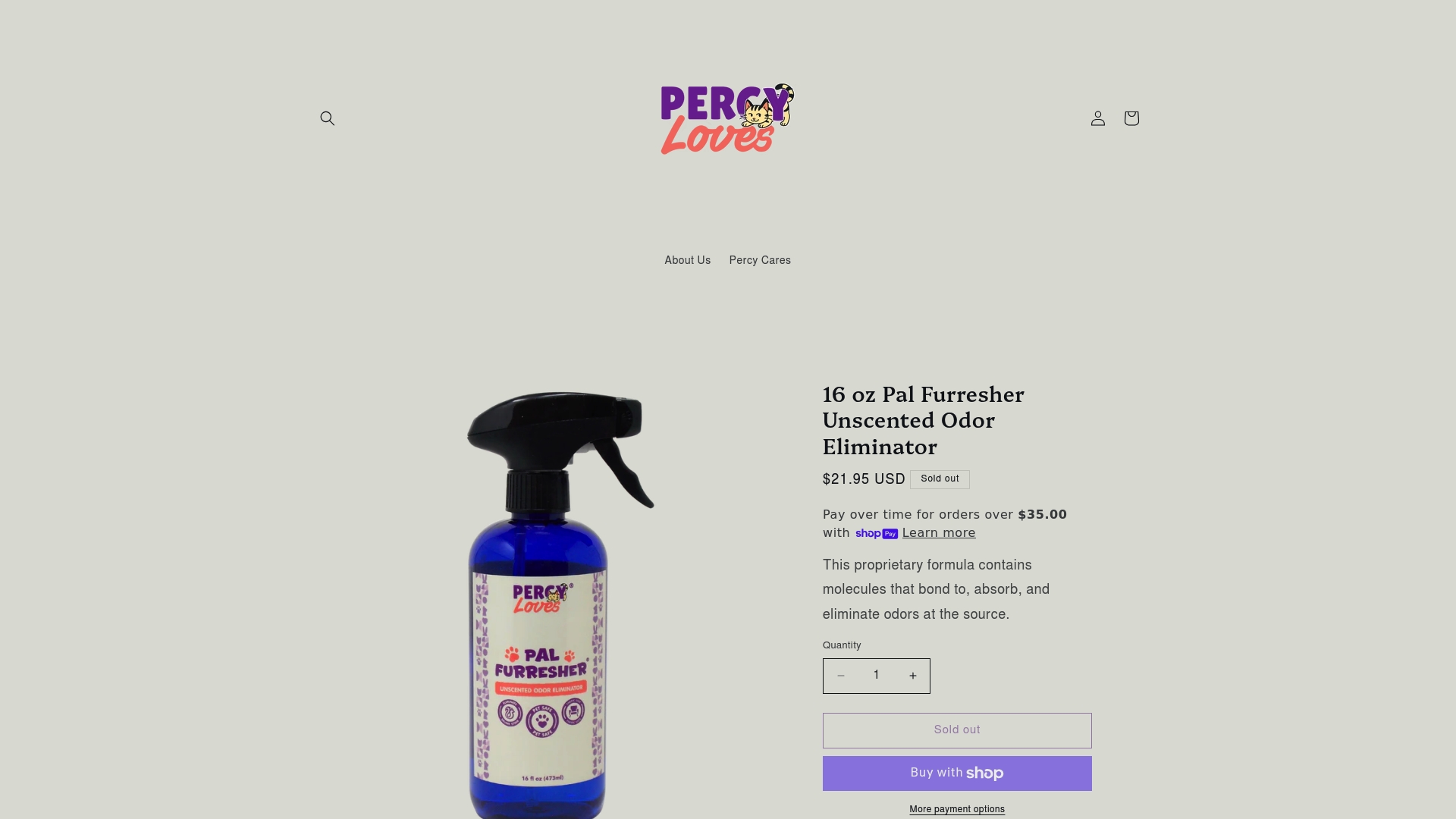
Formulated without harsh chemicals, these products are completely lick-safe, giving you peace of mind when spraying areas your dog frequents. Available in convenient sizes including a pack of three 4 oz bottles for multiple room coverage or a combination 16 oz and 4 oz set for home and travel needs, these solutions integrate seamlessly into the maintenance routines outlined throughout this guide. When you’ve invested time and effort into creating a safe, comfortable space for your dog, protecting that investment with effective, pet-safe odor control completes the picture.
Frequently asked questions
What are the most dangerous household items for dogs?
Chocolate, xylitol sweetener, grapes, onions, and certain medications top the list of toxic substances. Cleaning products, antifreeze, and rodent poisons cause severe poisoning. Small objects like coins, batteries, and rubber bands create choking hazards. Review your home room by room and secure or remove these items immediately.
How often should I deep clean my home with a dog?
Deep clean every two to three months, focusing on areas your dog uses most. This includes shampooing carpets, washing curtains, and cleaning under furniture where hair accumulates. Maintain daily surface cleaning and weekly bedding washes between deep cleans. Adjust frequency based on your dog’s shedding level and any allergy concerns.
What flooring works best for large dogs?
Luxury vinyl plank flooring provides the best balance of durability, comfort, and maintenance ease for large breeds. It resists scratches better than hardwood, offers cushioning for joints, and handles accidents without permanent damage. Textured finishes prevent slipping, which matters more as dogs age. For more guidance, explore pet-safe home tips that address flooring in detail.
How can I reduce dog odors without using strong fragrances?
Enzymatic cleaners break down odor-causing bacteria without added scents. Increase ventilation by opening windows regularly and running fans. Wash fabric items like blankets and curtains frequently. Use baking soda on carpets before vacuuming. Consider unscented odor eliminators specifically designed for pet homes that neutralize smells rather than covering them.
Should I crate train my dog for home safety?
Crate training provides a safe space when you cannot supervise directly, preventing destructive behavior and potential injuries. It aids housetraining and gives your dog a secure retreat during stressful situations. Never use crates as punishment. Ensure proper sizing so your dog can stand, turn, and lie down comfortably. Consult the pet safety checklist for comprehensive safety planning.
What plants are safe to keep around dogs?
Spider plants, Boston ferns, African violets, and most herbs like basil and thyme are non-toxic options. Bamboo palms and prayer plants add greenery without risk. Always research specific varieties before bringing new plants home, as some common names apply to multiple species with different toxicity levels. When in doubt, place plants out of reach or choose artificial alternatives.


