

Preventive pet care: Keep pets healthier, happier, odor-free
Most pet owners think preventive care means one vet visit a year and maybe a vaccine or two. But that mindset leaves a lot of gaps. Preventive pet care is actually a proactive, whole-life approach that covers exams, nutrition, grooming, parasite control, dental health, and yes, even the products you use to clean your home. When you get it right, your pet lives longer, feels better, and smells a whole lot fresher. This guide breaks down exactly what preventive care looks like in practice, so you can build a routine that works for your pet and your household.
Table of Contents
- What is preventive pet care and why it matters
- Core components of preventive care: What every pet needs
- Customizing preventive care: Life stage, lifestyle, and special cases
- Odor-free and safe: Preventive care meets everyday pet life
- A fresh perspective: Moving beyond basics for true preventive pet care
- Next steps: Keep your home fresh and your pet protected
- Frequently asked questions
Key Takeaways
| Point | Details |
|---|---|
| Proactive care matters | Preventive pet care keeps your companion safer, healthier, and reduces surprise costs. |
| Personalize routines | Care should match your pet’s age, lifestyle, and unique risks for best results. |
| Odor signals health | Unusual odor often means a hidden health issue—don’t just mask, investigate and prevent. |
| Lick-safe products count | Always choose groom and odor-control products that are safe for pets to lick and proven to work. |
What is preventive pet care and why it matters
Preventive pet care is about staying ahead of problems before they become expensive or heartbreaking. It’s not just shots. Core preventive care includes regular exams, vaccines, parasite control, dental care, nutrition, and grooming. Together, these elements protect your pet’s quality of life at every stage.
Here’s a quick look at what falls under the preventive care umbrella:
| Component | What it covers |
|---|---|
| Wellness exams | Full physical checkups to catch early issues |
| Vaccinations | Protection against common and serious diseases |
| Parasite control | Fleas, ticks, heartworm, intestinal worms |
| Dental care | Cleanings, home brushing, safe dental products |
| Nutrition | Diet quality, weight management, life-stage feeding |
| Grooming | Coat, skin, ear, and nail health |
| Spay/neuter | Reduces cancer risk and behavioral issues |
| Environment | Safe, clean, low-toxin home spaces |
Why does this matter so much? Because prevention is almost always cheaper and kinder than treatment. Catching a kidney issue early in a senior cat is very different from managing it in crisis mode. And the Principles of Wellness from the World Small Animal Veterinary Association make it clear: proactive care improves lifespan and daily well-being.
Here’s a number that surprises most people: dental disease affects over 80% of dogs by age 3. Most owners don’t even realize it’s happening until their dog is in pain. That’s exactly the kind of silent problem preventive care is designed to catch.
“Preventive care isn’t about fixing what’s broken. It’s about making sure things don’t break in the first place.”
If you want to go deeper on what a full-spectrum approach looks like, our pet wellness holistic care guide is a great place to start.
Core components of preventive care: What every pet needs
Now that we understand the philosophy, let’s look at the core elements your pet truly needs for the best preventive results.
Wellness exam frequency is one of the most common things owners get wrong. It’s not one-size-fits-all. Annual exams are a minimum, but puppies and seniors need more frequent care.
| Life stage | Recommended exam frequency |
|---|---|
| Puppy/kitten (0 to 1 year) | Every 3 to 4 weeks until 16 weeks, then every 6 months |
| Adult (1 to 7 years) | Once a year minimum |
| Senior (7+ years) | Every 6 months with lab work |
Vaccinations fall into two categories: core and non-core. Core vaccines protect against diseases every pet is at risk for, like rabies and distemper. Non-core vaccines depend on your pet’s lifestyle, such as Bordetella for dogs that board or visit dog parks.
Here are the key components to build into your routine:
- Parasite prevention: Year-round parasite control is essential, even for indoor pets. Fleas, ticks, and heartworm don’t wait for an invitation.
- Dental care: Brush at home several times a week. Schedule professional cleanings as your vet recommends. Use only lick-safe dental products.
- Nutrition: Feed a life-stage appropriate diet. Our dog care nutrition tips can help you figure out what your pet actually needs.
- Spay/neuter: Reduces the risk of certain cancers and helps with behavioral issues like roaming and aggression.
- Grooming and odor control: Regular brushing and bathing keep skin and coat healthy. Choosing safe, effective products matters more than most people think. See our odor control safe products guide for smart picks.
For a full breakdown you can actually use, check out our dog wellness checklist. It’s built around routine care for dogs recommendations from veterinary experts.
Pro Tip: When choosing cleaning and grooming products for your home, always look for lick-safe formulas. Pets groom themselves constantly, and what’s on their coat or your floors goes into their mouths.
Customizing preventive care: Life stage, lifestyle, and special cases
Every pet is unique. Here’s how to adjust standard advice to fit their situation and needs.
Puppies and kittens need a fast start. Early vaccines, socialization, and spay/neuter timing are all critical in the first year. This is also when you establish habits that stick, like brushing teeth and getting comfortable with grooming.
Adult pets need consistency. Routine exams, dental care, and physical and mental activity tailored to their breed and energy level keep them at their best. Don’t let the “they seem fine” mindset lead to skipped checkups.

Senior pets need more attention, not less. Twice-yearly wellness visits with lab work help catch issues like kidney disease, thyroid problems, and arthritis early. Life-stage tailored plans are essential for moving from reactive to proactive care.
Lifestyle also shapes what your pet needs:
- Dogs that travel or board need Bordetella and possibly leptospirosis vaccines
- Multi-pet households need stricter parasite control schedules
- Outdoor cats face higher exposure to infectious disease and injury
- City pets deal with pollutants, ice melt chemicals, and crowded spaces
And here’s one that catches people off guard: indoor pets still require parasite protection. Fleas hitch rides on shoes and clothing. Mosquitoes carry heartworm indoors. Don’t assume “inside” means “safe.”
Cats especially need close watching. They hide illness well. By the time a cat shows obvious symptoms, the problem is often already advanced. Subtle changes in grooming, appetite, or litter box habits are worth a call to your vet. Our guide to pet health routines covers what to watch for at each life stage. For annual health exams, the North Carolina Veterinary Medical Association outlines exactly why these visits matter so much.
Pro Tip: Any sudden change in your pet’s odor, whether it’s their breath, coat, or ears, can be an early sign of a health issue. Don’t just reach for a deodorizer. Reach for your vet’s phone number first.
Odor-free and safe: Preventive care meets everyday pet life
With the building blocks in place, here’s how preventive care supports cleanliness, comfort, and odor management in daily life.
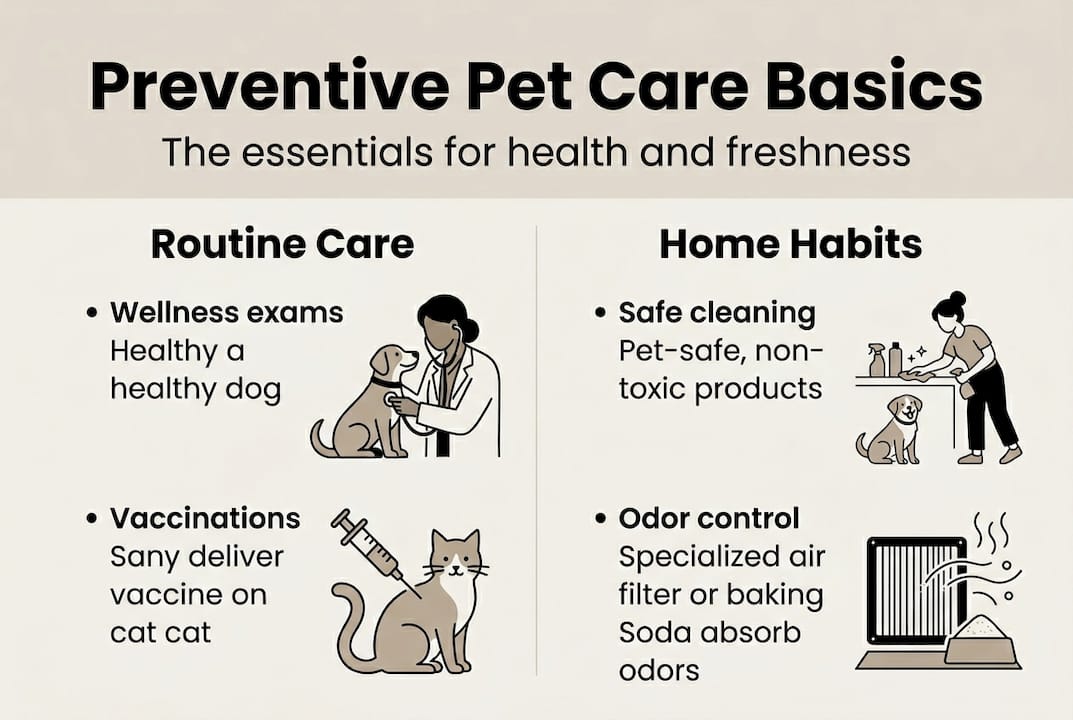
Pet odors don’t just happen randomly. They usually point to something. Bad breath often signals dental disease. Musty coat smell can indicate a skin condition or yeast overgrowth. Ear odor may mean infection. Grooming reduces odor sources, but the real fix starts with addressing the underlying health issue.
Here’s what a solid daily and weekly routine looks like:
- Brush your pet’s coat regularly to remove dander, dirt, and loose fur
- Bathe as needed using gentle, pet-safe shampoos
- Clean ears and check paws after outdoor time
- Vacuum frequently to reduce dander and allergens in your home
- Air out spaces and wash pet bedding weekly
- Clean up accidents immediately with enzymatic, lick-safe cleaners
Product choice matters a lot here. Many common household cleaners contain chemicals that are harmful to pets, especially cats who walk through treated areas and then groom their paws. Prioritize vet-recommended, enzymatic, lick-safe cleaners that actually neutralize odors rather than just covering them up.
The numbers back this up. Over 87% of pet owners in one survey missed flea and tick prevention, which directly increases household health risks for both pets and people. Skipping prevention creates a cycle of odor, discomfort, and health problems that’s hard to break.
“An odor you can’t explain should trigger a health check, not just a reach for a spray bottle.”
For more on building a clean, safe home environment, our pet wellness cleanliness guide and wellness products for odor control page are packed with practical advice. And if you want the big picture on daily habits, our pet parenting best practices guide ties it all together.
A fresh perspective: Moving beyond basics for true preventive pet care
Here’s something most preventive care articles won’t tell you: the checklist isn’t the point. The mindset is.
We talk to a lot of pet parents at Percy Loves, and the ones whose pets thrive aren’t just hitting their annual vet appointments. They’re paying attention every single day. They notice when their cat stops grooming as much. They catch when their dog’s breath changes. They ask questions at vet visits instead of just nodding along.
Real preventive care is a lifestyle, not a to-do list. And the products you bring into your home are part of it. A cleaner that’s toxic to cats isn’t just a bad product choice. It’s a gap in your preventive care strategy. Choosing lick-safe, high-quality products like Pal Furresher isn’t just about odor. It’s about protecting your pet from everyday chemical exposure.
Life-stage tailored plans are the foundation, but daily observation is what makes them work. Partner with your vet. Ask what to watch for between visits. Build a home environment that supports your pet’s health rather than quietly working against it. Our pet family lifestyle guide is a great resource for making those everyday upgrades.
Pro Tip: Reframe vet visits as wellness partnership appointments. Come with questions. Ask about what changes to expect as your pet ages. That shift in mindset changes everything.
Next steps: Keep your home fresh and your pet protected
Ready to apply these insights and make your home as healthy and odor-free as possible? Preventive care doesn’t stop at the vet’s office. It continues every time you clean up an accident, freshen your pet’s space, or choose a product that goes near their paws, coat, or mouth.
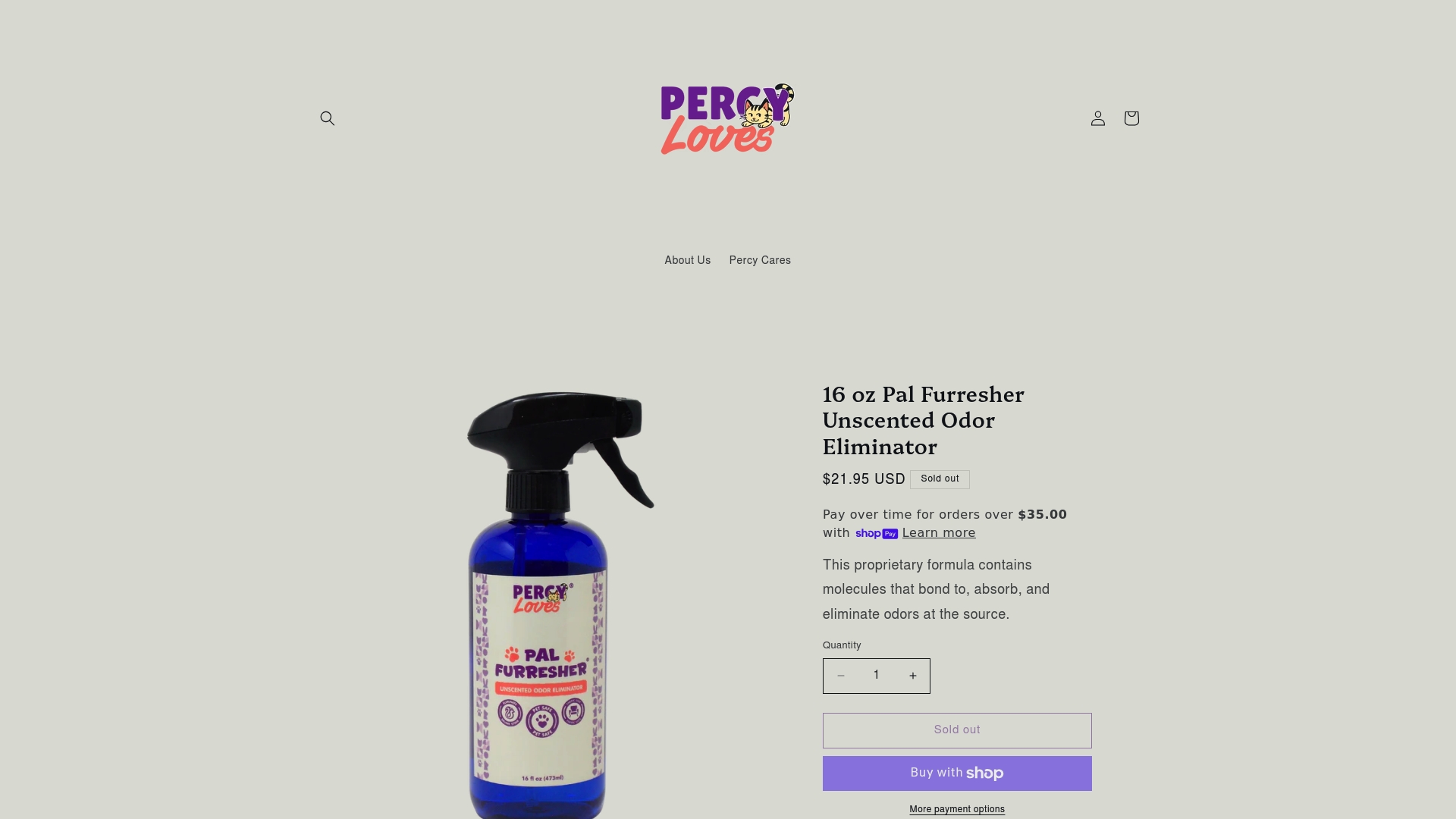
That’s exactly why we created Pal Furresher. It’s a fragrance-free, lick-safe odor eliminator that tackles odors at the source instead of masking them. Percy inspired it. Safety drove it. Our unscented odor eliminator is available in a full-size 16 oz bottle for home use, and our 4 oz odor eliminator is perfect for travel and on-the-go freshness. Give your pet the clean, safe environment they deserve.
Frequently asked questions
Why is preventive pet care important for my pet’s health?
Preventive care reduces costs and improves longevity by catching health issues early, preventing disease progression, and reducing the need for emergency treatment.
How often should pets see the vet for preventive exams?
Healthy adult pets should visit the vet at least once a year. Annual exams are a minimum for adults, with puppies and seniors needing more frequent visits to stay on top of rapid health changes.
Do indoor cats and dogs need parasite prevention?
Yes. Indoor pets still require year-round parasite prevention because fleas, mosquitoes, and other parasites can enter the home through doors, windows, and on clothing.
What makes a pet odor-control product safe?
A safe odor product is non-toxic, fragrance-free, and lick-safe, using a formula that neutralizes odors at the source rather than covering them with harsh chemicals or artificial scents.
Is dental care really necessary for pets?
Absolutely. Dental disease affects over 80% of dogs by age 3, making routine dental care one of the most impactful things you can do for your pet’s overall health and comfort.


