

Complete dog wellness checklist: 25% healthier pets
Keeping your dog healthy involves juggling nutrition, grooming, exercise, safety, and cleanliness. Many pet parents struggle to track every wellness need, risking gaps in care that affect their dog’s quality of life. A comprehensive dog wellness checklist simplifies this challenge by organizing essential tasks into manageable routines. This guide walks you through key criteria, actionable checklist items, product comparisons, and customization strategies to ensure your furry family member thrives. You’ll discover how consistent wellness practices prevent common health issues and enhance your dog’s happiness.
Table of Contents
- Key takeaways
- Understanding dog wellness criteria
- Essential items in your dog wellness checklist
- Comparing wellness products and tools for dogs
- Situational recommendations and customizing your wellness checklist
- Enhance your dog’s wellness routine with Percy Loves
- Frequently asked questions
Key Takeaways
| Point | Details |
|---|---|
| Six Core Wellness Criteria | A holistic dog wellness approach blends nutrition, grooming, exercise, safety, cleanliness, and mental enrichment into integrated routines. |
| Actionable Wellness Checklist | Breaking tasks into nutrition grooming exercise safety cleanliness and mental enrichment makes complex care manageable and prevents gaps. |
| Consistency Builds Health | Regular routines build habits that reduce obesity risk and help you spot subtle health or behavior changes early. |
| Track and Schedule | Using a calendar or app to log wellness activities keeps routines steady and reveals patterns. |
Understanding dog wellness criteria
Holistic dog wellness blends physical health, mental stimulation, and environmental safety into one cohesive approach. Pet parents who understand these foundational criteria can build routines that address every aspect of their dog’s wellbeing. The six core wellness criteria include nutrition, grooming, exercise, safety, cleanliness, and mental enrichment.
Nutrition forms the foundation of physical health, requiring balanced meals tailored to your dog’s age, breed, and activity level. Grooming maintains skin and coat health while preventing infections and discomfort. Exercise supports cardiovascular fitness, weight management, and behavioral balance through daily physical activity. Safety encompasses home modifications, emergency protocols, and identification systems that protect your dog from hazards.
Cleanliness extends beyond bathing to include living space hygiene and odor management. Mental stimulation prevents boredom and anxiety through interactive play, training, and socialization. Each criterion interconnects with others to create a complete wellness framework. For example, proper nutrition fuels exercise capacity, while regular grooming sessions double as bonding time that supports mental health.
Pro Tip: Track wellness activities in a simple calendar or app to build consistency and spot patterns in your dog’s behavior or health changes.
Essential items in your dog wellness checklist
Your wellness checklist should cover specific tasks across all six criteria to create a thorough care routine. Breaking down each category into actionable items makes complex care manageable and prevents oversight.
Nutrition essentials:
- Measure portions based on weight and activity level to maintain healthy body condition
- Provide fresh water access throughout the day
- Schedule consistent meal times to regulate digestion
- Monitor treats to avoid exceeding 10% of daily caloric intake
Grooming requirements:
- Brush coat weekly or daily depending on breed and shedding patterns
- Bathe every 4 to 8 weeks using dog-safe shampoos
- Trim nails monthly to prevent splitting and discomfort
- Clean ears weekly to remove debris and check for infections
- Brush teeth three times weekly to prevent dental disease
Exercise and enrichment:
- Walk at least 30 minutes daily for most breeds
- Include off-leash play in safe, enclosed areas
- Rotate puzzle toys and training games for mental challenges
- Arrange playdates or socialization opportunities
Safety protocols:
- Dog-proof your home by securing toxic substances and small objects
- Maintain current ID tags and microchip registration
- Create an emergency kit with medical records, medications, and supplies
- Establish evacuation plans for natural disasters
Cleanliness and odor control:
- Vacuum pet areas twice weekly to remove hair and dander
- Wash bedding every two weeks in hot water
- Use safe odor eliminators on furniture and carpets
- Clean food and water bowls daily
Consistency in these routines builds habits that become second nature. Daily health practices reduce obesity risk significantly and improve overall vitality. When you maintain regular schedules, you also become more attuned to subtle changes in your dog’s behavior or physical condition that might signal health concerns.
Pro Tip: Start with three core checklist items you can realistically maintain, then gradually add more as routines become automatic.
Comparing wellness products and tools for dogs
Selecting the right products streamlines your wellness routine and ensures safety and effectiveness. This comparison helps you evaluate popular options across key categories.
| Product Category | Price Range | Effectiveness | Ease of Use | Safety Considerations |
|---|---|---|---|---|
| Odor Eliminators | $12-$35 | High for enzymatic formulas | Spray and go application | Choose unscented, lick-safe options |
| Slicker Brushes | $8-$25 | Excellent for long coats | Requires proper technique | Avoid over-brushing sensitive skin |
| Nail Grinders | $20-$50 | Gradual, controlled trimming | Learning curve for pet and owner | Monitor heat buildup during use |
| Puzzle Feeders | $10-$40 | Great mental stimulation | May frustrate some dogs initially | Ensure no small detachable parts |
| Safety Harnesses | $15-$60 | Superior control vs collars | Proper fit is critical | Check for chafing on longer wear |
Odor eliminator considerations:
- Enzymatic formulas break down organic odor sources rather than masking them
- Unscented versions prevent respiratory irritation in sensitive dogs
- Lick-safe ingredients protect dogs who groom treated surfaces
- Spray bottles offer targeted application for problem areas
Grooming tool pros and cons:
- Slicker brushes remove loose fur effectively but can irritate skin if used too aggressively
- Nail grinders provide smoother edges than clippers but require gradual desensitization
- Deshedding tools reduce shedding by 90% during seasonal coat changes but should not be used on wet fur
Efficient grooming workflows improve safety outcomes when you organize tools and follow systematic approaches. Investing in quality products tailored to your dog’s specific needs saves time and reduces stress for both of you.
Pro Tip: Test new products on a small area first to check for allergic reactions or sensitivities before full application.
Situational recommendations and customizing your wellness checklist
Every dog requires a personalized approach based on breed characteristics, life stage, and individual health status. Generic checklists miss important nuances that affect care effectiveness and safety.
Factors influencing customization:
- Breed size and energy level determine exercise duration and intensity
- Age affects nutritional needs, with puppies requiring growth formulas and seniors needing joint support
- Chronic conditions like allergies or arthritis necessitate specialized care protocols
- Climate and season impact grooming frequency and outdoor activity safety
Steps to customize your wellness routine:
- Assess your dog’s current health status through veterinary examination and baseline measurements
- Identify breed-specific requirements such as coat care needs or exercise minimums
- Adjust checklist frequency based on life stage, increasing vet visits for puppies and seniors
- Incorporate modifications for existing health conditions like diabetes monitoring or medication schedules
- Plan seasonal adjustments including paw protection in winter and hydration focus in summer
- Build travel protocols that maintain wellness routines away from home
- Schedule quarterly checklist reviews to update items as your dog ages or circumstances change
Customized care enhances wellness outcomes by addressing your dog’s unique requirements rather than following one-size-fits-all advice. For example, brachycephalic breeds like bulldogs need modified exercise routines to prevent respiratory distress, while high-energy working breeds require substantially more physical and mental stimulation.
Emergency preparedness deserves special attention in customized plans. Keep a list of emergency vet contacts, poison control numbers, and your dog’s medical history in an easily accessible location. Update vaccination records and medication lists quarterly. Practice evacuation drills if you live in areas prone to natural disasters.
Regular veterinary checkups anchor your wellness checklist by providing professional assessment of your efforts and early detection of potential issues. Annual exams for adult dogs and biannual visits for seniors or dogs with chronic conditions ensure you catch problems before they become serious.
Enhance your dog’s wellness routine with Percy Loves
Maintaining a comprehensive wellness checklist becomes easier when you have reliable products that support daily care routines. Percy Loves offers safe, effective solutions designed specifically for pet parents who prioritize their dog’s health and comfort. Our unscented odor eliminator uses a proprietary formula that works at the source of odors, completely eliminating funk without harsh chemicals or artificial fragrances.
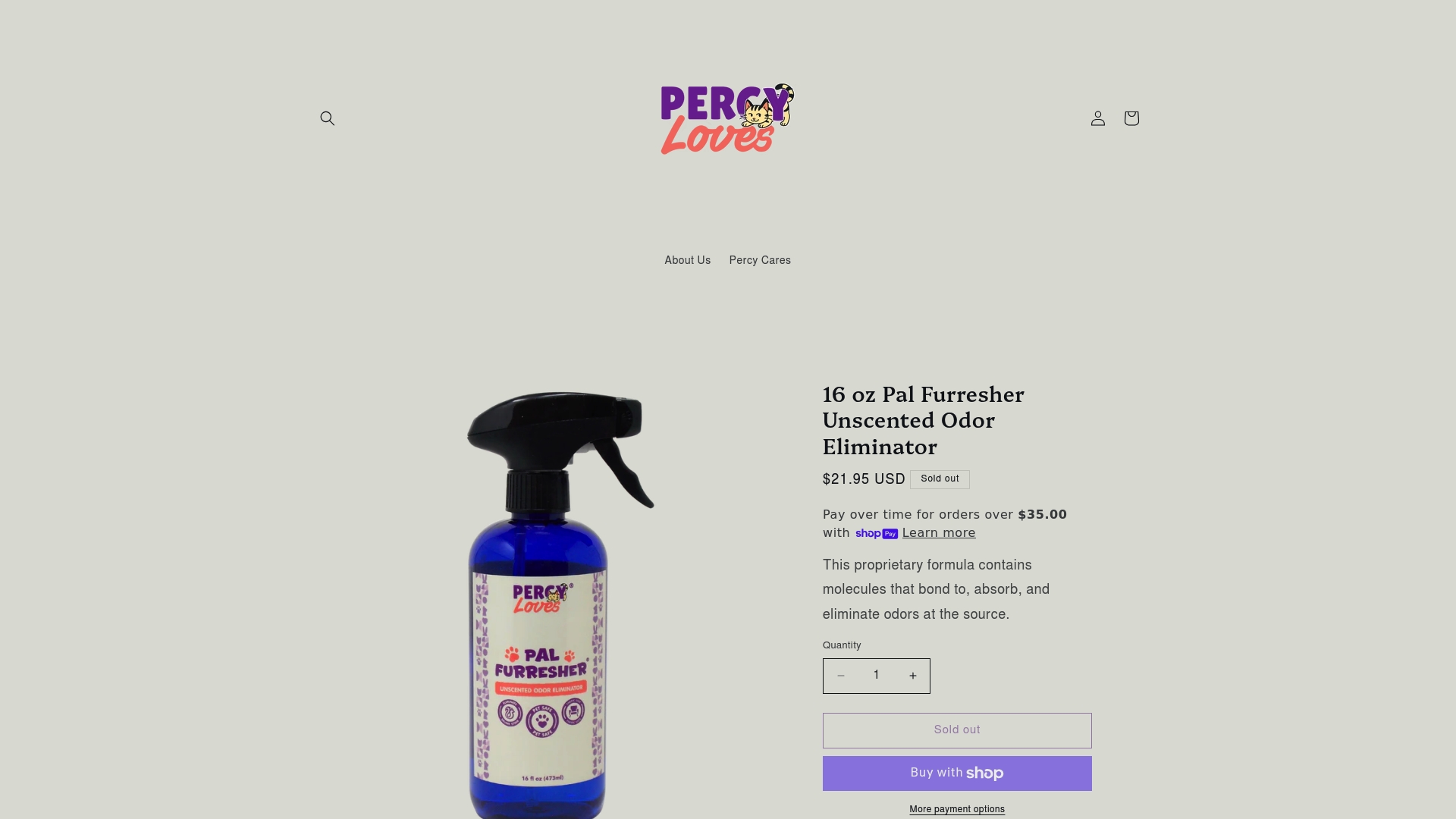
Integrating quality odor control into your cleaning routine keeps your home fresh while protecting your dog from exposure to potentially harmful ingredients. The lick-safe formula means you can treat furniture, bedding, and carpets without worrying about your dog’s safety. Visit the Percy Loves website to explore wellness products that complement your care checklist and make maintaining a healthy environment effortless.
Frequently asked questions
What is a dog wellness checklist and why is it important?
A dog wellness checklist is a comprehensive list of care tasks covering nutrition, grooming, exercise, safety, cleanliness, and mental enrichment. It ensures you consistently address all critical wellness areas rather than focusing on just one or two aspects of care. Checklists help busy pet parents stay organized and proactive, preventing health issues through regular attention to your dog’s needs. This systematic approach improves your dog’s quality of life and can extend their lifespan by catching potential problems early.
How often should I update my dog’s wellness checklist?
Update your checklist seasonally to account for weather changes affecting exercise and grooming needs. Life stage transitions like puppyhood to adulthood or entering senior years require significant adjustments to nutrition, exercise intensity, and veterinary visit frequency. Regular vet checkups provide professional guidance on necessary modifications based on your dog’s current health status. Review your checklist quarterly even without major changes to ensure it remains relevant and effective.
Can I use the same wellness checklist for all dog breeds?
No, wellness needs vary significantly by breed, size, age, and individual health status. A Chihuahua’s exercise requirements differ dramatically from a Border Collie’s energy needs. Brachycephalic breeds need modified grooming and exercise protocols, while double-coated breeds require more intensive seasonal shedding management. Customization ensures more effective and safe care tailored specifically to your dog’s characteristics and prevents over-care or under-care of particular wellness areas.
What are must-have wellness products for managing dog odors?
Use unscented odor eliminators specifically designed for pet environments rather than general household air fresheners. Look for enzymatic formulas that break down organic odor sources at the molecular level instead of masking smells with fragrances. Safe odor eliminators support pet wellness by controlling smells without harsh chemicals that could irritate your dog’s respiratory system or skin. Lick-safe products provide peace of mind when treating surfaces your dog contacts regularly.


