

7 Proven Examples of Natural Pet Care for Healthier Pets
TL;DR:
- Natural pet care products lack regulation; safety and effectiveness should be thoroughly evaluated.
- Combining evidence-based natural therapies with conventional vet care yields the best health outcomes.
- Building consistent routines in nutrition, grooming, and prevention supports overall pet health.
The word “natural” gets thrown around a lot in pet care. You see it on food bags, shampoo bottles, and supplement labels. But what does it actually mean for your pet’s health? Not every natural ingredient is safe, and not every safe approach is effective. We put together this guide to cut through the noise. Inside, you will find research-backed examples of natural pet care strategies, practical tips for building a routine, and honest guidance on when to bring your vet into the conversation.
Table of Contents
- How to evaluate natural pet care options
- Nutrition therapy and functional diets
- Natural therapies: Acupuncture, herbal medicine, and more
- Natural grooming and parasite prevention
- Preventative holistic pet care routines
- Why true natural pet care means working with, not against, modern vet wisdom
- Discover safer, fresher solutions for your pet care routine
- Frequently asked questions
Key Takeaways
| Point | Details |
|---|---|
| Focus on prevention | Daily routines like grooming and balanced diets are the real foundation of natural pet care. |
| Evidence matters | Some natural approaches like certain supplements and controlled diets have research backing, while others need more vet oversight. |
| Integrate, don’t isolate | Natural and conventional care work best together—always involve your veterinarian. |
| Safe environment first | Hygiene and low-toxicity parasite control are just as important as what your pet eats or supplements. |
How to evaluate natural pet care options
Before you try anything new with your pet, it helps to know what you are actually looking for. The word “natural” is not regulated in pet care, which means it can appear on products that are anything but gentle or safe. So how do you sort the good from the not-so-good?
Start with these criteria:
- Safety first. Is there evidence the ingredient or therapy is safe for your specific species, breed, and age of pet?
- Proven effectiveness. Has it been tested, even in small studies? Anecdotal reports are a starting point, not a finish line.
- Your pet’s unique needs. A remedy that works for one dog may not suit another. Age, health status, and breed all matter.
- Professional guidance. Complementary therapies expand options but need vet oversight before you start.
One of the biggest mistakes pet parents make is assuming that natural automatically means harmless. Essential oils, for example, are natural but can be toxic to cats. Garlic is natural but dangerous for dogs in large amounts.
Pro Tip: Before adding any new supplement or therapy, write down your pet’s current symptoms, diet, and medications. Share that list with your vet. It makes the conversation faster and safer.
The strongest approach is an integrated one. Holistic prevention needs evidence-based integration with conventional veterinary medicine to get real results. Think of natural care as a powerful partner to your vet visits, not a replacement. When you approach it that way, you give your pet the best of both worlds. Evidence-based pet care is the foundation everything else builds on.
Nutrition therapy and functional diets
Food is medicine. That is not just a catchy phrase. What your pet eats every day has a direct impact on their weight, skin, energy, and long-term health. Nutrition therapy takes that idea seriously.
Nutrition therapy uses specialized diets for obesity, diabetes, and supplementation to manage real health conditions. Here are some of the most common applications:
- Calorie-controlled diets for pets struggling with weight
- Low-glycemic formulas for diabetic cats and dogs
- Iron supplementation for pets with deficiency-related fatigue
- Omega-3 fatty acids for coat health and inflammation support
| Health Goal | Nutritional Strategy | Common Benefit |
|---|---|---|
| Weight management | Reduced-calorie, high-fiber diet | Improved mobility, less joint strain |
| Skin and coat health | Omega-3 supplementation | Reduced shedding, shinier coat |
| Digestive support | Probiotic-rich foods | Better stool quality, less bloating |
| Allergy management | Elimination or novel protein diet | Fewer flare-ups, less scratching |
One exciting area of research involves functional food ingredients. A recent placebo-controlled study found that Siraitia grosvenorii extract improved atopic dermatitis symptoms in dogs, with roughly 80% owner satisfaction reported. That is a meaningful result for pet parents dealing with itchy, uncomfortable pups.
80% of owners in the Siraitia grosvenorii study reported satisfaction with their dog’s skin improvement after dietary supplementation.
Pro Tip: Do not switch your pet’s diet cold turkey. Transition over 7 to 10 days by mixing old and new food gradually. Sudden changes can upset digestion and make it harder to tell if the new diet is actually helping.
Always loop in your vet before making big diet changes. They can run bloodwork to identify deficiencies and recommend the right therapeutic formula. Explore holistic pet diets to learn more about building a food plan that fits your pet’s whole health picture.
Natural therapies: Acupuncture, herbal medicine, and more
Beyond food, there is a wide range of hands-on and plant-based therapies that can support your pet’s well-being. These are not fringe ideas. Many are practiced by licensed veterinarians and backed by growing bodies of research.
Acupuncture is one of the most studied complementary options. Acupuncture helps in pain management for arthritis and other conditions by stimulating specific points on the body to encourage natural healing responses. Pets with chronic joint pain, nerve issues, or post-surgical recovery often respond well.
Herbal medicine is another area with real practical applications. Safe, commonly used options include:
- Slippery elm and marshmallow root for digestive support and soothing irritated gut lining
- Chamomile and ginger for nausea and mild stomach upset
- Milk thistle for liver support in pets on long-term medications
Herbal remedies like slippery elm and chamomile are used by integrative vets because they have a track record of safety when dosed correctly.
“Natural therapies work best when they are part of a plan, not a panic response. Talk to your vet before starting any herbal supplement, especially if your pet is already on medication.”
The evidence gaps are real. Not every herb has been studied in pets specifically, and dosing for animals is very different from humans. That is why these approaches should complement, not replace, your regular vet care. Check out the dog wellness checklist to see how these therapies can fit into a broader care plan.
Natural grooming and parasite prevention
Grooming is not just about looks. Regular brushing, bathing, and coat care are genuine health tools. They help you spot lumps, skin changes, and parasites early. And when done with safe, low-toxicity products, grooming becomes a natural health ritual.
Here is a simple natural grooming routine to follow:
- Brush your pet at least twice a week to remove loose fur, dirt, and early-stage parasites.
- Check ears weekly for redness, odor, or buildup.
- Trim nails monthly to prevent posture and joint strain.
- Bathe with gentle, fragrance-free products suited for your pet’s skin type.
- Inspect skin and coat after outdoor time, especially in warm months.
For parasite prevention, you do not always need harsh chemicals. Nontoxic flea and tick control includes flea combs, regular bedding washing, beneficial nematodes in the yard, diatomaceous earth, and minimum-risk ingredients that are far gentler than conventional pesticides.

| Method | Natural Option | Standard Option |
|---|---|---|
| Flea removal | Flea comb, diatomaceous earth | Chemical topical treatments |
| Tick prevention | Regular checks, nematodes | Pesticide collars or spot-on |
| Bedding hygiene | Hot water washing weekly | Pesticide sprays |
| Yard treatment | Beneficial nematodes | Chemical yard sprays |
Pro Tip: Wash your pet’s bedding in hot water every week during flea season. Most flea eggs and larvae live in bedding and carpet, not on your pet. Targeting the environment is just as important as treating your pet directly.
Explore the natural grooming workflow for a step-by-step system, and check out odor-free home tips to keep your space fresh without harsh chemicals.
Preventative holistic pet care routines
The most powerful thing you can do for your pet is build consistent habits. Prevention is always easier than treatment, and a holistic routine does not have to be complicated.
Balanced nutrition, regular grooming, parasite control, and wellness visits are the pillars of preventive care according to global veterinary wellness standards. Here is how to put that into practice:
Daily habits:
- Feed a balanced, species-appropriate diet
- Provide fresh water at all times
- Give your pet physical activity suited to their age and breed
- Do a quick visual check of eyes, ears, coat, and behavior
Weekly habits:
- Brush coat and check for parasites
- Clean food and water bowls thoroughly
- Wash bedding in hot water
Monthly habits:
- Trim nails and clean ears
- Weigh your pet and note any changes
- Review any supplements or natural therapies for effectiveness
Scheduled vet visits:
- At least once a year for healthy adult pets
- Every six months for seniors or pets with ongoing conditions
Combining multiple natural strategies, like good nutrition, safe grooming, and herbal support, creates a compounding effect. Each habit reinforces the others. Learn more about building preventive pet care into your lifestyle, and explore structured pet health routines that make consistency easy.
Why true natural pet care means working with, not against, modern vet wisdom
Here at Percy Loves, we have seen a lot of pet parents go all-in on natural care and accidentally put their pets at risk. Not because they were careless. Because the “all natural is always better” idea sounds so logical that it is easy to run with it too far.
The truth is, natural and conventional care are not opposites. They are teammates. The best outcomes we see come from pet parents who use evidence-based solutions alongside thoughtful natural strategies, not instead of them. A dog with arthritis benefits from acupuncture AND a vet-prescribed anti-inflammatory when needed. A cat with a skin condition benefits from a functional diet AND a proper diagnosis.
Natural care is not a shortcut. It is a commitment to doing the whole job well. That means staying curious, staying humble, and keeping your vet in the loop. When you treat natural and conventional care as partners, your pet wins every time.
Discover safer, fresher solutions for your pet care routine
Building a natural pet care routine feels great. But even the cleanest routines can leave behind one stubborn problem: pet odor. That is where we come in.
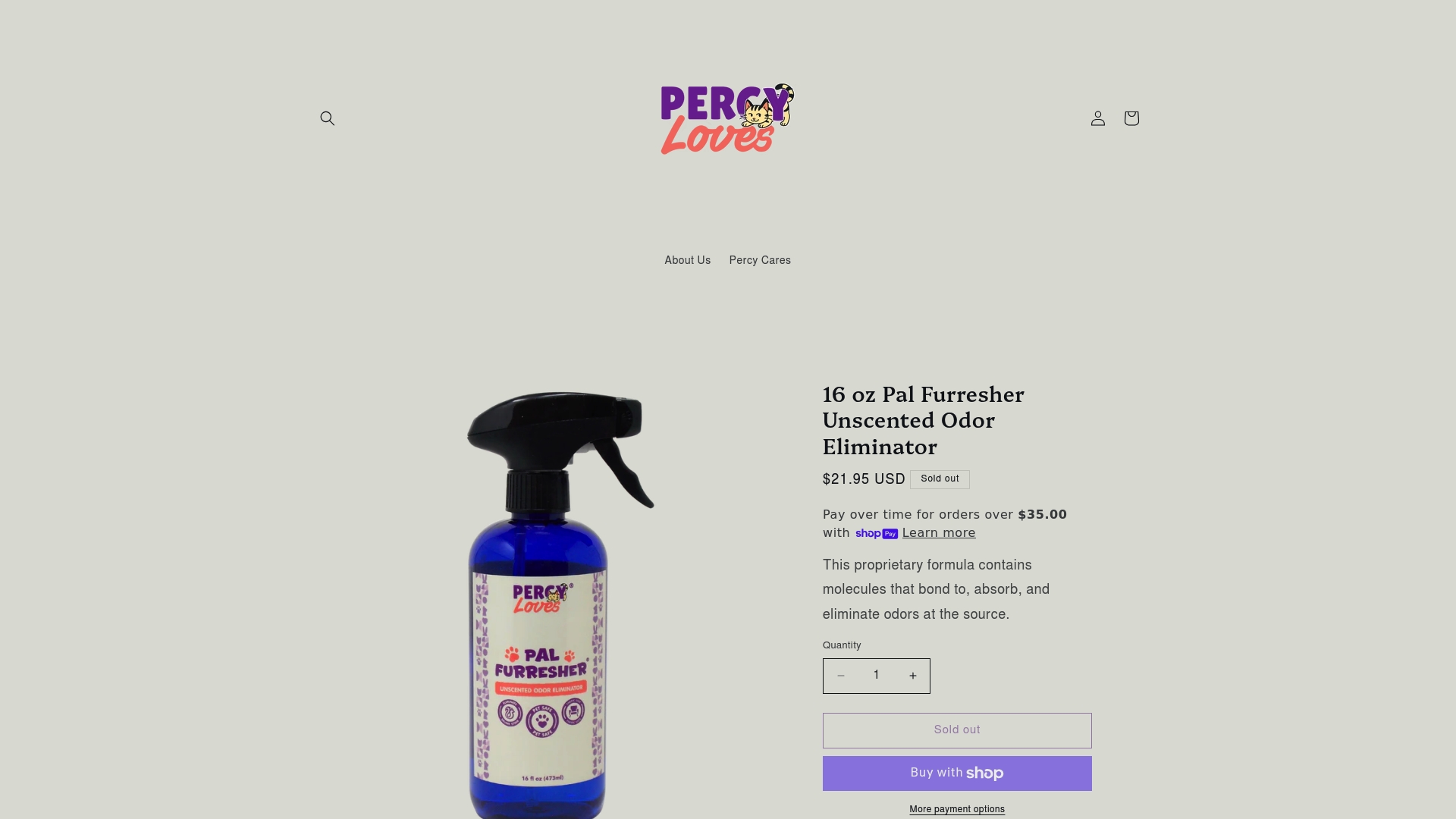
Pal Furresher by Percy Loves is a fragrance-free odor elimination spray that is completely lick safe. It does not mask odors. It tackles them at the source using a proprietary formula that actually eliminates the funk. No harsh chemicals. No artificial scents. Just clean. It fits perfectly into any natural care routine because it is as gentle as it is effective. Try the Pal Furresher Odor Eliminator for everyday use, or grab the travel-friendly 4 oz Odor Eliminator for on-the-go freshness.
Frequently asked questions
What is the safest way to start using natural remedies for my pet?
Consult with your vet first, start with one natural therapy at a time, and monitor your pet closely for any changes. Vet oversight is needed for non-traditional diets and therapies to make sure they are appropriate for your pet’s specific health profile.
Are natural flea and tick treatments enough for every pet?
Natural methods can work well in low-risk environments, but natural flea methods may not suffice in high-risk or heavily infested areas. Combine them with regular hygiene and frequent physical checks for best results.
What are the best natural supplements for dogs with allergies?
Supplements like Siraitia grosvenorii extract have shown real effectiveness in reducing dermatitis symptoms in dogs in controlled studies. Always confirm dosing and suitability with your vet before starting.
How often should I groom my pet to support natural health?
Most pets benefit from weekly brushing and monthly full grooming sessions. Regular grooming is part of preventative care and helps you catch early signs of health issues before they become bigger problems.


