

Why Pets Groom After Sprays and How to Keep Them Safe
TL;DR:
- Pets groom after sprays to restore scent, feel, and self-soothe instinctively.
- Harmful ingredients like essential oils and alcohol in sprays can cause toxicity and irritation.
- Use pet-specific, lick-safe products, apply minimally, and monitor responses to ensure safety.
You just spritzed your pet with an odor spray, and now they’re going to town licking their fur. Cute, right? Maybe. But that intense grooming session isn’t always just about staying clean. For many pet parents, this moment gets brushed off as normal behavior. The truth is, post-spray grooming can signal instinct, discomfort, or even a hidden danger lurking in the product you used. This guide breaks down exactly why your cat or dog does this, how to tell the difference between normal and concerning grooming, and what steps you can take to keep your fur baby safe and comfortable every single time.
Table of Contents
- Instincts and science: Why pets groom after sprays
- When grooming signals discomfort or risk: Not all sprays are safe
- Best practices for safe odor control: Keep pets comfortable
- How to spot and respond to problem grooming after sprays
- What most pet parents miss about grooming and sprays
- Pet-safe odor solutions for peace of mind
- Frequently asked questions
Key Takeaways
| Point | Details |
|---|---|
| Grooming is instinctive | Pets groom after sprays to remove unfamiliar scents and restore their own natural smell. |
| Not all sprays are safe | Some ingredients can irritate pets or be toxic if ingested. |
| Safe practices matter | Always use pet-specific, lick-safe sprays and distract your pet after application. |
| Watch for overgrooming | Excessive grooming, bald spots, or discomfort signal a need for prompt action. |
| Healthier routines help | Brushing and cleaning environments reduce the need for sprays and keep pets comfortable. |
Instincts and science: Why pets groom after sprays
Grooming is one of the most deeply wired behaviors in cats and dogs. It’s not something they think about. They just do it. And when something unfamiliar lands on their coat, like an odor spray, their grooming drive kicks into high gear almost immediately.
Pets groom after sprays primarily because of their natural instinct to clean foreign substances, restore their own scent, and remove unfamiliar residues from their coat. That spray you applied? To your pet, it’s an intruder. Their coat is part of their identity, and anything that changes the smell or texture triggers an immediate response to fix it.
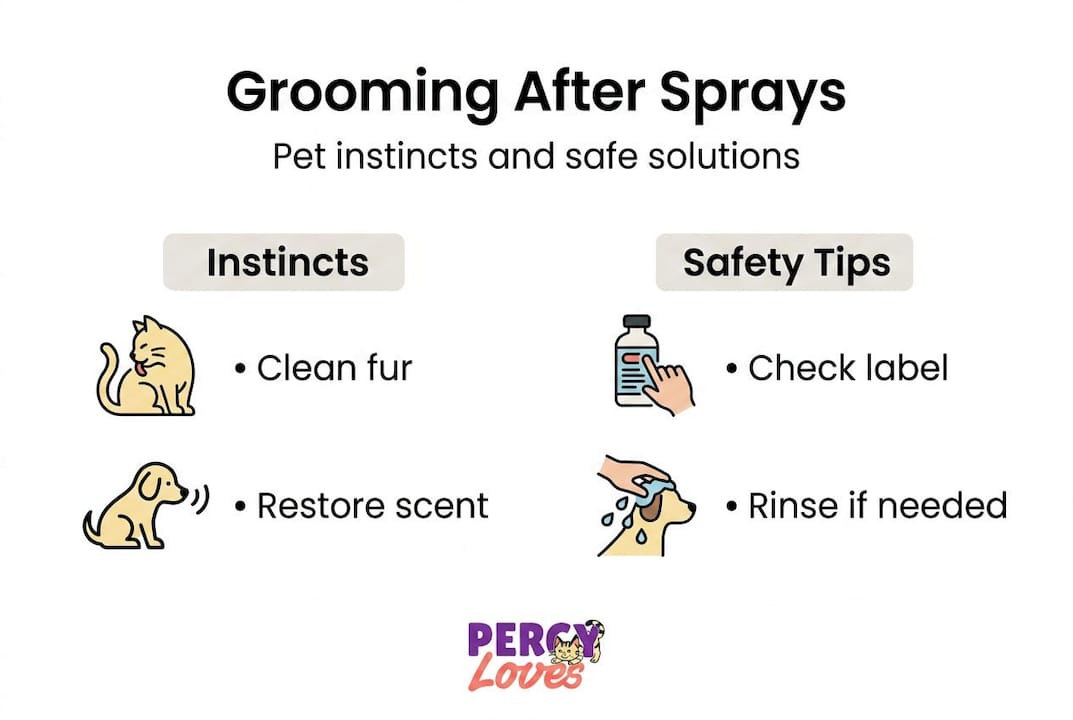
The mechanics behind grooming are pretty fascinating. Grooming mechanics involve saliva spreading natural oils called sebum, regulating body temperature through evaporation, and removing dirt or parasites. When a spray hits their fur, it changes the chemical feel and taste of their coat, turning routine grooming into an urgent restoration mission.
For more on what healthy grooming looks like, safe pet grooming explained is a great place to start.
Here’s a quick look at common grooming triggers and roughly how much extra time pets spend grooming after each one:
| Trigger | Estimated extra grooming time |
|---|---|
| Odor spray applied to coat | 15 to 40 minutes |
| Bath or wet fur | 20 to 60 minutes |
| New bedding or environment | 10 to 25 minutes |
| Physical contact with strangers | 5 to 15 minutes |
| Stressful event (vet visit, etc.) | 10 to 30 minutes |
Also worth knowing: grooming behavior studies show that grooming also serves as a self-soothing mechanism. It reduces stress hormones and creates a sense of control. So after a spray, your pet isn’t just cleaning. They’re recalibrating.
Top 4 reasons pets groom after sprays:
- Scent restoration: Their natural scent is masked by the spray, so they work to bring it back.
- Texture disruption: Sprays change how fur feels, triggering a fix-it response.
- Taste or chemical reaction: Pets taste their fur while grooming. An unfamiliar or unpleasant taste speeds things up.
- Stress response: A new smell can feel like a threat, and grooming is how pets self-soothe.
“Grooming is not just hygiene for cats and dogs. It’s identity, comfort, and communication all rolled into one behavior.”
Understanding this is the first step to prioritizing pet safety when you choose and apply any odor product.
When grooming signals discomfort or risk: Not all sprays are safe
Understanding the instinct is only half the story. Sometimes, a pet’s grooming means something more serious.

Not all sprays are created equal. Some products marketed as “deodorizers” or “fresheners” contain ingredients that are genuinely harmful to pets. Essential oils, alcohol, or toxins like tea tree and citrus compounds prompt excessive grooming because they cause irritation, a bad taste, or even toxicity risk. Your pet isn’t being dramatic. Their body is reacting to something it doesn’t want inside it.
And this isn’t just a theoretical concern. There are real cases where deodorizers have poisoned pets after being licked, including one documented dog death after a household odor eliminator was used on or near the animal.
Knowing what’s in your spray matters enormously. Here’s a comparison of common ingredients and their risk levels:
| Ingredient | Common use | Risk to pets |
|---|---|---|
| Tea tree oil | Antibacterial | Highly toxic to cats and dogs |
| Citrus extracts | Fragrance | Irritating, toxic in higher amounts |
| Isopropyl alcohol | Disinfectant | Toxic if licked in significant amounts |
| Synthetic fragrances | Scent masking | Can cause skin and respiratory irritation |
| Fragrance-free water-based formula | Odor elimination | Generally safest option |
For a deeper look at what to avoid, essential oil risk for dogs is a helpful resource from the AKC.
Also, check out how to eliminate household odors safely without putting your pet at risk.
When to call your vet. Follow these steps:
- Watch closely for 30 minutes after application. Note the intensity and frequency of grooming.
- Check for warning signs: drooling, vomiting, pawing at the mouth, red or irritated skin, or lethargy.
- Remove the product immediately by rinsing the area with water if any symptoms appear.
- Contact your vet or an animal poison control line right away if symptoms continue or worsen.
Pro Tip: If you’re unsure whether a product is safe, smell it yourself. If it’s strong enough to make your eyes water, it’s almost certainly too strong for your pet’s sensitive nose and skin.
Best practices for safe odor control: Keep pets comfortable
To prevent grooming from becoming a health issue, here’s how you can keep your pet and their environment safe and fresh.
The golden rule is simple: use products made specifically for pets. Human air fresheners, fabric sprays, and DIY concoctions may smell pleasant to you, but they’re designed without your pet’s chemistry in mind. Pet-specific, lick-safe sprays and dry shampoos are far safer options. Apply sparingly, brush out residue when possible, and always distract your pet right after application.
For more guidance, the safe odor control guide covers a lot of ground on smart product choices.
Key safety tips for applying sprays:
- Less is more: A light mist is enough. You don’t need to drench your pet’s fur.
- Avoid the face and paws: These are high-lick zones. Keep spray well away from them.
- Brush after application: This distributes the product and removes any heavy residue before your pet can lick it.
- Let it dry before close contact: Give the coat a few minutes to settle before your pet curls up on the couch.
- Ventilate the room: Good airflow helps disperse any lingering scent faster.
- Read the label every time: Formulas change, and what was safe last year may have a new ingredient now.
Pro Tip: Right after spraying, pull out a favorite toy or a small treat. Redirecting your pet’s attention for even five to ten minutes gives the product time to settle and significantly cuts down on licking.
If you want to reduce how often you reach for a spray altogether, there are some solid alternatives. Waterless shampoos made for pets, dry shampoo for cats, and regular washing of bedding and blankets can dramatically cut down on ambient odor. Spot cleaning specific areas where your pet sleeps or lounges is also highly effective and less invasive than full coat sprays.
The pet wellness odor control guide has a great breakdown of low-intervention strategies if you want to go that route.
How to spot and respond to problem grooming after sprays
Once you know how to prevent most reactions, here’s what to watch for and do if excessive grooming does happen.
Some grooming after a spray is totally expected. Your pet will sniff, lick, and groom more than usual for a little while. That’s normal. The concern starts when it doesn’t stop, or when you notice physical changes. Watching for the signs of overgrooming post-spray, such as bald spots, skin sores, or redness, is key to catching an allergic reaction or irritation early.
Physical stress cues also matter. If your pet seems agitated, is hiding more than usual, or can’t seem to relax after a spray, that’s worth paying attention to. The overgrooming behavior that disrupts rest can point to something deeper than instinct.
Here’s how to know the difference:
- Normal grooming: Lasts 20 to 40 minutes after application, stops on its own, no visible skin changes.
- Problem grooming: Continues for hours, includes visible distress, results in patchy fur, sores, or irritated skin.
“Cats can spend up to 50 percent of their waking hours grooming under normal conditions. After a spray, even a modest increase beyond that can signal something is wrong.”
3-step response plan if excessive grooming occurs:
- Observe and document: Note when the grooming started, how intense it is, and whether there are physical symptoms. A short video can help your vet assess the situation.
- Remove the product: Rinse the affected area gently with lukewarm water to reduce further exposure. Pat dry and check for skin redness or irritation.
- Contact your vet: If symptoms like vomiting, drooling, lethargy, or visible skin damage appear, call your vet right away. Don’t wait to see if it resolves on its own.
For more on keeping your cat fresh without the risk, check out how to eliminate cat odors safely, and explore your options for cat odor control that won’t compromise their comfort.
What most pet parents miss about grooming and sprays
Here at Percy Loves, we’ve talked to a lot of pet parents who assumed their pet’s post-spray grooming was just normal. It usually was. But every so often, it was the first sign of a real problem they had been missing for weeks.
Here’s the thing most people overlook: your pet’s natural scent isn’t just quirky. It has protective value. Their coat carries oils, markers, and microbiome signals that help regulate skin health. When you spray over that constantly, you’re not just masking odor. You may be disrupting something that works. More product doesn’t always mean more clean.
Grooming after sprays can also quietly reveal product overuse, hidden skin sensitivities, or stress patterns that deserve attention. If your pet grooms heavily after every single spray session, that’s a signal, not a coincidence.
The most effective odor management isn’t about layering products. It’s about choosing the right one and using it minimally. Check out odor-free pet best practices for a smarter approach that respects your pet’s biology.
Pet-safe odor solutions for peace of mind
Ready to upgrade your routine? Equip your home with products designed for peace of mind.
We built Pal Furresher with one goal: a spray that actually eliminates odor at the source without putting your pet at risk. It’s fragrance-free, lick safe, and formulated to be gentle on sensitive skin and coats. No harsh ingredients. No masking. Just clean.
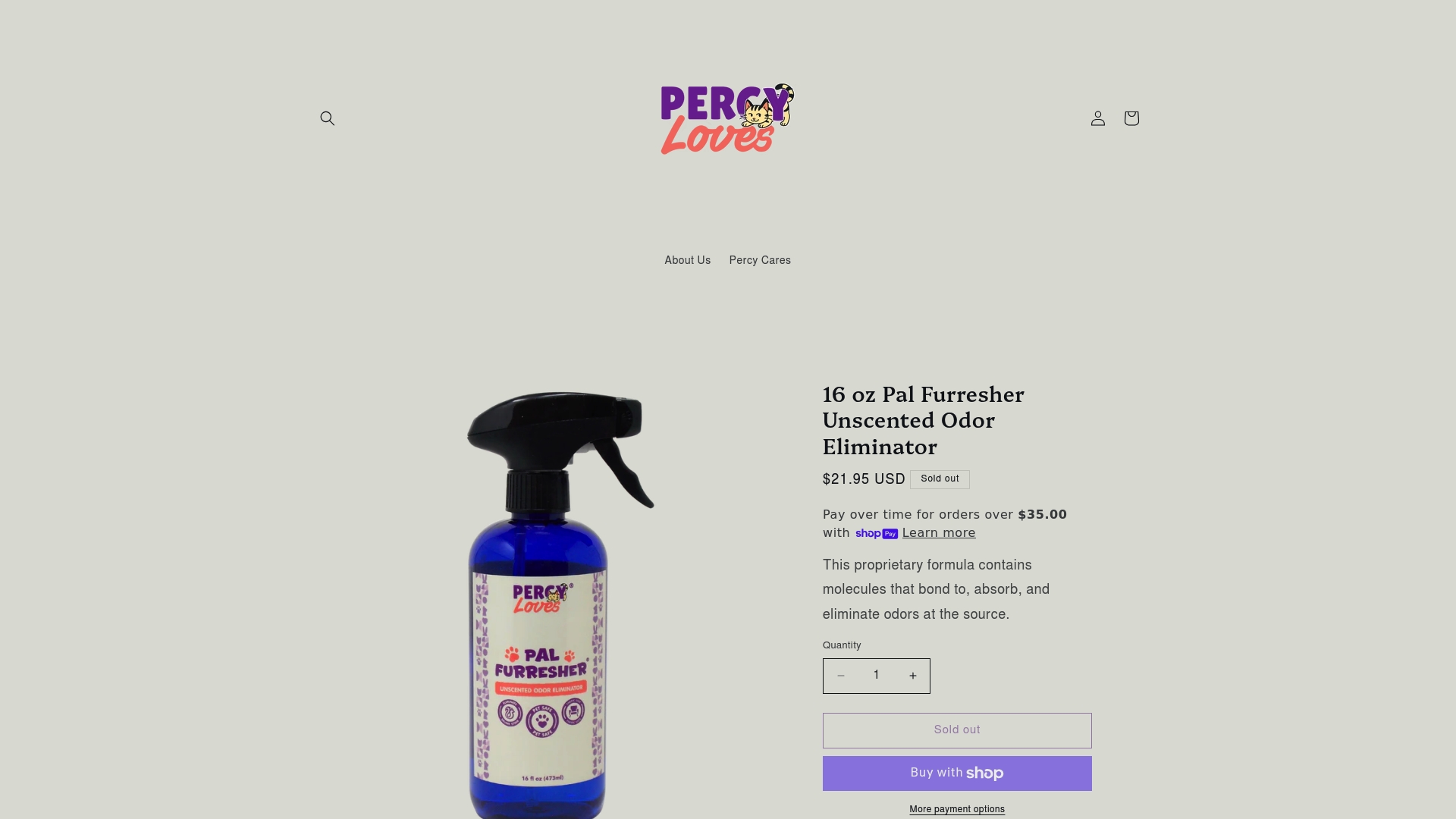
Pal Furresher is ideal for cats and dogs who are prone to licking after sprays, because even if they do lick, you don’t have to panic. If you’re looking to stock up, the Pal Furresher set gives you both a large and a travel-sized bottle so you’re covered at home and on the go. It’s the kind of product Percy himself would approve of, and trust us, he has high standards.
Frequently asked questions
Why does my cat lick itself so much after spraying odor remover?
Cats groom to remove foreign substances and restore their natural scent. The spray’s unfamiliar texture and taste trigger an instinctive cleaning response that can last 20 to 40 minutes.
Are all odor sprays safe if licked by pets?
No. Sprays containing essential oils or alcohol can be toxic when licked. Always choose a pet-specific, lick-safe formula to protect your fur baby.
What should I do if my pet grooms excessively after a spray?
Rinse the area with water, watch for symptoms like drooling, vomiting, or skin irritation, and call your vet if anything seems off. Deodorizers can poison pets if licked in large amounts, so don’t wait if you’re worried.
Can I prevent grooming after spraying my pet?
You can reduce it significantly. Vet-approved sprays and distraction techniques like treats or play right after application help minimize licking and keep your pet calm post-spray.


