

Understand pet brand quality standards for safer products
TL;DR:
- “Complete and balanced” labels are based on minimum standards, not optimal pet nutrition.
- Regulatory compliance indicates safety but doesn’t guarantee the highest quality.
- Third-party seals and transparent testing are signs of brands going beyond legal minimums.
You see “complete and balanced” on the bag and feel good about your choice. That label sounds official. It sounds safe. But here’s what many pet owners don’t realize: AAFCO’s complete and balanced claims are based on minimum standards, not optimal ones. Meeting the minimum is a starting point, not a finish line. In this guide, we’ll walk you through who sets the rules, how brands comply, what labels actually tell you, and how to spot the brands that go above and beyond for your pet’s safety.
Table of Contents
- What are pet brand quality standards?
- How pet food brands meet AAFCO and FDA requirements
- Pet product labeling: what every owner should check
- Going beyond the basics: third-party assurances and above-minimum safety
- Why minimum standards aren’t always enough for your pet
- Trustworthy options for safer pet care
- Frequently asked questions
Key Takeaways
| Point | Details |
|---|---|
| Know the standard-setters | AAFCO and FDA set most pet food rules, while NASC certifies supplements for higher safety. |
| Formulation vs. feeding trials | Formulation only checks nutrients on paper; feeding trials test with real pets for better assurance. |
| Label reading matters | Updated labels show nutrition, intended use, and ingredient order—always check these before buying. |
| Look for extra assurances | Brands with third-party seals or extra testing often exceed minimum safety standards. |
What are pet brand quality standards?
Quality standards in the pet industry define the baseline requirements for safety, nutrition, and labeling. They exist to protect your pet from harmful ingredients, mislabeled products, and nutritional deficiencies. But “baseline” is the key word here. These standards tell brands the minimum they must do, not the most they should do.
So who actually sets these rules? A few key organizations shape the landscape of pet safety standards in the U.S.:
- AAFCO (Association of American Feed Control Officials): AAFCO sets model regulations for pet food labeling, nutrient profiles, and nutritional adequacy claims. States adopt these guidelines into law.
- FDA (Food and Drug Administration): The FDA oversees pet food safety federally, requiring sanitary production under current Good Manufacturing Practices (cGMP), truthful labeling, and facility registration.
- NASC (National Animal Supplement Council): NASC focuses on pet supplements and treats, offering a voluntary quality program that goes beyond FDA minimums.
These three organizations form the core framework. AAFCO handles what goes into food and how it’s labeled. FDA handles how it’s made and whether it’s safe. NASC adds a layer of voluntary accountability for supplements.
Some brands stop at compliance. Others treat these standards as a floor, not a ceiling. The difference matters enormously when you’re choosing products for a pet who can’t read the label themselves. Checking out expert non-toxic care tips can help you go further than the label alone.
Pro Tip: Look for the NASC Quality Seal on supplements and treats. It signals a brand has passed a voluntary audit and isn’t just doing the bare minimum.
How pet food brands meet AAFCO and FDA requirements
Understanding who sets the rules helps, but how do brands actually meet these standards? There are two main paths a pet food brand can take to show their product is nutritionally adequate.
Step-by-step: how a new pet food gets approved
- Formulation or feeding trial: The brand chooses to either calculate nutrients in a lab or run a real feeding trial with animals.
- Label development: The product label is created to meet AAFCO and FDA requirements, including ingredient lists, guaranteed analysis, and nutritional adequacy statements.
- Facility registration: The manufacturing facility must be registered with the FDA.
- Production under cGMP: FDA enforces cGMP standards such as hygiene, pest control, and sanitation throughout production.
- Ongoing monitoring: Brands may be subject to inspections, recalls, or corrective actions if issues arise.
The choice between formulation and feeding trials is a big one. Here’s how they compare:
| Method | How it works | Cost | Rigor |
|---|---|---|---|
| Formulation | Nutrients calculated in a lab to match AAFCO profiles | Lower | Moderate |
| Feeding trials | Real animals fed the product and monitored | Higher | High |
Compliance methods like formulation vs. feeding trials both satisfy AAFCO requirements, but feeding trials involve actual animals confirming the food works in real life, not just on paper. Most brands use formulation because it’s faster and less expensive. That’s not automatically a red flag, but it’s worth knowing.

For a deeper look at how quality and safety for pet care connects to production practices, it helps to understand that cGMP rules cover everything from how equipment is cleaned to how ingredients are stored. These aren’t optional suggestions. They’re enforceable requirements.
Still, compliance doesn’t mean every brand performs equally. Pet safety certifications and voluntary programs can show you which brands are doing more than the law requires. And given the history of pet product recalls, it’s clear that meeting minimums doesn’t always prevent problems.
Pro Tip: If a brand advertises that their product was validated through feeding trials, that’s a transparency win. It means real animals confirmed the food’s nutritional claims, not just a spreadsheet.
Pet product labeling: what every owner should check
With compliance methods in mind, let’s turn to what information you should look for directly on pet product labels. Labels are your first window into a product’s quality, and they’ve gotten a significant upgrade.
AAFCO’s Pet Food Labeling Modernization (PFLM) rules are rolling out across the industry. Updated pet food labels now require a Nutrition Facts box, an Intended Use statement (such as “adult maintenance”), an ingredient list ordered by weight, and clearer language throughout.
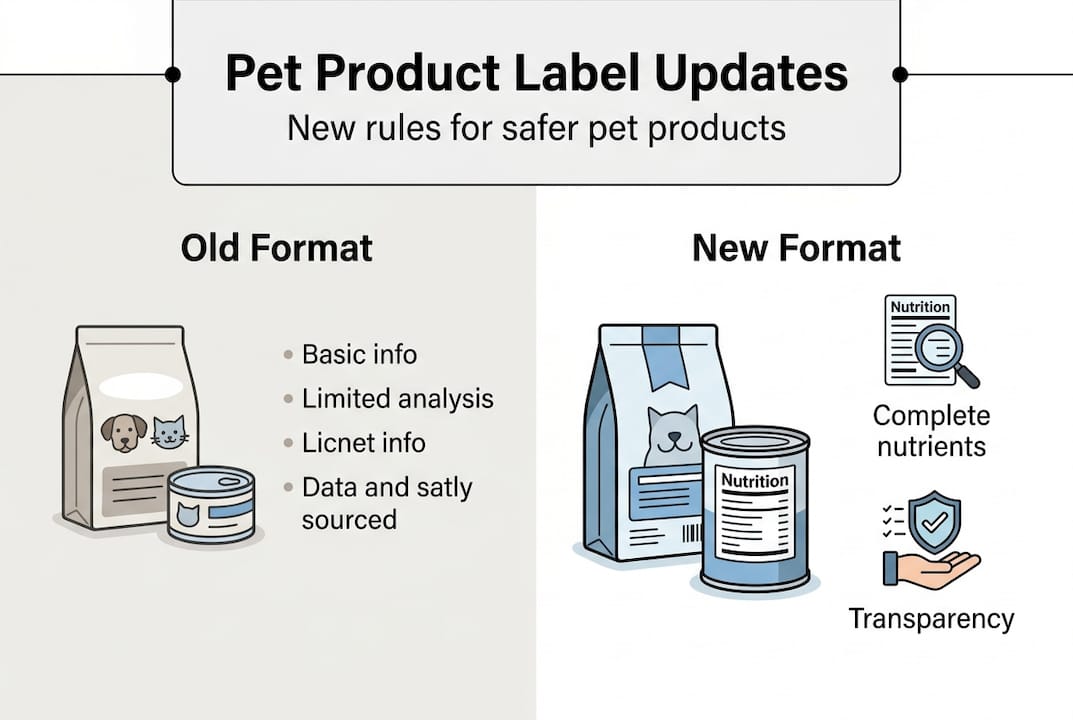
Here’s how old and new labels compare:
| Label element | Old format | New PFLM format |
|---|---|---|
| Nutrition info | Guaranteed analysis only | Full Nutrition Facts box |
| Intended use | Often vague or missing | Required, clearly stated |
| Ingredient list | Present but inconsistent | Ordered by weight, standardized |
| Calorie statement | Sometimes missing | Required |
This is genuinely good news for pet owners. The Nutrition Facts box makes it much easier to compare products side by side, just like you do for your own food. The Intended Use statement tells you exactly which life stage or condition the product is designed for.
Here’s what you should check every time you pick up a new pet product:
- Nutrition Facts box: Look for complete macronutrient information, not just protein percentages.
- Intended Use statement: Make sure it matches your pet’s life stage (puppy, adult, senior).
- Ingredient order: Ingredients are listed by weight. If a protein source is first, that’s a good sign.
- Third-party seals: NASC, non-GMO, or other certifications signal extra scrutiny.
- Manufacturer contact info: Responsible brands make it easy to reach them with questions.
For pet owners focused on more than just food, the same principles apply to safe odor control products and other everyday pet care items. Labels on sprays, wipes, and grooming products should also be transparent about ingredients and intended use. And when it comes to keeping your home clean, pet-safe cleaning tips can help you avoid hidden hazards.
Going beyond the basics: third-party assurances and above-minimum safety
Labeling is a starting point. Next, discover how certain brands go the extra mile for safety and quality.
Some brands don’t stop at regulatory compliance. They seek out voluntary programs that require more rigorous testing, independent audits, and public accountability. The NASC Quality Seal is one of the clearest signals of this. NASC provides a voluntary Quality Seal for pet supplements and treats. Earning it requires cGMP compliance, label accuracy, and contaminant testing that goes beyond FDA minimums.
Think about what that means in practice. A brand with the NASC seal has invited an outside auditor to check their work. They’ve agreed to test for contaminants that no one is legally requiring them to test for. That’s a meaningful commitment.
Here are the signs a brand is going above the basics:
- Third-party seal: NASC, NSF, or similar certification from an independent body.
- Frequent testing: Brands that test every batch, not just occasionally.
- Public reporting: Adverse event reporting or published safety data available to consumers.
- Clear sourcing: Transparent about where ingredients come from and how they’re handled.
- Responsive to questions: Willing to share certificates of analysis or batch test results on request.
“Voluntary compliance programs like NASC’s Quality Seal exist because regulatory minimums weren’t designed to address every risk. Brands that participate are signaling that they hold themselves to a higher standard, and that matters when the end user is a beloved pet who can’t advocate for themselves.”
For a full breakdown of what to look for, our non-toxic pet product guide covers ingredients and certifications worth knowing. The bottom line: regulatory compliance is the floor. The best brands build well above it.
Why minimum standards aren’t always enough for your pet
Here’s an honest take from the humans at Percy Loves: most pet products on shelves today are legally compliant. They meet the rules. But legal compliance and genuine safety aren’t always the same thing.
Minimum standards were designed to protect the average pet from the most common risks. They weren’t designed to account for your specific cat’s sensitive skin, your dog’s breed-specific nutritional needs, or your household’s unique environment. A product can pass every required test and still not be the right fit.
Truly trusted brands don’t just pass tests. They invite scrutiny. They publish their safety data. They respond when pet owners ask hard questions. And they keep improving even when the rules don’t require it.
For everyday products like odor eliminators, this matters just as much as it does for food. Our odor control and wellness guide reflects this philosophy. A product that is fragrance-free, lick safe, and works at the source of the problem isn’t just meeting a standard. It’s solving a real problem responsibly.
Pro Tip: Ask brands directly for batch test results or certification details. A brand that truly stands behind their product will share that information without hesitation.
Trustworthy options for safer pet care
You now know what quality standards exist, how brands comply, and what separates good from great. The next step is putting that knowledge to work.
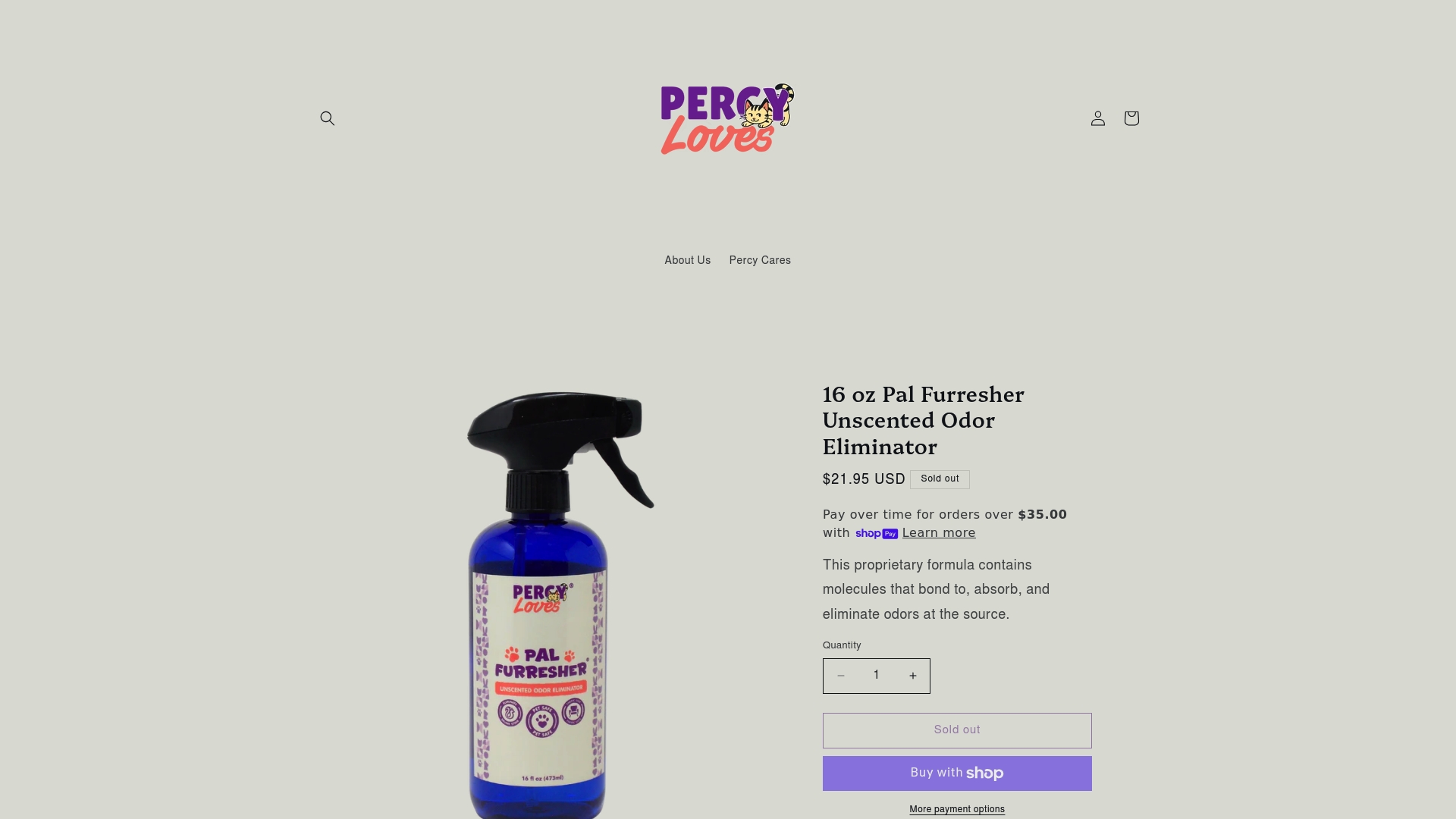
At Percy Loves, we built our products around the idea that your pet deserves more than the minimum. Our Pal Furresher odor eliminator is fragrance-free, lick safe, and tackles odors at the source rather than masking them. It was created for real pets with real problems, starting with Percy himself. Every ingredient choice reflects our commitment to safety first. Want to learn more about how we approach safety? Visit our Percy Loves safety promise page to see exactly what we stand for and how we hold ourselves accountable.
Frequently asked questions
What does ‘AAFCO approved’ really mean on pet food?
“AAFCO approved” means the product meets AAFCO’s minimum nutrient and labeling standards, not necessarily the highest quality available. It’s a baseline, and many excellent products go well beyond it.
How can I tell if a pet product is truly safe?
Look for third-party certifications like the NASC Quality Seal and brands that openly share testing data or safety reports. Transparency is one of the strongest indicators of a trustworthy brand.
What is the difference between formulation and feeding trials?
Formulation is a lab-based method that calculates whether a food meets AAFCO nutrient profiles on paper. Feeding trials involve real animals eating the food and being monitored for health outcomes, making them a more real-world confirmation of nutritional adequacy.
Do all pet treats have the same quality standards as pet food?
Treats often follow AAFCO definitions, but products with the NASC Quality Seal receive extra oversight including independent audits and contaminant testing that goes beyond standard AAFCO requirements.
Are recent pet product label changes important for owners?
Absolutely. The new AAFCO labeling modernization rules add a Nutrition Facts box and an Intended Use statement, making it much easier to compare products and confirm they match your pet’s specific needs.


