

Cat health checklist: Essential tips for happy, healthy cats
TL;DR:
- Routine vet visits and at-home exams are essential for early detection of health issues.
- Daily habits like feeding, litter monitoring, grooming, and observing activity help maintain good health.
- Consistent routines and checklists prevent missed signs, ensuring timely intervention and better long-term wellness.
Cats are masters at hiding how they feel. One day your cat seems totally fine, and the next you’re rushing to the vet for something that had been brewing for weeks. Even the most devoted cat owners can miss early warning signs without a structured approach to health monitoring. That’s exactly why a clear, practical cat health checklist matters so much. This article walks you through proven steps, from routine vet visits to at-home exams and daily habits, so you can stay ahead of problems before they become serious.
Table of Contents
- Routine veterinary visits: Your first line of defense
- At-home physical exams: Catching signs before they escalate
- Daily health checklist: Habits for thriving cats
- Recap: Cat health checklist and comparison chart
- Our perspective: The uncomfortable truths most cat owners face
- Explore easy solutions for a fresher, healthier cat environment
- Frequently asked questions
Key Takeaways
| Point | Details |
|---|---|
| Vet visits matter | Annual or biannual checkups spot hidden health issues before they worsen. |
| Home exams prevent surprises | Monthly physical checks at home keep you aware of subtle cat health changes. |
| Daily observation is key | Tracking food, water, activity, and grooming helps catch problems early. |
| Know illness signs | Recognizing warning signs like appetite changes or odd behavior can save your cat’s life. |
| Clean environment counts | A fresh, hygienic home reduces stress and supports your cat’s overall well-being. |
Routine veterinary visits: Your first line of defense
Your relationship with your vet is one of the most important investments you can make in your cat’s life. Think of it less like a reaction to sickness and more like a scheduled tune-up. Most problems, caught early, are far easier and less expensive to treat.
How often should your cat visit the vet?
The answer depends on your cat’s age. According to routine vet visit guidelines, the recommended schedule looks like this:
- Kittens: Every 3 to 4 weeks from birth until about 16 weeks, then one final visit around 6 months for spay or neuter.
- Adult cats (1 to 7 years): Once per year for a wellness exam, vaccinations, and parasite screening.
- Senior cats (7+ years): Twice yearly checkups that include blood panels, urinalysis, and blood pressure checks.
Senior visits are especially important because organ function can decline quickly in older cats. Blood tests catch changes in kidney, liver, and thyroid function long before your cat shows any outward symptoms.
What happens during a checkup?
Your vet will do a full physical assessment that covers eyes, ears, mouth, heart, lungs, abdomen, skin, and coat. They will also discuss weight trends, diet, dental health, and behavior changes. This is a great time to bring up anything that seemed off, even if it seemed minor at the time.
A good set of pet care tips for cats can help you keep track of what to mention at appointments so you don’t forget anything in the moment.
Signs of illness to watch for between visits
The most common warning signs include:
- Not eating or a sudden drop in appetite
- Vomiting or diarrhea lasting more than 24 hours
- Increased thirst or urination
- Coughing, wheezing, sneezing, or nasal discharge
- Itchy or smelly ears
- Hair loss or excessive scratching
- Stiffness, limping, or reluctance to jump
Any of these signs between scheduled visits means it’s time to call your vet, not wait for the next annual appointment. Building a solid pet health routines guide into your life makes it much easier to notice when something shifts.
With routine veterinary visits as your foundation, let’s look at what you can do at home to monitor your cat’s health.
At-home physical exams: Catching signs before they escalate
Along with vet visits, consistent home exams help you stay proactive about your cat’s health. You don’t need medical training to do this well. You just need to know what normal looks like for your specific cat, so you can spot when something changes.
Step-by-step at-home exam guide
Here’s a simple monthly routine you can build into your schedule. According to guidance on home physical exams, a thorough at-home exam covers the following areas:
- Observe posture and breathing. Watch your cat move around before you touch them. Are they walking normally? Breathing without effort? Holding their head straight?
- Check the eyes. They should be clear and bright, with no discharge, cloudiness, or uneven pupils.
- Examine the ears. Peek inside each ear. Clean pink skin is good. Dark debris, redness, or an unpleasant smell could point to infection or mites.
- Look at the nose. A small amount of clear discharge is normal. Yellow, green, or crusty buildup is not.
- Open the mouth gently. Gums should be pink and moist. Pale gums, yellowish tint, or a strong odor all warrant a vet call.
- Feel the abdomen. Gently press along the belly. Any lumps, hard spots, or a pained reaction when you touch a certain area needs professional attention.
- Inspect the skin and coat. Part the fur and look for fleas, flea dirt (tiny black specks), redness, sores, or excessive flaking.
- Check hydration with a skin turgor test. Gently pinch the skin at the back of the neck. If it springs back immediately, your cat is well hydrated. If it stays tented for a moment, your cat may be dehydrated.
- Find the femoral pulse. Press gently on the inside of the upper thigh. A normal resting cat heart rate is between 140 and 220 beats per minute.
- Take temperature if needed. A normal rectal temperature for cats falls between 100.5 and 102.5 degrees Fahrenheit. Anything outside this range is a red flag.
Pro Tip: Do your at-home exam right after a play session when your cat is relaxed and a little tired. A calm cat is far easier to check than an energetic one.
“The best thing an owner can do is learn what’s normal for their individual cat. Every cat has a baseline, and your job is to notice when that baseline shifts.”
Pairing regular home exams with great cat hygiene maintenance makes your whole routine faster and more effective. Grooming sessions are actually perfect times to sneak in a quick physical check without your cat even noticing.
When to call your vet right away
Some findings need immediate attention, not a “watch and wait” approach. Call your vet same day if you notice:
- Pale, white, blue, or yellow gums
- Breathing that looks labored or very rapid at rest
- A temperature above 104 degrees Fahrenheit or below 99 degrees Fahrenheit
- Suspected dehydration with a tented skin test
- Any lump or unusual firmness in the abdomen
Once you master physical checks, daily habits are your next layer of protection.
Daily health checklist: Habits for thriving cats
Small, consistent actions make an enormous difference over time. Daily routines give you a real-time picture of your cat’s health, and they make it much easier to catch subtle changes before they become big problems.
Nutrition and hydration
Feed your cat at consistent times each day. Portion control matters because obesity is one of the most common and preventable health problems in domestic cats. Fresh water should always be available. Many cats prefer running water, so a pet fountain can make a real difference in daily hydration.
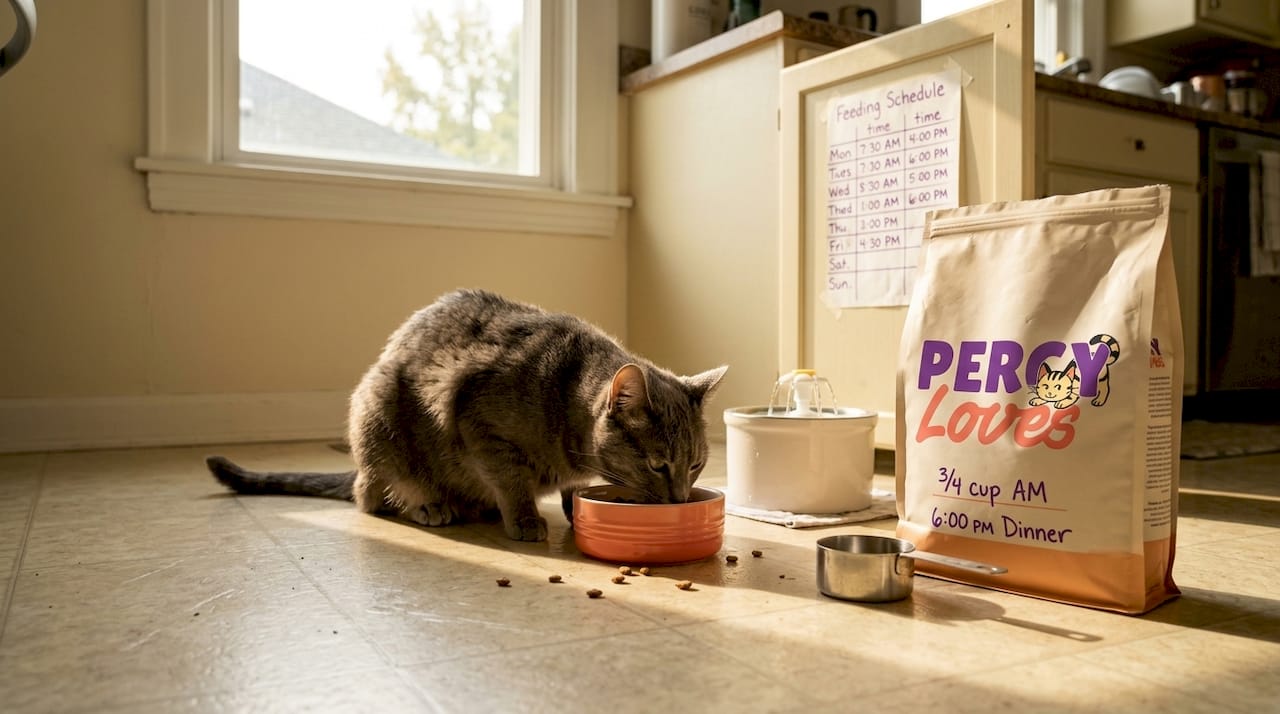
Notice if your cat is finishing meals as usual. A cat who suddenly leaves food untouched is telling you something. Likewise, a cat who suddenly seems ravenous may also warrant attention, as increased appetite can point to conditions like hyperthyroidism or diabetes.
Litter box monitoring
The litter box is basically a daily health report. Check it every time you scoop. You’re looking for:
- Normal urine clumps: Formed, consistent, one to two times per day.
- Normal stool: Formed, not too hard or too soft, once a day or every other day.
- Red flags: Blood in urine or stool, straining, crying in the box, or suddenly going outside the box.
Cats who strain to urinate, especially male cats, need emergency vet care. Urinary blockages can become life-threatening within hours.
Grooming and coat care
Daily brushing is ideal for long-haired cats and beneficial for short-haired cats too. Brushing removes loose fur, reduces hairballs, and gives you a chance to check the skin underneath. Check out these cat grooming tips to make the process easier for both of you.
Watch for excessive grooming too. Cats who lick patches bare may be dealing with allergies, parasites, or stress.
Activity and mental stimulation
A healthy cat is an active cat. Even if your cat sleeps a lot (which is totally normal), they should have engaged, playful bursts throughout the day. Interactive toys, window perches, puzzle feeders, and rotating play sessions keep their minds sharp and their bodies moving.
Pro Tip: Track your cat’s typical energy patterns for two weeks. Note when they’re most active and how long play sessions last. This gives you a personal baseline, so any drop in activity stands out immediately.
According to routine health care guidance, subtle changes like reduced playfulness, hiding more than usual, or avoiding interaction are all early signs worth noting. Your daily checklist is how you catch these patterns early.
Your daily health checklist at a glance:
- Fresh water and measured food at consistent times
- Litter box checked and scooped
- Brief coat and skin inspection during grooming
- Short play session for mental and physical stimulation
- Quick posture and breathing observation
Recap: Cat health checklist and comparison chart
To make everything actionable, here’s a clear chart summarizing your cat’s health needs.
| Health check | Frequency | Key action | Red flag signs |
|---|---|---|---|
| Veterinary visit (kittens) | Every 3-4 weeks to 6 months | Vaccines, exams, spay/neuter | Vomiting, lethargy, no appetite |
| Veterinary visit (adults) | Annually | Full physical, bloodwork if indicated | Weight loss, behavior change |
| Veterinary visit (seniors) | Twice yearly | Blood panels, urinalysis, blood pressure | Increased thirst, vomiting, stiffness |
| At-home physical exam | Monthly | Check eyes, ears, mouth, skin, hydration/pulse, temp | Lumps, pale gums, tented skin |
| Litter box check | Daily | Monitor output and consistency | Straining, blood, outside box accidents |
| Grooming and coat check | Daily (long-haired) or weekly (short-haired) | Brush, inspect skin under fur | Bald patches, sores, parasites |
| Food and water monitoring | Daily | Consistent portions, fresh water | Sudden appetite loss or major increase |
| Play and activity observation | Daily | Note energy levels and engagement | Hiding, refusing play, unusual stillness |
This pet-parent cleaning checklist pairs perfectly with your health monitoring routine, keeping your home fresh while you keep your cat healthy.
Our perspective: The uncomfortable truths most cat owners face
We at Percy Loves believe in being honest, even when the truth is a little uncomfortable. Here it is: most cat owners, including deeply devoted ones, miss early signs of illness. Not because they don’t care, but because cats are designed to hide vulnerability. It’s an evolutionary trait. In the wild, showing weakness attracts predators. Your couch cat still carries that instinct.
The uncomfortable reality is that structured routines matter more than intuition. You might be someone who has had cats for 20 years and still miss a subtle weight loss that’s been creeping in for months. That’s not a failure. That’s what happens when you rely on gut feeling instead of consistent, measurable observation.
We’ve seen this pattern come up repeatedly in conversations with cat owners. The most vigilant ones aren’t necessarily the most experienced. They’re the ones who follow a checklist, weigh their cat monthly, and log what they observe. Humility plays a huge role here. Assuming “she’s fine, she always bounces back” has cost more than one cat a faster diagnosis.
Another thing we’ve noticed: people often know something is off but wait too long to act, hoping the problem resolves on its own. Cats can deteriorate quickly once a problem is advanced. The whole point of a health checklist is to catch things when they’re still small and manageable.
The best small animal care tips center on one principle above all others: observe first, assume nothing. Give your cat the gift of your consistent attention, and let the checklist do the work of keeping you honest about what you’re seeing.
Structured routines also protect you from the “normalization” trap, where gradual changes become invisible because you’re too close to them. A monthly home exam forces you to look with fresh eyes every single time.
Explore easy solutions for a fresher, healthier cat environment
Beyond monitoring your cat’s health, maintaining a clean and fresh home is just as important for their well-being. A clean environment reduces stress for your cat, supports better hygiene, and makes daily health checks much easier when you’re not battling odors or messes.

That’s where Pal Furresher by Percy Loves comes in. Pal Furresher is a fragrance-free odor elimination spray that is completely lick safe, meaning it’s safe for cats even if they groom areas you’ve sprayed. It doesn’t mask odors; it tackles them at the source using a proprietary formula that completely eliminates the funk. Percy knows all about that funk firsthand. Whether it’s a smelly litter box area, a favorite lounging spot, or bedding that needs freshening, Pal Furresher handles it without harsh chemicals or overpowering scents that can irritate your cat’s sensitive nose. Explore the full range of cat-safe solutions at Percy Loves and give your cat the clean, safe environment they deserve.
Frequently asked questions
How often should I take my cat to the vet?
Adult cats need annual checkups; kittens go every 3 to 4 weeks until 6 months, and seniors should visit twice yearly with bloodwork to catch age-related changes early.
What should I check in my cat’s at-home exam?
Check posture, breathing, eyes, ears, mouth, teeth, gums, skin, coat, hydration, pulse, and temperature each month to build a consistent baseline for your cat.
What signs of illness should I watch for?
Look for appetite changes, vomiting, diarrhea, increased thirst or urination, cough, sneezing, itchy ears, hair loss, or a stiff and limping walk, all of which need prompt vet attention.
How do I monitor my cat’s hydration?
Gently pinch the skin at the back of the neck; if it springs back immediately, your cat is hydrated, but if it stays tented even briefly, contact your vet right away.
Are daily checklists necessary for cat health?
Daily routines help you catch subtle changes early and foster long-term wellness by giving you a reliable baseline that makes any shift in behavior or physical condition immediately obvious.


