

What is a pet parent? Understanding modern pet care in 2026
A surprising shift is reshaping American families: 1 in 10 Americans have delayed or chosen not to raise children, opting for pets instead due to financial reasons. This cultural phenomenon has elevated the term “pet parent” from casual slang to a meaningful identity. Understanding what it truly means to be a pet parent goes beyond vocabulary. It involves recognizing the responsibilities, benefits, and potential pitfalls of treating pets as family members while ensuring their health and happiness remain the top priority.
Table of Contents
- The Rise Of Pet Parenting: Social And Economic Context
- What Does It Mean To Be A Pet Parent? Language, Culture, And Responsibility
- Health And Welfare Implications Of Treating Pets Like Surrogate Children
- Practical Tips For Responsible Pet Parenting And Care
- Explore Safe Pet Care Products From Percy Loves
Key takeaways
| Point | Details |
|---|---|
| Pet parenting reflects modern social trends | Pet parenting is associated with urbanism and lower fertility rates, especially in the United States. |
| Language choice matters and varies by context | Using “pet parent” is often a strategic communicative choice that signals emotional commitment without equating pets to human children. |
| Over-humanizing pets can cause harm | Treating pets as surrogate children can have severe health consequences for the animals involved. |
| Responsible pet parenting balances affection with welfare | Prioritize species-appropriate care, safe products, and regular veterinary visits to protect pet health. |
The rise of pet parenting: social and economic context
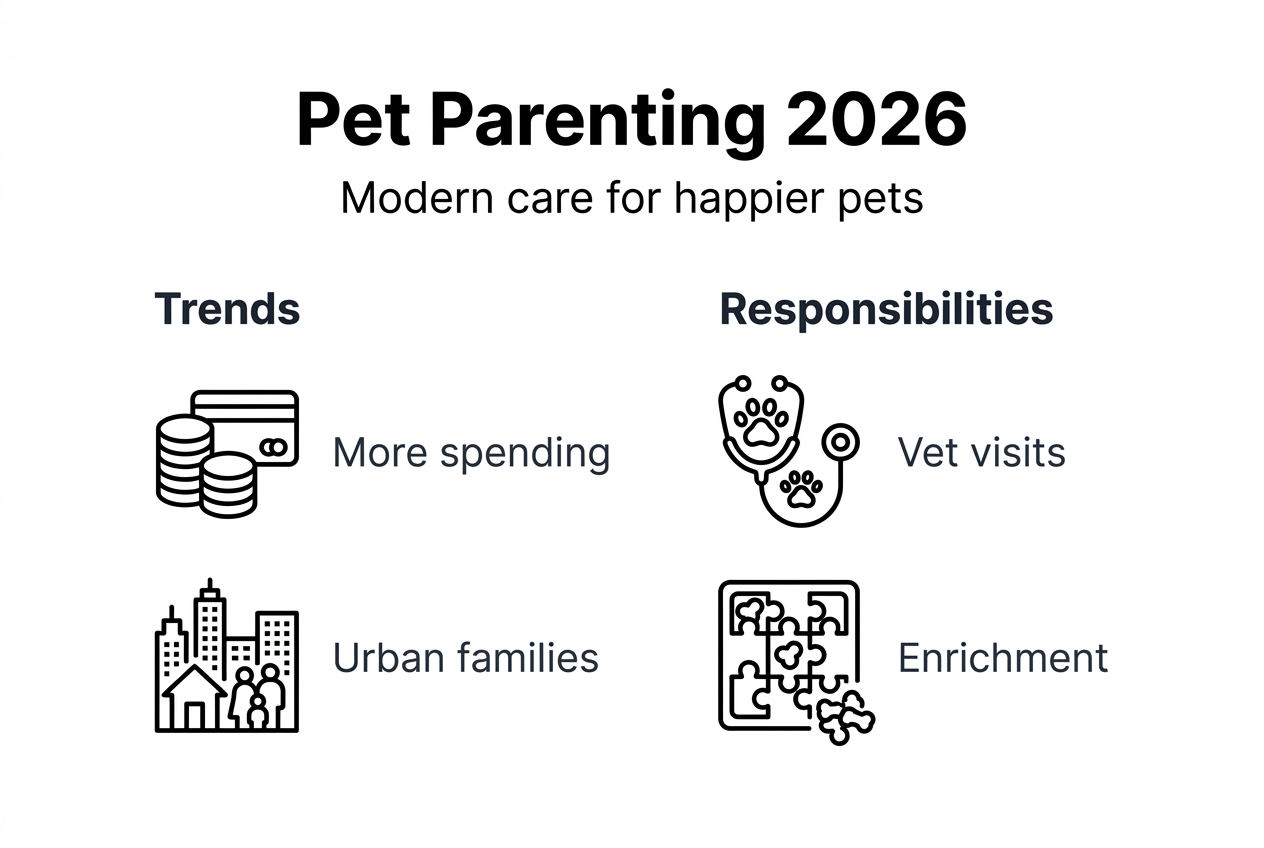
The term “pet parent” has exploded in popularity over the past two decades, driven by profound demographic and economic shifts. Pet parenting correlates with urbanism, lower fertility rates, and economic flexibility, with the trend accelerating across the United States. Urban dwellers often face space constraints and lifestyle demands that make traditional child-rearing challenging, while pets offer companionship without the same long-term commitments.
Economic factors play a major role. A causal relationship exists between the Great Recession and increased pet ownership, as people sought affordable sources of companionship during financial uncertainty. Today, inflation and housing costs continue to influence these decisions. Pets provide emotional support and routine without daycare expenses, college savings, or career interruptions.
Several key factors drive the pet parenting trend:
- Rising costs of raising children make pet ownership more financially accessible
- Delayed marriage and family formation shift emotional investment toward pets
- Urban living environments favor smaller households with flexible care arrangements
- Cultural acceptance of pets as family members normalizes parental language
- Remote work arrangements enable closer bonds between people and their animals
This shift reflects broader changes in how we define family and allocate our time, energy, and resources. For many, pet family lifestyle choices represent intentional decisions about care, commitment, and connection rather than substitutes for human relationships.
What does it mean to be a pet parent? Language, culture, and responsibility
The term “pet parent” carries different meanings depending on who uses it and when. Language about pets is contextual and strategic, not a fixed indicator of how people treat animals. You might introduce your cat as your “fur baby” to fellow pet enthusiasts but refer to yourself as a “pet owner” in legal or veterinary contexts.
This flexibility reflects how we navigate social expectations and signal our values. Using “pet parent” may not imply confusion about animal needs or ethical boundaries. Instead, it communicates emotional investment, responsibility, and a commitment to high-quality care. Research shows the term’s use is often a strategic communicative choice, varying with context and audience.
Key aspects of pet parenting identity include:
- Emotional connection that treats pets as valued family members
- Financial commitment to veterinary care, nutrition, and quality of life
- Time investment in training, socialization, and daily interaction
- Advocacy for pet welfare, safety, and appropriate treatment
- Recognition of pets’ unique needs distinct from human children
As one veterinarian noted:
“Being a pet parent means accepting responsibility for another living being’s complete physical and emotional wellbeing. It’s about making informed choices that prioritize what’s best for the animal, not just what makes us feel good.”
This balanced approach acknowledges deep affection while maintaining clear boundaries. Understanding pet family care definitions helps clarify expectations and promotes healthier relationships between people and their companion animals.
Health and welfare implications of treating pets like surrogate children
While loving your pet deeply is wonderful, treating pets as surrogate children can have severe health and welfare consequences for the animals involved. Over-humanization often stems from good intentions but can result in physical harm, behavioral problems, and diminished quality of life when pet parents prioritize their own emotional needs over species-appropriate care.
Common problems include inappropriate clothing that restricts movement or causes overheating, excessive use of strollers that leads to muscle wastage, joint damage, and obesity, and indoor-only lifestyles that deprive pets of natural behaviors. Some pet parents resist necessary veterinary procedures or delay spaying and neutering due to anthropomorphic thinking about reproductive rights.
| Humanizing Behavior | Potential Harm | Species-Appropriate Alternative |
|---|---|---|
| Dressing pets in restrictive clothing | Overheating, restricted movement, stress | Functional gear only when medically necessary |
| Constant carrying or stroller use | Muscle atrophy, joint problems, obesity | Regular walks and exercise appropriate to breed |
| Human food as treats | Digestive issues, obesity, toxicity | Species-specific treats in moderation |
| Avoiding socialization to “protect” pets | Anxiety, aggression, behavioral problems | Gradual, positive exposure to varied environments |
Pro Tip: Schedule regular veterinary wellness visits to catch humanization-related health issues early. Your vet can assess whether your pet’s weight, muscle tone, and behavior reflect appropriate care or signal over-indulgence.
Balanced care respects that pets have different needs than human children. Dogs require physical exercise and mental stimulation through play and training. Cats need vertical space, scratching surfaces, and hunting opportunities. Implementing sustainable pet care practices and choosing safe wellness products demonstrate genuine love through actions that prioritize animal welfare.
Practical tips for responsible pet parenting and care
Being a responsible pet parent means making informed decisions that balance affection with your pet’s biological and behavioral needs. Pet parents prioritize safe, effective products formulated specifically for animals, recognizing that human products can be harmful or ineffective.
Follow these evidence-based practices for optimal pet care:
- Research before adopting to match pet species and breed with your lifestyle, space, and activity level
- Establish consistent routines for feeding, exercise, and rest that align with your pet’s natural rhythms
- Invest in preventive veterinary care including vaccinations, parasite control, and dental cleanings
- Provide species-appropriate enrichment through toys, training, and environmental complexity
- Choose pet-safe cleaning and odor control products that won’t harm curious animals
- Maintain healthy boundaries by respecting your pet’s need for rest and independent time
- Stay educated about your specific pet’s breed characteristics, health risks, and nutritional requirements
Pro Tip: Create a pet care binder with vaccination records, medication schedules, emergency contacts, and your veterinarian’s after-hours information. This preparation shows true parental responsibility and ensures continuity of care during emergencies.
Your home environment significantly impacts pet wellbeing. Effective odor control maintains a fresh space without exposing pets to harsh chemicals or artificial fragrances. Pet wellness and odor control strategies include regular cleaning, proper ventilation, and lick-safe elimination products that work at the source rather than masking smells.
Consider how each purchase affects your pet’s health and safety. Read ingredient lists, verify products are formulated for animals, and check reviews from other pet parents. Making your home pet-safe and odor-free requires ongoing attention to potential hazards and proactive environmental management.
Explore safe pet care products from Percy Loves
Responsible pet parenting starts with choosing products that protect your pet’s health while solving real problems. Percy Loves specializes in safe, effective solutions designed specifically for pets and the people who love them. Their flagship product, Pal Furresher, is a fragrance-free odor eliminator that’s completely lick safe, using a proprietary formula to eliminate odors at the source rather than masking them with chemicals or perfumes.
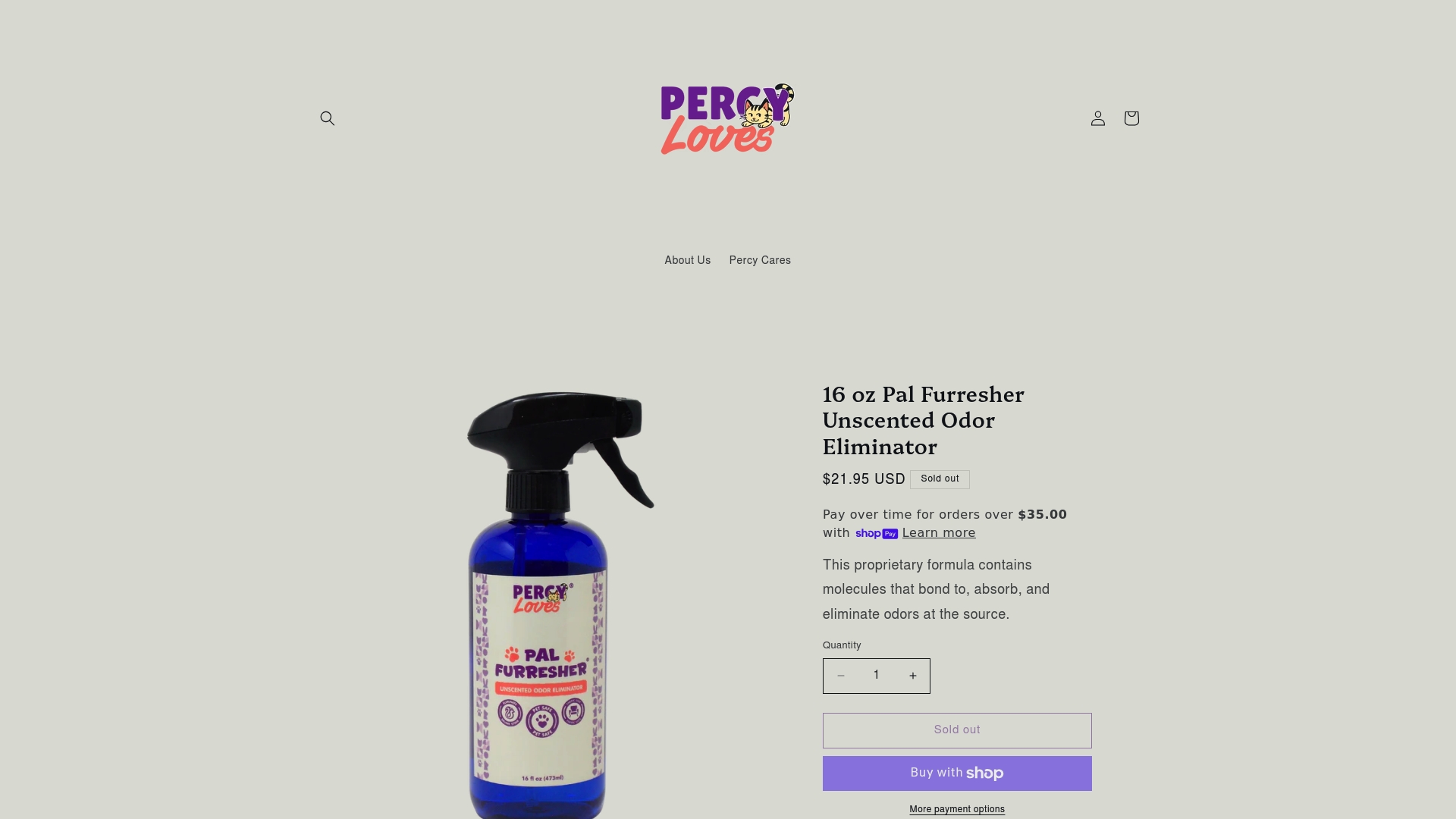
Whether you need the convenient 4 oz Pal Furresher for spot treatment, the value-sized 16 oz bottle for regular use, or the economical pack of 3 to keep multiple rooms fresh, Percy Loves offers options that fit your pet family lifestyle. These products reflect what true pet parents demand: safety first, effectiveness always, and genuine care for the animals who depend on us.
FAQ
What is the difference between a pet parent and a pet owner?
A pet owner is a general term focusing on legal possession and basic responsibility for an animal. Pet parent implies deeper emotional connection, family-like care, and commitment to prioritizing the animal’s wellbeing as you would a child’s needs. The terms often overlap, and many people use them interchangeably depending on social context.
Can treating a pet like a child harm the animal?
Yes, over-humanizing can cause severe health and welfare consequences including obesity, joint damage, and behavioral problems. Balanced care protects pet health by respecting species-specific needs rather than projecting human desires onto animals. Loving your pet deeply is wonderful, but effective care requires understanding what they truly need to thrive.
What are some safe products every pet parent should have?
Essential safe products include lick-safe odor eliminators, species-appropriate grooming supplies, and veterinarian-recommended wellness items. Always choose products specifically formulated for pets to ensure safety, as human products can contain toxic ingredients. Check safe pet wellness products for guidance on selecting effective, animal-safe solutions.
How do I know if I’m over-humanizing my pet?
Watch for signs like restricting natural behaviors, resistance to species-appropriate activities, or prioritizing your emotional comfort over your pet’s physical needs. If your pet shows anxiety, weight gain, or behavioral changes, consult your veterinarian. Healthy pet parenting balances affection with respect for your animal’s biological requirements and natural instincts.


