

Pet Travel Essentials Checklist for a Safe Trip
TL;DR:
- Packing for your pet requires careful preparation of ID, health documents, and safety-certified gear to ensure a safe journey.
- Using crash-tested crates and harnesses that meet safety standards minimizes injury risks during transit, especially in accidents.
- Including familiar comfort items, proper food and water supplies, and odor eliminators like Pal Furresher makes travel less stressful and more hygienic for your pet.
Packing for yourself is easy. Packing for your pet? That’s where things get complicated fast. A solid pet travel essentials checklist is the difference between a smooth, enjoyable trip and a stressful scramble for supplies mid-journey. Whether you’re road-tripping with your dog, flying with your cat, or bringing along a small animal like a guinea pig or ferret, the right prep makes all the difference. This guide covers everything from ID documents and safety-certified gear to comfort items and odor control, so you and your fur baby can travel with confidence.
Table of Contents
- Key takeaways
- 1. Your pet travel essentials checklist starts with ID and documents
- 2. Safety-certified travel gear: crates, harnesses, and carriers
- 3. Nutrition and hydration for traveling pets
- 4. Comfort and hygiene items to keep pets calm
- 5. Building a practical travel day routine
- 6. Emergency preparedness: your pet first aid kit
- My honest take on traveling with pets
- Keep travel spaces fresh with Percyloves Pal Furresher
- FAQ
Key takeaways
| Point | Details |
|---|---|
| Start with ID and health docs | Up-to-date tags, microchip info, and vet health certificates prevent delays and emergencies. |
| Choose certified safety gear | Only CPS crash-tested harnesses and crates offer real protection in accidents. |
| Pack familiar comfort items | Blankets and toys that smell like home reduce pet anxiety in unfamiliar spaces. |
| Plan food and water carefully | Bring your pet’s regular food plus extra supply, and pack home water for sensitive pets. |
| Add an odor eliminator | A safe, non-toxic spray like Pal Furresher keeps travel spaces fresh without harsh chemicals. |
1. Your pet travel essentials checklist starts with ID and documents
Before you zip up a single bag, get your paperwork in order. This is the step most pet owners skip until the last minute, and it causes real problems.
Make sure your pet has a current ID tag on their collar with your phone number. Add a temporary travel tag that includes your destination address or a contact number where you can be reached during the trip. If your pet is microchipped, confirm the registration is active and the contact info is current. Chips mean nothing if the database has an old phone number.
For domestic travel, many destinations and pet-friendly hotels ask for proof of vaccinations. For international travel, the rules are much stricter. The USDA endorses health certificates within a 10-day window before your pet arrives, and that window starts from the electronic endorsement date, not the vet exam date. That distinction trips up a lot of pet parents.
- Rabies vaccine certificate (required almost everywhere)
- Core vaccine records (distemper, parvovirus for dogs; FVRCP for cats)
- Health certificate signed by your USDA-accredited vet
- USDA-endorsed documentation for international trips
- Microchip records with current contact information
- Any prescription medication paperwork
Pro Tip: Schedule your vet appointment at least three weeks before departure. This gives you time to correct any paperwork issues before the USDA endorsement window closes.
Organize everything in a waterproof folder or zip pouch. Put it at the top of your bag. You do not want to dig for a vaccine record at a border crossing.
2. Safety-certified travel gear: crates, harnesses, and carriers
Here’s something most people don’t realize. The vast majority of pet travel gear on the market has never been tested in a real crash scenario. Products labeled “crash tested” have often failed safety requirements that actually matter. Marketing language and genuine safety certification are two very different things.
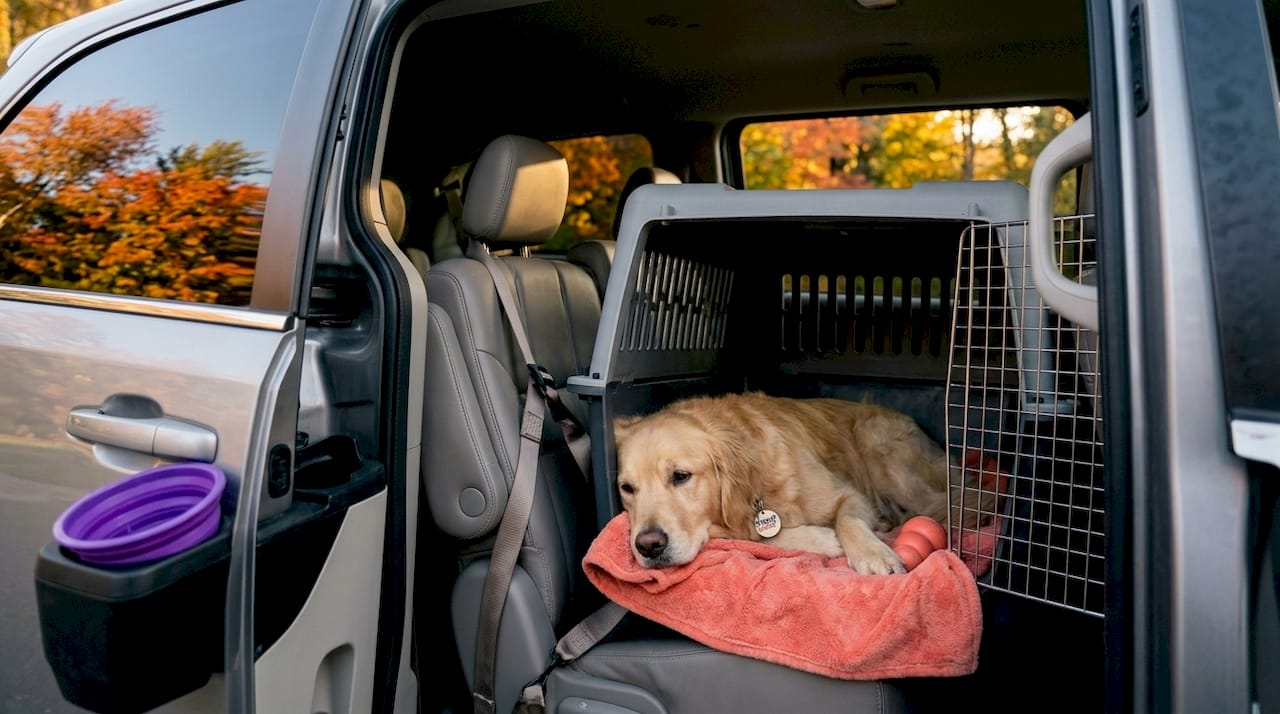
The Center for Pet Safety (CPS) certification is the only reliable indicator of real crash protection. The Sleepypod Clickit Sport Plus harness and the Gunner G1 crate are among the few products that have passed rigorous 30 mph crash testing. Standard wire crates, soft carriers, and generic walking harnesses are designed for convenience, not impact protection.
The Gunner G1 is worth understanding in detail. It’s built using rotomolded construction, the same method used for heavy-duty coolers, which creates a crumple zone effect during sudden impact forces. That means the crate absorbs force instead of transferring it directly to your pet.
When you anchor a crate in your vehicle, never use bungee cords. A bungee cord has no rated load capacity. Strength-rated ratchet straps with metal D-rings are the only way to prevent a crate from becoming a projectile in a crash.
For sizing, fit matters as much as brand. Your pet should be able to stand, turn around, and lie down comfortably. Too much extra space allows dangerous momentum shifts during sudden stops.
Pro Tip: Look for the CPS certification mark specifically, not just the phrase “crash tested.” Many products use that phrase without ever going through standardized testing.
3. Nutrition and hydration for traveling pets
A change in food or water during a trip can upset your pet’s stomach quickly. This is one of the most overlooked items on any pet packing list, and it leads to messy and uncomfortable situations for everyone.
Bring your pet’s regular food plus at least two extra days worth of supply. Trip delays happen. Stores in your destination may not carry your pet’s specific brand or formula. Running out and switching foods mid-trip is a recipe for digestive upset.
Pack the food in an airtight container. This isn’t just about freshness. Airtight storage prevents rancid fat buildup and keeps smells contained, which matters a lot in a hotel room or car.
- Airtight food container with enough food for the full trip plus two extra days
- Collapsible travel bowls for food and water (lightweight and packable)
- A sealed water bottle filled from home, especially for pets with sensitive stomachs
- A small bag of your pet’s favorite treats for positive reinforcement during stressful moments
- A feeding schedule written down so caregivers or travel companions can maintain routine
Feed your pet three to four hours before departure, not right before. Eating too close to travel time, especially in a moving vehicle, increases the risk of motion sickness and nausea.
When you arrive at your destination, transition slowly from home water to local water by mixing them. This small step prevents tummy troubles that can start within 24 hours of switching.
4. Comfort and hygiene items to keep pets calm
Travel is stressful for animals. They don’t know where they’re going or when they’ll get home. What they do recognize is smell. Familiar scents from home genuinely reduce anxiety in pets during unfamiliar travel situations, and this applies to dogs, cats, and small animals alike.
Pack your pet’s regular sleeping blanket or bed. If they have a favorite crate insert, bring it. Don’t wash it before the trip. You want it to smell like your house, not laundry detergent.
- Favorite blanket or crate mat with familiar scent
- A quiet toy or enrichment item like a lick mat or snuffle mat
- Poop bags in abundance (double what you think you’ll need)
- Pet-safe grooming wipes for quick cleanups on the road
- A small brush or comb if your pet needs regular grooming
Now for the item that doesn’t get nearly enough attention on most pet packing lists: an odor eliminator. Accidents happen. Pets mark new spaces. Hotel rooms and rental cars pick up pet smells fast. You need something that actually removes the odor rather than masking it with fragrance.
Percyloves Pal Furresher was built for exactly this situation. It’s fragrance-free, non-toxic, and completely enzyme-free. It doesn’t cover odors with scent. It works at the source to absorb and eliminate the problem completely. And because it’s lick-safe for pets, you don’t have to stress if your cat or rabbit gives the sprayed surface a once-over.
Pro Tip: Keep Pal Furresher in an accessible outer pocket of your bag, not buried at the bottom. When accidents happen in hotel rooms, you want it immediately.
5. Building a practical travel day routine
Road trips with pets go sideways when pet parents forget to plan the journey itself, not just the destination. A few small habits keep things safe and low-stress throughout.
Stop every two to three hours on road trips. This gives your pet a chance to stretch, drink water, and relieve themselves. It also protects them from heat. Car interiors can reach 104°F in under 30 minutes even when outside temperatures feel mild. Cracking a window is not enough protection.
Always leash your pet before opening a car door or crate. Unfamiliar environments trigger bolt responses in even the calmest animals. One opened door at a rest stop in an unfamiliar location can turn into a lost pet situation very quickly.
Building a solid pet health routine before your trip also makes travel day easier. Pets that are comfortable with their carriers and routines beforehand handle the stress of travel much better.
6. Emergency preparedness: your pet first aid kit
Most pet travel packing lists skip this or treat it as optional. It’s not. A well-stocked pet first aid kit should be one of the first things you pack, and it should live somewhere accessible during the trip.
- Styptic powder to stop minor bleeding from nail breaks or small cuts
- Tweezers or a tick removal tool
- Vet-approved antihistamine for allergic reactions (confirm dosage with your vet before the trip)
- Gauze pads and medical tape
- Emergency contact card with your home vet’s number, an emergency vet near your destination, and the ASPCA Poison Control hotline
- Any prescription medications your pet takes regularly, with extra doses
Keep medication in a clearly labeled, sealed bag at the top of your travel kit. You should be able to reach it in under 30 seconds.
Pro Tip: Look up the nearest emergency vet clinic to your destination before you leave home. Save the address and phone number in your phone. This takes three minutes and could save your pet’s life.
My honest take on traveling with pets
I’ve traveled with my own cat and watched plenty of fellow pet parents show up underprepared. The most common mistake I see isn’t forgetting an item. It’s underestimating how much routine matters to an animal.
I used to think I could wing it with whatever pet gear I had on hand. The first time I invested in a real crash-tested crate and strapped it down properly with ratchet straps, I felt a difference I can’t fully describe. It’s not just about your pet being safer. It’s about being able to drive without a low-level anxiety humming in the background.
The other thing that genuinely changed our trips was bringing everything that smelled like home. I stopped washing the travel blanket. I started packing the same toys every time. My cat stopped pacing in hotels.
And Pal Furresher quietly became a non-negotiable in our bag. Not because accidents are guaranteed, but because when they happen, you want something that actually works and won’t make a sensitive pet sick. No fragrance, no harsh chemicals, no worry.
Traveling with your pet should feel like an adventure, not a gamble. The checklist takes the guesswork out of it.
— Kathy
Keep travel spaces fresh with Percyloves Pal Furresher
Pet odors in hotel rooms, rental cars, and crates are a real concern for traveling pet parents. You don’t want to damage your deposit, stress out your pet with heavy fragrance sprays, or use something that could harm a licking-prone cat or curious ferret.
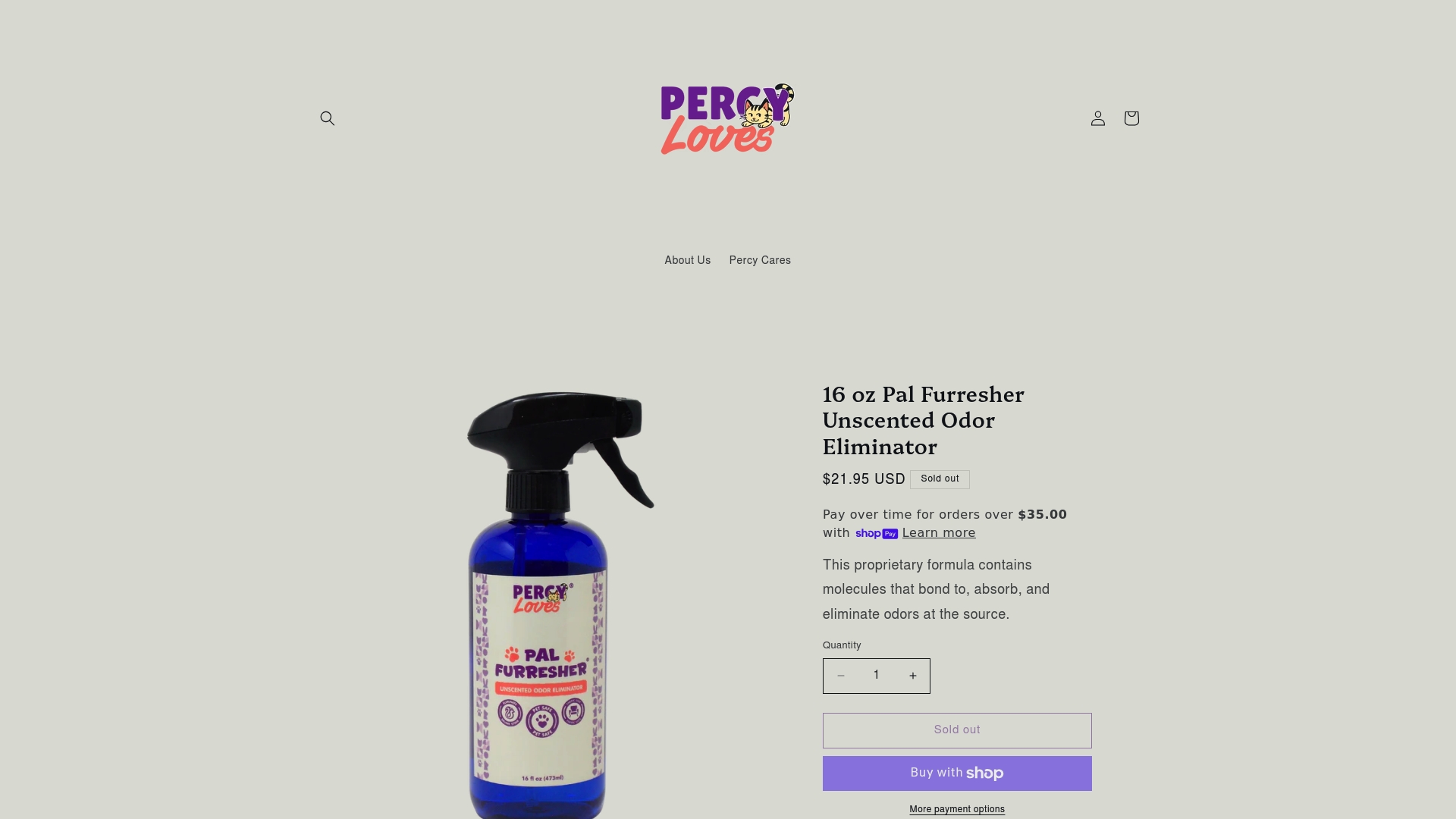
That’s where Pal Furresher comes in. This unscented, non-toxic, enzyme-free spray tackles odors at the source the moment it makes contact. No covering up smells. No harsh ingredients. Just clean, fresh air that’s completely safe for every pet in your crew, including small animals.
The travel-friendly 4 oz size fits easily in any bag and is perfect for hotel rooms and crates on the go. If you’re traveling with multiple pets or heading out for an extended trip, the 16 oz bottle has you covered. Add it to your pet travel essentials checklist. It’s one of those items you’ll wonder how you ever traveled without.
FAQ
What documents do I need for pet travel?
You’ll need current vaccine records, an ID tag, and microchip documentation at minimum. For international travel, a USDA-endorsed health certificate is required, and the endorsement must fall within 10 days of your arrival date.
How do I choose safe pet travel gear for a car?
Look for CPS-certified harnesses and crates that have passed 30 mph crash testing. Products like the Sleepypod Clickit Sport Plus and Gunner G1 crate are among the few that meet real safety standards. Generic harnesses and wire crates don’t offer meaningful crash protection.
How often should I stop on a road trip with my pet?
Stop every two to three hours to let your pet stretch, drink water, and use the bathroom. Always leash your pet before opening the car door, and never leave them alone in a parked vehicle since interior temperatures rise dangerously fast.
What should I pack in a pet first aid kit for travel?
Pack styptic powder, tweezers or a tick remover, vet-approved antihistamine, gauze, medical tape, and all prescription medications with extra doses. Keep it at the top of your bag for fast access.
Is Pal Furresher safe to use around all pets?
Yes. Pal Furresher is fragrance-free, non-toxic, and enzyme-free, and it’s lick-safe for cats, dogs, and small animals. It works by absorbing and eliminating odors at the source rather than masking them with scent or chemicals.


