

Dog teeth need cleaning: a safe dental care guide
TL;DR:
- Most dog owners overlook the importance of dental cleaning until their pet shows signs of pain or disease. Regular brushing, professional checkups, and awareness of warning signs are crucial for preventing costly oral health issues below the gumline. Anesthesia-based dental cleanings are essential, as they allow thorough treatment that is impossible with anesthesia-free procedures.
Most dog owners don’t realize their dog’s teeth need cleaning until something goes wrong. Bad breath gets blamed on diet. A reluctant chew gets chalked up to preference. But the real problem is usually hiding below the gumline, quietly building into something painful and expensive. Dental disease is one of the most common health issues in dogs, and it rarely announces itself early. This guide covers everything you need to know: the biology behind the buildup, how to clean your dog’s teeth safely at home, the right products to use, and exactly when to call your vet.
Table of Contents
- Why dog teeth need cleaning: understanding the hidden risks
- Getting ready: what you need before cleaning your dog’s teeth at home
- Step-by-step guide to cleaning your dog’s teeth safely at home
- Recognizing when it’s time for professional dental cleaning
- Why anesthesia-free dog dental cleanings miss the mark
- Keep your dog’s smile fresh with Percy Loves Pal Furresher
- Frequently asked questions
Key Takeaways
| Point | Details |
|---|---|
| Early plaque control | Daily toothbrushing prevents plaque from hardening into damaging tartar that causes gum disease. |
| Professional cleanings needed | At least annual veterinary dental cleanings under anesthesia are essential to reach disease under the gumline. |
| Safe home care tools | Use pet-safe toothbrushes, VOHC-approved dental products, and build your dog’s tolerance gradually. |
| Anesthesia ensures thorough care | Anesthesia allows complete exams, X-rays, and effective cleaning that anesthesia-free methods cannot provide. |
| Complement with odor control | Non-toxic products like Percy Loves Pal Furresher help maintain a fresh mouth environment safely. |
Why dog teeth need cleaning: understanding the hidden risks
To care for your dog’s teeth properly, you need to understand what you’re actually fighting. It’s not just about fresh breath or a pretty smile. It’s about stopping a biological process that, left unchecked, causes real pain and lasting damage.
Dental plaque forms shortly after a dog eats. If it’s not removed, it hardens into tartar (calculus), which irritates the gums and lets bacteria thrive below the gumline. That last part matters most. The disease doesn’t live on the surface where you can see it. It lives underneath, in the space between the tooth and the gum, where it quietly destroys bone and tissue.
Here’s what that progression looks like in real terms:
- Plaque forms within hours of eating, a soft, sticky film of bacteria
- Tartar develops when plaque mineralizes, typically within 24 to 72 hours
- Gingivitis follows, causing red, swollen, bleeding gums
- Periodontal disease sets in when bacteria reach below the gumline, damaging the structures that hold teeth in place
- Systemic spread can occur when oral bacteria enter the bloodstream, potentially affecting the heart, kidneys, and liver
“A comprehensive veterinary professional dental cleaning is performed under general anesthesia so the vet can clean above and below the gumline and conduct an intraoral exam with dental X-rays. Anesthesia-free cleanings can miss and leave disease below the gumline.” — American Humane Society
This is why dog home cleaning safety practices matter so much at every level, from daily brushing at home to full professional cleanings at the vet. Home care slows the buildup. Professional care removes what home care can’t reach and catches problems before they become emergencies.
Getting ready: what you need before cleaning your dog’s teeth at home
Before you put a toothbrush anywhere near your dog’s mouth, you need the right tools and a realistic plan. Walking in unprepared is how you end up with a stressed dog and a bitten finger.
Toothbrushing is the gold standard for reducing plaque, and the goal should be daily if possible, or at least multiple times per week. That’s a high bar for many dogs. The good news is that you can build up to it gradually, and there are supportive tools that help fill the gaps.
What to gather before you start:
- A soft-bristle toothbrush designed for dogs or a silicone finger brush
- Pet-safe toothpaste in a flavor your dog finds appealing (chicken, beef, and peanut butter are common favorites)
- VOHC-accepted dental products like approved chews or water additives as supplemental support
- Treats or a favorite toy for positive reinforcement after each session
- A calm, quiet space with good lighting
Here’s a quick look at your main tool options and how they stack up:
| Tool | Best for | Replaces brushing? |
|---|---|---|
| Dog toothbrush | Daily plaque removal | Yes, this is brushing |
| Finger brush | Dogs new to brushing | Yes, gentler option |
| Dental chews (VOHC-approved) | Supplemental plaque control | No |
| Water additives (VOHC-approved) | Easy daily support | No |
| Dental wipes | Quick surface clean | No |
If your dog doesn’t tolerate brushing, the missing link is gradual desensitization combined with supplemental Veterinary Oral Health Council (VOHC)-approved tools like chews, diets, or water products for plaque disruption. These are supportive, not standalone solutions. Think of them as the backup, not the plan. You can explore more about choosing safe dog dental care products that work well alongside your brushing routine.
Pro Tip: Never use human toothpaste on your dog. Fluoride and xylitol, both common in human formulas, are toxic to dogs. Always use a toothpaste specifically formulated for pets.
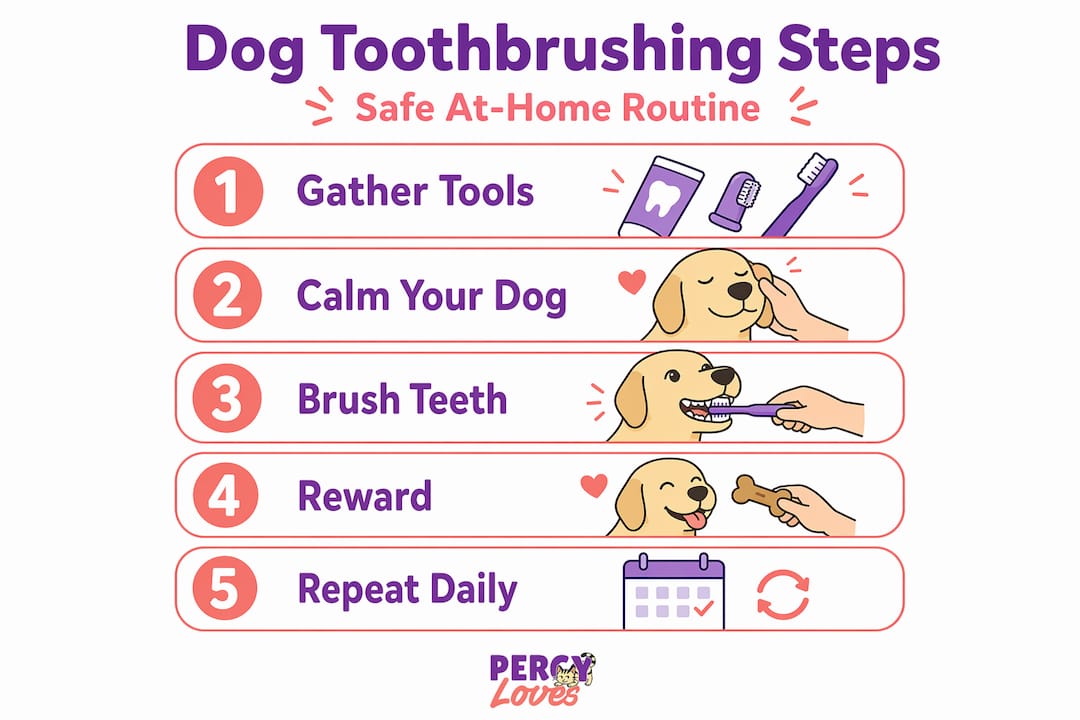
Step-by-step guide to cleaning your dog’s teeth safely at home
With your tools ready and your routine set, here’s exactly how to clean your dog’s teeth step by step. Go slowly. Consistency beats perfection every single time.
-
Start with touch. Before introducing any tools, spend a few days simply touching your dog’s muzzle and gently lifting their lips. Let them sniff the toothbrush. Build comfort first.
-
Introduce the toothpaste. Put a small amount of pet-safe toothpaste on your finger and let your dog lick it. Most dogs enjoy the flavor, and this creates a positive association before the brush ever enters the picture.
-
Add the brush. Apply a pea-sized amount of toothpaste to the brush. Lift your dog’s lip on one side and begin with just a few teeth. Use small, circular motions along the outer surfaces, paying close attention to the area right at the gumline.
-
Work in short sessions. Aim for 30 to 60 seconds per session at first. You don’t need to brush every tooth in one go when you’re starting out. Gradual progress is real progress.
-
Focus on the outer surfaces. Dogs’ tongues naturally clean the inner surfaces of their teeth. Your job is the outside, especially the upper back molars where tartar tends to build fastest.
-
End with a reward. Always finish with praise, play, or a treat. You want your dog to associate toothbrushing with something good, not something to dread.
-
Supplement when needed. If you can’t complete a full brushing session, use a VOHC-approved dental chew or add a water additive to their bowl. These won’t replace brushing, but they help on tough days.
Brushing must be done before plaque mineralizes into tartar, which takes 24 to 72 hours. Daily brushing is ideal. That window is shorter than most people expect, which is why skipping days adds up fast.
Pro Tip: Brush at the same time every day, ideally after your dog’s last meal. Tying it to an existing habit, like your own bedtime routine, makes it far easier to stay consistent. For more ideas on keeping your whole home clean and safe, check out these dog home hygiene tips and pet parenting hygiene practices that work alongside daily brushing.
Recognizing when it’s time for professional dental cleaning
Home care is essential. But it has a ceiling. No matter how diligent you are with brushing, there are places a toothbrush simply cannot reach. Knowing when to hand things over to your vet is just as important as knowing how to brush.

Most dogs show some level of periodontal disease by age three, often without obvious symptoms. That statistic is worth sitting with. Your dog can have significant dental disease and still eat, play, and act completely normal. Dogs are wired to hide pain.
Warning signs that your dog needs a professional dental exam:
- Persistent bad breath that doesn’t improve with brushing
- Red, swollen, or bleeding gums
- Visible yellow or brown tartar coating the teeth
- Difficulty chewing, dropping food, or chewing on one side only
- Pawing at the mouth or face
- Loose or missing teeth
- Facial swelling near the jaw or eye
Dogs generally need professional dental cleanings at least once a year, though frequency varies by age, breed, and dental health. Small breeds and brachycephalic dogs (those with flat faces, like Bulldogs and Pugs) often need more frequent cleanings due to crowded teeth and genetic predisposition to dental disease.
Here’s what a professional cleaning actually involves:
| Step | What it does |
|---|---|
| Pre-anesthetic exam and bloodwork | Confirms your dog is safe for anesthesia |
| Anesthesia | Allows thorough, pain-free examination and treatment |
| Scaling | Removes tartar above and below the gumline |
| Probing | Checks for pockets of disease between teeth and gums |
| Dental X-rays | Reveals disease hidden below the surface |
| Polishing | Smooths tooth surfaces to slow future plaque buildup |
| Treatment | Extractions or other care for diseased teeth |
“Anesthesia is necessary for thorough dental assessment and cleaning, including X-rays and treatment below the gumline.” — American Kennel Club
Anesthesia-free dentistry is considered malpractice by many veterinary dental specialists. It’s a cosmetic procedure, not a medical one. You can review what a veterinary dental cleaning involves to better prepare for your dog’s next appointment.
Why anesthesia-free dog dental cleanings miss the mark
Here’s something the wellness industry doesn’t want to say out loud: anesthesia-free dental cleanings are largely theater. They look good. Your dog’s teeth may appear whiter afterward. But the disease that matters, the kind that causes bone loss, tooth loss, and systemic infection, lives below the gumline. And without anesthesia, that area is completely off-limits.
The American Veterinary Dental College strongly opposes anesthesia-free dentistry for companion animals due to its inability to treat disease below the gumline and the real risks of injury to an awake, stressed animal. This isn’t a fringe opinion. It’s the professional consensus.
Without anesthesia, it’s impossible to probe, take dental X-rays, or remove tartar below the gumline, which means much of the dental disease remains untreated. You’re paying for the appearance of dental care, not the reality of it.
We understand the appeal. Anesthesia sounds scary. It costs more. It requires bloodwork and a full day at the vet. But here’s the honest truth: modern veterinary anesthesia protocols are carefully tailored to each patient, with pre-anesthetic screening and continuous monitoring throughout the procedure. The risk of anesthesia is genuinely low for healthy dogs. The risk of untreated periodontal disease is not.
Think of it this way. You wouldn’t accept a dental cleaning from your own dentist that only polished the visible surfaces of your teeth and skipped the exam, the X-rays, and the cleaning between your gums. Your dog deserves the same standard of care.
The humans at Percy Loves believe that being a great pet parent means making informed choices, even when those choices are inconvenient or cost more upfront. Anesthesia-based dental care isn’t a luxury. It’s the baseline. Pair it with consistent safe home dental care and you’ve built a real dental health plan for your dog.
Keep your dog’s smile fresh with Percy Loves Pal Furresher
Daily brushing and regular vet visits form the core of your dog’s dental care routine. But what about the odors that linger in between? That’s where Pal Furresher comes in.
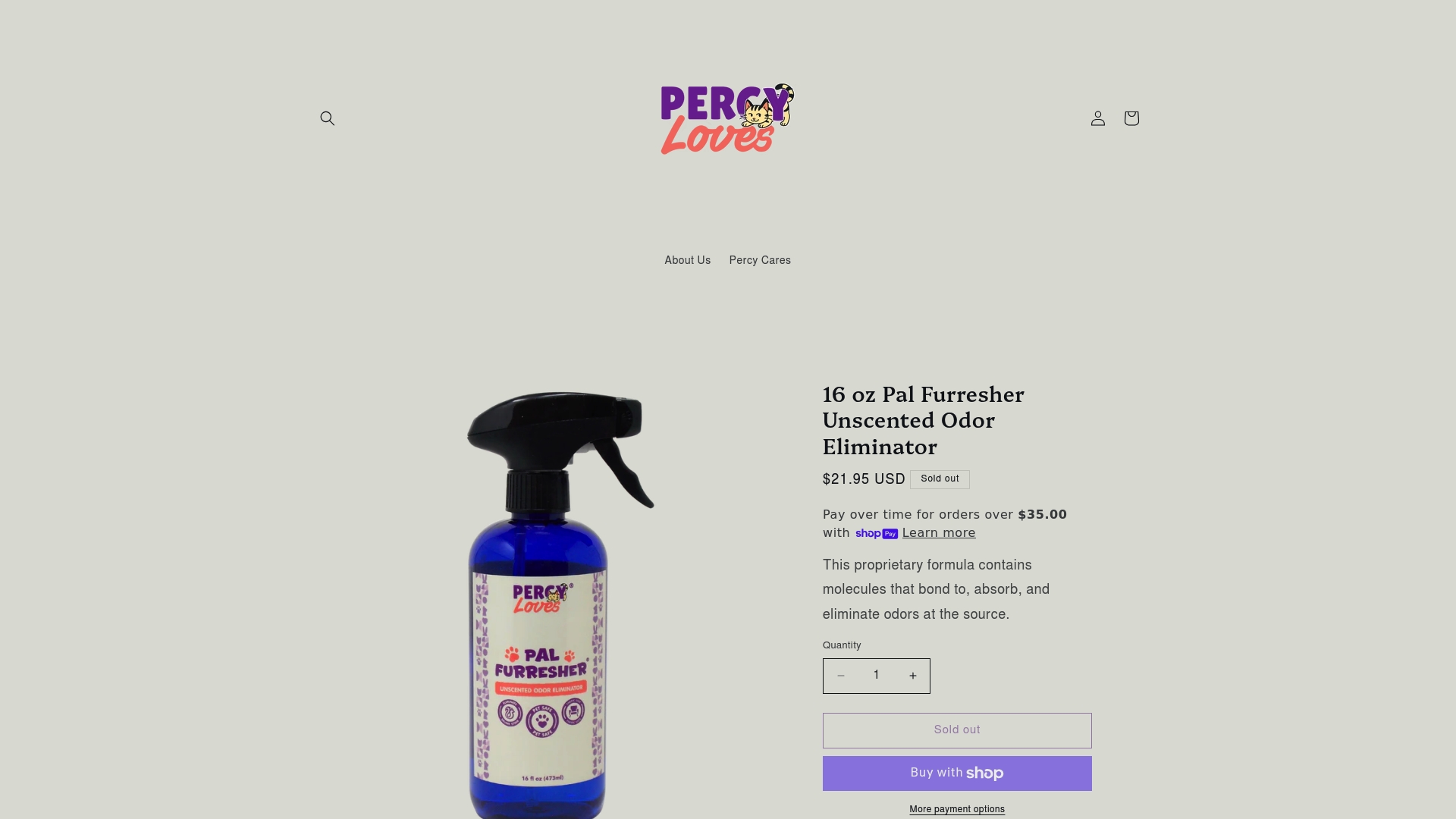
Pal Furresher is fragrance-free, enzyme-free, and completely lick-safe. It doesn’t mask odors. It bonds to odor molecules and eliminates them at the source, instantly upon contact. No harsh chemicals. No synthetic scents. Just clean. It’s safe for homes with dogs, cats, and even the most sensitive small animals. Use it on bedding, furniture, or anywhere your pup hangs out to keep your home smelling fresh between dental appointments. The 4 oz Pal Furresher is perfect for on-the-go use, and if you want to stock up, the Pal Furresher value pack has you covered.
Frequently asked questions
How often does my dog really need professional dental cleaning?
Most dogs need a professional veterinary dental cleaning at least once a year, but the right frequency depends on your dog’s breed, age, and current dental health. Ask your vet to assess your dog’s mouth and recommend a personalized schedule.
Can I replace brushing with dental treats or water additives?
Dental chews and water additives are best used as add-ons, while brushing remains the most effective home method for controlling plaque and tartar. Treats and additives help, but they cannot mechanically remove plaque the way a toothbrush does.
Is anesthesia safe for my dog during dental cleanings?
Modern veterinary anesthesia is very safe, with pre-anesthetic testing and monitoring making anesthesia risks extremely low compared to the long-term damage untreated dental disease can cause. Talk to your vet about the specific protocols they use to keep your dog safe.
What signs indicate my dog needs a professional dental exam?
Watch for persistent bad breath, swollen or bleeding gums, visible tartar, difficulty chewing, pawing at the mouth, or facial swelling, as these may all signal dental disease that needs veterinary attention right away.


