

What Are Pet Toxins? a Safety Guide for Pet Parents
TL;DR:
- Pet toxins are often everyday household items like medications, foods, and plants, not rare chemicals or outdoor plants. Securing medications, cleaning products, and accessible foods can significantly reduce the risk of pet poisoning, and recognizing symptoms allows for prompt action. Awareness and swift response empower pet owners to prevent emergencies in their homes by controlling access and knowing common toxic substances.
Most pet owners assume their home is safe for their animals. The truth is, the biggest threats to your pet are not exotic chemicals or rare plants. They are sitting in your pantry, your purse, and your bathroom cabinet right now. Understanding what are pet toxins, where they hide, and how to spot them before something goes wrong is one of the most practical things you can do as a pet parent. This guide breaks it all down clearly, so you can act fast and keep your fur baby safe.
Table of Contents
- Key takeaways
- What are pet toxins: the most common categories
- A closer look at specific toxins and their effects
- Practical prevention: reducing toxin exposure at home
- Recognizing pet poison symptoms and what to do next
- My take on pet toxin awareness after years of learning the hard way
- A safer home starts with safer products
- FAQ
Key takeaways
| Point | Details |
|---|---|
| Toxins hide in everyday items | Common pantry foods, medications, and plants are the leading causes of pet poisoning, not rare chemicals. |
| Symptoms vary by toxin | Signs range from vomiting and lethargy to seizures; absence of symptoms does not mean your pet is safe. |
| Prevention starts with access control | Secure medications, foods, and bags away from pets to cut exposure risk significantly. |
| Never induce vomiting without guidance | Forcing vomiting can worsen some poisonings; always call a professional first. |
| Act fast and gather information | Know your pet’s weight, the substance, and the amount before calling poison control or your vet. |
What are pet toxins: the most common categories
Here is the part that surprises most people. The most common pet toxins are not industrial chemicals or unusual outdoor plants. They are everyday household items. According to ASPCA 2025 data, over-the-counter medications and supplements topped the list, causing 16.9% of all reported pet toxin exposures. Think vitamins, pain relievers, and skincare products.
Coming in close behind, food and drink exposures accounted for 16.4% of calls to poison control. Grapes, raisins, xylitol-sweetened gum, onions, and garlic were the most common culprits. The takeaway here is simple. Most of what can poison your pet is already in your home.
Here is a quick overview of the major categories of common pet toxins:
- Over-the-counter medications and supplements: Pain relievers like ibuprofen, acetaminophen, and naproxen, along with vitamins and herbal supplements
- Foods and drinks: Grapes, raisins, xylitol, chocolate, onions, garlic, macadamia nuts, and alcohol
- Prescription medications: Antidepressants, ADHD medications, heart drugs, and sleep aids
- Veterinary products: Flea and tick treatments used incorrectly, or products meant for one species used on another
- Plants and fungi: Common houseplants and outdoor plants that are toxic when chewed or ingested
- Household chemicals: Cleaning products, rodenticides, insecticides, and fertilizers
The pattern is clear. Access to unsecured everyday items creates the biggest risk. A dog nosing through a purse or a cat chewing on a houseplant are far more common scenarios than a pet encountering something truly exotic.
A closer look at specific toxins and their effects
Not all toxins work the same way, and knowing what each one does helps you recognize a problem faster.
Chocolate
Chocolate contains theobromine and caffeine, and both are toxic to dogs and cats. The danger depends heavily on the type of chocolate and the size of your pet. Baking chocolate and dry cocoa powder carry the highest risk. A small dog eating even a modest piece of dark chocolate can experience serious symptoms.
Watch for vomiting, restlessness, excessive thirst and urination, muscle tremors, a racing heart, and in severe cases, seizures. Milk chocolate is less concentrated but still dangerous in large amounts.
Xylitol
This is one that catches many pet owners completely off guard. Xylitol is a sweetener found in sugar-free gum, candies, some peanut butters, toothpaste, and even certain vitamins. In dogs, it is rapidly absorbed, causing a dangerous drop in blood sugar and potential liver damage. Cats appear less affected, but dogs can develop hypoglycemia within 30 minutes of ingestion.
Pro Tip: Before you share any “dog-safe” peanut butter with your pup, flip the jar and read the ingredient label. Some brands contain xylitol. If it is listed, that jar stays out of reach.
Grapes and raisins
This one still baffles researchers because the exact toxic compound is not fully identified. What we do know is that grapes and raisins can cause acute kidney failure in dogs, and even a small amount can be deadly. Symptoms include vomiting, lethargy, loss of appetite, and decreased urination. Do not wait to see how your dog responds. Contact a vet immediately.
Human medications
NSAIDs like ibuprofen and naproxen are among the most dangerous medications pets can access. Even a single pill can cause stomach ulcers and kidney failure in a dog or cat. Antidepressants are another serious risk, especially with cats, who can experience tremors, high body temperature, and seizures. These drugs often end up within reach when they fall on the floor or are left in a bag.
Toxic plants for pets
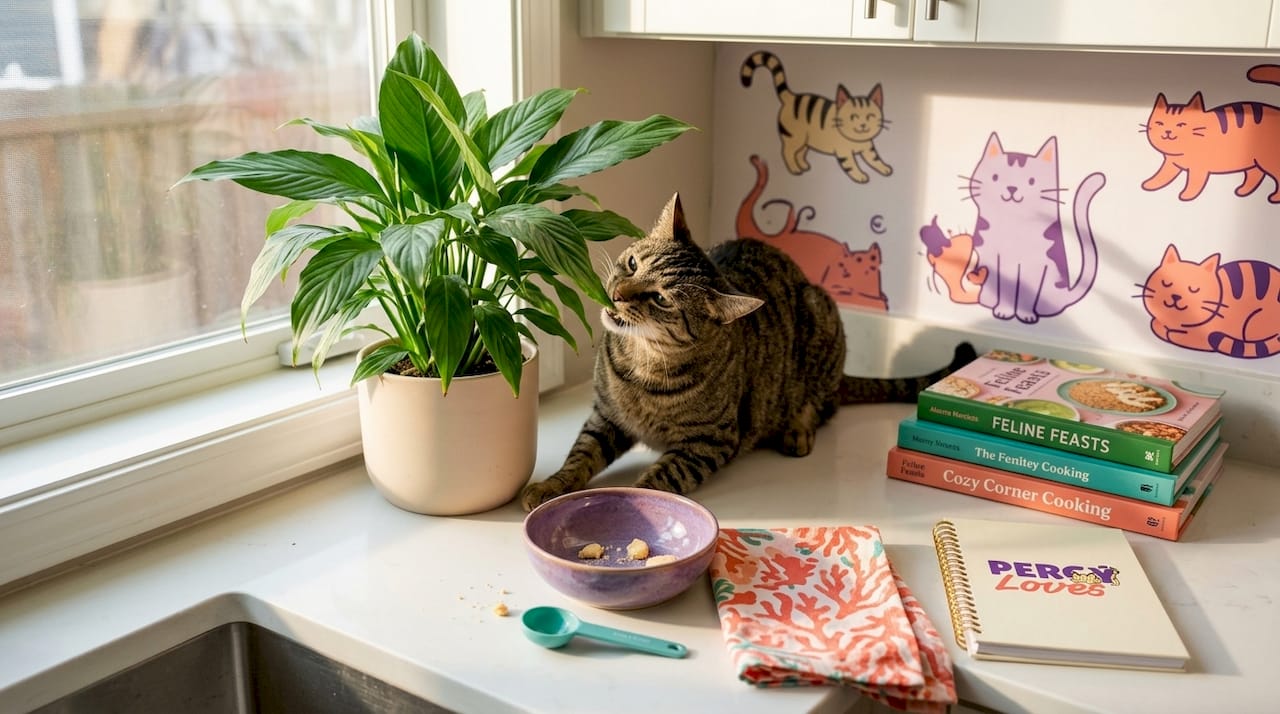
Plants and fungi account for 7.5% of reported toxin exposures, and cats are especially at risk because they tend to chew on plants out of curiosity. Some of the most common toxic plants for pets include lilies (which cause kidney failure in cats), sago palms, pothos, dieffenbachia, and azaleas. Before you bring any new plant into your home, check its safety for every species in your household.
Practical prevention: reducing toxin exposure at home
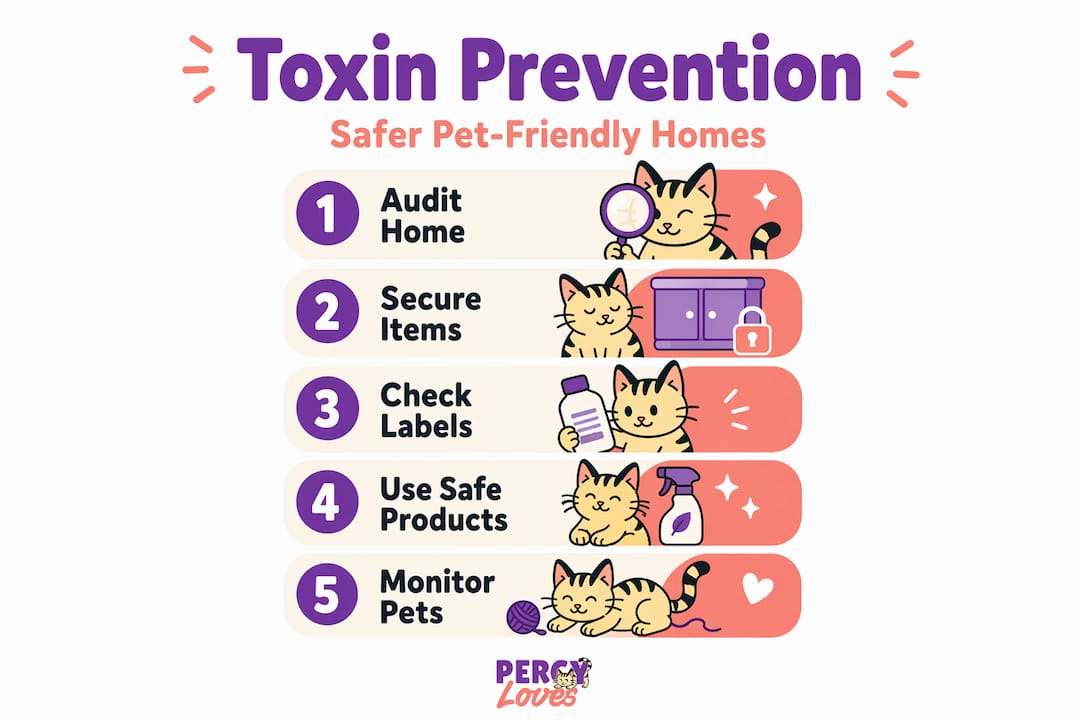
Prevention is mostly about controlling what your pet can access. The good news is that reducing access to medications and food makes a dramatic difference. Here is how to do it in a structured way.
- Store all medications in secured cabinets. Pill bottles are not childproof against a determined dog. A latched cabinet is the only reliable barrier. This includes vitamins, supplements, and over-the-counter cold remedies.
- Never leave bags or purses on the floor. Handbags are a top source of pet toxin exposure because they often contain medications, sugar-free gum, and snacks. Hang them up or close them in a closet.
- Read ingredient labels on food products. Xylitol shows up in unexpected places. Check gum, mints, flavored waters, baked goods, and condiments before sharing anything with your pet or leaving it within reach.
- Audit your houseplants. Look up every plant in your home using a reliable database. Remove any that are toxic to the species you have. This applies to both indoor plants and outdoor garden areas your pet can access.
- Secure trash cans. Pets can and will find their way into garbage. A lidded can with a latch is a low-cost safeguard against exposure to food scraps, used medications, and chemical residue.
- Keep cleaning products out of reach. Harsh cleaning sprays and solutions should be stored in locked cabinets. After cleaning any surface your pet contacts, make sure it is fully dry before your pet has access to the area.
Pro Tip: Do a quick “pet audit” of your home from floor level. Literally crouch down and scan for anything accessible that could be dangerous. You will be surprised what you find.
One often-overlooked prevention tip is to check your pet cleaning safety practices when you switch products. Some household cleaners leave residues that pets lick off paws and surfaces. Choosing products that are clearly non-toxic and lick-safe closes that gap.
Recognizing pet poison symptoms and what to do next
Symptom onset varies greatly depending on the toxin. Some show up within minutes. Others take hours or even a day. The absence of symptoms does not mean your pet is in the clear, which is exactly why you should not wait and watch.
Common signs of pet toxin exposure
- Vomiting or diarrhea
- Excessive drooling or pawing at the mouth
- Lethargy or sudden weakness
- Tremors, shaking, or seizures
- Loss of coordination or stumbling
- Difficulty breathing
- Pale or yellowed gums
- Sudden changes in urination (more or less than usual)
If you see any of these signs, or if you know your pet has eaten or touched something potentially toxic, act immediately.
What NOT to do
Do not induce vomiting on your own. It sounds like a reasonable first step, but inducing vomiting at home can cause serious harm depending on the toxin involved. Corrosive substances cause more damage coming back up. If your pet ingested something sharp, vomiting creates a new problem. Leave that decision to a professional.
“Rapid identification and communication to poison control can reduce time lost in treatment and improve outcomes.” Source: DoveLewis Emergency Animal Hospital
Before you call, gather this information: what your pet ate or was exposed to, how much, when it happened, your pet’s weight and species, and any symptoms you have observed. The ASPCA Poison Control and Pet Poison Helpline both operate 24 hours a day, 7 days a week. Having the packaging or a photo of the substance makes the call far more useful for the specialist advising you.
My take on pet toxin awareness after years of learning the hard way
I used to think the main risks were dramatic things. Rat poison left out by a neighbor. A dangerous plant in a park. The kind of stuff that feels clearly “dangerous.”
What I’ve learned is that the real risks are quieter. I’ve talked to pet parents whose dogs got into a bag of sugar-free gum sitting on a coffee table. One cat went after a lily arrangement from a grocery store bouquet. These were not careless owners. They simply did not know those specific items were dangerous.
In my experience, the pet owners who stay ahead of toxin exposure are the ones who build small habits. They check ingredient labels. They close their bags. They verify plant safety before buying. None of it is complicated or expensive. It just requires being aware of what is in your home from your pet’s point of view.
The other thing I’ve found genuinely helpful is acting fast without panicking. Calling poison control the moment you suspect exposure, even if your pet seems fine, is almost always the right call. Symptom timing varies widely by toxin, and waiting until things look bad often means treatment is harder. Getting ahead of it matters.
If you take one thing from this, let it be this: knowing what can poison your pet is not a scary exercise. It is a power move. It puts you in control of something that most pet parents leave to chance.
— Kathy
A safer home starts with safer products
When you are working to reduce chemical hazards for pets at home, the products you use on surfaces, bedding, and pet spaces matter just as much as what you store in cabinets.

Percyloves created Pal Furresher with exactly this in mind. It is an unscented, non-toxic, lick-safe odor eliminator spray. No fragrances, no harsh chemicals, and completely enzyme-free. It works by bonding to odors at the source and eliminating them on contact, not masking them. That matters for homes with curious pets who lick everything they come near. Whether you have a dog, a cat, a rabbit, or a hedgehog, Pal Furresher is formulated with your whole crew in mind. You can grab the 4 oz Pal Furresher for a starter size, or stock up with the convenient 3-pack option to keep one in every room.
FAQ
What are the most common pet toxins found in the home?
The most common pet toxins are over-the-counter medications, foods like grapes and xylitol, prescription drugs, toxic houseplants, and household chemicals. According to ASPCA 2025 data, OTC medications and food items top the list.
What are the signs my pet has been poisoned?
Pet poison symptoms include vomiting, drooling, lethargy, tremors, loss of coordination, and changes in urination. Symptom timing varies by toxin, so always contact a vet even if your pet seems okay.
Should I make my pet vomit if I think they ate something toxic?
No. Inducing vomiting at home can be dangerous depending on what was ingested. Call ASPCA Poison Control or your vet first and follow their specific guidance.
Are toxic plants for pets a serious risk?
Yes. Plants cause 7.5% of reported toxin exposures, with cats being especially at risk. Common dangerous plants include lilies, sago palms, and pothos.
How do I prevent pet toxin exposure at home?
Store medications and toxic foods in secured cabinets, hang up bags and purses, read product labels for xylitol, and audit your houseplants. Checking your pet-safe products guide is a great starting point for replacing risky products with safer ones.


