

How to Clean Dog Toys Safely and Effectively
TL;DR:
- Dog toys accumulate saliva, dirt, and bacteria quickly, requiring proper cleaning to ensure pet health. Using gentle solutions like mild soap and vinegar, along with regular inspection, helps keep toys safe and free from mold and damage. Establishing a routine schedule based on toy material prevents bacterial growth and promotes a healthier environment for your dog.
Your dog’s favorite chew toy is probably a lot grosser than it looks. Dog toys collect saliva, dirt, food residue, and outdoor bacteria fast. Knowing how to clean dog toys the right way keeps your pup healthier and your home smelling a lot better. The good news? You don’t need harsh chemicals or complicated routines. With the right supplies and a simple schedule, clean toys are completely manageable. This guide walks you through everything: what to use, how to clean each toy type, when to toss them, and how to build habits that actually stick.
Table of Contents
- Key Takeaways
- What you need to get started
- How to clean each type of dog toy
- When to toss a toy instead of cleaning it
- Building a cleaning schedule that works
- My honest take on keeping dog toys clean
- Keep things fresh between washes with Pal Furresher
- FAQ
Key Takeaways
| Point | Details |
|---|---|
| Match method to material | Different toy types need different cleaning approaches to stay safe and last longer. |
| Stick to gentle cleaners | Mild, fragrance-free soap and white vinegar are safer choices than bleach or scented detergents. |
| Drying is non-negotiable | Trapped moisture leads to mold and bacteria. Always dry toys completely before giving them back. |
| Inspect every time you clean | Cracked, frayed, or torn toys should be discarded. Cleaning can’t fix structural damage. |
| Clean on a regular schedule | Treat toys need daily rinsing, rubber toys weekly, and plush toys at least every two weeks. |
What you need to get started
Before you scrub a single toy, it helps to have the right supplies on hand. The goal is to clean effectively without leaving behind anything your dog could lick up and get sick from. Household cleaners are often toxic to pets, so skipping the heavy-duty stuff is not just a preference. It’s the safer move.
Here’s what you’ll want to keep in your cleaning kit:
- Mild, fragrance-free dish soap for rubber, plastic, and rope toys
- Unscented laundry detergent for plush and fabric toys going through the washing machine
- White vinegar as a natural sanitizing rinse for most toy types
- Baking soda to help neutralize stubborn odors before washing
- A stiff-bristled brush or bottle brush to scrub inside crevices, squeaker holes, and textured surfaces
- Clean towels and a drying rack or a sunny outdoor spot for air drying
What to skip is just as important. Bleach, fabric softeners, scented detergents, and harsh disinfectants can leave residues your dog will chew and lick directly. Even products that seem “natural” can irritate sensitive dogs if they’re heavily scented. Stick to fragrance-free and gentle, and you’re already ahead.
Pro Tip: White vinegar diluted 50/50 with water makes a solid natural dog toy cleaning solution. It helps cut grease and neutralize odors without leaving harmful residue. Rinse well after.
For more ideas on building a pet-safe cleaning routine at home, Percyloves has a helpful guide worth bookmarking.
How to clean each type of dog toy
Not all toys clean the same way. A plush squeaky bear needs very different treatment than a rubber chew ring. Here’s the best way to clean dog toys by material type.
Plush toys
- Check the tag. Most plush dog toys are machine washable. If it says machine safe, toss it in on a gentle cycle with unscented laundry detergent and cold or warm water.
- If there’s no tag or you’re unsure, hand wash in a basin with mild dish soap and warm water. Squeeze and work the soapy water through the fabric thoroughly.
- Rinse until the water runs clear. Soap residue left in plush toys is a real problem since dogs mouth them constantly.
- Press excess water out with a clean towel. Don’t wring, since that can damage seams.
- Air dry completely, preferably in sunlight. Squeeze plush toys during drying and check that no moisture is trapped inside before returning them to your dog.
Rubber and hard plastic toys
- Rinse the toy immediately after play to remove surface saliva and debris.
- Fill a basin with warm water and a few drops of mild dish soap. Soak the toy for 10 to 15 minutes.
- Scrub every surface with a stiff brush, paying extra attention to ridges and grooves where bacteria hide.
- Many rubber and hard plastic toys are also dishwasher safe on the top rack. Skip the heated dry cycle and let them air dry instead.
- Rinse thoroughly under running water to remove all soap.
- Let dry completely before giving back to your pup.
Pro Tip: For a natural sanitizing boost, soak rubber toys in a solution of equal parts white vinegar and water for 30 minutes before scrubbing. It’s one of the easiest natural dog toy cleaning methods out there.
Rope toys
Rope toys are among the trickiest to clean because the fibers trap moisture, dirt, and bacteria deep inside. The best method is to wet the rope toy thoroughly, then microwave it for 60 seconds to kill surface bacteria. Let it cool completely before handling. Alternatively, hand wash with mild soap, squeeze out as much water as possible, and dry in direct sunlight for several hours. Never put a rope toy away damp. Mold grows fast in those twisted fibers.

Treat-dispensing and puzzle toys
These need attention after every single use. Mild dish soap combined with thorough rinsing removes food residue before it hardens or breeds bacteria inside the chambers.
- Rinse immediately after use to loosen food particles.
- Use a bottle brush or small cleaning brush to reach inside openings and channels.
- Wash with warm water and mild dish soap.
- Rinse completely. Any soap left inside will end up in your dog’s next snack.
- Place hole-side down on a drying rack so air flows through and moisture escapes.
When to toss a toy instead of cleaning it
Cleaning time is also inspection time. Every wash is an opportunity to check whether a toy is still safe to use. Structurally compromised toys are dangerous in ways that scrubbing simply cannot fix.
Look for these red flags every time you clean:
- Frayed seams or torn fabric on plush toys that expose stuffing or squeakers
- Cracks, sharp edges, or holes in rubber or hard plastic toys that can cut your dog’s mouth
- Squeakers or small parts that are loose or accessible because they’re serious choking hazards
- Persistent odors after cleaning that suggest mold or bacterial growth deep inside the material
- Discoloration or texture changes on rubber toys, which can indicate material breakdown
Porous toys that cannot be fully cleaned after illness exposure are safer to discard than risk ongoing contamination. If your dog has been sick, err on the side of replacing the toy rather than cleaning it. Discard any toy you can’t fully clean and dry inside and out.
Natural materials can be a good alternative to plastic and rubber. Natural toys made from safer materials are often easier to evaluate for wear and damage, too. When you can clearly see the condition of a toy, knowing when to toss it becomes a lot easier.
Building a cleaning schedule that works
One of the most common dog toy maintenance tips is “clean them regularly.” But what does that actually mean? The answer depends on the toy.
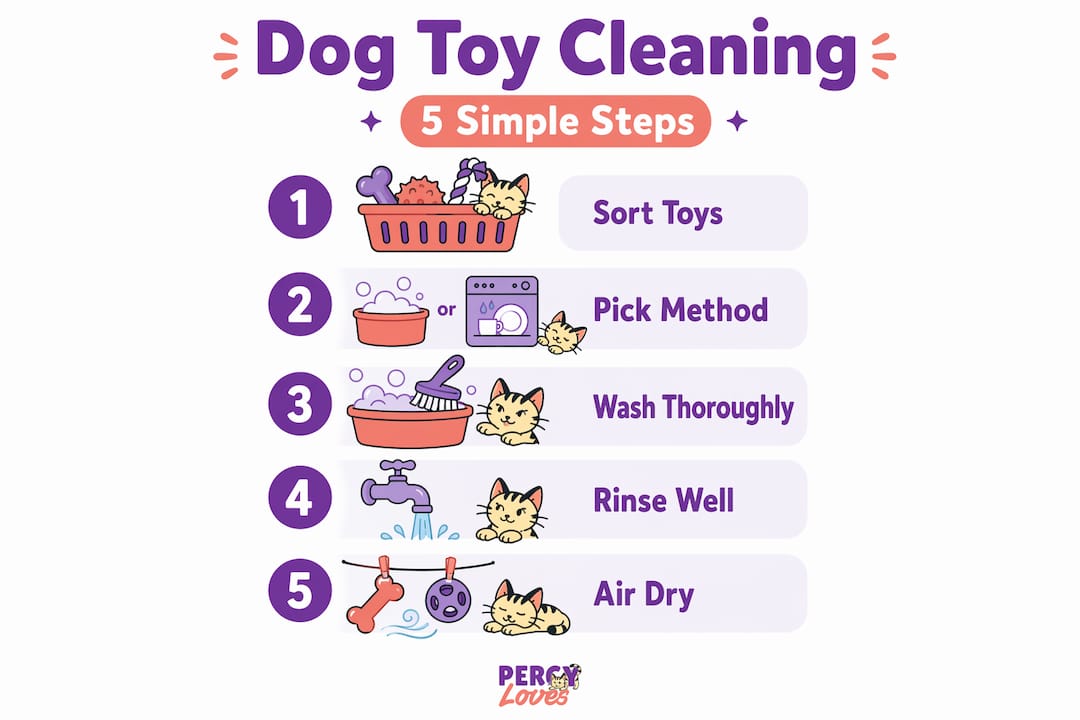
Dog toys need a tiered cleaning schedule based on type: treat-dispensing toys need rinsing daily, rubber and hard plastic toys weekly, and plush toys at least every two weeks. That schedule is not arbitrary. It reflects how quickly bacteria multiply in different materials and how often those toys contact food or saliva.
Here’s a simple weekly routine to build the habit:
- Daily. After your dog finishes with a treat toy or puzzle feeder, rinse it right away. A 30-second rinse now saves a 10-minute scrub session later.
- Weekly. Pull out all rubber and hard plastic toys, soak and scrub them, and let them air dry before putting them back.
- Bi-weekly. Gather all plush and rope toys for a deeper wash. Check them over for damage while you’re at it.
- After outdoor play. Any toy that went outside gets cleaned before it comes back in. Period.
- After illness. If your dog has been sick, discard porous toys and deep clean hard toys right away.
Pro Tip: Sunlight is a free and surprisingly effective sanitizer. After washing, set toys out in direct sun for a few hours. UV exposure helps reduce bacteria naturally, and toys dry faster too.
A few mistakes to watch for: skipping the rinse step after washing leaves soap residue on toys your dog mouths constantly. Using fabric softener in the wash makes plush toys smell nicer to you but can irritate your dog’s skin and airways. Trapped moisture promotes mold, so never store toys until they are 100% dry. And avoid bleach for routine cleaning. Even diluted, it’s a harsh option that’s hard to rinse completely from textured surfaces. Regular toy cleaning is really about consistency more than intensity. Small, frequent effort beats occasional deep cleans every time.
My honest take on keeping dog toys clean
I’ll be real with you. I didn’t take dog toy cleaning seriously until one of my dogs developed recurring stomach issues. My vet pointed to the toys. I had been washing them every few weeks, which felt like enough. It wasn’t.
What changed my approach was treating drying as seriously as washing. I used to throw plush toys in the dryer and call it done. Then I learned that moisture trapped inside toys is a major driver of bacterial growth and odor. The outside of a toy can feel dry while the inside stays damp for hours. Now I always air dry and give plush toys a good squeeze test before they go back in the toy bin.
I also stopped buying scented detergents for anything toy-related. My younger dog has sensitive skin and reacts to fragrances in ways that took me too long to connect. Switching to fragrance-free soap for everything pet-related made a noticeable difference.
The other thing I tell every dog parent I know: inspect toys every single time you clean them. I’ve found cracked rubber that would have been sharp enough to cut a dog’s gum. Fraying rope that was a few chews away from becoming a choking hazard. You see these things when you’re holding the toy under running water in a way you just don’t when you toss it back in the pile.
The routine doesn’t have to be complicated. Rinse after every treat toy use. Scrub rubber toys once a week. Wash plush every two weeks. Inspect every time. That’s really it.
Keep things fresh between washes with Pal Furresher
Cleaning handles the dirt. But what about the lingering dog smell that shows up between wash days?
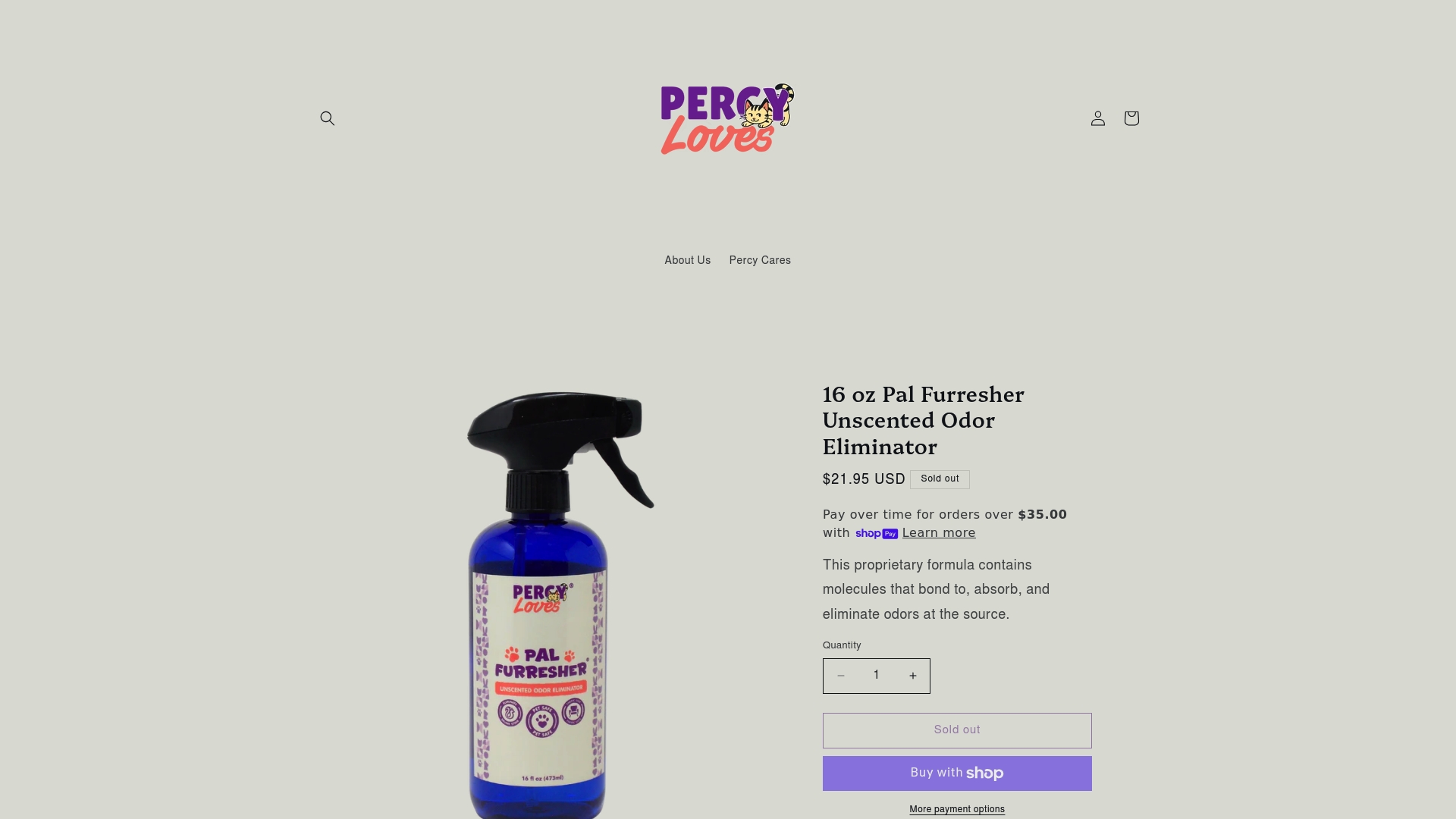
That’s where Percyloves Pal Furresher comes in. It’s an unscented, lick-safe odor eliminator that works by bonding to odor molecules and eliminating them completely at the source. No masking. No perfume cover-up. Just gone. It contains zero enzymes and zero harsh chemicals, making it a genuinely safe choice for pet homes, including homes with sensitive dogs.
Spray it on a freshly dried toy, a dog bed, or any pet area that needs a refresh. It’s fragrance-free, so your dog won’t be put off by a new scent. And because it’s lick-safe, you don’t need to worry if your pup goes right back to mouthing their favorite toy after you spray.
Grab the Pal Furresher odor eliminator in 16 oz for everyday use, or the 4 oz size for your bag or travel kit. It’s the simplest addition to a dog toy maintenance routine you’ll make this year.
FAQ
How often should I clean my dog’s toys?
Treat-dispensing toys need daily rinsing, rubber and plastic toys benefit from a weekly wash, and plush toys should be cleaned every two weeks. Toys used outdoors should be cleaned after every outing.
What is the best way to clean dog toys naturally?
A 50/50 solution of white vinegar and water works well for most rubber and hard plastic toys. For plush toys, unscented laundry detergent on a gentle machine cycle is a safe and effective option.
Can I use bleach to sanitize dog toys?
Bleach is not recommended for routine toy cleaning. It’s difficult to rinse fully from textured surfaces and can leave residue that’s harmful to dogs who chew and mouth their toys regularly.
How do I know when to throw away a dog toy?
Toss any toy with frayed seams, cracks, exposed stuffing, or sharp edges. If a toy still smells bad after a thorough cleaning, that’s usually a sign of internal mold or bacterial growth that washing won’t fix.
Is it safe to put dog toys in the dishwasher?
Many rubber and hard plastic toys are dishwasher safe on the top rack. Skip the heated dry cycle and air dry instead. Always check the toy for cracks or damage before returning it to your dog.


