

Understanding Pet Sensitivity: A Pet Parent's Guide
TL;DR:
- Pet sensitivities often cause skin and behavioral issues in pets without involving the immune system.
- Accurate diagnosis relies on elimination diets and environmental assessments before making significant changes.
Your pet is scratching constantly, turning down food, or flinching when you reach to pet them. You’ve tried changing shampoos, switching foods, and searching online for hours. Sound familiar? Understanding pet sensitivity is one of the most confusing parts of pet care because allergies and sensitivities look so alike but need very different responses. This guide clears up what’s actually happening with your pet, how to spot the signs, what causes the reactions, and what you can do right now to make your fur baby more comfortable.
Table of Contents
- Key takeaways
- Understanding pet sensitivity vs. allergies
- Signs of pet sensitivity to watch for
- How vets diagnose allergies and sensitivities
- Environmental and behavioral sensitivities
- How to manage pet sensitivity at home
- My honest take on understanding pet sensitivity
- A cleaner home for your sensitive pet
- FAQ
Key takeaways
| Point | Details |
|---|---|
| Allergies vs. sensitivities differ | Allergies involve the immune system; sensitivities cause reactions without immune involvement. |
| Skin signs are most common | Food sensitivities cause skin issues 70–80% of the time, not just stomach trouble. |
| Elimination diet is the gold standard | A 4-week elimination trial is the most reliable way to diagnose food allergies in pets. |
| Environment triggers matter too | Pollen, dust mites, and household products can all set off reactions in sensitive pets. |
| Safe products make a real difference | Choosing fragrance-free, non-toxic products at home reduces exposure to unnecessary irritants. |
Understanding pet sensitivity vs. allergies
Most people use “allergy” and “sensitivity” interchangeably. They’re not the same thing. And getting that wrong leads to a lot of wasted effort and one very uncomfortable pet.
A true allergy is an immune system response. The body identifies a harmless protein as a threat and attacks it. That triggers inflammation, itching, swelling, and sometimes serious reactions. With understanding pet allergies, the key point is this: the immune system is involved every single time.
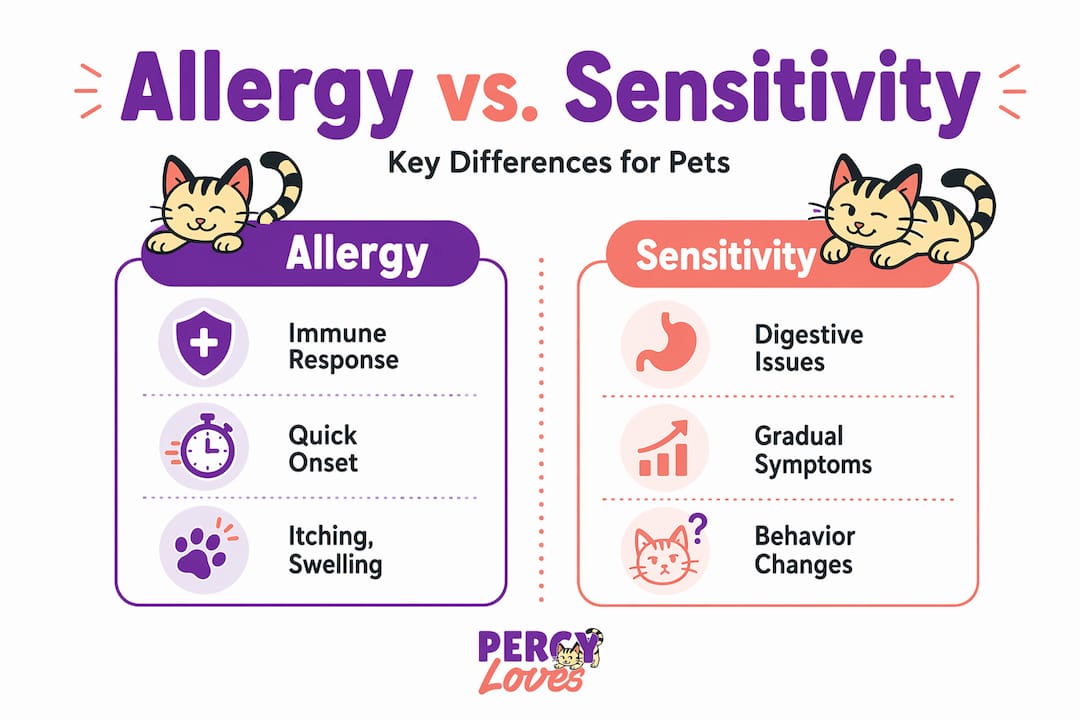
A sensitivity is different. The immune system is not the driver. Instead, the body simply has trouble tolerating something. Think of it as a complaint, not a code red. The reactions tend to be milder but still significantly affect your pet’s quality of life.
Here’s a quick breakdown of how they compare:
| Feature | Allergy | Sensitivity |
|---|---|---|
| Immune system involved? | Yes | No |
| Onset | Can be rapid | Usually gradual |
| Common triggers | Proteins, pollen, dander | Food ingredients, scents, fabrics |
| Most common symptoms | Itching, hives, swelling | Digestive upset, mild skin irritation |
| Diagnosis method | Vet testing, elimination diet | Elimination diet, observation |
The most common pet sensitivity issues involve food. Food sensitivities cause skin problems in 70 to 80% of affected pets, with digestive issues in only 10 to 15% of cases. That surprises a lot of pet parents who assume tummy trouble is the only sign something is off.
Pro Tip: If your pet has recurring skin problems but no obvious change in diet or environment, food sensitivity may still be the cause. Skin symptoms often show up before digestive ones do.
Signs of pet sensitivity to watch for
Spotting pet sensitivity behavior early saves your pet from a lot of discomfort. The challenge is that many signs look like ordinary bad days. Knowing what to look for changes that.
Skin and coat signs:
- Constant scratching, licking, or biting at paws, belly, or ears
- Red, inflamed patches or hot spots
- Recurring ear infections
- Patchy or dull coat
- Flaky skin or excess shedding
Digestive signs:
- Vomiting shortly after meals
- Loose stools or diarrhea with no other obvious cause
- Gurgling stomach sounds or gas
- Loss of appetite
Behavioral signs:
These are the ones most often missed. Handling sensitivity often signals pain or discomfort. A pet that flinches, growls, or pulls away when touched in certain spots is communicating something real. That’s not attitude. That’s a red flag. Punishing that kind of avoidance or growling makes things worse and removes the pet’s ability to warn you before something escalates.
Sensory overload is also a real thing. About 16 to 20% of dogs are considered highly sensitive. These pets startle easily, get overwhelmed by noise or crowds, and may shut down in stimulating environments. That’s not bad behavior. That’s a nervous system that processes the world more intensely than average.
Pro Tip: Keep a simple log of when symptoms appear and what happened beforehand. Time of day, recent meals, new products used in your home, outdoor activity. Patterns emerge faster than you’d expect.
How vets diagnose allergies and sensitivities
Diagnosis is where a lot of pet owners get frustrated. The truth is, it takes time and there are no perfect shortcuts.
- Start with your vet. A physical exam rules out infections, parasites, and other conditions that mimic sensitivity symptoms. Never skip this step.
- Try an elimination diet trial. The gold standard for food allergy diagnosis is a strict elimination diet lasting at least four weeks. Your pet eats only a novel protein and carbohydrate source. Nothing else. Not even flavored medications or treats.
- Consider molecular allergy testing. These tests can screen over 300 allergens at once and help guide your vet’s thinking. They don’t replace the elimination diet, but they’re a useful tool.
- Be patient with the process. Some reactions take weeks to appear and weeks to clear. Rushing to conclusions leads to misdiagnosis.
“Owners often mistakenly blame pet dander for allergies actually caused by pollen, mold, or dust mites carried on a pet’s coat. Jumping to drastic actions before confirming the real trigger can permanently damage the pet-owner relationship without solving the problem.”
Premature decisions like rehoming a pet or obsessively cleaning the house can result from misattributing allergy causes. Veterinary testing to pinpoint the true trigger first is critical before taking any major action.
Environmental and behavioral sensitivities
Food gets most of the attention, but your home environment may be just as much of a trigger. Seasonal pollen allergies affect about 10% of dogs, and the symptoms usually show up as skin irritation rather than the sneezing you’d expect. Paw licking after walks, scratching at the face, and red belly skin are classic signs.

Dust mites, mold spores, and certain household cleaning products are also common triggers. Many pet owners don’t realize that pet allergies in humans are caused by proteins in pet dander, saliva, and urine. Not fur itself. Similarly, what affects your pet may be the residue from a product you’re using, not the pet food in their bowl.
For behaviorally sensitive pets, the approach needs to shift. Viewing problem behaviors through a sensory processing lens changes everything. A dog that barks endlessly at the neighbor’s lawnmower or a cat that hides for hours after a visitor leaves may not need more training. They may need a more predictable, lower-stimulus environment.
Here’s what helps:
- Keep daily routines consistent. Sensitive pets thrive on predictability.
- Limit exposure to overwhelming situations rather than forcing desensitization too quickly.
- Give your pet a dedicated quiet space they can retreat to at any time.
- Use gentle handling at all times. Supportive, pain-aware handling is especially important for pets that react to touch.
Pro Tip: For small animals like guinea pigs, rabbits, and hamsters, environmental sensitivity is often overlooked. Strong scents from cleaning sprays used near their enclosures can cause respiratory distress and stress behaviors. Always opt for fragrance-free products around them.
How to manage pet sensitivity at home
You can make a significant difference without waiting for a diagnosis. These steps help reduce your pet’s load of triggers while the investigation is ongoing.
- Audit your pet’s diet. Switch to single-ingredient treats. Reduce the number of new foods introduced at once. If you’re trialing an elimination diet, stick to it strictly.
- Clean your home without adding irritants. Use fragrance-free household products wherever your pet spends time. Scented sprays, candles, and heavily fragranced cleaners can aggravate respiratory and skin sensitivity.
- Groom gently and consistently. For pets with skin sensitivity, gentle grooming practices help remove pollen, dust, and other surface triggers without irritating already-inflamed skin.
- Control allergens in your home. Wash pet bedding regularly at high temperatures. Use air purifiers in rooms where your pet sleeps. Create pet-free zones if needed, especially in bedrooms. These layered management strategies significantly reduce the allergen load for both you and your pet.
- Choose safe products. Every spray, cleaner, or odor product you use around a sensitive pet matters. Avoid anything with added fragrance, harsh chemicals, or unknown ingredients.
- Know when to call your vet. If symptoms are worsening, spreading, or paired with weight loss, lethargy, or behavioral changes, get professional help promptly. Some reactions need medical intervention, not just home management.
Caring for sensitive animals is a process of observation, adjustment, and patience. The good news is that most pets respond well once the main triggers are identified and removed.
My honest take on understanding pet sensitivity
I used to think my dog’s itching was just dry skin in winter. I tried every moisturizing shampoo on the market. Nothing worked. It took me almost a year to figure out the real culprit was a protein in her food she’d been eating since puppyhood.
That experience taught me the most important lesson about pet sensitivity: we tend to look for dramatic causes when the real answer is usually something ordinary and ongoing. The food they eat every day. The spray we use to clean their bedding. The air freshener plugged in next to their crate.
What I’ve learned is that sensitivity care is less about finding a single fix and more about reducing the overall burden on your pet’s system. Strip back the extras. Watch what changes. Give it time. The pets I’ve seen thrive are the ones whose owners stopped layering on solutions and started removing potential problems instead.
If your pet is hypersensitive behaviorally, please don’t label them as difficult. In my experience, those pets are often the most connected and responsive once you learn their language. They just need their environment managed more thoughtfully.
— Kathy
A cleaner home for your sensitive pet
If you have a sensitive pet, every product in your home matters. That includes how you handle odors.

Percyloves created Pal Furresher for exactly this kind of home. Percy is a real cat with a real funk problem, and the humans at Percyloves needed something that worked without adding chemicals, fragrances, or anything that could make a sensitive pet worse. Pal Furresher is completely fragrance-free and enzyme-free. It doesn’t mask odors. It bonds to odor molecules and eliminates them at the source. It’s also lick-safe, so if your curious cat or dog gets into it, you don’t need to panic.
For pet parents managing sensitivity at home, grab the 4 oz Pal Furresher to try it out, or stock up with the pack of 3 for a fresher home all month long. Safe, simple, and made with your fur baby in mind.
FAQ
What is the difference between a pet allergy and a pet sensitivity?
A pet allergy involves the immune system reacting to a specific protein, causing symptoms like itching and swelling. A sensitivity does not involve the immune system and typically causes milder digestive or skin reactions.
What are the most common signs of pet sensitivity?
The most common signs include chronic itching, recurring ear infections, paw licking, digestive upset, and behavioral changes like flinching during handling. Food sensitivities most often show up as skin issues rather than stomach problems.
How do vets diagnose food allergies in pets?
The most reliable method is a strict elimination diet lasting at least four weeks, using a novel protein source your pet has never eaten before. Molecular testing can support but does not replace this process.
Can environmental factors cause pet sensitivity?
Yes. Pollen, dust mites, mold, and household products are all common environmental triggers. Some pets also experience sensory sensitivity to noise, touch, and changes in routine that affect their behavior and stress levels.
Are some pets more sensitive than others?
Absolutely. Research suggests roughly 1 in 6 dogs are highly sensitive, processing sensory information more intensely than average. These pets benefit most from predictable routines, gentle handling, and a low-irritant home environment.


